
A $300 increase changes the Mac mini's role
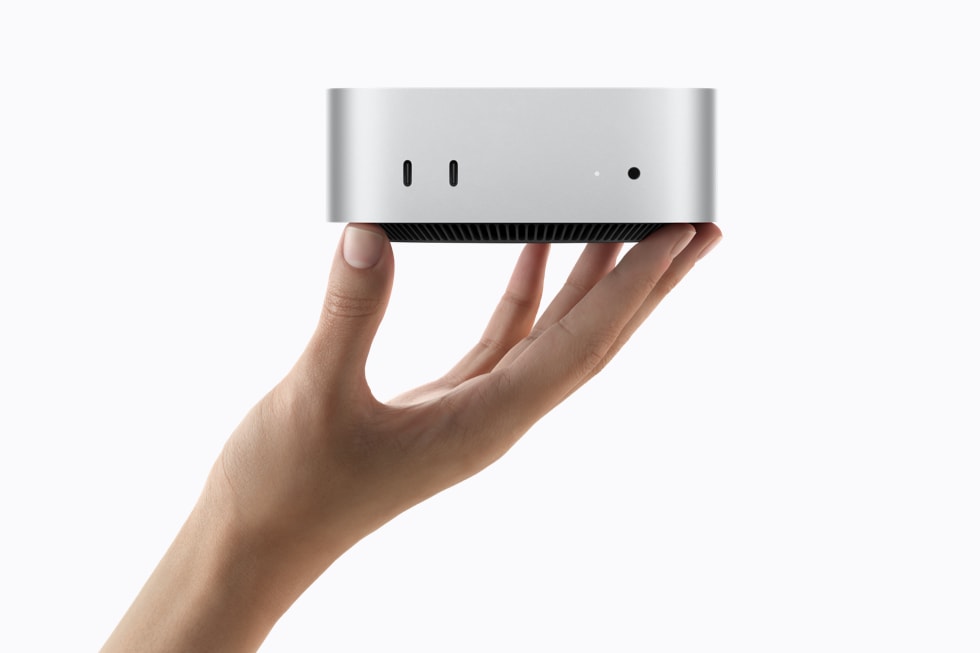
The M6 Mac mini starts at $899 with 16GB of unified memory and 256GB of storage. Apple's 2024 M4 model launched at $599 with the same 16GB memory floor. That is a $300 increase, or just over 50%. The chip is faster, but the desktop that once offered the cheapest straightforward route into the Mac now demands a proper comparison.
Apple's US store lists M6 configurations from $899 and M5 Pro models from $1,699. Education pricing lowers the entry model to $799. Pre-orders are open and deliveries begin September 22.
The increase does not make the M6 a poor computer. It changes who can justify buying one. Anyone looking for a small machine for browsing, study or office work now has to use much more of its performance for the price to make sense.
A first Mac mini also needs a complete desk around it. The box does not include a display, keyboard or mouse. Someone replacing another desktop may reuse all three, while a new Mac buyer has to add them to the budget. The same $899 starting price lands very differently in those two situations.
What Apple improved for the money
M6 combines a 12-core CPU and 12-core GPU, adding two cores to each block over M4. Apple claims up to 40% faster CPU performance, twice the graphics and storage speed, and as much as four times the AI performance. Those figures come from Apple's chosen applications and test conditions. They do not mean every program becomes two or four times faster.
Standard memory remains 16GB, while bandwidth rises to 170GB/s and configurations extend to 24GB or 32GB. Video editing, 3D scenes and models running on the Mac can benefit because the CPU, GPU and accelerators share that pool. Our AI token explainer separates local memory requirements from the usage counter attached to a cloud service.
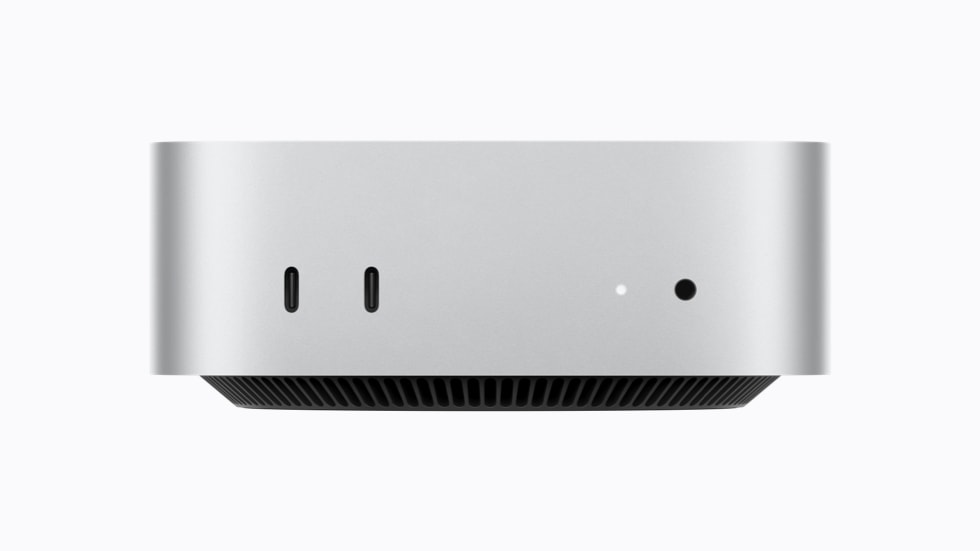
Connectivity improves too. M6 adds Wi-Fi 7, Bluetooth 6 and 2.5Gb Ethernet as standard. Two USB-C ports and a headphone jack remain on the front, with three Thunderbolt 4 ports, HDMI and Ethernet at the back. The M5 Pro version uses Thunderbolt 5 and supports up to 64GB of memory.
The base configuration is still constrained by storage
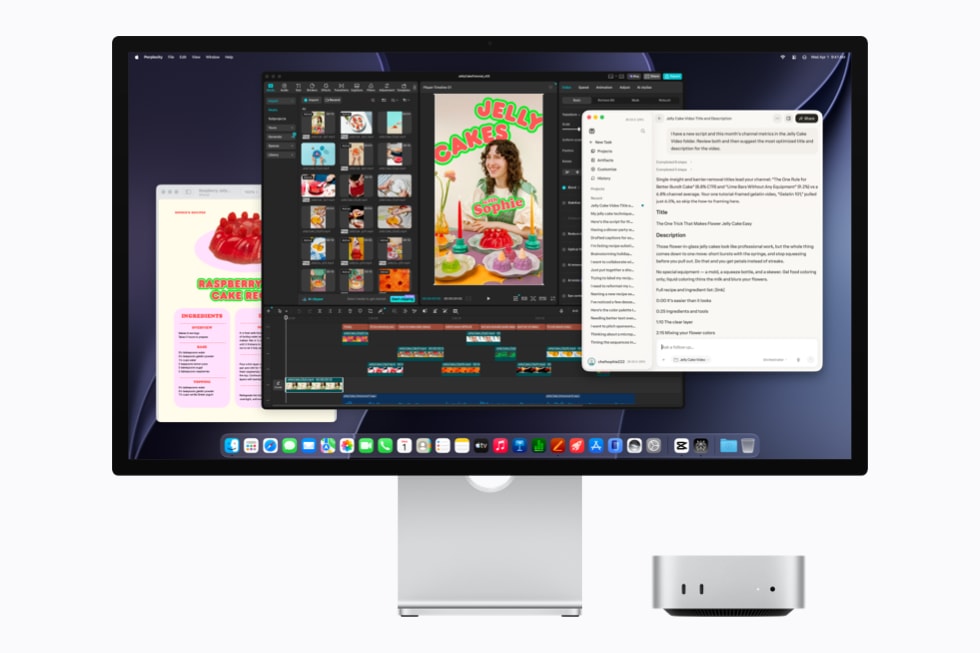
The $899 model includes only 256GB. Moving to 512GB adds $200, while 24GB of memory costs another $200. A 24GB and 512GB configuration therefore reaches $1,299 before a display, keyboard or mouse.
Sixteen gigabytes remains sensible for office work, lighter development and home use. The 256GB SSD is easier to outgrow because macOS, applications, photos and projects compete for it immediately. A fast external SSD can add capacity, though it occupies a port and is less convenient than internal storage.
Players should check individual game support and performance instead of treating Apple's two-times graphics claim as a library guarantee. Our guide to checking whether a PC can run a game explains why raw speed and compatibility are separate questions. macOS still misses many releases and several graphics technologies target Windows first.
Who should buy it
The M6 Mac mini makes the strongest case for someone who already owns a display and peripherals, uses Final Cut, Logic, Xcode, Photoshop or local AI models, and can measure the time a faster machine will save. Its CPU, memory bandwidth and accelerators address real waits in those workloads.
If the goal was simply to enter macOS as cheaply as possible, the new price breaks the Mac mini's easiest argument. Compare remaining M4 stock and calculate the complete configuration before paying $899 for 256GB. The M6 reaches stores September 22. Buying before independent tests arrive does not add storage or turn Apple's claims into neutral measurements.
The conversation starts here
Sign in with a supporter account to comment. Sign in

Nobody has commented yet. Want to go first?