
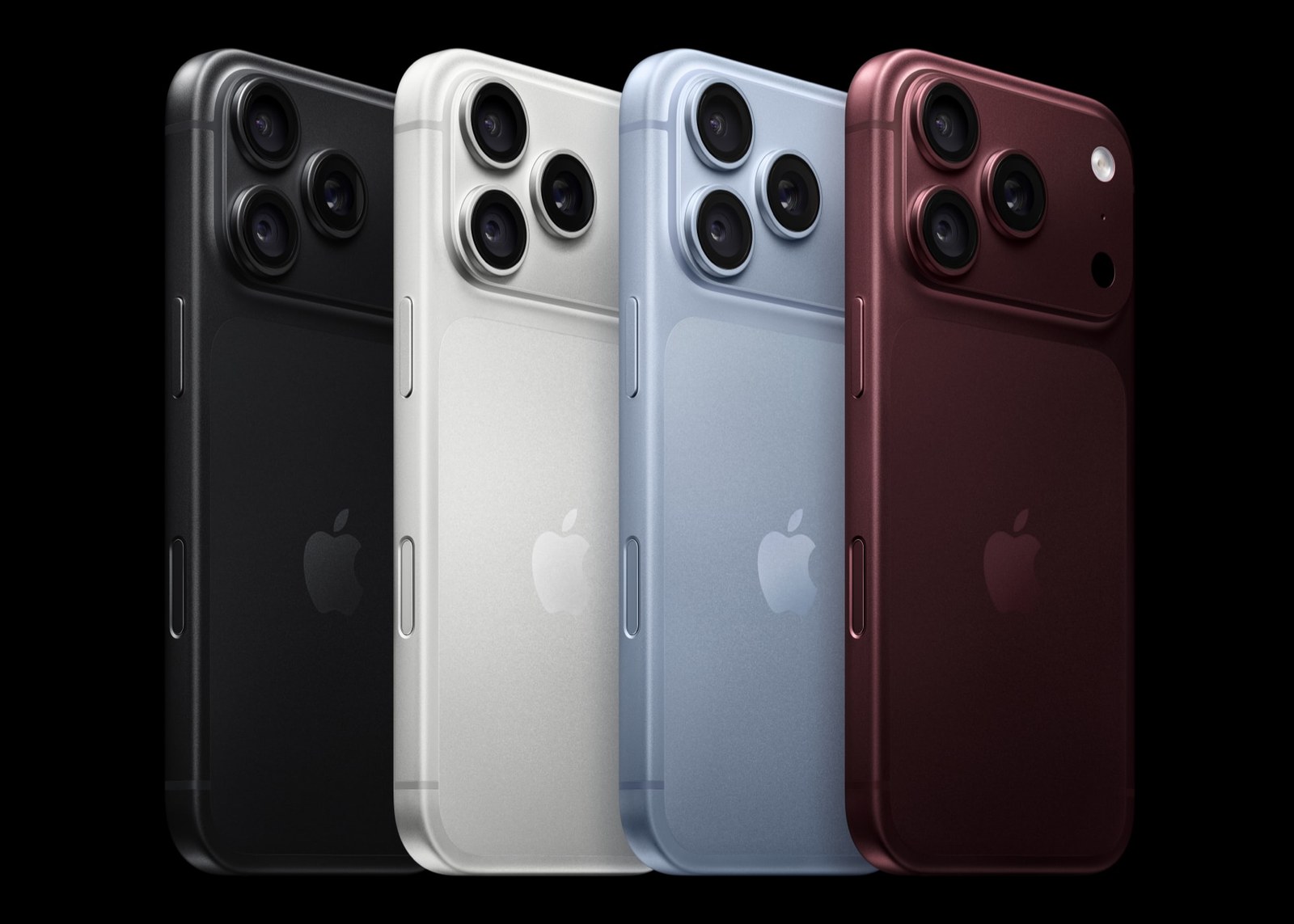
A working iPhone 17 Pro is still a strong reason not to buy an iPhone 18 Pro. Apple's new phone has a more adaptable main camera and greater headroom for demanding tasks, but many everyday features carry over. The upgrade makes a stronger case for people who deliberately compose photographs or play demanding games than for those who mainly want messaging, navigation and social apps.
This is an editorial comparison of the two 6.3-inch Pro models, using official specifications and independent testing. We have not conducted our own side-by-side review, and Pro Max results are not treated as measurements of the smaller Pro.
The entry price rises without adding storage
The 256GB iPhone 18 Pro starts at $1,199 in the US, before applicable sales tax. The 17 Pro launched at $1,099 with the same 256GB. That is a $100 increase, about 9.1%, without more room for photos, videos or apps in the entry model. This compares the 18 Pro's current Apple price with the 17 Pro's launch price, not a current discount on the older phone.
Existing owners face a different calculation. Upgrading costs the price of the 18 minus whatever they receive for their old phone, plus any accessories they need to replace. The $100 generational increase is useful for assessing Apple's pricing, but it is not the cost of replacing a 17 Pro.
If you own neither phone, compare actual offers with matching storage, battery condition and warranty coverage. We would not pay almost the same amount for the older model. A substantial discount, however, can make the 17 Pro the better purchase if its camera already does what you need. Carrier credits also deserve a look at the required plan and payment period, not just the advertised device price.
Variable aperture is the most convincing camera upgrade
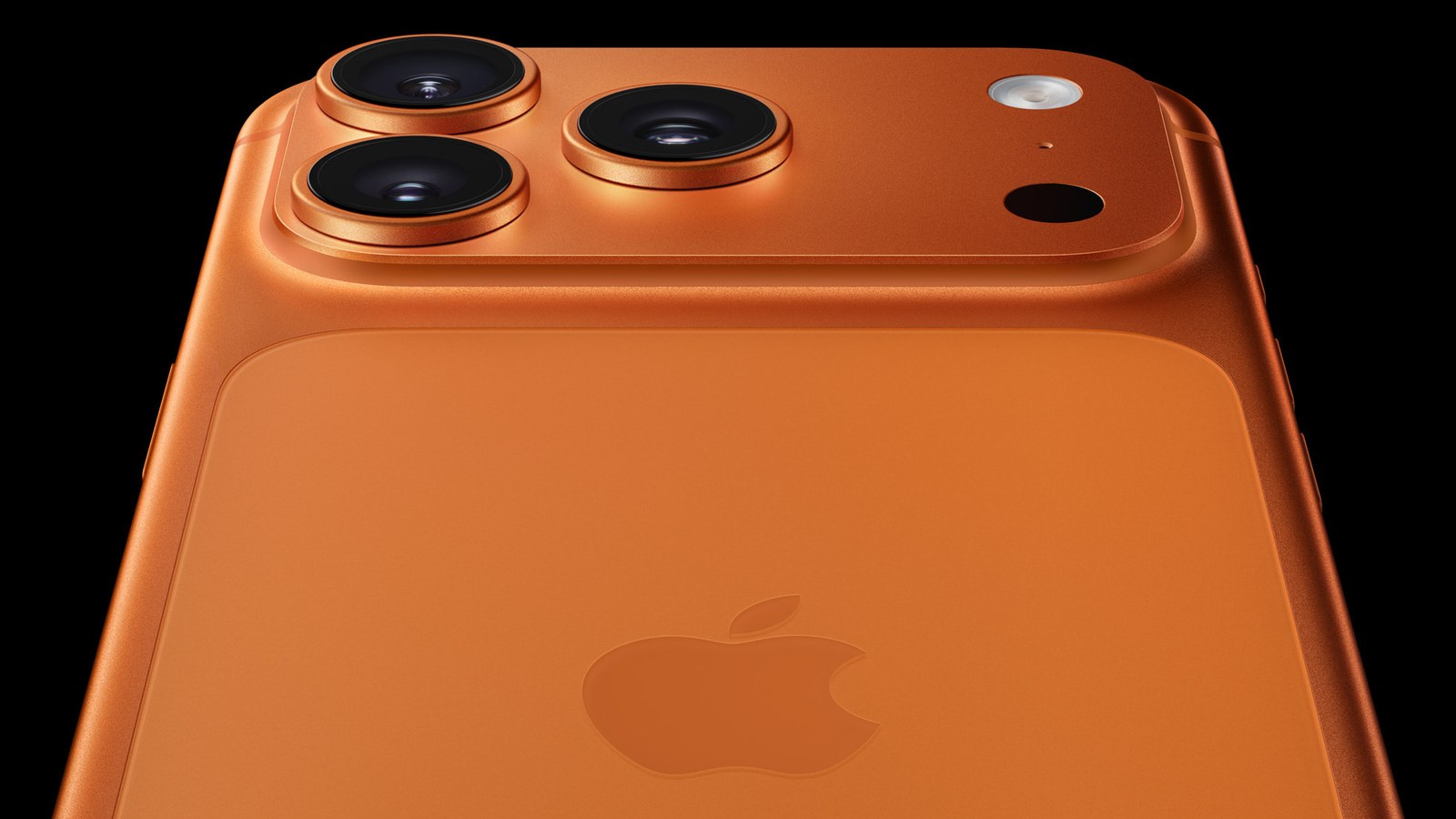
The 17 Pro's main lens has a fixed opening. The 18 Pro uses physical blades to change how much light passes through, with aperture settings from f/1.48 to f/4. Opening the lens wider admits more light. Closing it can keep people at different distances in focus, such as a group arranged along a staircase.
That changes the photograph at capture, rather than relying entirely on software to decide which parts to blur afterward. Apple describes the mechanism and its new manual controls. It gives photographers a meaningful additional choice, including those who want to learn what changing aperture actually does.
It does not establish that every automatic snapshot will look noticeably better. Subject movement, lighting and image processing still matter. Apple's sample below illustrates depth of field, but it is promotional material rather than a controlled comparison with the 17 Pro.
Much of the camera specification remains familiar. Both phones have three 48MP rear cameras, a 4x telephoto lens and an 18MP front camera. The stronger upgrade argument is control over the main camera, not more megapixels or a telephoto capability that the previous phone lacked.

Gaming performance improves, but the game still matters
The A20 Pro's advantages become more relevant when a demanding task continues for a while. Apple has enlarged the vapor chamber that spreads heat away from the processor, building on a cooling system already present in the 17 Pro. Spreading heat across more surface area is intended to reduce how aggressively the chip has to slow down to protect itself.
In PhoneArena's tests, the lower score in the repeated 3DMark Wild Life Extreme graphics workload rises from 3,506 to 4,672, up 33.3%. Both lose performance from their peaks. That supports an advantage under this workload, not an equivalent frame-rate increase in your games.
A game with a frame-rate cap may leave some of that additional power unused. Check whether your particular game struggles on the 17 Pro, which settings it exposes and whether testing shows the 18 fixes the problem. Our Temple of Osiris review on an iPhone 13 Pro is a useful reminder that a well-built mobile game does not necessarily require the latest processor.
Charging saves five minutes, endurance depends on the task
Apple's US specifications list up to 33 hours of video playback for the 17 Pro and 36 hours for the 18 Pro. The additional three hours apply to that test, not a guaranteed increase in mixed daily use. These are US figures for the eSIM-only variants, not the lower figures quoted for models sold with a physical SIM slot elsewhere.
PhoneArena measures 8 hours and 14 minutes of video on the 18 Pro against 8 hours and 25 minutes on the 17, while browsing and gaming improve. The benefit varies by activity, rather than extending equally to every workload.
Fast charging offers a clearer comparison. Apple quotes roughly 15 minutes to reach 50% on the 18 Pro against 20 minutes on the 17, under its test conditions. Saving five minutes in that interval requires a compatible adapter rated for at least 60W with Adjustable Voltage Supply, sold separately. An older charger remains usable, but its wattage alone does not establish that it can reach the new figure.
If your 17 Pro struggles to last the day, check battery health and app consumption first. It is also worth checking whether an unnecessarily low charge limit is reducing the energy available to you, as explained in our 80% versus 100% iPhone charging guide. A worn battery is not evidence that the entire phone needs replacing.
AI does not make the 17 Pro obsolete
The new Siri is a weak reason to replace a 17 Pro. Apple lists it among devices compatible with the new generation of Apple Intelligence. Siri AI is rolling out in beta in English, with additional languages planned for October. Buying the 18 does not make every iOS 27 feature exclusive to your new hardware.
Both displays retain a 6.3-inch size and adaptive refresh rates up to 120Hz, allowing smoother scrolling and animation when the app supports them. A smaller Dynamic Island leaves more visible space without changing the screen's size. Weight moves from 204 grams to 211, an extra seven grams worth considering if comfort is why you prefer the smaller Pro.
The 18 Pro is a defensible upgrade for photographers who will use aperture control or players who need better sustained performance. If your 17 Pro already delivers the photos, battery life and gaming experience you want, our recommendation is to keep it. For a buyer starting fresh, the actual 17 Pro discount and the value of those camera controls should settle the decision, not a vague promise of more AI.
The conversation starts here
Sign in with a supporter account to comment. Sign in
Nobody has commented yet. Want to go first?