

A guide built from our 133 in-house hero pages, not from whatever tier list is trending
You install Mobile Legends, the free hero rotation hands you a roster, and your first ranked match lasts ten minutes: plenty of time to learn that the flying assassin you picked for style forgives exactly zero mistakes. Starting well in this game is about picking heroes that forgive, and that's what this guide is: two per role, a starter and a backup, all drawn from the 133 hero guides we keep up to date.
The filter is applied guide by guide: heroes without punishment mechanics, with an emergency exit, or with damage that doesn't hinge on landing hard skill shots. No Fanny, and nobody who needs a hundred matches before anything clicks. Every name links to its full page, with game plan, builds, emblems and matchups, so three minutes of reading turns into won games.
In the gold lane: Miya, or Layla if you'd rather learn through jump scares
Miya has been the entry point to the marksman role since 2016, and it still comes down to one thing: her ultimate gets her out of the exact trouble beginners walk into. It cleanses slows, turns her invisible for a beat and lets her reposition. Her damage is sustained, no combos involved: gold, space to shoot and not much else to remember.
Layla is the backup with a catch: she deals more damage the further away her target is and her range grows with levels, but she has no escape tool whatsoever. If they catch you, they catch you. Which is exactly why she teaches positioning better than anyone, one scare at a time.

As a roamer: Tigreal is the tank textbook and Akai decides who gets to fight
Tigreal is the textbook tank in the literal sense: he shoves enemies around with his hammer and gathers the whole lot with his ultimate so your team can clean up. There's no damage rotation to manage, just decisions about when to go in, which is precisely what a new roamer needs to learn. His guide hammers one idea worth gold: he's far more dangerous when the enemy can't see him coming.
Akai asks for slightly better aim and teaches the other half of the role in return: splitting fights. His ultimate is a spinning shove that can pin one enemy against a wall for several seconds. Tigreal helps gather enemies for the team’s combo. Akai can isolate one from the fight.
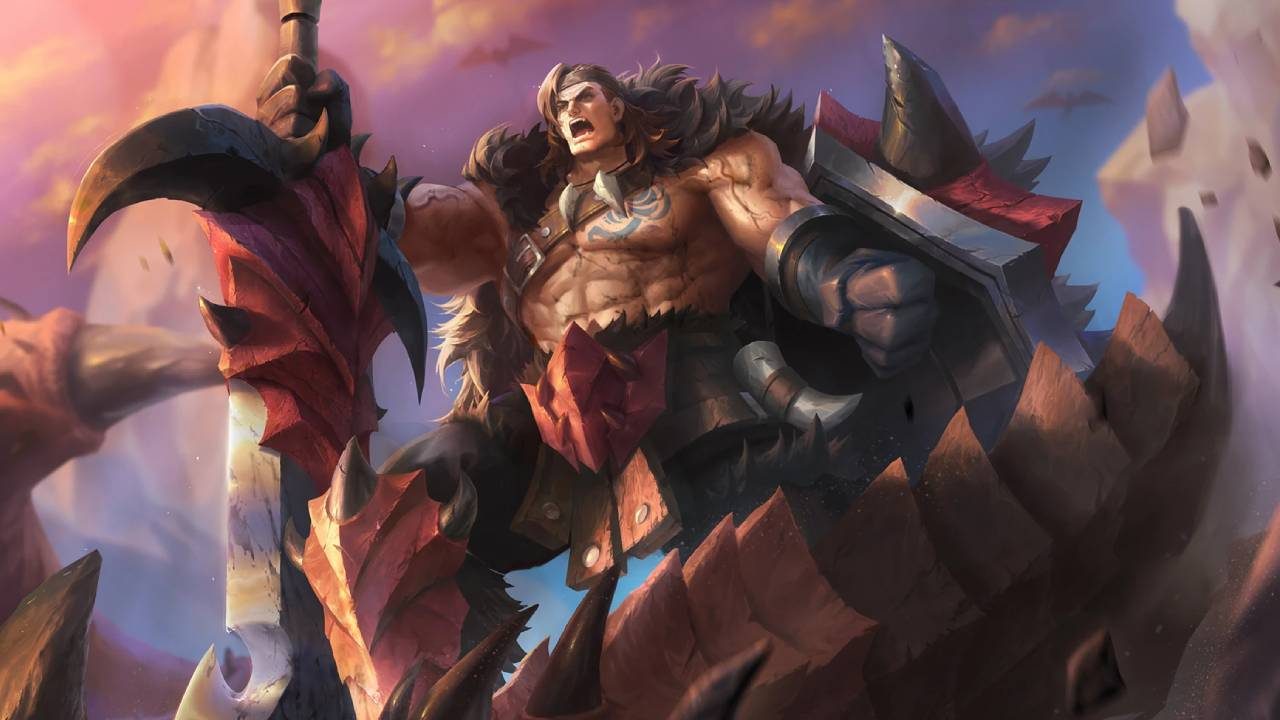
In the EXP lane: Balmond soaks up whatever you throw at him and Ruby never lets go
Balmond heals when he kills Minions, Creeps or heroes, rather than on every hit. He can deal damage while moving, and his Ultimate adds damage based on the target’s missing HP. Start by practising safe approaches, then hold the finisher until the opponent is low.
Ruby is the next step: she lifesteals with every skill, dashes after each cast and drags and interrupts the enemies around her. She demands a bit more rhythm, and in exchange teaches the EXP lane's most important lesson: the fight isn't over until she says so.
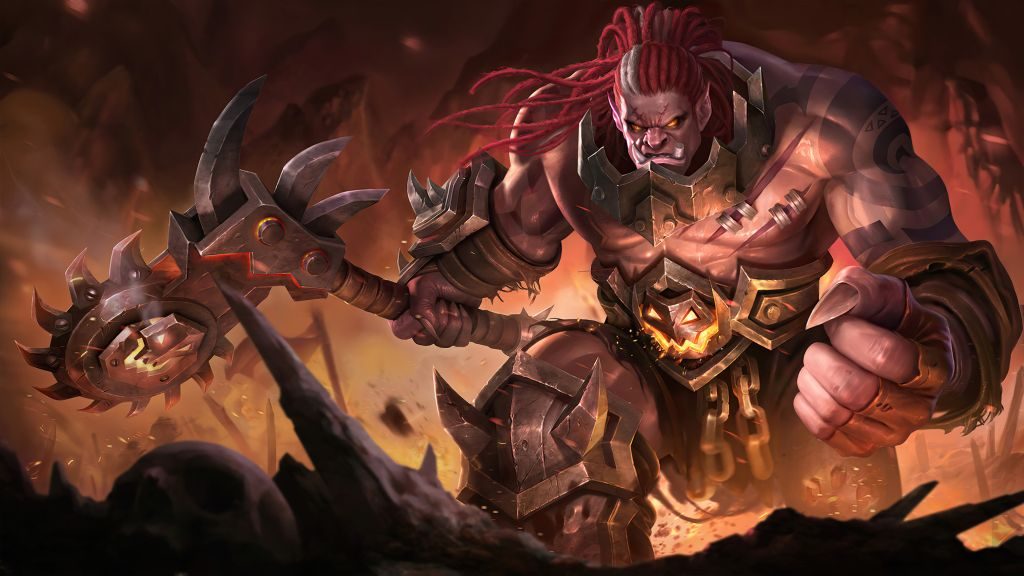
In the jungle: Saber teaches you to take kills in turns and Karina finishes without aiming
Saber is the best assassin school the game has. His plan fits in one line from his own guide: find the squishy hero with no help nearby, delete them with his lockdown combo and get out before anyone reacts. That cycle of picking a victim, executing and leaving is the entire role in miniature, and Saber runs it with abilities that barely can miss.
Karina is the backup for when Saber's combo starts feeling short: her third hit on the same enemy unloads bonus damage and killing the marked target within five seconds resets her Ultimate, so she walks into fights others started and chains them together. Zero aim required, all opportunism.
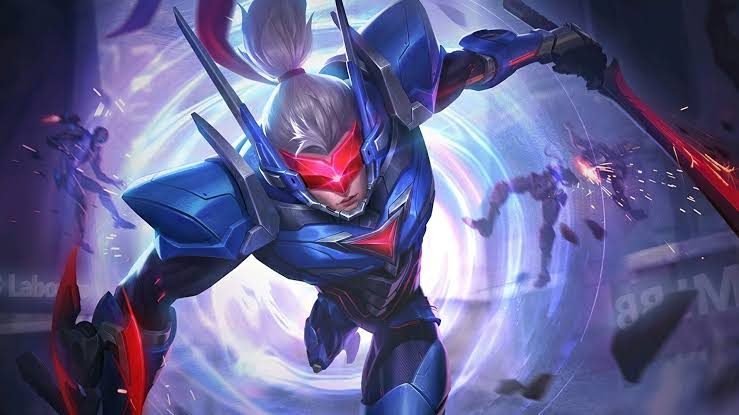
In the mid lane: Eudora deletes heroes with no aim required and Nana forgives you one death
Eudora carries one of the clearest single-target threats in the game, and the beginner-friendly part is how she does it: with targeted abilities that never ask you to aim. Her skills reduce Magic Defense and focus damage on one target. Look for a vulnerable opponent and a safe opening to chain them. You learn cooldown management without fighting your own thumbs.
Nana adds control and a life insurance policy: she turns whoever comes close into a plush toy, chains the stun and her passive gives her one chance to escape certain death. Her guide flags the trap, mind you: playing as if that passive were infinite still costs games.
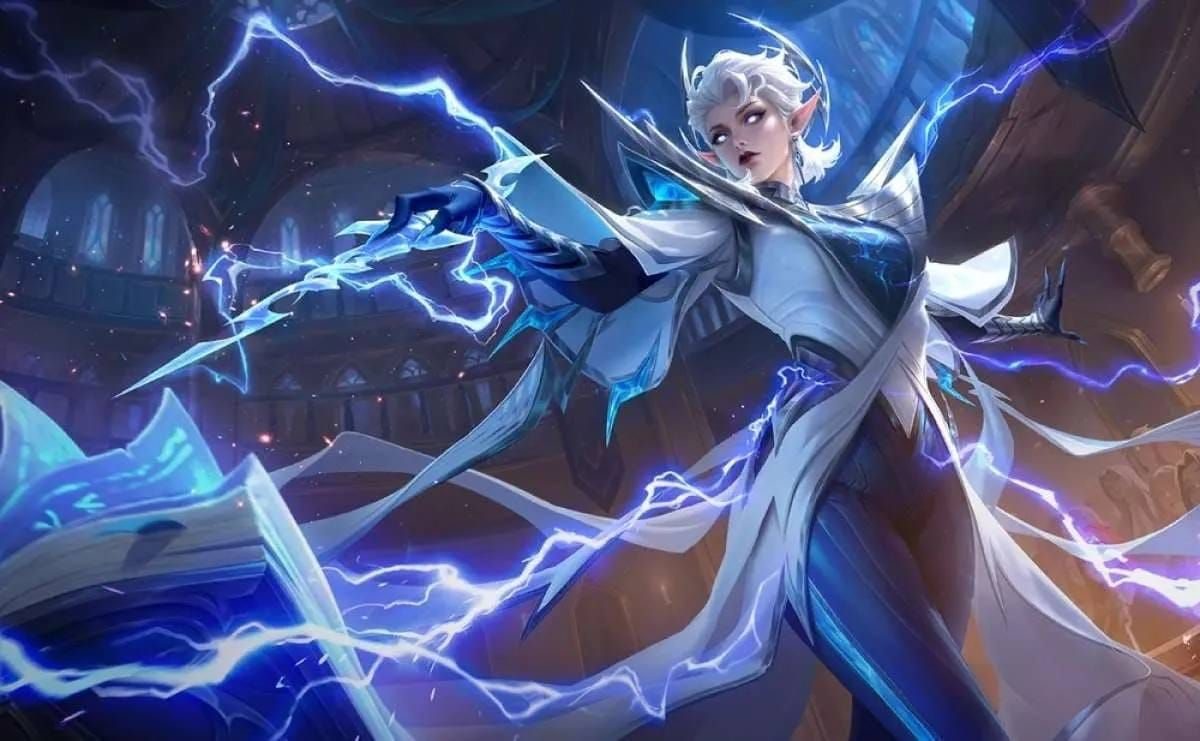
As a support: Rafaela teaches you the map and Estes keeps alive people who shouldn't be
Rafaela does three things and all three are lessons: she speeds up and heals the team, reveals and slows enemies, and cuts off an engage with her stun. As her own guide puts it, her game is won by keeping allies moving, and that habit of watching the map instead of your own hero is what separates a support from a passenger.
Estes is the backup for teams that actually stick together: he bonds to an ally and extends boosted healing to everyone inside his radius. Grouping makes Estes’s healing easier to share, but also exposes several allies to enemy area damage.
Those twelve pages are a full squad for your first fifty matches, and the rest of the roster can wait quietly until the game itself starts asking for it.
Check hero names and skills through the official game site. Our roles and lanes guide helps place your chosen hero, while the Battle Points guide covers unlocking more characters.

The conversation starts here
Sign in with a supporter account to comment. Sign in
Nobody has commented yet. Want to go first?