
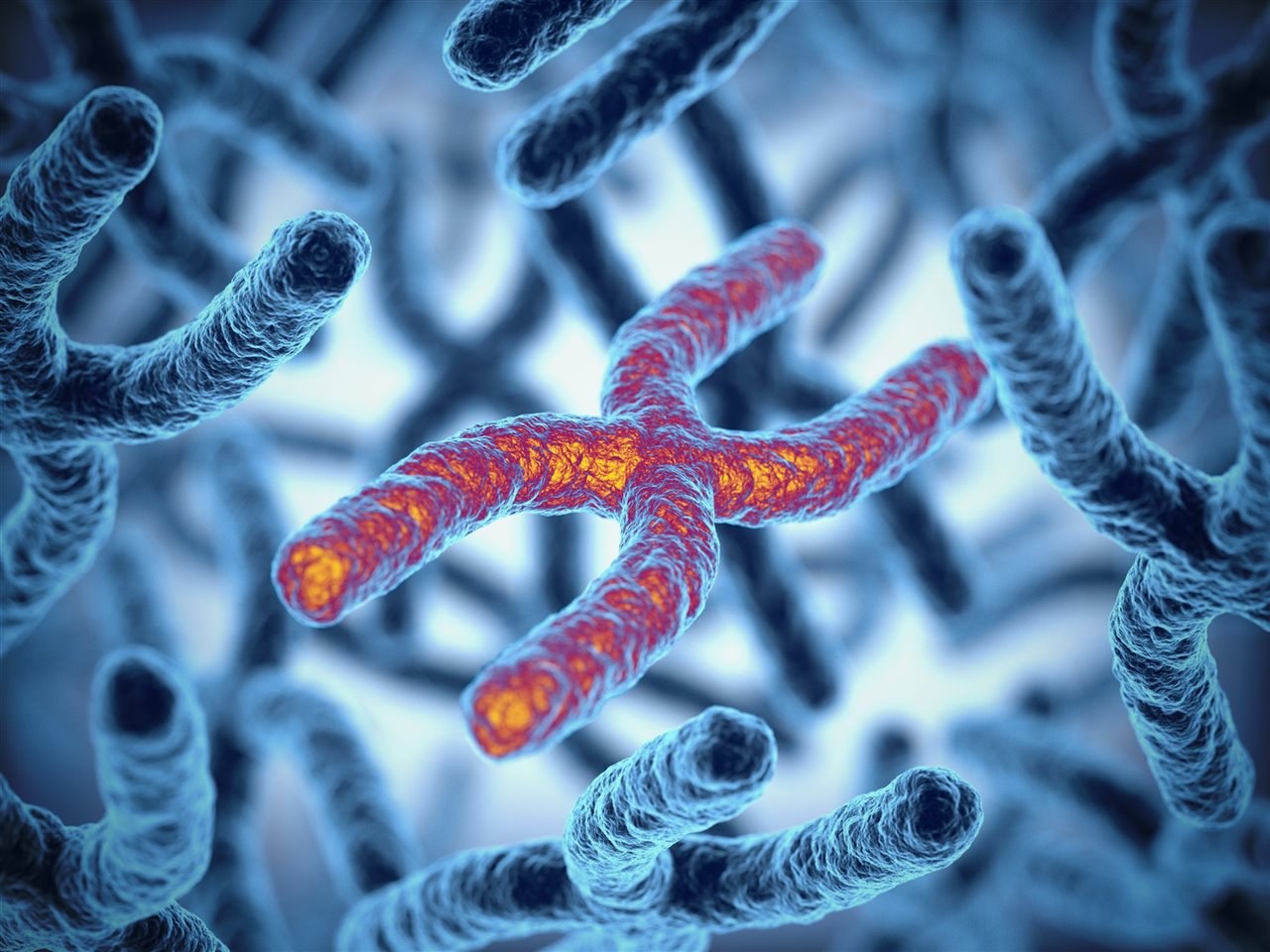
Take a second to look at your shoelaces. Each tip has a little plastic cap, the aglet, that stops the lace from fraying into a useless tangle. Well, it turns out your chromosomes, those packages where you keep your DNA, wear exactly the same thing. They're called telomeres, and they're the caps that protect the ends so the information inside doesn't get ruined.
The problem, and half the mystery of aging comes from here, is that those caps don't last forever. They wear down little by little, and when they run out, the cell is in real trouble. Understanding telomeres means peering at a kind of countdown you've carried inside since the day you were born.
An hourglass in every cell
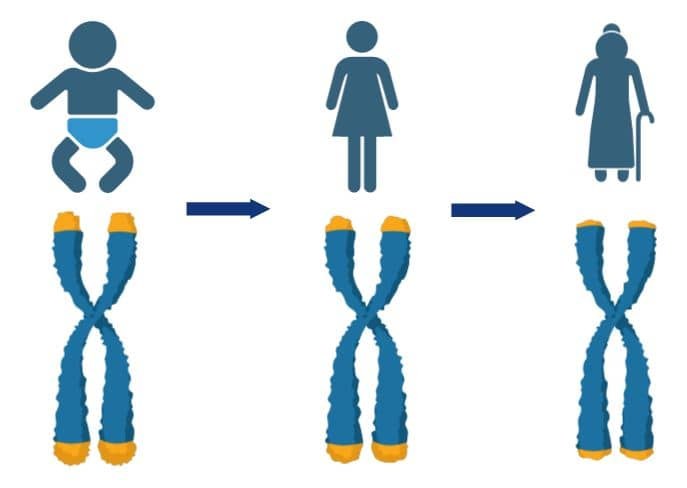
Your cells divide nonstop to keep the body running, to heal a wound or swap old skin for new. But every time a cell copies itself, the machinery that duplicates the DNA doesn't quite reach the very tip, so the telomere ends up a touch shorter with each division. It's like an hourglass that drops a few grains every time the cell reproduces.
And that reel isn't infinite. Decades ago scientists worked out that a normal human cell can only divide about fifty times, something they named the Hayflick limit, after the researcher who spotted it. When telomeres get too short, the cell notices and retires, it stops dividing, slips into a kind of standby or simply dies. Telomeres are, deep down, the fuse that marks how much time is left.
Why this is one of the keys to why we age
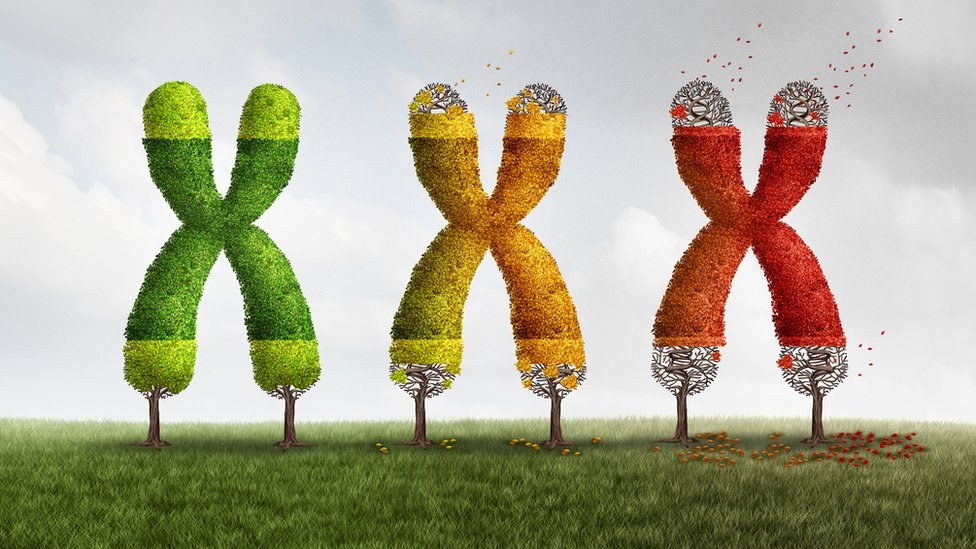
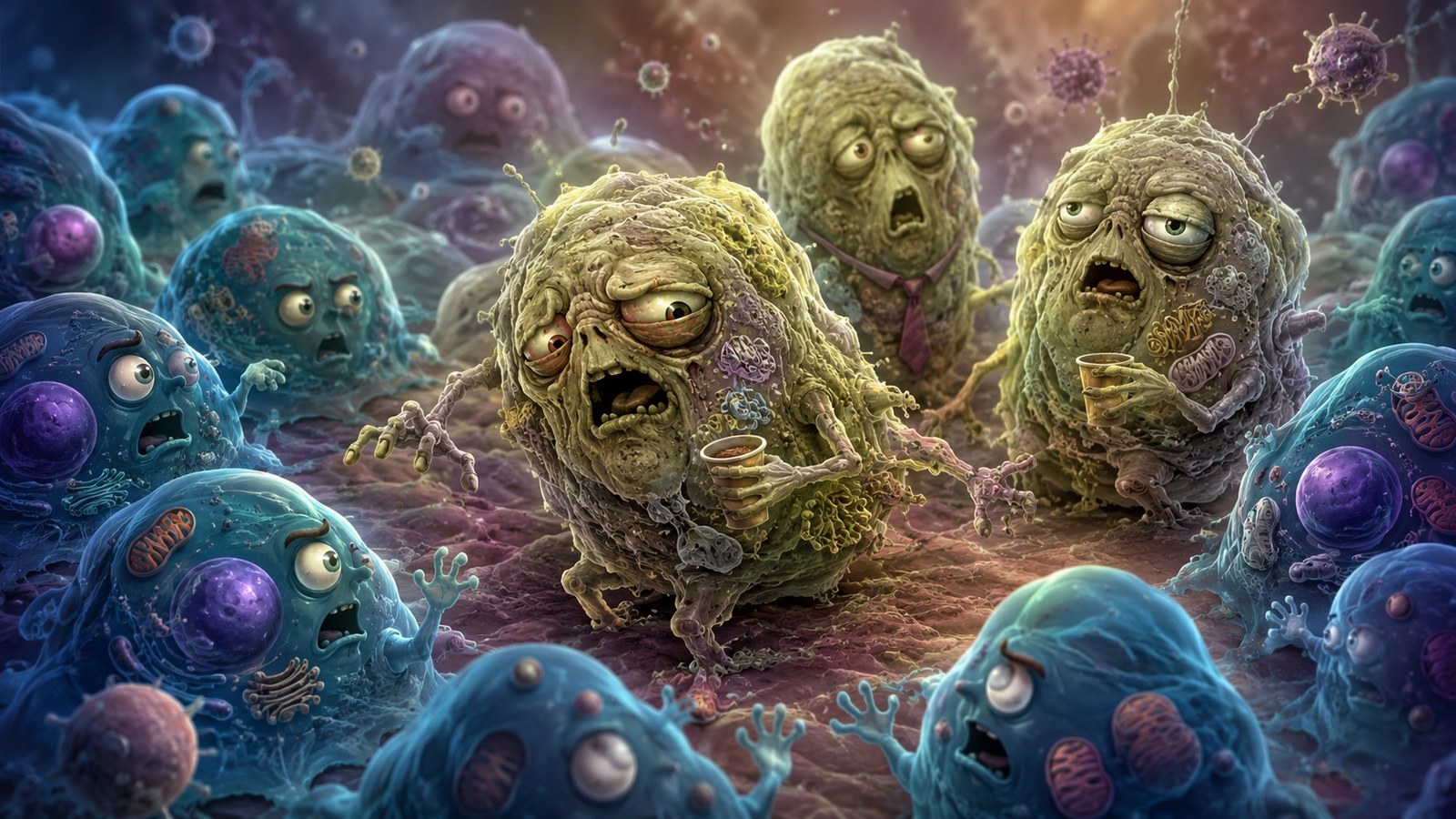
Here's the link with age. As we get older, cells all over the body pile up divisions and their telomeres shorten. With the caps worn down, tissues renew worse, they fill up with retired cells that no longer do their job well, and that shows up as many of the signs we associate with getting older. It's not the only reason we age, far from it, but it is one of the big ones, and we cover it alongside the others in why we age.
And part of it is in your hands, though with caveats. Several studies link tobacco, obesity or chronic stress with shorter telomeres, while exercise, good sleep and a decent diet are tied to keeping them better. Careful, these are associations, not a magic formula, but they suggest the pace of that countdown isn't entirely carved in stone.
Telomerase, the enzyme that rewinds the clock (and its dark side)
So is there no way to top the caps back up? There is, and it's called telomerase. It's an enzyme able to rebuild telomeres, to lengthen them again like someone replacing worn-out rope. The body keeps it very active in stem cells and in the ones that form eggs and sperm, which need to stay young at all costs. Working out how all this functions won Elizabeth Blackburn, Carol Greider and Jack Szostak the Nobel Prize in Medicine in 2009.
But watch out, because here's the catch. Cancer cells also know how to switch telomerase back on, and they use it to become immortal and never stop dividing. In fact, the vast majority of human tumors pull this trick to avoid ever dying. That's why lengthening telomeres by brute force is playing with fire, because what would slow aging on one side could send your cancer risk soaring on the other.
So, can we lengthen them and live longer?
The million-dollar question. Science has spent years looking for ways to protect or reactivate telomeres in a controlled way, without waking the cancer monster, and it's one of the hottest fronts in the fight against aging. But let's be honest, today there's no miracle pill that extends your life by lengthening your telomeres, and anyone selling you that is selling expensive smoke.
Telomeres are an hourglass that's beautiful to understand, but they're not the whole clock, and they're certainly not your sealed fate. They're one more piece of that huge puzzle that is living longer and better, a puzzle where some people already dream of stopping the count of years altogether. In the meantime, what we do know is almost boring in how sensible it is, move, sleep and take care of yourself, because your telomeres, it seems, like the quiet life.
The conversation starts here
Sign in with a supporter account to comment. Sign in

Nobody has commented yet. Want to go first?