
Aging isn't one thing, it's many at once
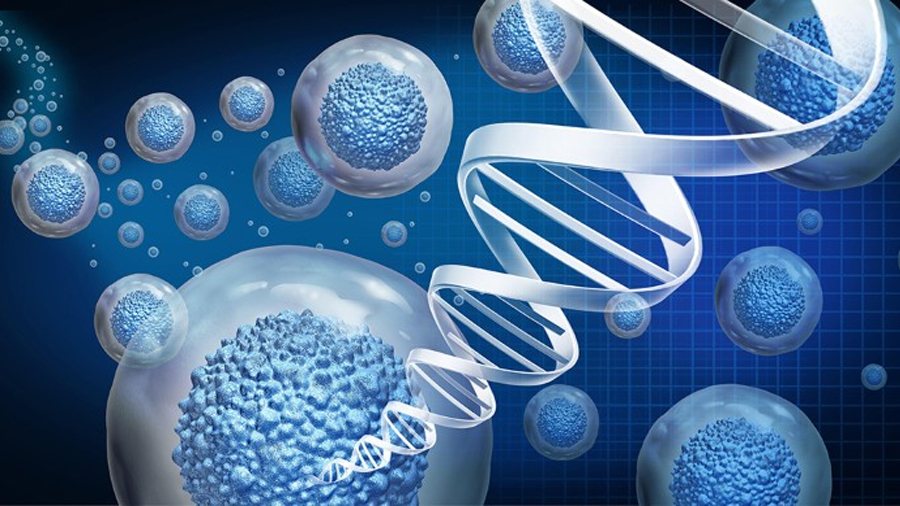
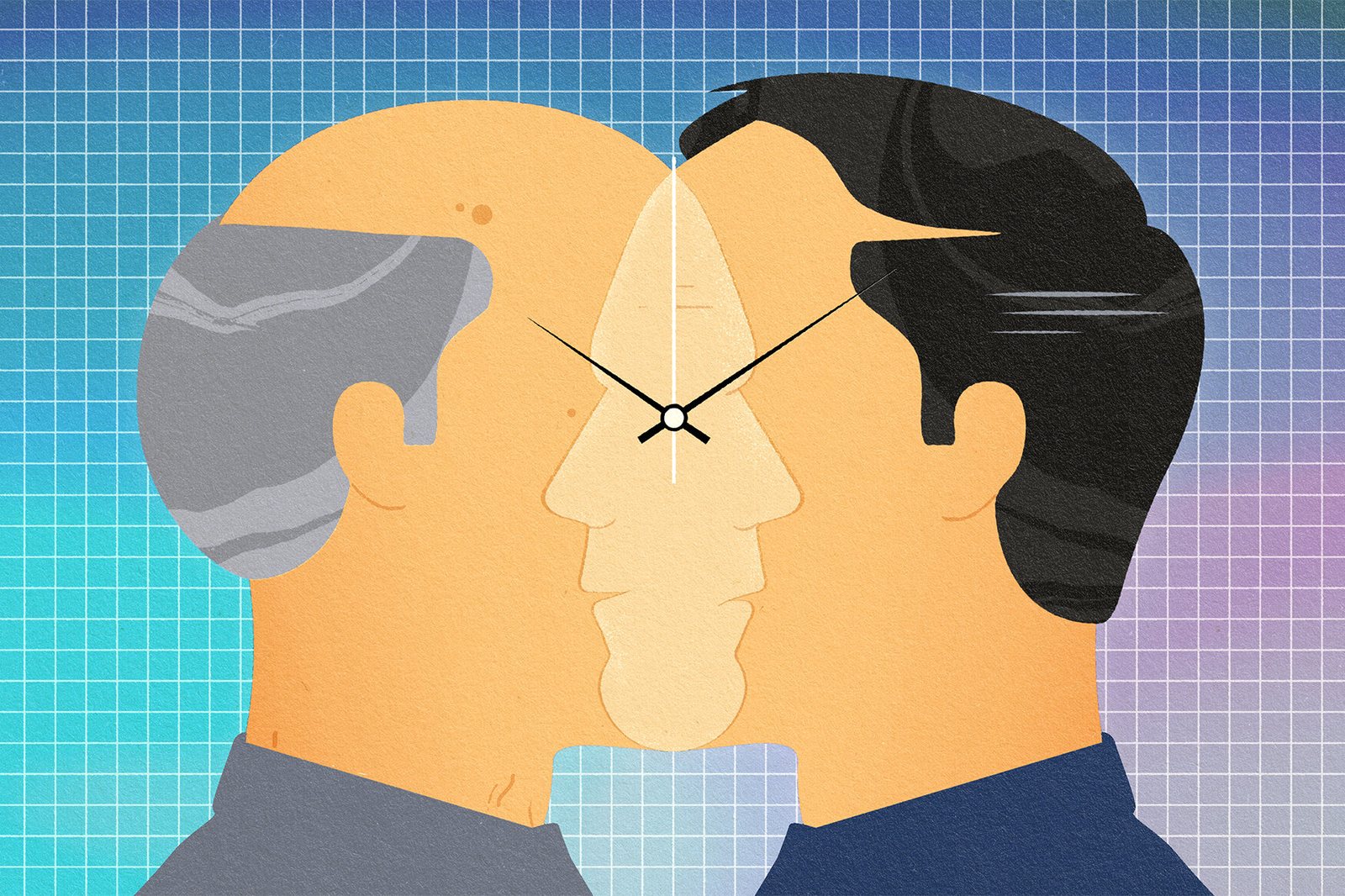
We tend to think of aging as a clock ticking forward, full stop, something inevitable and mysterious. But modern biology sees it in a far more useful way: as a collection of specific breakdowns piling up in your cells over the years. Scientists call them the hallmarks of aging, and having them pinned down is half the battle, because a fault you can point at is a fault you can, in theory, try to fix.
The underlying idea is simple and revolutionary at once: if aging isn't a vague curse but a sum of measurable damage, then slowing it stops being science fiction and becomes an engineering problem. Let's go through the main pillars one by one, no lab coat, no jargon, because each of them is now a target for the therapies already reaching people.
The fraying cables and the zombie cells
Let's start with telomeres. Picture the ends of your chromosomes as the plastic tips on shoelaces: every time a cell divides, that tip gets a little shorter. When it wears out completely, the cell can no longer divide properly, and that's where trouble starts. It's one of the internal clocks marking how many times a cell has copied itself across your life.
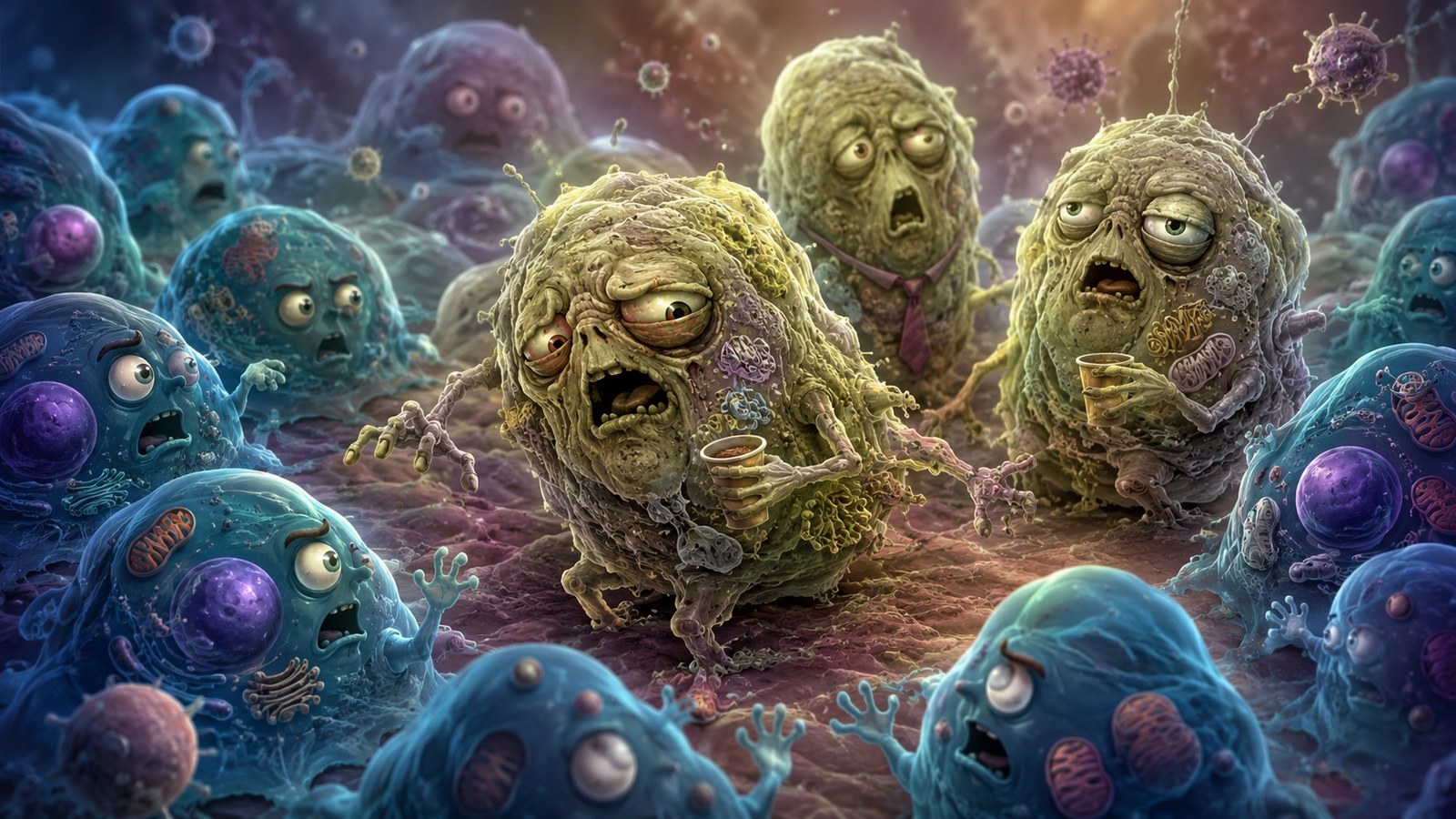
When that limit is reached, some cells enter a zombie state rather than dying cleanly. These are senescent cells, the targets of experimental senolytic drugs, and they accumulate with age while releasing inflammatory signals that damage surrounding tissue.
When the cell «forgets» who it was: epigenetics
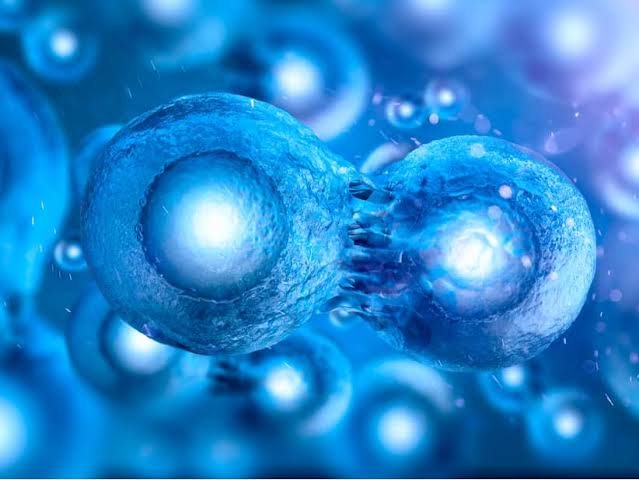
This pillar is the most fascinating, and the one making the most headlines. All your cells carry the same DNA, but one is skin and another is liver because each reads only the part of the manual it's meant to. Over the years, the marks telling a cell «you're skin, use these pages» get smudged, and the cell starts to forget who it is. That disorder is called epigenetic change, and it's now considered one of the central engines of aging.
The mind-blowing part is that this pillar seems reversible. Cellular reprogramming —the famous Yamanaka factors— is exactly about giving a cell back its original marks, reminding it who it was when it was young, without erasing its identity. It's the basis of almost the entire current rejuvenation craze, and of why we talk about «reversing» age and not just slowing it.
The failing power plants and the exhausted repair crew
Two pieces are missing to complete the basic picture. The first is the mitochondria, the tiny power plants that fuel every cell. With age they turn inefficient and make more mess than they produce, so your cells run like an old car that burns double and pollutes triple. Less cellular energy means organs that perform worse, from muscle to brain.
The second is stem cell exhaustion, your body's repair crew. When you're young you have a deep roster ready to replace what breaks; over the years that roster shrinks and tires, and repairs arrive late and badly. That's why a wound takes longer to close at sixty than at twenty. When the crew that fixes the other pillars ages too, the decline speeds up on its own.
Can any of this be slowed?
Here's the hopeful part, feet on the ground. For the first time, each of these pillars has labs aiming concrete therapies at it: drugs that sweep away zombie cells, reprogramming that rewinds the epigenetic clock, treatments that look after the mitochondria. It's no longer philosophy, it's a field with trials underway —including the first serious attempt to rejuvenate human cells—.
Now the mandatory caution: spotting a fault isn't the same as knowing how to fix it without breaking three others, and the human body is fiendishly complex. No serious person promises you immortality by next Tuesday. But for the first time in history, aging has stopped being an inevitable taboo and become a list of problems with names attached. And problems with names, sooner or later, science finds their weak spot.
The conversation starts here
Sign in with a supporter account to comment. Sign in

Nobody has commented yet. Want to go first?