
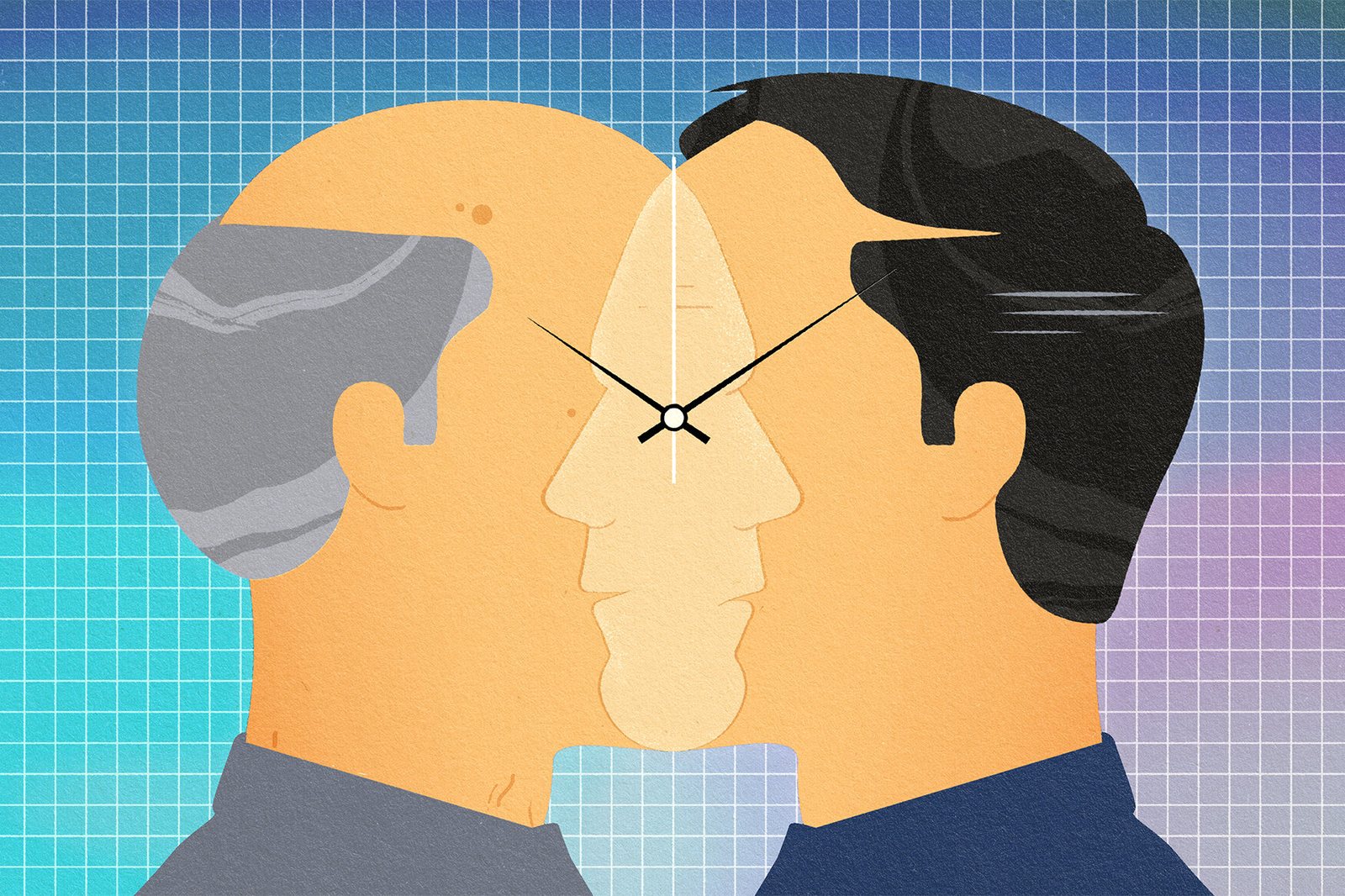
Your ID says 45. A blood test may put your body at 41, while a saliva kit places it at 48. All three numbers can be valid within the method that produced them. That is where the trouble begins.
Estimating biological age means measuring signals that change as the body deteriorates, then comparing them with data from thousands of other people. Blood pressure, lung capacity, strength, blood proteins and chemical marks on DNA can all feed the calculation. The result is a statistical estimate of how you are ageing, not a second birthday hidden inside your cells.
There is no universal test. Ageing is made up of several kinds of cellular damage, and every clock selects a subset to build its score. That is why routine blood work, a physical assessment and an epigenetic clock, a calculation built from chemical marks on DNA, can return different ages.
What a biological age test measures
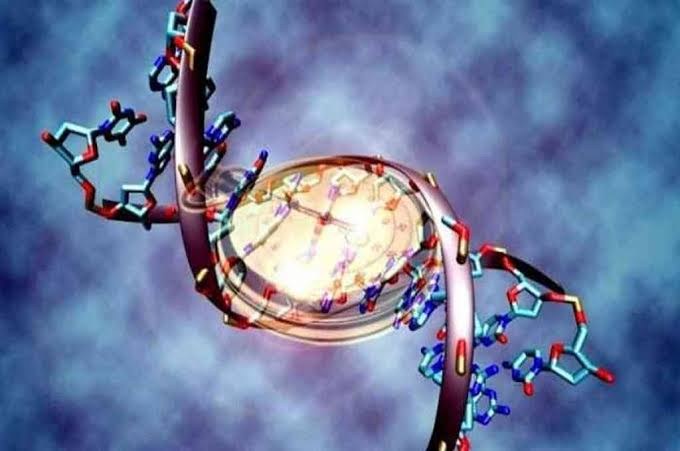
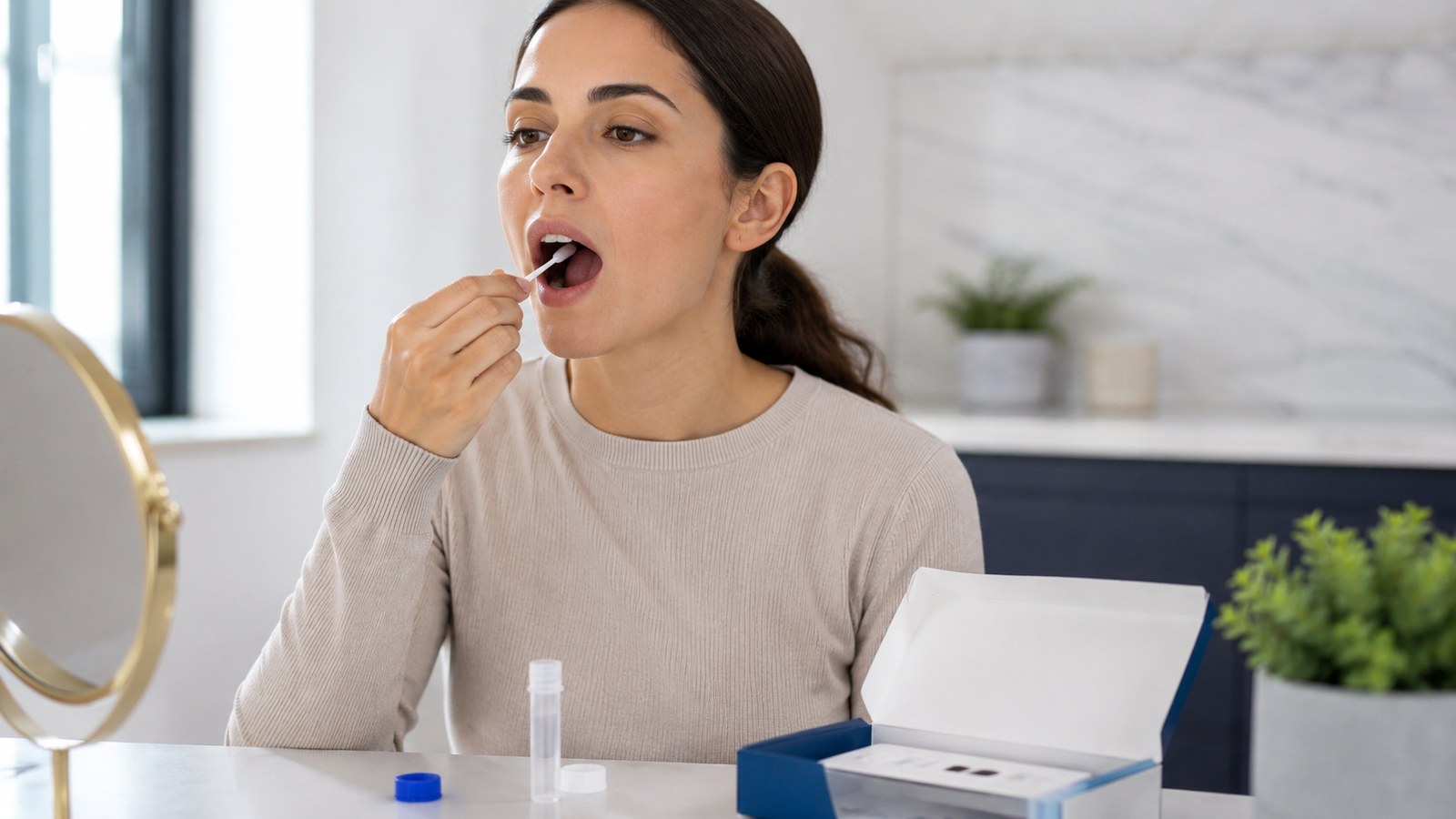
The best-known consumer tests use blood, saliva or cells collected from inside the cheek. A laboratory reads DNA methylation, tiny chemical marks that help regulate which genes are active. Our guide to epigenetics explains that system in full. For this article, the important point is that methylation patterns change in a reasonably predictable way as people grow older.
In 2013, Steve Horvath built one of the foundational clocks from 8,000 samples covering 51 tissues and cell types. His calculation examined 353 DNA sites and estimated chronological age with a typical error of roughly 3.6 years. The model learnt the trick by pairing methylation marks with the known ages of thousands of people until it recognised which combinations tended to appear at each age. Give it your marks and it looks for the closest match. That is how chemical tags become a number of years, although matching a birthday and measuring health remain different jobs.
Later generations changed the target. Horvath's clock tries to estimate how old you are. PhenoAge and GrimAge were trained on disease and mortality data, so their numbers are closer to risk scores than birthdays. DunedinPACE measures how quickly someone is ageing and returns a pace instead of an age: faster or slower than the norm. A score of 0.92 means 0.92 biological years for every calendar year. Those are three different products, and buyers should know which one they are getting.
Why two tests can give you different ages
The clock, sample and training population, the group used to teach the model, all change the answer. A clock built for blood cannot automatically be transferred to saliva, because every tissue carries a different methylation pattern. Age and background matter too: a clock trained mostly on 60-year-olds in the US may drift when it measures a 35-year-old in Spain.
The largest comparison so far tested 14 clocks in 18,859 people and tracked 174 diseases over ten years. The Nature Communications study found stronger associations for second- and third-generation clocks, particularly around respiratory and liver disease. It also reached a clear conclusion for anyone buying ‘their age’ as a fixed number: there is no single gold standard for biological ageing.
Before paying, look for the precise clock name, the sample it requires, its error range and evidence that researchers unaffiliated with the company have tested the commercial product. Research supporting the original calculation does not automatically validate a company's version of it on a swab sent through the post. A website that hides its method while promising a personalised score is asking for trust where it should provide data.
Can it tell you how long you will live — or prove rejuvenation?
A biological age test cannot tell you how many years you have left or whether you will reach longevity escape velocity, the hypothetical point at which medicine adds more than a year of life for every year that passes. Some clocks are associated with disease, disability and mortality across large populations, but turning those probabilities into an individual prognosis requires far more than one sample.
The 18,859-person study offers a useful sense of scale. After accounting for smoking, alcohol, body mass index and socioeconomic conditions, researchers found 176 strong links between clock readings and disease. Even then, adding a clock improved the ability to tell who would go on to develop disease and who would not by more than one percentage point in only 32 cases. The clock adds information. In many cases, familiar risk factors continue to do most of the work.
Moving a biomarker and improving health must also be treated separately. A diet, drug or therapy might lower one clock before it has proved that it prevents disease or extends life. Drugs designed to clear zombie cells show the difference neatly: even if they moved the clock, researchers would still need to prove that people became less ill or lived better. These clocks will help study rejuvenation therapies that have begun reaching people, but trials still need outcomes that matter to patients, from preserving sight to living with less disease.
What I would check before buying a test
If curiosity is worth the price and you understand that you are buying an estimate, stick to the same laboratory, sample type and clock. Repeating it under similar conditions offers a better comparison than moving between companies in search of the youngest answer.
I would start with measures that already have clear clinical value: blood pressure, cholesterol, glucose, body composition, strength, sleep, smoking and physical activity. Bryan Johnson measures almost everything happening inside his body, yet the best-supported parts of his protocol remain far less exotic: sleep, exercise, a sound diet and professional management of known risk factors.
Before paying, ask for the exact clock name, sample type and error range in writing. If a result concerns you, take it to a doctor alongside the original laboratory report, and do not change medication or supplements on your own. Does the test you are considering publish all three?
The conversation starts here
Sign in with a supporter account to comment. Sign in


Nobody has commented yet. Want to go first?