
A treadmill that suddenly runs backwards
Picture yourself running on a treadmill set slightly faster than you: however hard you push, the far edge creeps closer, slowly but surely. That's how ageing works today. The good news is that science already slows that belt down: it's estimated that every passing year, medical advances add roughly three months to average life expectancy. You gain time, but the belt still outruns you.
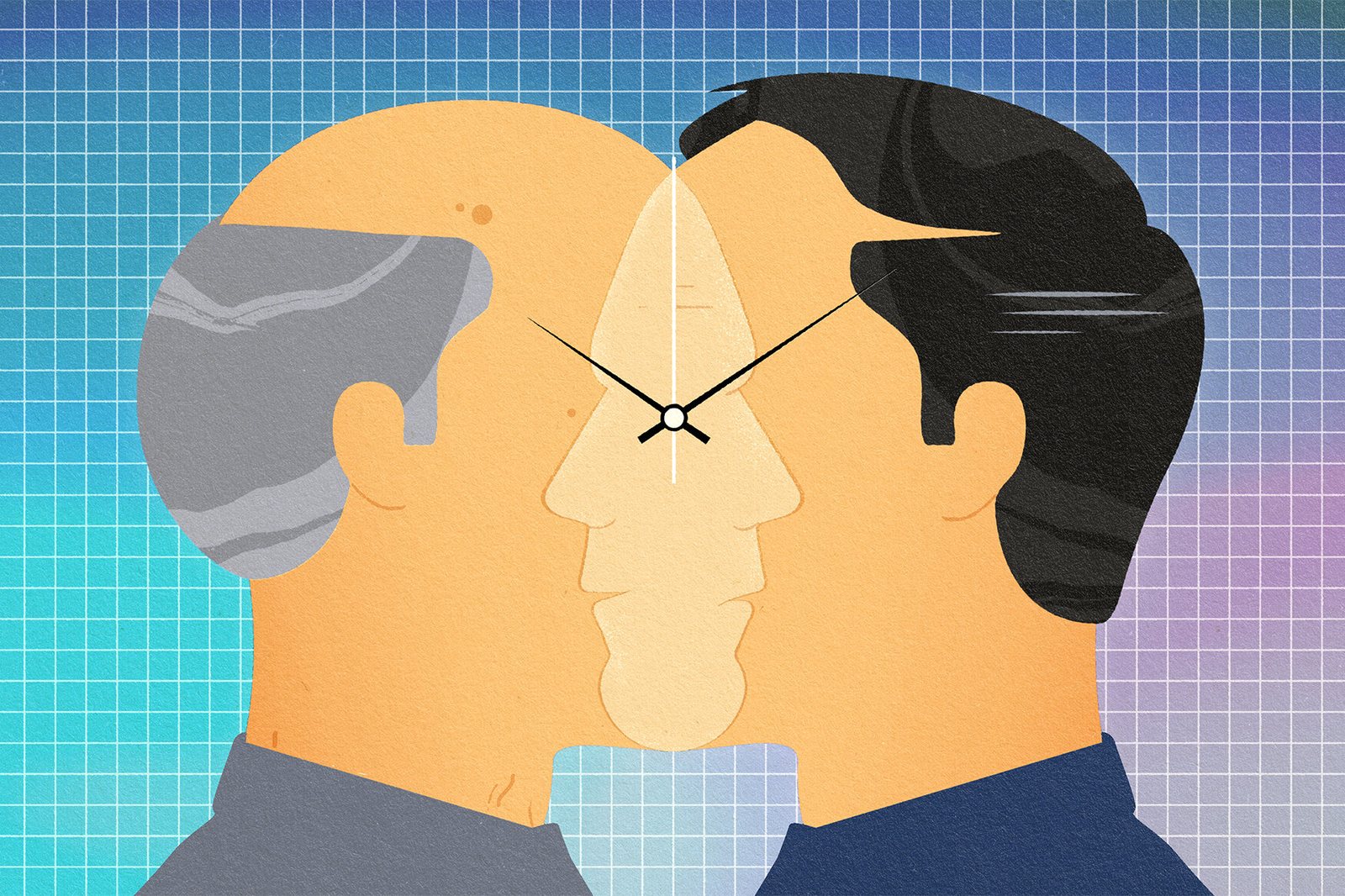
Longevity escape velocity is the point where that belt starts running backwards. It would happen the day medicine adds more than a year of life for every year you age: you turn one year older, science hands you back thirteen months, and the finish line recedes instead of nearing. The hypothesis concerns no longer dying of old age while medicine advances. It would not prevent accidents or other causes of death. The term was popularised by gerontologist Aubrey de Grey and futurist Ray Kurzweil, and it sounds like a tabloid headline until you see where it comes from.
Why it isn't sci-fi: damage can be repaired
The idea rests on a shift in perspective biology has been cooking for years. Ageing isn't an inevitable mystery but the build-up of specific damage: cells that stop dividing and get stuck, tissues that lose their internal clock, mutations that pile up. And specific damage can, in principle, be repaired.
This is where it stops being philosophy and becomes a lab. Cellular reprogramming with the Yamanaka factors we explained a while back can return an old cell to a younger state without erasing what it is. It's not blackboard theory: the first partial-reprogramming trial in humans has already begun. The key to escape velocity is that it doesn't hinge on a single miracle, but on the sum of many cellular repairs, gene therapies and organ treatments advancing at once and propping each other up. Each piece buys time for the next to arrive.
When would we get there? It depends a lot on who you ask
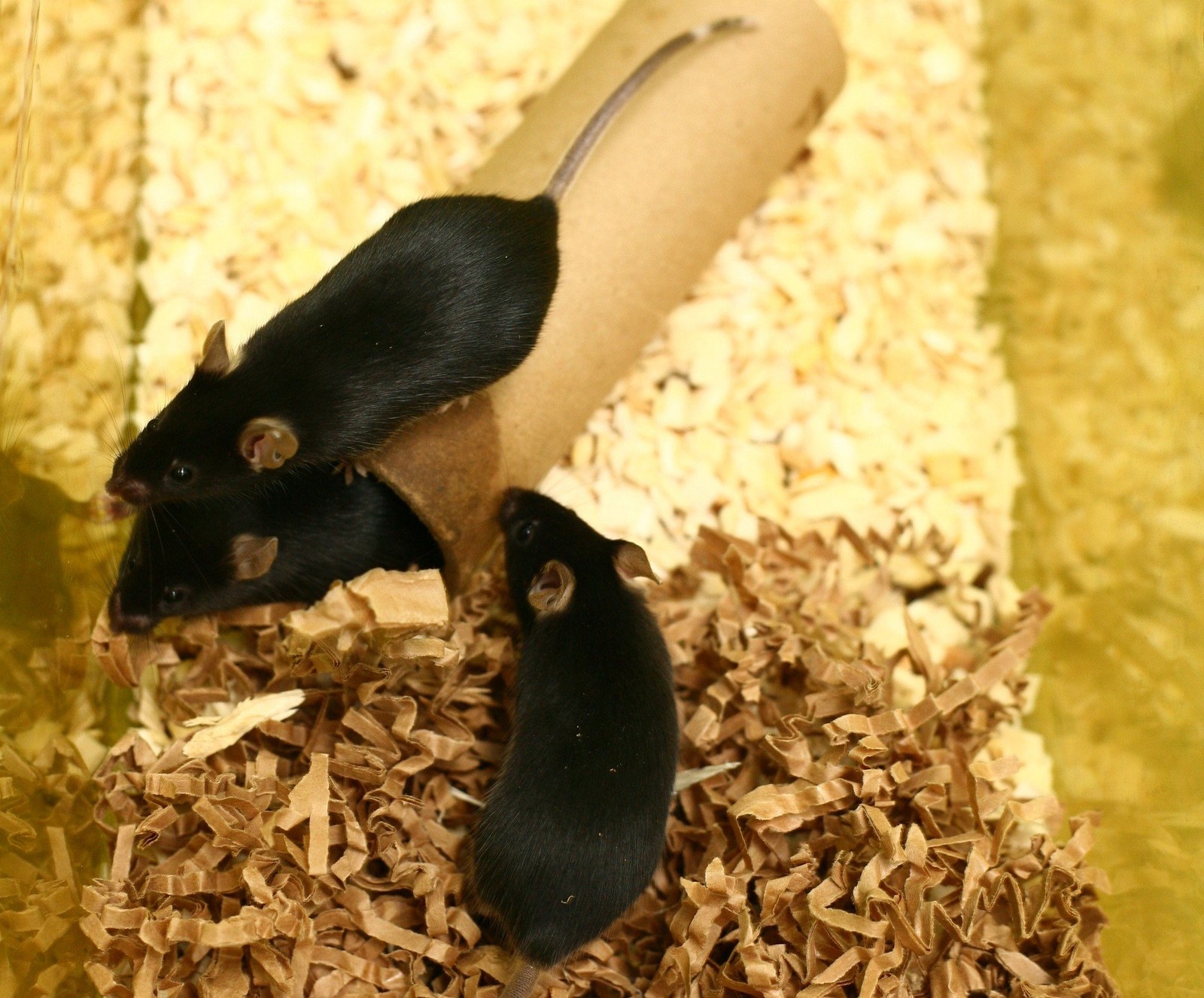
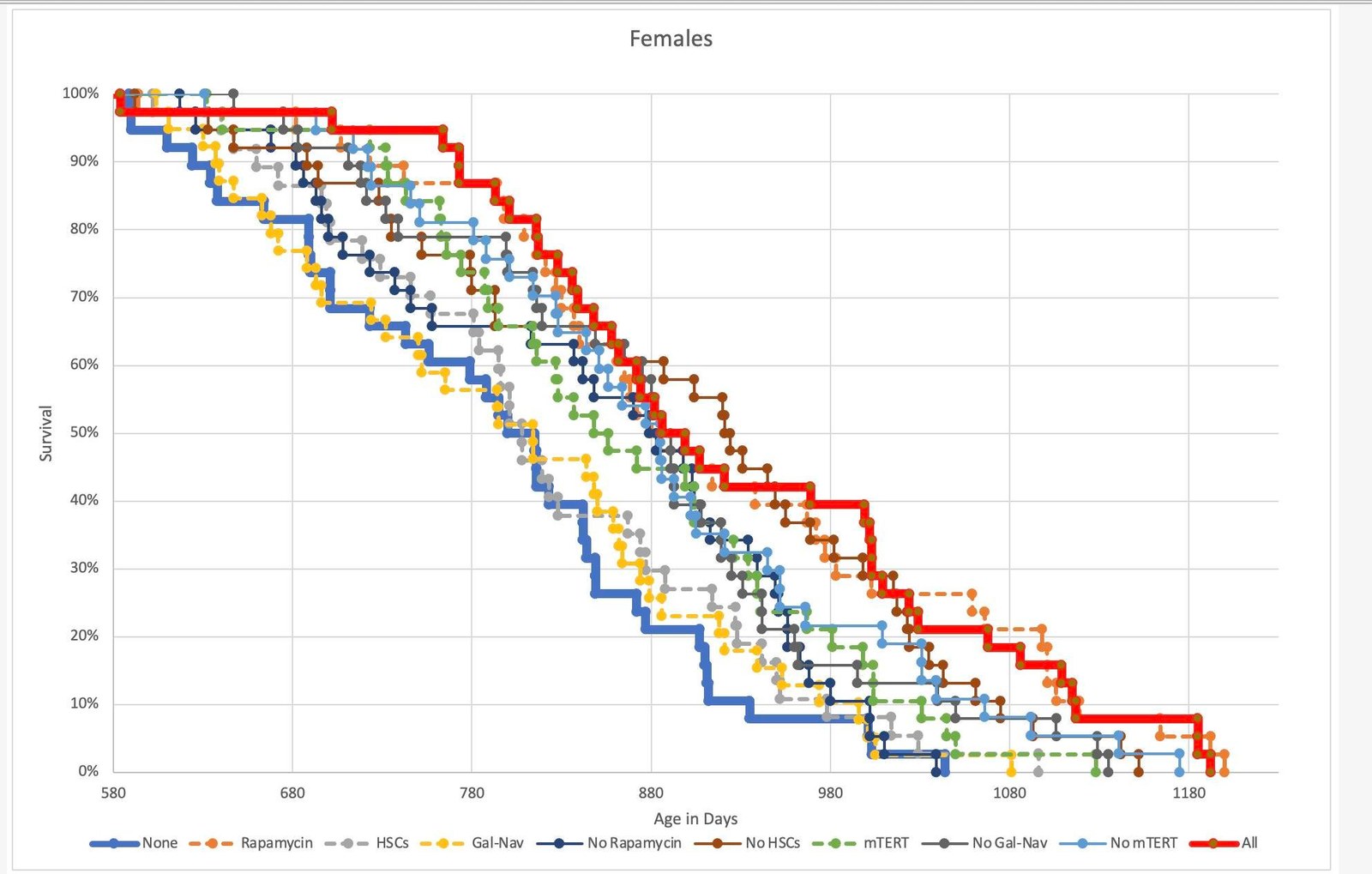
Caution is very much in order here, because the ones naming dates are almost always the most optimistic. Ray Kurzweil, with a striking track record of tech predictions, said in 2024 that escape velocity would arrive 'by the end of 2030'… with an uncomfortable footnote: for those in good shape and with means. Aubrey de Grey is more cautious on the date and blunter on the bet: he gives it over 50% odds by 2035, and his foundation is working to prove it first in mice, aiming to double the remaining lifespan of already-old mice.
The rest of the scientific community is considerably cooler. Many ageing researchers think these dates are far too cheerful, that a mouse isn't a person, and that repairing one kind of damage can uncover another. For example, excessive reprogramming can increase a cell’s cancer risk. Kurzweil's footnote also points at the most uncomfortable problem: if this arrives, it'll probably arrive first for those who can pay, and turning age into a matter of money is slippery ground.
What's actually worth watching
Rather than pinning a year on the calendar, the interesting thing is to watch the pace. Escape velocity won't be an announcement with fireworks, but a moment that may only be recognisable in hindsight, when the maths starts falling in our favour. And that pace is measured in concrete things: how many therapies reach people, what results they give and how long they take to get cheaper. Exactly what we'll follow in this section, one by one, separating medicine that works from a promise sold too well.
So the question isn't so much 'will we live forever?' as a more useful one: are you fit enough, today, to step onto that treadmill the day it starts running backwards?
The conversation starts here
Sign in with a supporter account to comment. Sign in

Nobody has commented yet. Want to go first?