
OpenAI put its model inside a longevity lab and came out with two upgraded factors
You open ChatGPT, ask it to summarise a 200-page report and have it in ten seconds. Nothing remarkable anymore. Well, the same kind of model, trained on a different raw material, has just done something far less everyday: redesigned the proteins that turn back a cell's clock. And it did it better than nature.
The story is from August 2025 and carries two names: OpenAI and Retro Biosciences, the rejuvenation company Sam Altman backed with $180 million of his own. Together they unveiled GPT-4b micro, a scaled-down version of their model trained not on internet text but on the language of proteins. The brief was specific: improve the Yamanaka factors, the four proteins that, discovered in 2006, return an adult cell to its youthful state.
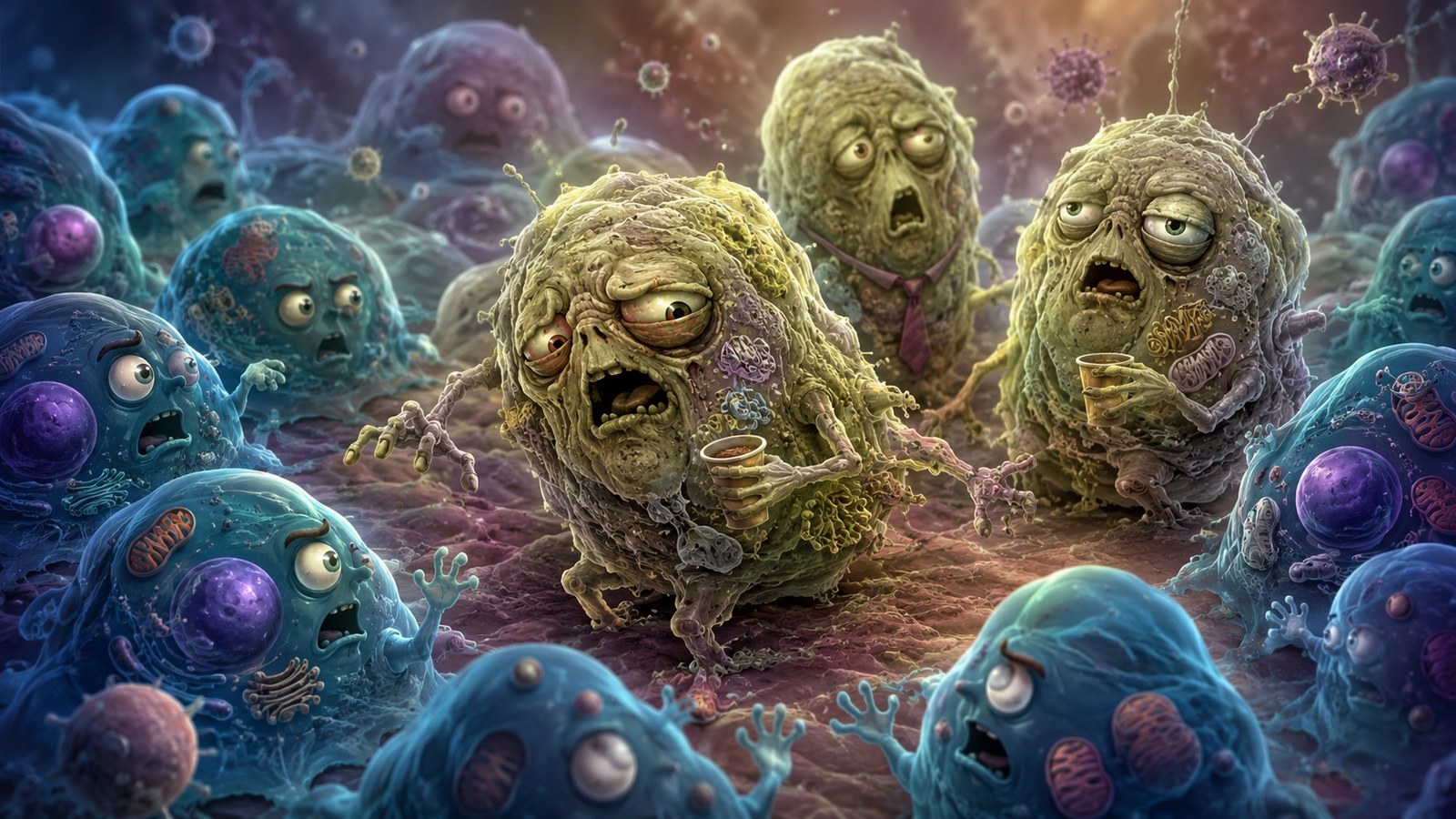
The model focused on two of those four factors, SOX2 and KLF4, and returned rewritten versions —dubbed RetroSOX and RetroKLF— that in the dish multiplied the expression of reprogramming markers more than 50-fold over the originals. And the underlying figure is big: in cells from donors over 50, more than 85% switched on key stem-cell markers by day 12, with less DNA damage thrown in. "When researchers bring deep domain insight to our language-model tooling, problems that once took years shift in days," summed up OpenAI's Boris Power. Mind you, this happens in a dish, not in a person yet; the direction of travel, though, is hard to argue with.
Before redesigning life, AI had to learn to read it
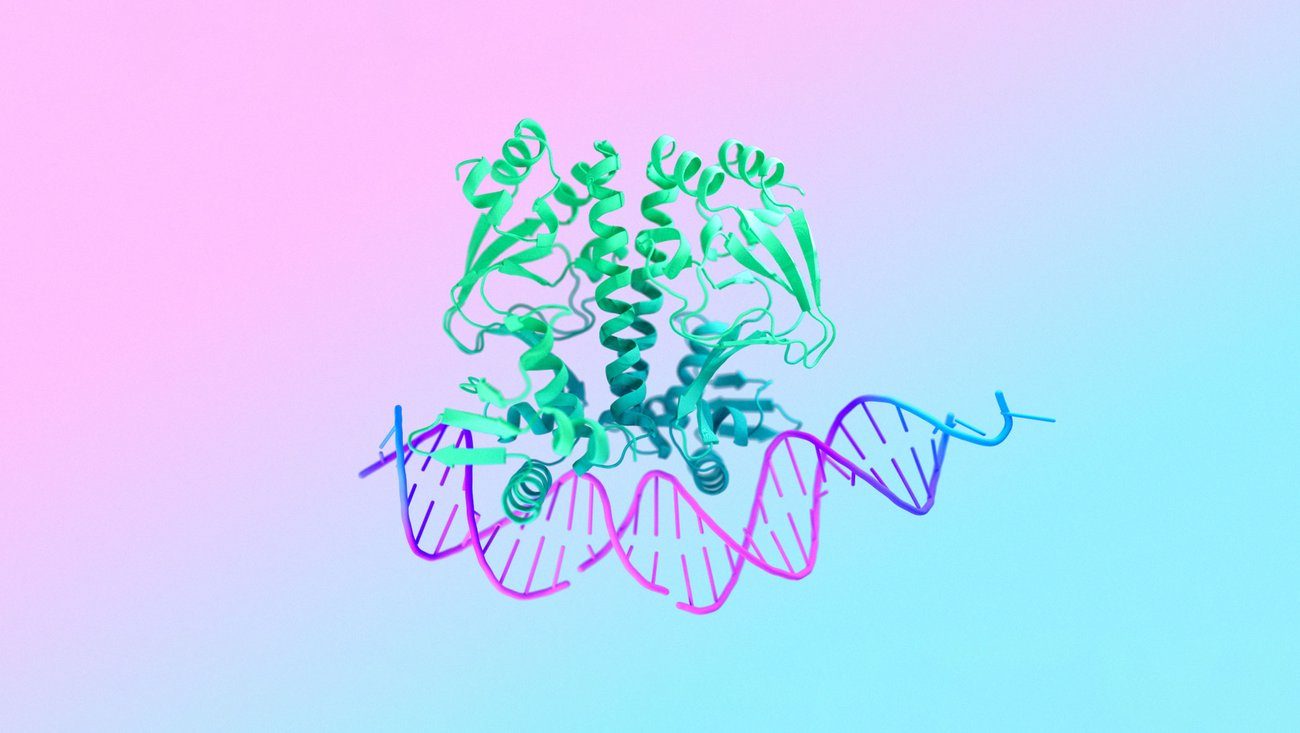
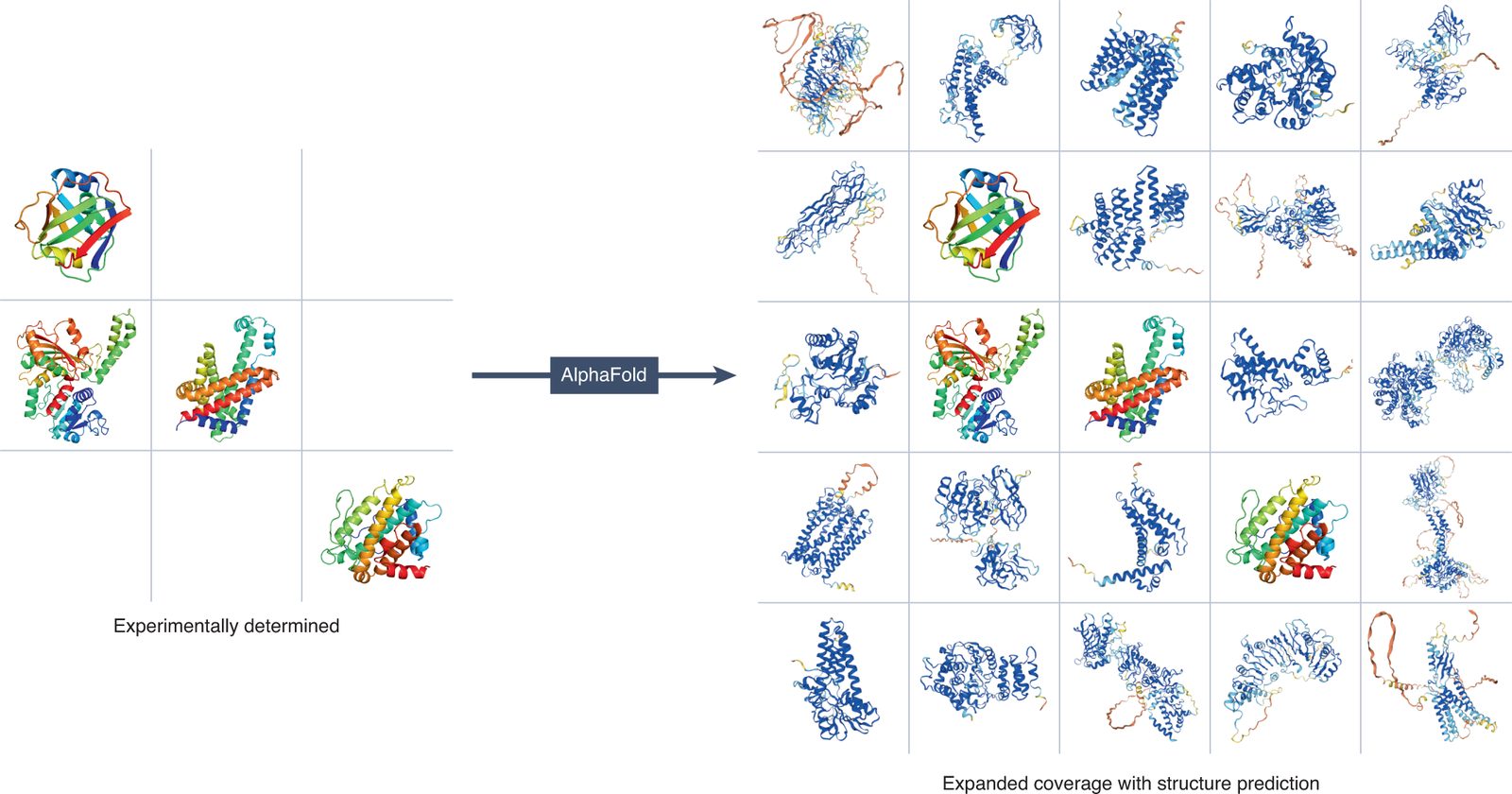
That a model can propose a better SOX2 doesn't come from nowhere: AI had spent years learning to read proteins. The leap came with AlphaFold, DeepMind's system that guesses a protein's three-dimensional shape from its sequence, the puzzle that used to cost years of lab work for each one. Its database now holds around 200 million structures —practically every known protein—, and the 2024 version, AlphaFold 3, goes further and predicts how those proteins latch onto DNA, RNA and drugs. Its creators, Demis Hassabis and John Jumper, won the 2024 Nobel Prize in Chemistry for it.
It sounds abstract until you remember what ageing is made of: proteins that fold wrong, cells that stop dividing, mechanisms that lose the thread. Having the blueprint of that machinery is exactly what this field was missing to stop working blind. With the map in front of you, finding which lever to pull stops being a lottery and starts to look like engineering.
From the screen to the clinical trial, and the clock that says if it works
And this has already left the theory behind. The company Insilico Medicine designed rentosertib, a molecule against idiopathic pulmonary fibrosis —a disease of tissues that age badly—, from start to finish with generative AI: the artificial intelligence picked the target and drew the drug. Its phase IIa results were published in Nature Medicine and the compound has entered phase III, the last one before approval. It is the first drug conceived entirely by AI to get this far.
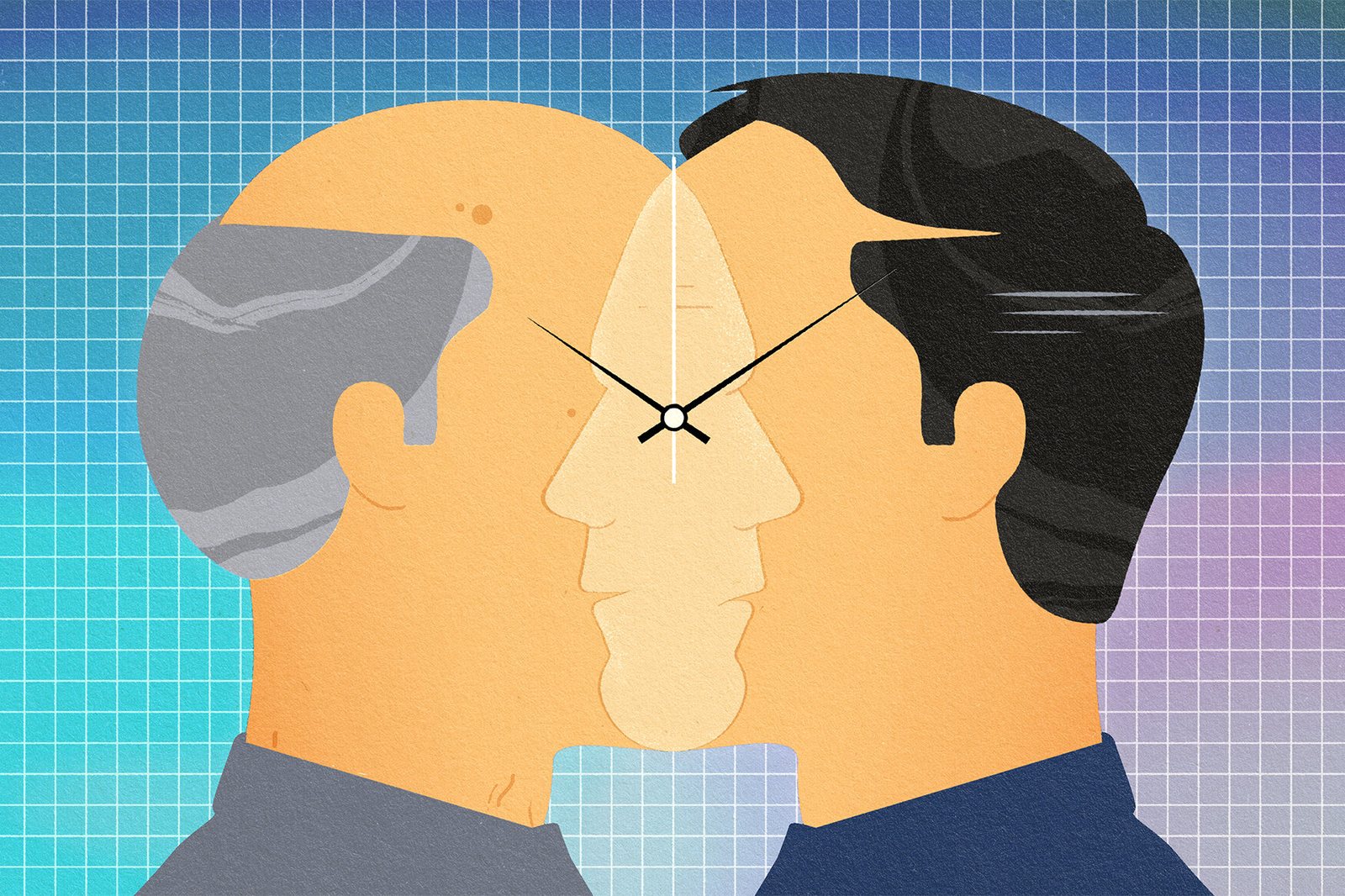
That leaves the other half of the problem: knowing whether any of this truly rejuvenates. Biological-age clocks and their limits offer one way to measure change by reading chemical marks on DNA. They matter as the first reprogramming trials begin reaching people, although no single clock can prove that a treatment has made someone healthier. Without reliable measures, the whole idea of 'longevity escape velocity' remains a slogan.
Why this is, above all, an artificial intelligence story
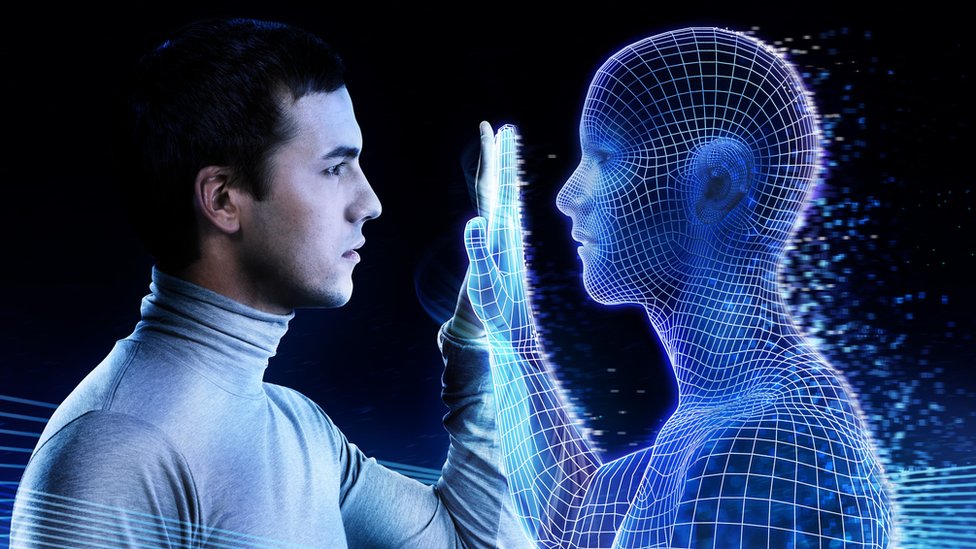
Here's the reason this story lives in our AI section and not in science at large. None of this is biology that suddenly runs faster on its own: it's biology that has been given a new engine, and that engine is artificial intelligence. That Sam Altman funds a cell company, that OpenAI trains a model for proteins, that DeepMind wins a Nobel for the same thing: it's all the same race seen from two sides, with AI's money and talent pushing biology along.
Now, the part worth saying plainly: AI proposes at a speed no human lab can match, but it doesn't skip the trials. A variant that shines in a dish still has to prove it in animals and in people, and no graphics card shortens that calendar. What has changed isn't the destination, it's the speed at which we're approaching it. The same technology that finishes your sentences today is learning to finish a much older one: the sentence written in your cells.
The conversation starts here
Sign in with a supporter account to comment. Sign in
Nobody has commented yet. Want to go first?