
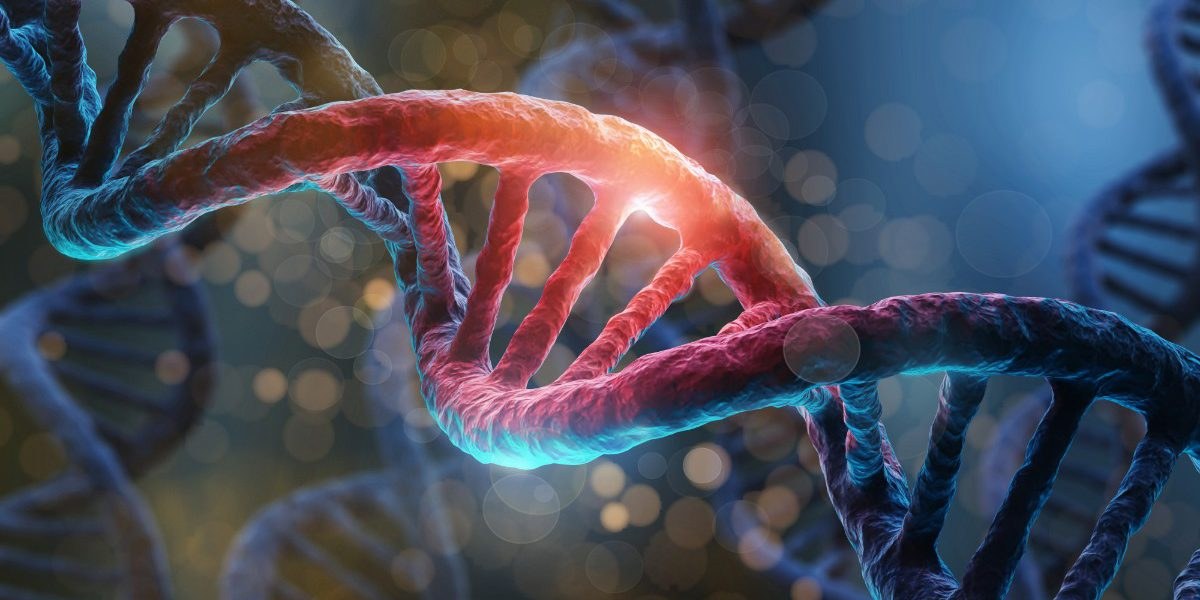
Take two cells from your body, a skin cell and a neuron, and open them up. Inside both you'll find exactly the same DNA, the same strip of instructions copied letter by letter. And yet one builds skin and the other carries thoughts. How can that be, if the manual is identical? Epigenetics answers that question, and once you get it you never look at your body the same way.
The word sounds intimidating, but the idea is simple. Epi means «on top of» in Greek, so epigenetics is, almost literally, whatever sits on top of the genes. Your DNA is the text of a huge book; epigenetics is the set of margin notes that decide which pages get read and which you skip. It doesn't change a single letter of the book. It just marks what's switched on and what's switched off.
Your DNA writes the script, epigenetics directs the shoot
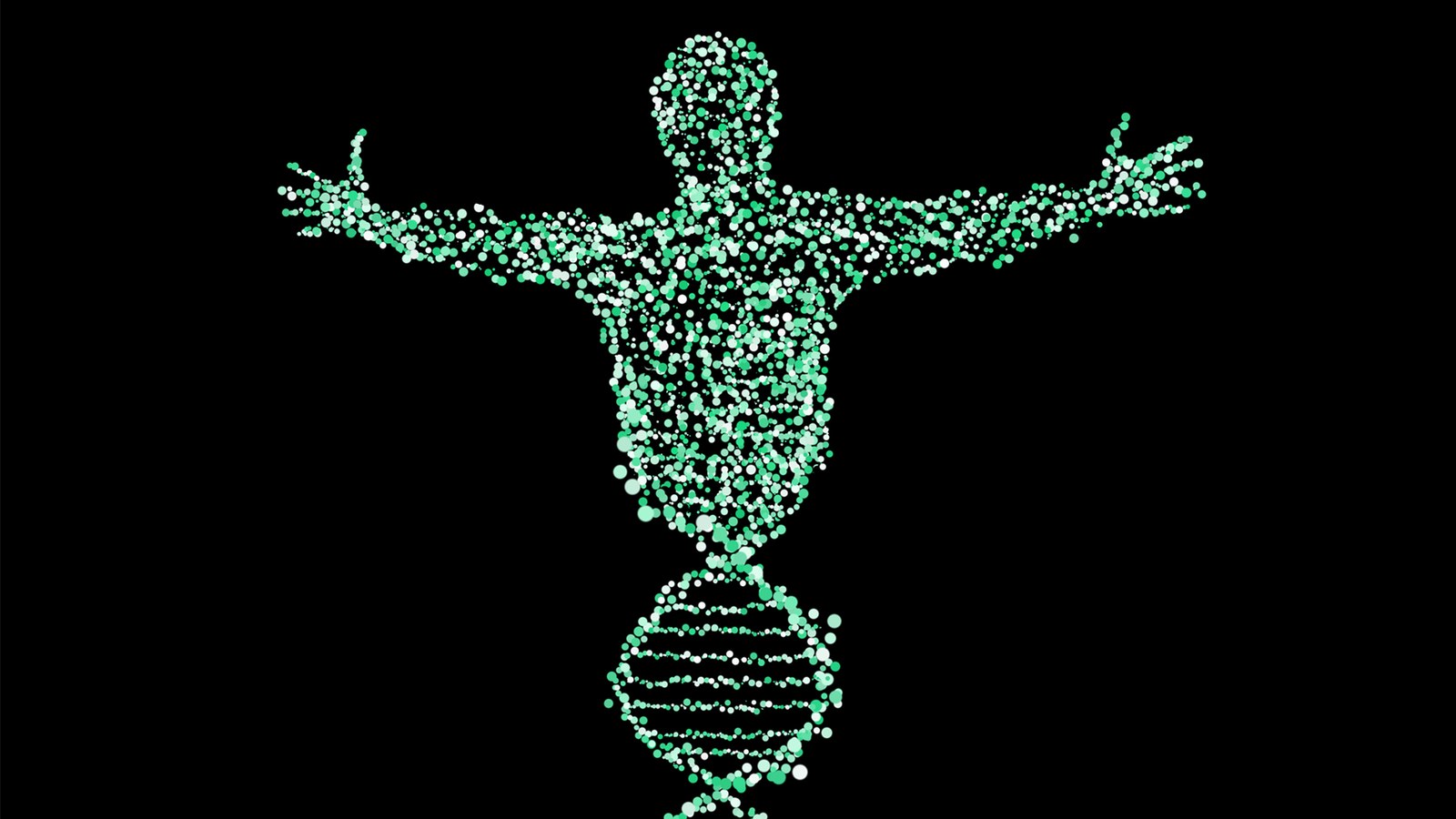
Think of the genome as the script for a gigantic film, with thousands of possible scenes. Having the whole thing isn't enough, because someone has to decide what gets shot and what stays in the drawer. That's the job of the epigenetic machinery, and it does it mainly in two ways that a couple of images make very clear.
The first is called methylation. The body sticks a tiny chemical tag (a methyl group) onto a specific gene, like slapping a «do not read» sticky note over a page. With the tag on, that gene goes quiet. The second involves histones, spools of protein that DNA winds around like thread on a bobbin. If the thread is wound tight, what's inside can't be read; loosen it and it's within reach. Tightening and loosening is, deep down, switching genes off and on.
The environment writes on your genes (and leaves a mark)
Here's the part that really hooks you. Those tags don't come factory-fitted or fixed forever; they get added and removed across your life, and what you do matters. What you eat, tobacco, the stress you carry, exercise or how many hours you sleep can leave epigenetic marks that change which genes are active. Your genome is the same one you were born with, but the way it's read keeps getting rewritten on the fly.
The loveliest example is identical twins. They're born with the same DNA, a perfect copy, and as kids they're almost impossible to tell apart. But run them through forty years of different lives, with different diets, jobs and scares, and their epigenetics slowly drift apart. That's why one can end up developing a disease the other dodges, even though both hold the very same instruction book. The difference isn't in the text, it's in the notes life kept adding.
Queen bees and famines, the cases that make it click
If one example seals it, it's the bees. A worker larva and the hive's future queen have the same DNA, identical. The only thing that changes is the food, and that's the trick. The one who'll be queen is fed on royal jelly, and that menu triggers an epigenetic cascade that turns her into a bigger, fertile, far longer-lived creature than her sisters. Same genetic recipe, opposite result, all down to what she happened to eat as a larva.
In humans, the most studied case is the Dutch famine of the winter of 1944, when the Nazi occupation left much of the Netherlands with almost nothing to eat. The babies conceived during those months of hunger carried epigenetic marks that, decades later, showed up as more obesity and more metabolic problems than their own siblings, according to the studies that followed that generation. The hunger the mothers went through was, somehow, written into their children.
The best part is that it can be rewritten
And here's the hopeful bit. Unlike a mutation in the DNA, which is a permanent typo, epigenetic marks can be erased and put back. That has made epigenetics one of the hottest fields in biomedicine, to the point that there are already cancer drugs that work exactly like this, peeling off tags that were silencing the wrong genes.
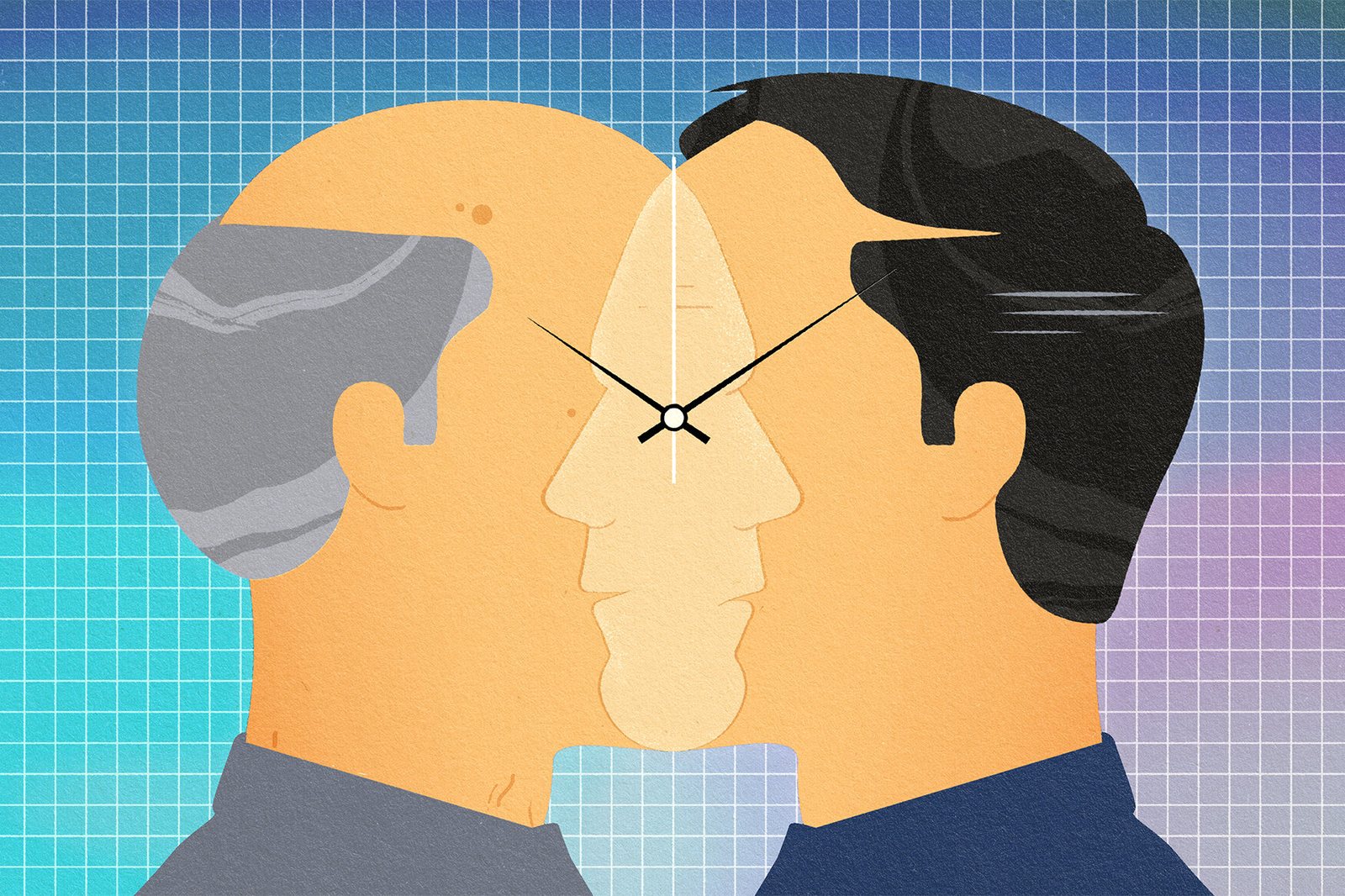
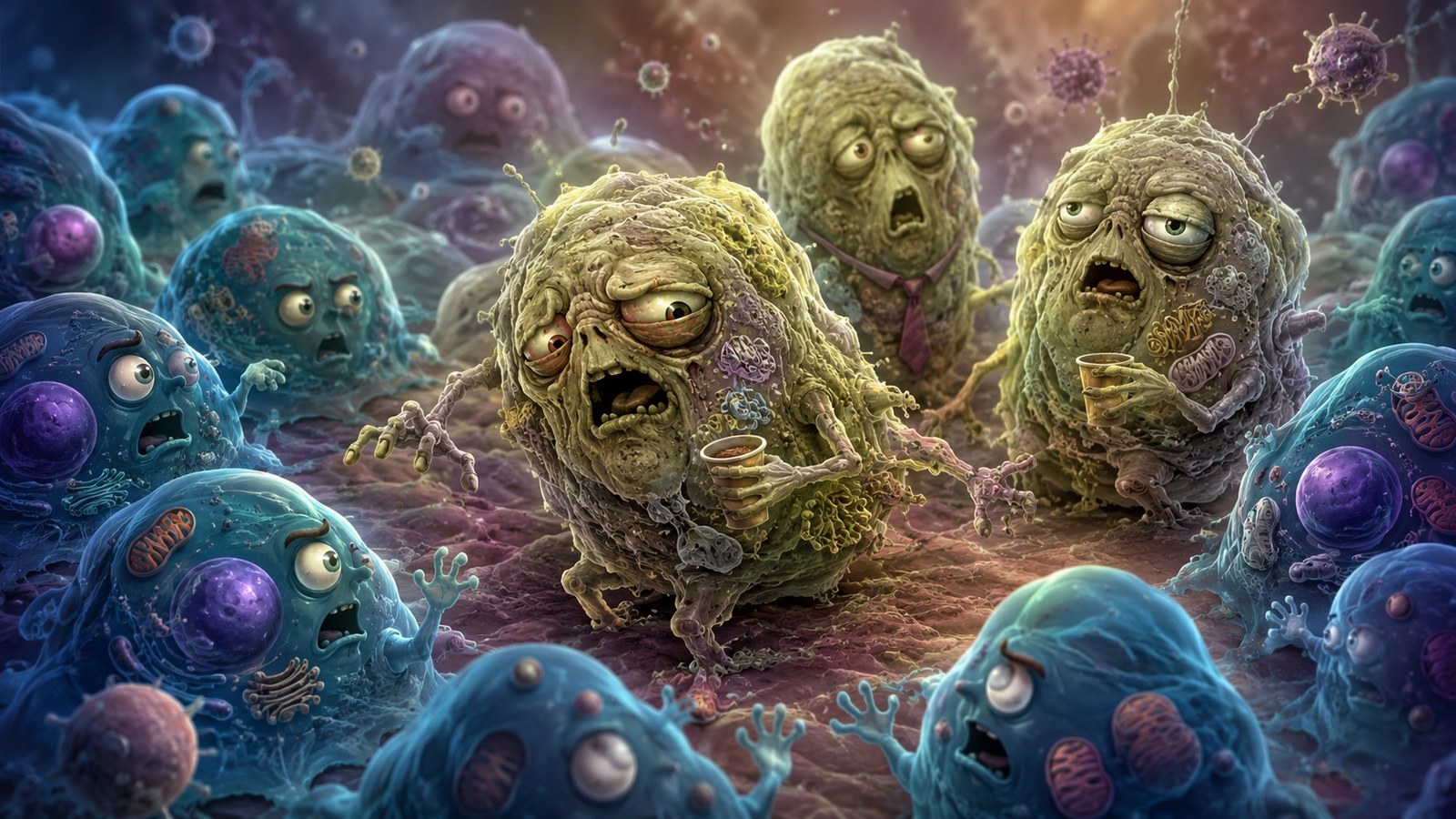
It is also the basis of the epigenetic clocks used to estimate biological age from methylation patterns, and their answers do not always match the age on your ID. If you're curious about why we age, we cover it in depth here, and the race to rewind that clock ties directly into the Yamanaka factors, which rejuvenate cells by rewriting precisely their epigenetics.
For a long time we believed DNA was a destiny carved in stone. Epigenetics has taught us that, on top of that stone, there's a chalkboard that gets wiped and rewritten every day, and that you're holding some of the chalk yourself. The interesting question is no longer which genes you were dealt, but what you're doing with them.
The conversation starts here
Sign in with a supporter account to comment. Sign in

Nobody has commented yet. Want to go first?