
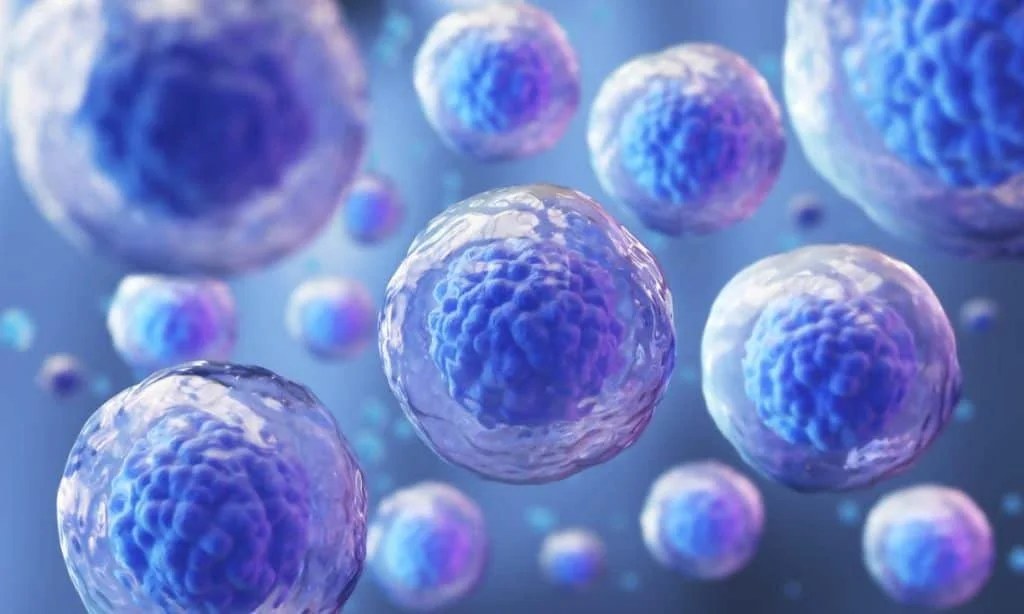
Cut your finger peeling potatoes and your body pulls off something no workshop on Earth can match, it manufactures the spare part on site, made to measure, no supplier involved. The cells behind that daily miracle are stem cells, and they've been with you since before you were born. Science has spent over half a century trying to command that trick at will, and for the first time the results are starting to look like what was promised.
A blank part that can become almost anything
Think of your body as a factory full of parts that have already been moulded. A neuron only knows how to be a neuron, a liver cell only knows how to be liver, they came out of the mould with that shape and can't change it. The stem cell is the exception because it hasn't been through the mould yet. It has two superpowers, it can copy itself almost without limit and it can differentiate, which is what scientists call the moment it takes shape and becomes any other part.
Not all of them can do everything. Embryonic stem cells are the fully blank part, they can build any tissue in the body, which is why they're called pluripotent. Adult stem cells, the ones you keep in your bone marrow, skin or gut, are half-blank parts, each one only works for its own machine, the marrow's make blood and nothing else. That's why the bone marrow transplant, performed since the 1950s, is actually the world's most veteran stem cell therapy. If you've ever donated marrow, you've already taken part in this.
The third kind was invented by a Japanese scientist. In 2006, Shinya Yamanaka worked out how to return an adult skin cell to its factory settings, blank again, by switching on just four genes, the famous Yamanaka factors. It earned him the Nobel in 2012 and cleared the biggest bottleneck to date, no embryos needed to obtain blank parts. They're called iPS cells, and today they're the raw material of serious research.
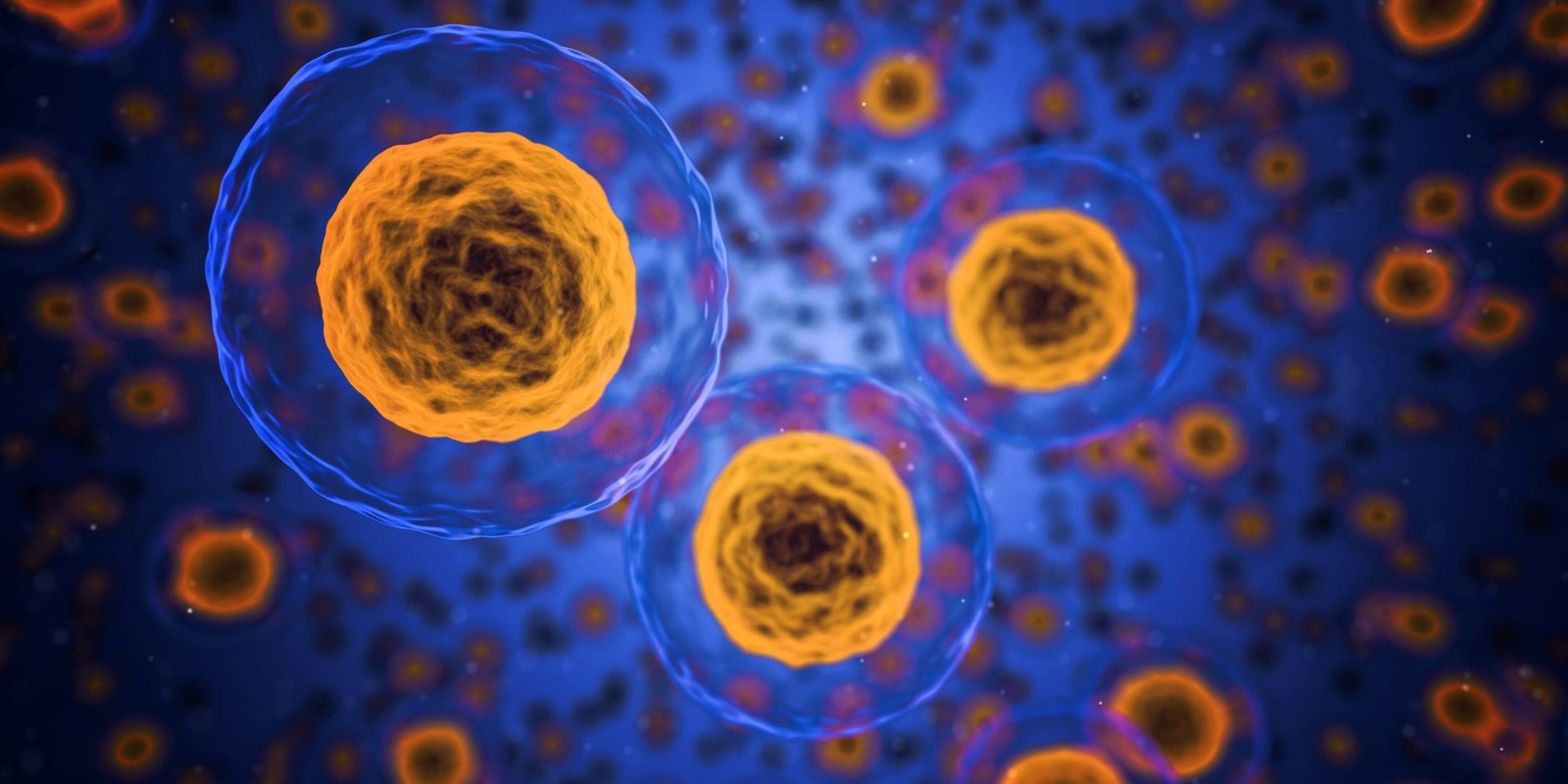
Diabetes delivered the first real warning shot: 10 of 12 patients came off insulin
Vertex used these cells to manufacture complete pancreatic islets, the neighbourhoods of the pancreas where the insulin-making cells live, and infused them into twelve people with severe type 1 diabetes. A year later, ten of the twelve no longer needed insulin injections. The results were published in The New England Journal of Medicine in June 2025, and the phase 3 trial of the treatment, christened zimislecel, is already under way.
Behind the statistics there are stories that tell themselves. In China, a 25-year-old woman received islets built from cells taken from her own body, returned to blank and moulded anew, and within three months she was producing her own insulin. When Nature covered her case, she summed up the result better than any paper, she was eating everything again, sugar included.
Parkinson's is heading the same way. Bemdaneprocel, from BlueRock and Bayer, seeds the brain with precursors of the neurons that make dopamine, the chemical messenger the disease keeps switching off, up to 2.7 million cells per hemisphere. The twelve patients from the first trial now have three years of follow-up, presented this April at the American Academy of Neurology congress, with a clean safety record and, on the high dose, more hours a day with symptoms under control.
The acid test is called exPDite-2, 102 patients, half of whom will undergo sham surgery, the entire operation but with no cells inside, to rule out the improvement being pure placebo. Sounds harsh, and it is; it's also the only way to know whether this truly works.
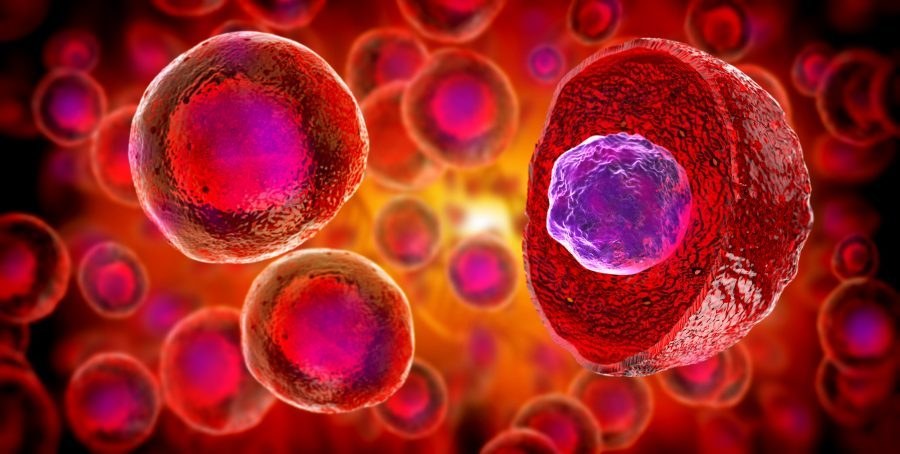
The 'stem cells' sign remains the miracle clinic's favourite bait
Here comes the uncomfortable part. That same scientific prestige is exploited by hundreds of private clinics selling "stem cell" infusions for arthritis, autism or ageing, at thousands of euros per session and without a single trial behind them. Today's list of approved uses is short and very specific: bone marrow and cord blood transplants for blood cancers and immune deficiencies, skin grafts for severe burns and corneal repair. Almost everything else lives in clinical-trial territory — and a real trial doesn't charge you to take part.
The practical rule is simple: if they ask for your card before your informed consent, walk out. The serious route is the exact opposite, becoming a bone marrow donor through your national registry, which is free and saves real lives.
The next chapter is already being written, and it aims further: using these cells, and the rewinding techniques born from them, against ageing itself. The first human cellular rejuvenation trial is already recruiting. And Parkinson's has an approximate date and a registration number: exPDite-2 results are expected around 2028, under identifier NCT06944522. This time it isn't a headline promise. It's a trial with a calendar.
The conversation starts here
Sign in with a supporter account to comment. Sign in
Nobody has commented yet. Want to go first?