
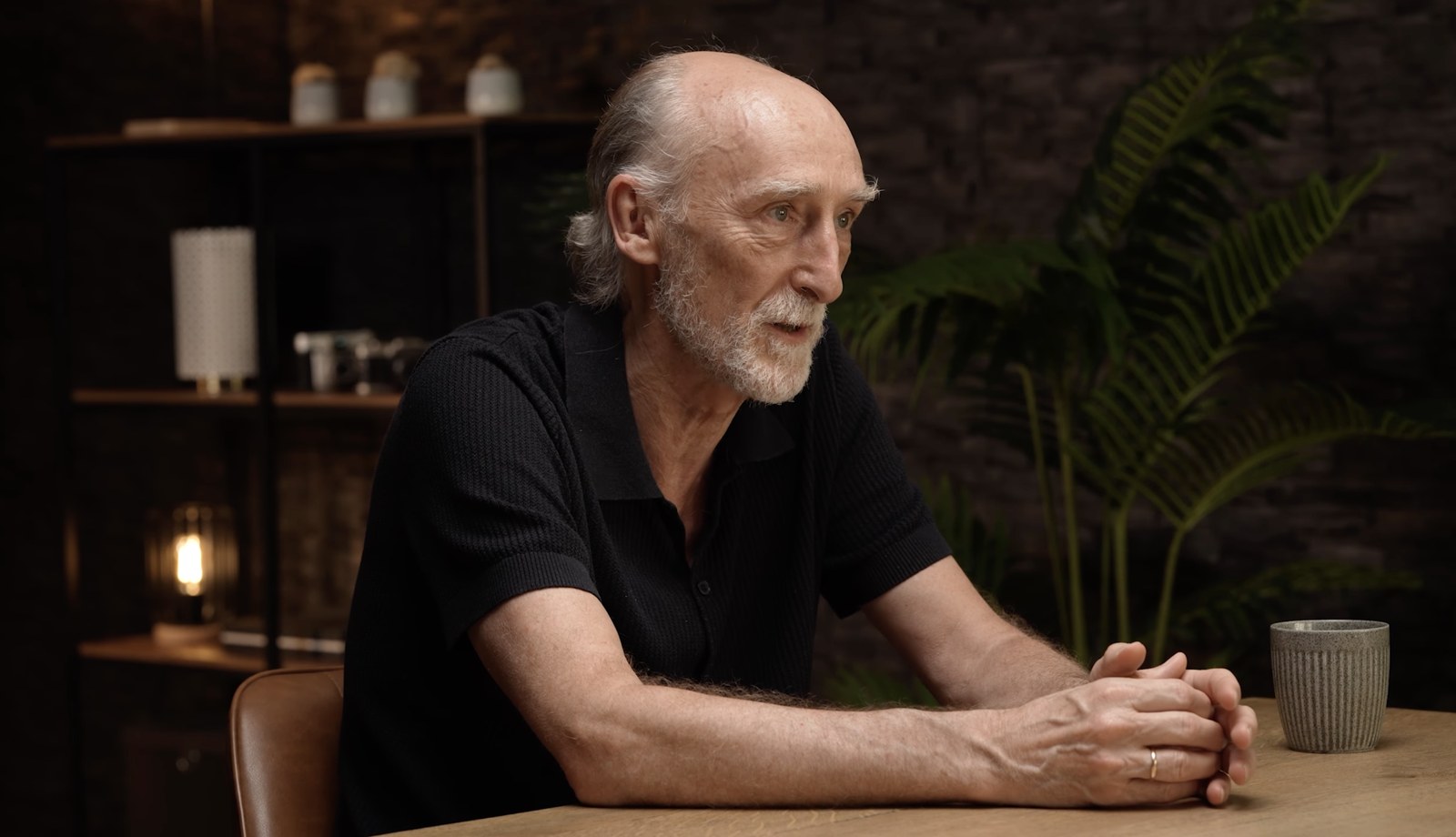
Jon Hernández dropped a television-sized promise into the middle of the conversation, and Alfonso Valencia raised an eyebrow. This was not a pundit reaching for a reaction: the Barcelona Supercomputing Center scientist has spent four decades where computing meets biology, once led the field's international society and has authored more than 400 papers. Demis Hassabis says AI will end every disease within a decade; even Science challenged the slogan. Valencia needed far less room to puncture it.
'It's very hard to think you'll have the cure for all diseases in such a short time,' Valencia says flatly when Jon puts the promise in front of him. Then he lands the most elegant jab you can aim at a Nobel laureate: 'Well, you know, he is a vice president at Google.' INSERT FUTURE's translation: Hassabis is a genius, and also an executive with something to sell.
'We are at the end of biology's Paleolithic'
Make no mistake, Valencia is no AI skeptic — he's one of the people who brought AI into biology back when almost nobody wanted it there. His verdict on the era is the kind you underline: 'We are at the end of biology's Paleolithic.' The new tools are already here, he says, and what comes next won't look like anything we know.
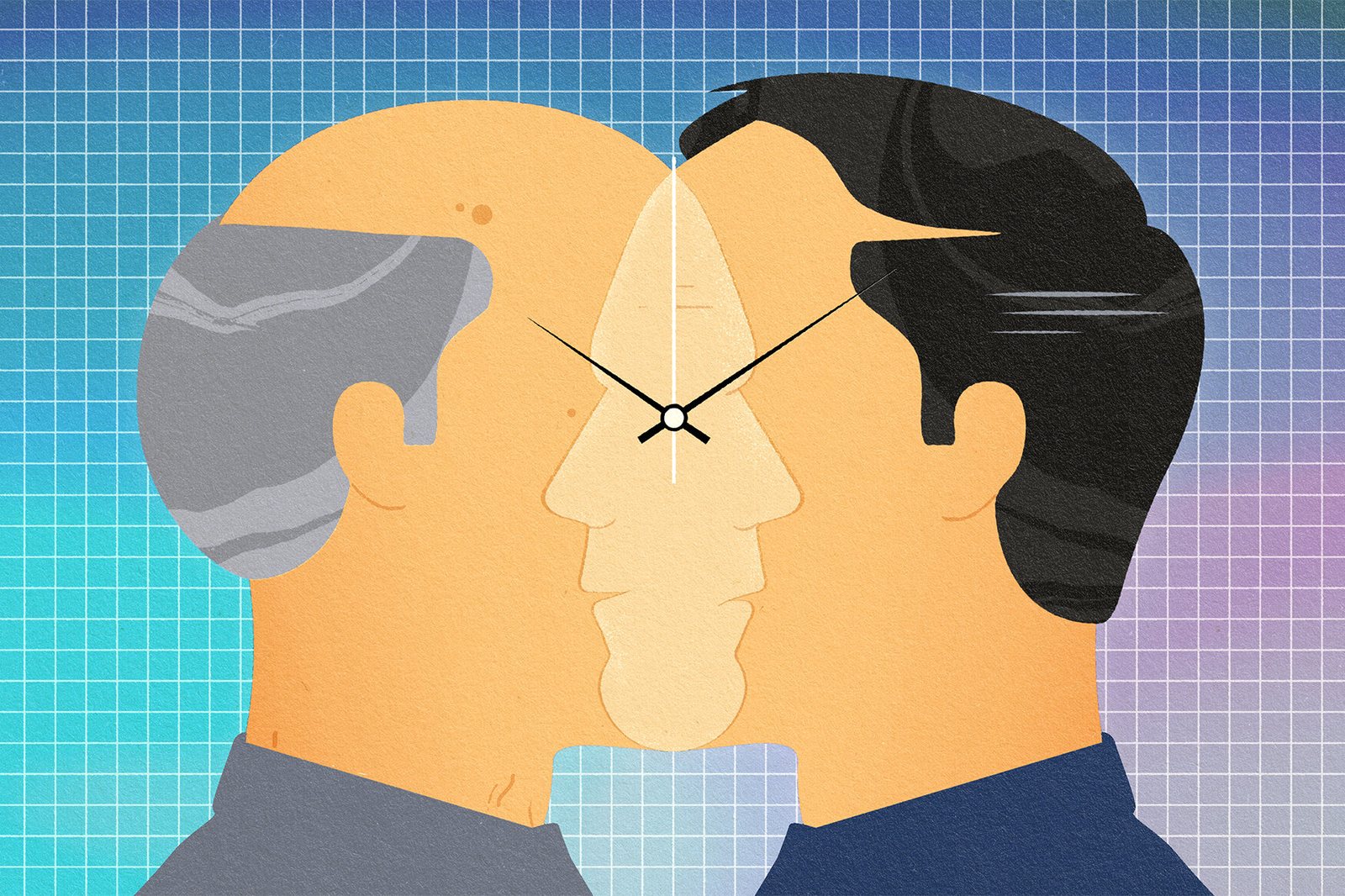
And some things are already real: systems exist that can read your medical history and anticipate which diseases you might face years in advance. The most celebrated, Delphi-2M, appeared in Nature trained on the records of 400,000 Britons, estimating the risk of over 1,000 conditions. Valencia works along those lines and points to the next move, which he expects within months: walking those trajectories backwards, from prediction to cause. 'A door to understanding disease that we've never had before,' he calls it. That said, between anticipating a disease and curing it there is still a fair distance.
Would you take a drug nobody understands?
The most uncomfortable stretch of the conversation arrives with a background question: if an AI designs a medicine that works but whose mechanism nobody can explain, do we approve it? Valencia explains that humanity swallowed aspirin for seven decades without knowing why it worked, the mechanism wasn't described until 1971, and nobody called it a scandal. Medicine has always run ahead of its own theory.
The nuance lies in explainability: the smarter a model gets, the harder it is to look inside, something you already saw when we covered how ChatGPT works under the hood. A chatbot that can't explain itself gets away with it, nobody demands answers from it. But a medicine doesn't get approved without explaining how it works, and if not even its creators can, the regulator won't sign off. Valencia says it plainly: the decade's great bottleneck won't be in the labs, it will be in the regulators' offices.
But watch the price. Personalized medicine already exists, therapies designed for your specific tumor, stem cells reprogrammed to order, but for now it belongs to whoever can pay for it. Valencia sees the flip side with optimism: the same AI that makes the frontier expensive makes the baseline cheap, and he cites projects bringing hospital-grade diagnostics to places in Africa and Cambodia with no specialists.
Demis Hassabis says 'all diseases'; the scientist looking at the data says 'very hard.' In 2036, we will know whether Google gave us a timetable or a slogan.
The conversation starts here
Sign in with a supporter account to comment. Sign in
Nobody has commented yet. Want to go first?