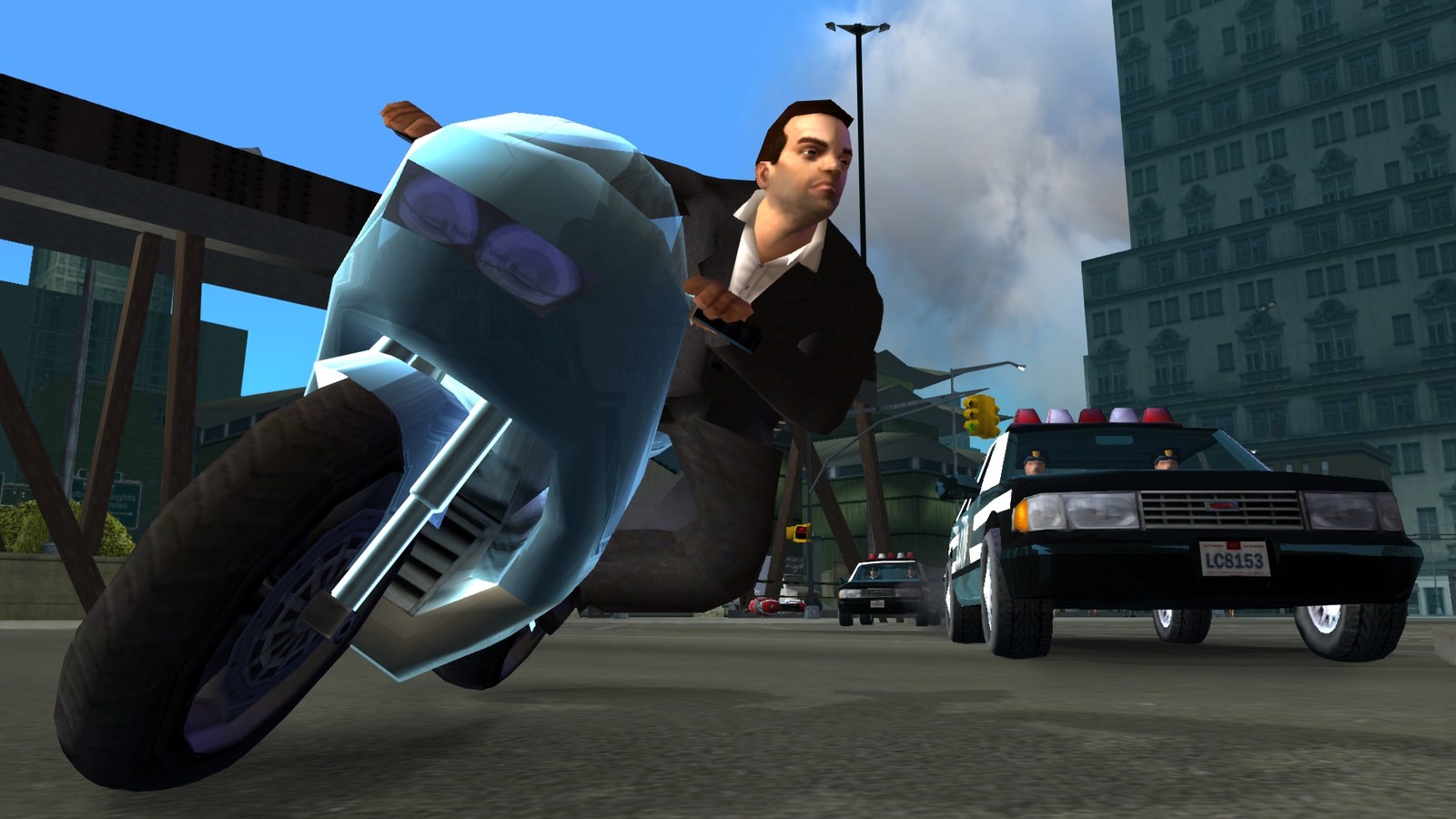

Between 2004 and 2009, Rockstar put out four Grand Theft Auto games for handheld consoles, the battery-powered systems you hold in both hands. The first, GTA Advance, hit the Game Boy Advance on Oct. 26, 2004, the same day San Andreas launched in North America, and almost nobody noticed. The next two, Liberty City Stories and Vice City Stories, came from a 30-person studio in Leeds, England, that Rockstar had bought for about $4.5 million, and the first of them became the best-selling game on Sony's PSP. The fourth, Chinatown Wars, took the series to the Nintendo DS in 2009, earned rave reviews and sold far less than anyone expected.
While Rockstar San Diego was building RAGE, the company's in-house engine, for the coming wave of home consoles, this other corner of Rockstar was learning the opposite trick, shrinking a whole city until it fit inside a device that runs on batteries.
GTA Advance, the project nobody could finish
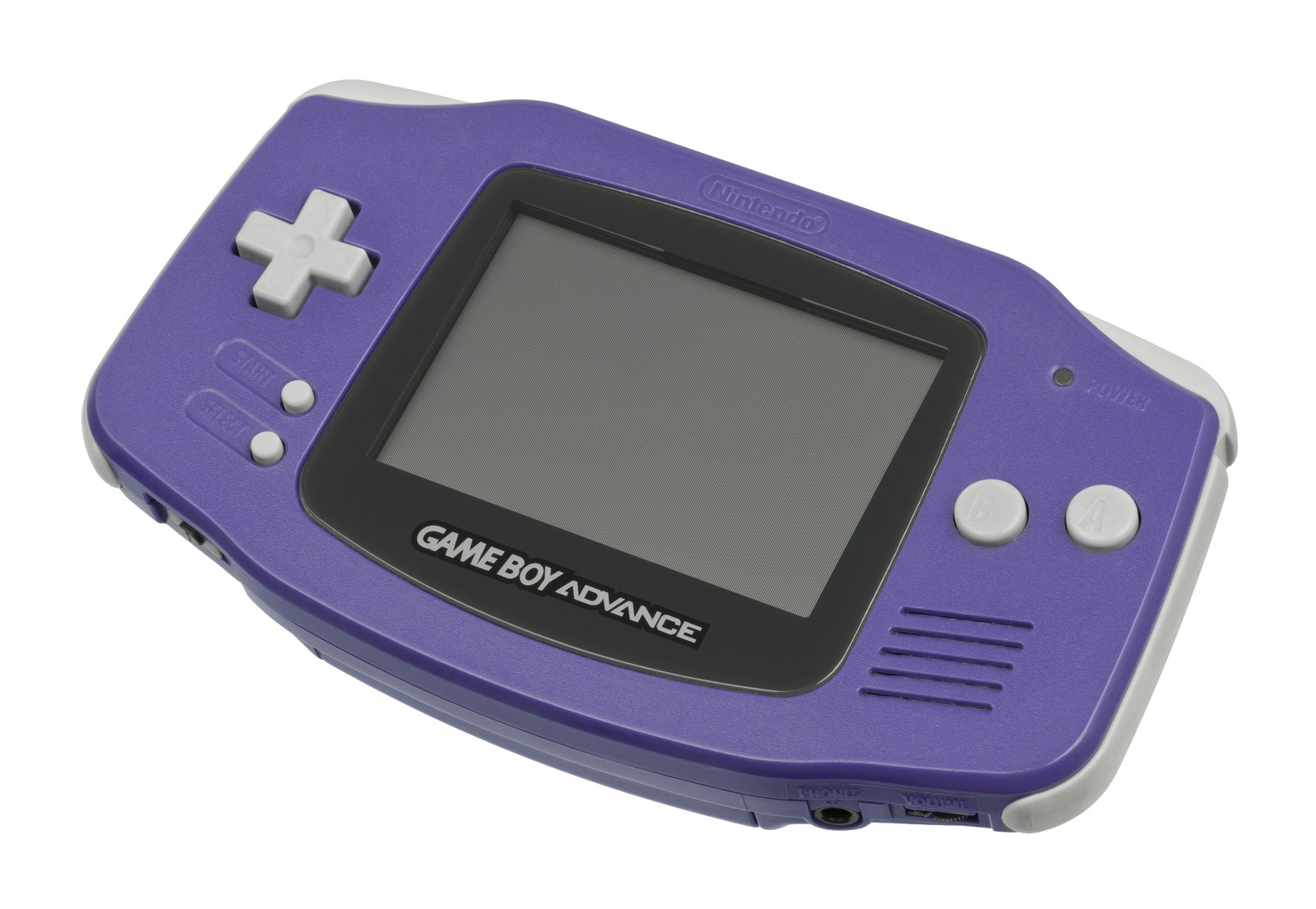
The Game Boy Advance, the handheld Nintendo launched in 2001, was supposed to get a scaled-down GTA III. According to Time Extension's history of the project, publisher Destination Software held the rights from May 2001 but never got it moving, and British developer Crawfish Interactive then built a prequel until the studio shut down in 2002.
The job finally landed at Digital Eclipse, a small studio in Emeryville, California, which started from scratch. Jamie King, Rockstar's vice president of development, wanted full 3D, but the hardware couldn't handle it. The team went with an overhead view instead, using buildings pre-drawn at an angle so they looked solid, and sprites, flat images that slide across the scene, for people and cars.
The result was a GTA III prequel set in Liberty City, in which a crook named Mike hunts for whoever killed his partner. It was due in August 2003, but marketing concerns tied to San Andreas pushed it back more than a year, and Rockstar told the studio not to tone down the adult humor just because it was a Nintendo game. Reviews landed around 6 out of 10, and producer and writer James Stanley estimates it sold roughly 200,000 copies in its first year.
Why Rockstar bought a studio in Leeds
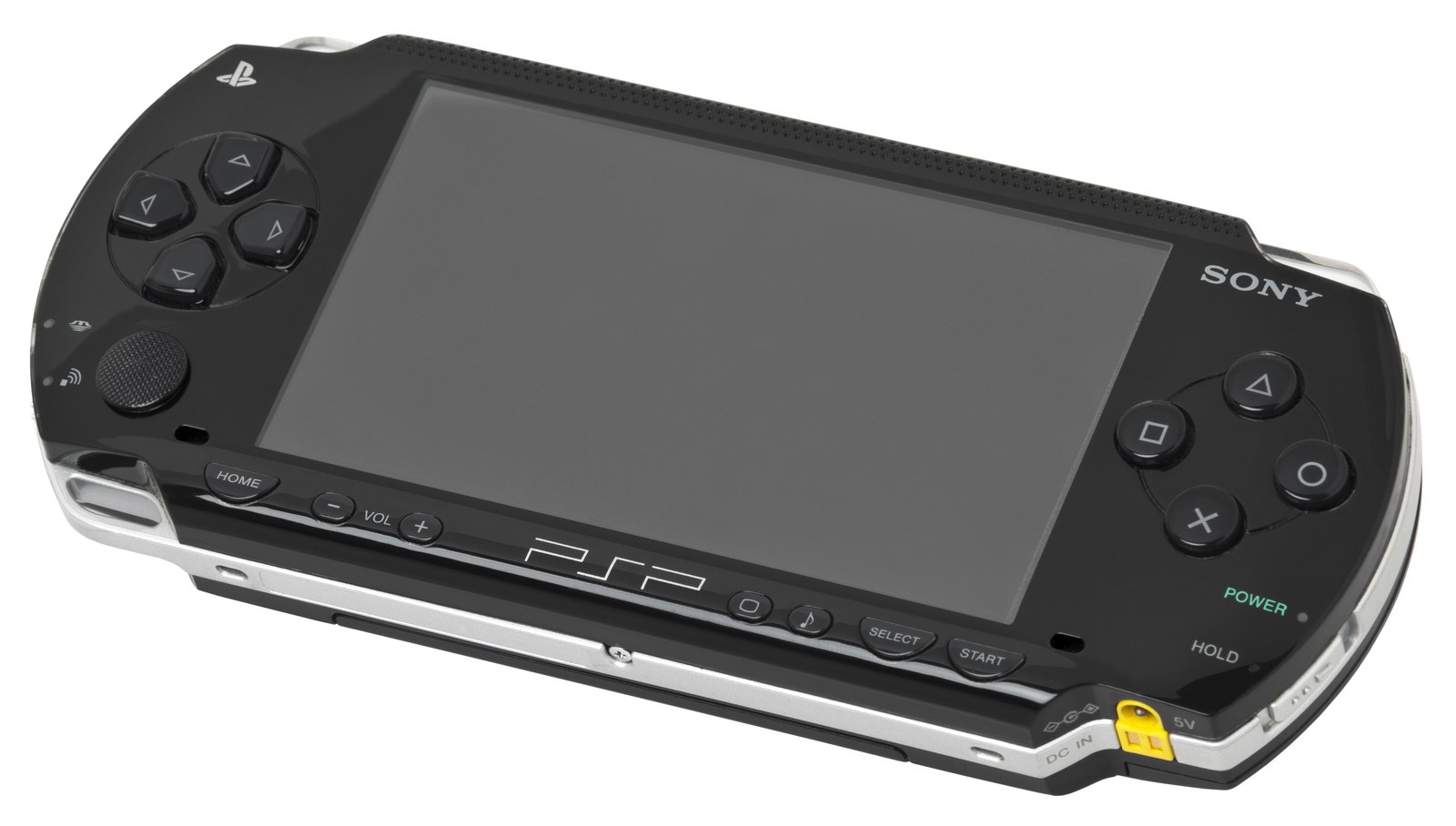
For the PSP, Sony's first handheld, Rockstar wanted the team in-house. In March 2004, Take-Two, Rockstar's parent company, bought Mobius Entertainment, a Leeds studio founded in 1997 by Gordon Hall, Jason McGann, Dave Box and Ian Bowden. It had about 30 developers and had made the Game Boy Advance version of Max Payne for Rockstar, work that Sam Houser said in the April 8, 2004, announcement had impressed the company from the start. Mobius became Rockstar Leeds.
Take-Two's annual report to the SEC puts the price at about $4.5 million, plus up to $2 million more tied to delivering games, and spells out the job, which was making Rockstar's PSP games. The system played small optical discs called UMDs that held 1.8GB, could push real 3D worlds and reached North America in 2005. It ended its run with 76.4 million units shipped, based on the Sony totals we used when comparing the PS5 with earlier PlayStations.
How Liberty City fit on a 1.8GB disc
Rockstar announced Liberty City Stories on May 17, 2005, just before E3, the big annual video game trade show in Los Angeles. Sam Houser pitched it as something that had never been possible on a handheld. It wasn't a port. It had a new story and new missions, starring mobster Toni Cipriani a few years before GTA III, in the same city with added alleys, shortcuts and interiors.
Gordon Hall, president of Rockstar Leeds, told IGN, in an interview translated by Journal du Geek, that Rockstar North, the Scottish studio behind the PS2 games, lent its data compression tricks, and that engineers in Leeds and Scotland wrote a PSP graphics engine, the software that draws every frame. The team also reorganized the data on the disc so the game could read it in pieces as the player moved, a technique called streaming, which kept loading screens to an occasional pause.
The savings made room for 10 full radio stations. Hall said a fresh battery lasted around four hours, since constantly reading the disc was the biggest drain, and the game supported up to six players on PSPs linked directly over Wi-Fi, no internet needed.
It came out in October 2005, the final month of Take-Two's fiscal year, and the annual report for that year still credits it with 3% of the company's total revenue. Rockstar went on to call it the best-selling PSP game of all time, and Guinness World Records put it at 7,502,469 copies as of July 2013.
Vice City Stories and the trip back to PS2
That success flipped the usual direction, which had always run from home console to handheld. On June 6, 2006, Liberty City Stories hit PS2 in North America for $19.99, with the same story and missions, according to Rockstar's announcement.
By then the follow-up had been announced. Vice City Stories went back to Vice City in 1984, two years before Vice City, with Victor Vance, a straight arrow whose younger brother, Lance, drags him into drug smuggling, as GamesRadar+ summed it up. The new hook was taking over rival gangs' rackets and collecting the profits. It's the same Miami-inspired city that GTA VI brings back inside the state of Leonida.
Hall told IGN, as Engadget reported, that compared with Liberty City Stories, the game pushed twice as many polygons, the building blocks of 3D models, and packed more than 100 songs. It shipped on PSP in October 2006. In September 2006, Hall had told Eurogamer there were no plans for a PS2 version, but in February 2007 Rockstar confirmed one for March 6 in North America, minus the multiplayer.
In 2008, Take-Two put Vice City Stories at 4.5 million copies. The current number surfaced in February 2026, in a trademark complaint Take-Two filed against a sandwich shop that wanted to register the name Vice City Subs, and it's more than 7 million.
Chinatown Wars put a stylus in your hand
For its last handheld GTA, Rockstar Leeds switched hardware. On July 15, 2008, during Nintendo's E3 press conference, Rockstar announced Chinatown Wars for the Nintendo DS, the dual-screen handheld whose lower screen works with a stylus. It launched in North America on March 17, 2009, at $34.99.
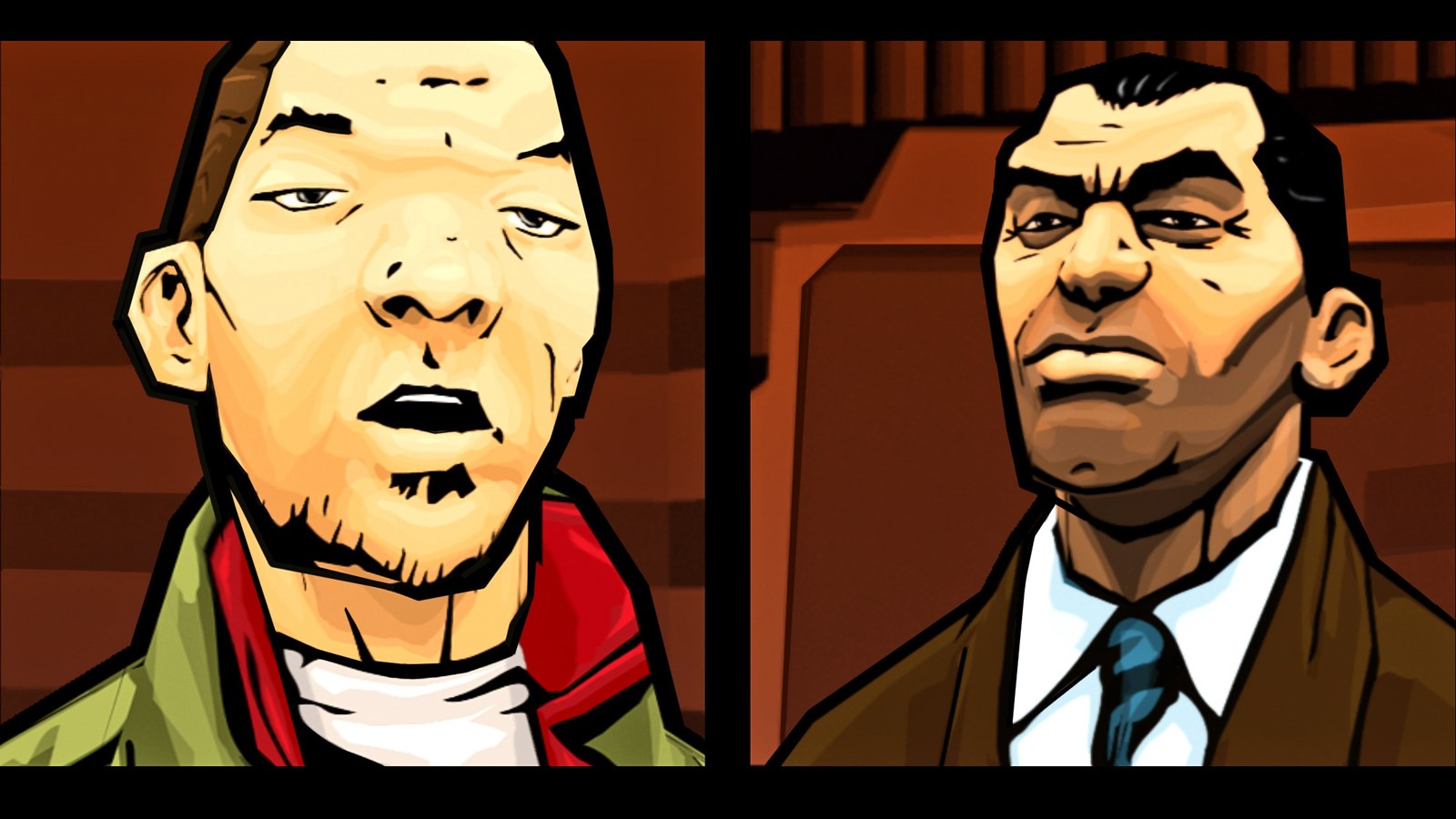
Huang Lee, the spoiled heir of a Triad family, flies into Liberty City to deliver a sword to his uncle after his father is murdered. Minutes after landing, he's shot, robbed and left for dead in the river. The city was GTA IV's, minus its New Jersey stand-in, Alderney, modeled in 3D and seen from above with a camera that swings all the way around, according to Nintendo World Report's preview. Dan Houser and David Bland wrote the story, told in comic-book panels.
Ian Bowden, one of the Mobius founders, told the Nordic Game conference in 2009 that the team chose that comic-book look so the game didn't have to pass for realistic on such a small screen, as Games and Innovation reported. The stylus handled hot-wiring cars, mixing Molotov cocktails and cracking safes. The system everyone talked about was drug dealing. Huang bought six kinds of drugs, from marijuana to heroin, in one neighborhood and sold them in another, and the 100 security cameras scattered around the city affected prices.
Why it sold poorly and how it ended up on phones
In its first month, Chinatown Wars sold 89,000 copies in the U.S., according to NPD, the firm that tracked American retail sales, while analysts had expected 200,000 to 450,000, Game Developer reported. Cowen analyst Doug Creutz called it "very disappointing" and blamed the DS's younger audience, not the game. Nintendo countered that DS games sell slowly over a long stretch, and by the end of April U.S. sales had reached 163,000.
Rockstar took the game to other screens. The PSP version arrived Oct. 20, 2009, with extra missions, the iPhone version followed on Jan. 18, 2010, for about $10, and Android got it in December 2014. Liberty City Stories took the same route, landing on iPhone and iPad on Dec. 17, 2015, according to its App Store listing.
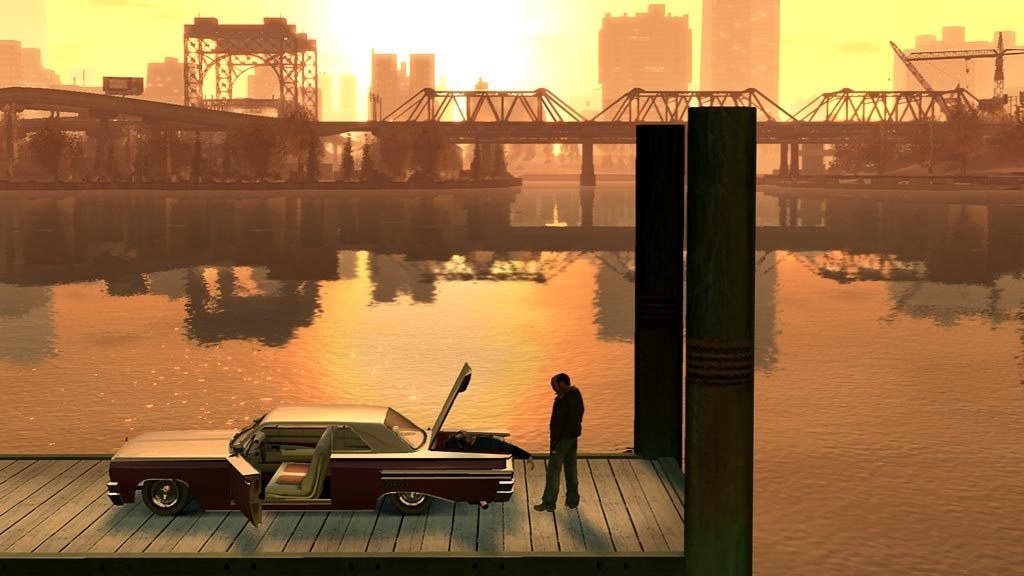
Rockstar Leeds never led another GTA of its own and kept helping on other Rockstar games, including Red Dead Redemption 2. By then, the series had already gone back to Liberty City on home consoles with GTA IV in 2008, a year before Chinatown Wars. GTA IV gets its own chapter in this series.
Frequently asked questions
Which GTA games came out on handheld consoles?
Rockstar released four handheld-first GTA games between 2004 and 2009. GTA Advance (Game Boy Advance, 2004) was made by Digital Eclipse. Liberty City Stories (PSP, 2005) and Vice City Stories (PSP, 2006) came from Rockstar Leeds with Rockstar North, and both were later ported to PS2. Chinatown Wars launched on the Nintendo DS in 2009, then came to PSP, iPhone and Android.
Who developed GTA Liberty City Stories?
Rockstar Leeds, with help from Rockstar North. Rockstar Leeds started out as Mobius Entertainment, a roughly 30-person Game Boy Advance studio founded in Leeds, England, in 1997. Take-Two bought it in March 2004 for about $4.5 million to make Rockstar's PSP games. Liberty City Stories launched in October 2005.
How many copies did Liberty City Stories and Vice City Stories sell?
Rockstar called Liberty City Stories the best-selling PSP game of all time, and Guinness World Records listed 7,502,469 PSP copies as of July 2013. For Vice City Stories, Take-Two cited 4.5 million copies in 2008 and more than 7 million in a trademark complaint filed in February 2026.
Why did GTA Chinatown Wars sell poorly on the Nintendo DS?
It sold 89,000 copies in its first U.S. month, according to NPD, against analyst forecasts of 200,000 to 450,000, despite excellent reviews. Analysts blamed the DS's younger audience, while Nintendo argued its games sell over a longer stretch. By the end of April 2009, U.S. sales stood at 163,000.
What was GTA Advance?
A Game Boy Advance GTA released in North America on Oct. 26, 2004, the same day as San Andreas. It's a GTA III prequel set in Liberty City, starring a crook named Mike. Digital Eclipse built it with an overhead view after earlier attempts to bring GTA III to the system fell apart, and its producer estimates it sold about 200,000 copies in its first year.
The conversation starts here
Sign in with a supporter account to comment. Sign in
Nobody has commented yet. Want to go first?