
On May 14, 2003, Rockstar Games announced its next game in language few press releases would use. Its press release, still hosted on Take-Two's investor site, said Manhunt would explore "the depths of human depravity" in a tale of urban horror. Buried at the bottom was a less theatrical detail: Sony had not yet given the game concept approval, the sign-off a console maker grants before anything can ship on its hardware.
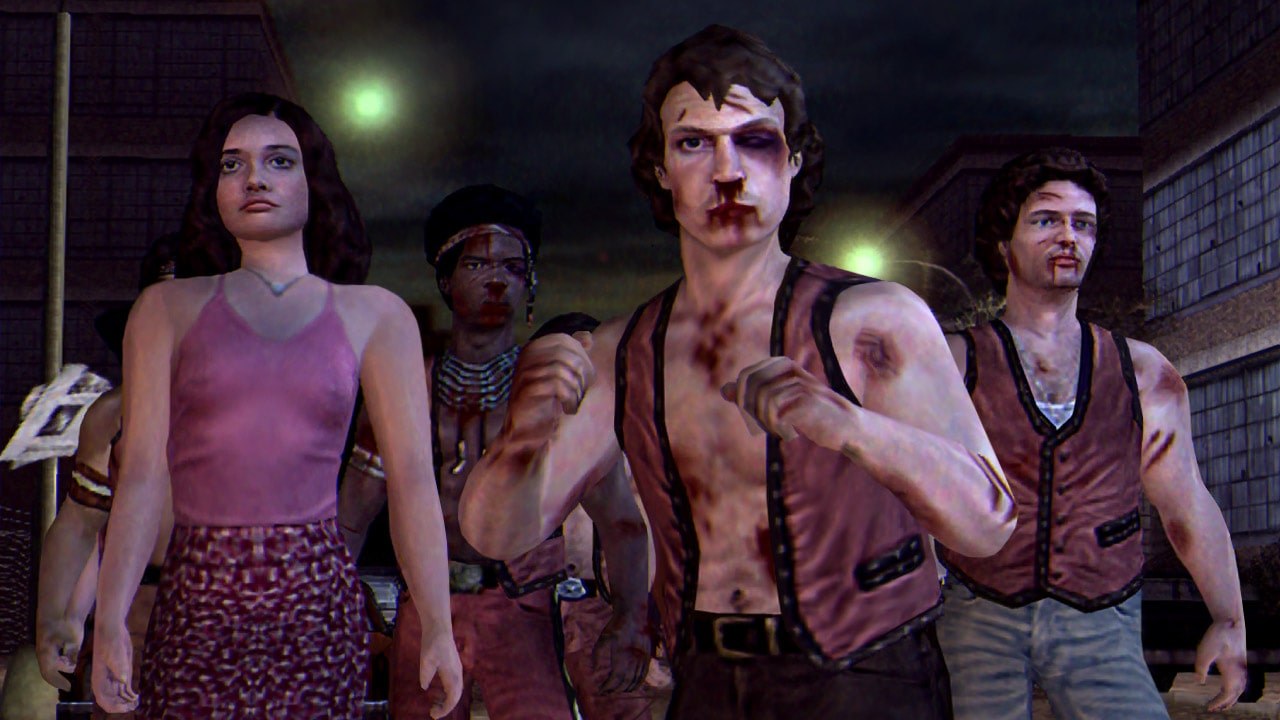
Between 2003 and 2005, in the shadow of Vice City (2002) and San Andreas (2004), Rockstar also released two games that had nothing to do with Grand Theft Auto. Rockstar Games acted as the publisher, funding, marketing and distributing what its internal studios built. One of those studios, in Scotland, delivered Manhunt in 2003. It became the first video game ever banned in New Zealand and ended up on British front pages after a murder. Another, in Canada, turned a 1979 cult film about New York street gangs into The Warriors in 2005.
Who made Manhunt, and what was it about?
Manhunt came out of Edinburgh. In an interview with GTABase, former Rockstar North technical director Obbe Vermeij explained that DMA Design, the Dundee studio that created GTA, opened a satellite office there in 1999. The team behind the Nintendo 64 game Body Harvest moved in and started on Manhunt. When Take-Two later shut DMA's main office in Dundee, the Edinburgh branch was renamed Rockstar North. It is the same studio now finishing GTA VI, the one that invited Spanish streamer Rubius inside this summer.
Vermeij told GTA BOOM that the studio tried to run side projects next to a mainline GTA and that Manhunt was the only one that shipped, largely because it started at the same time as one. During work on San Andreas, covered in the previous chapter, the Manhunt team was folded into the main GTA team.
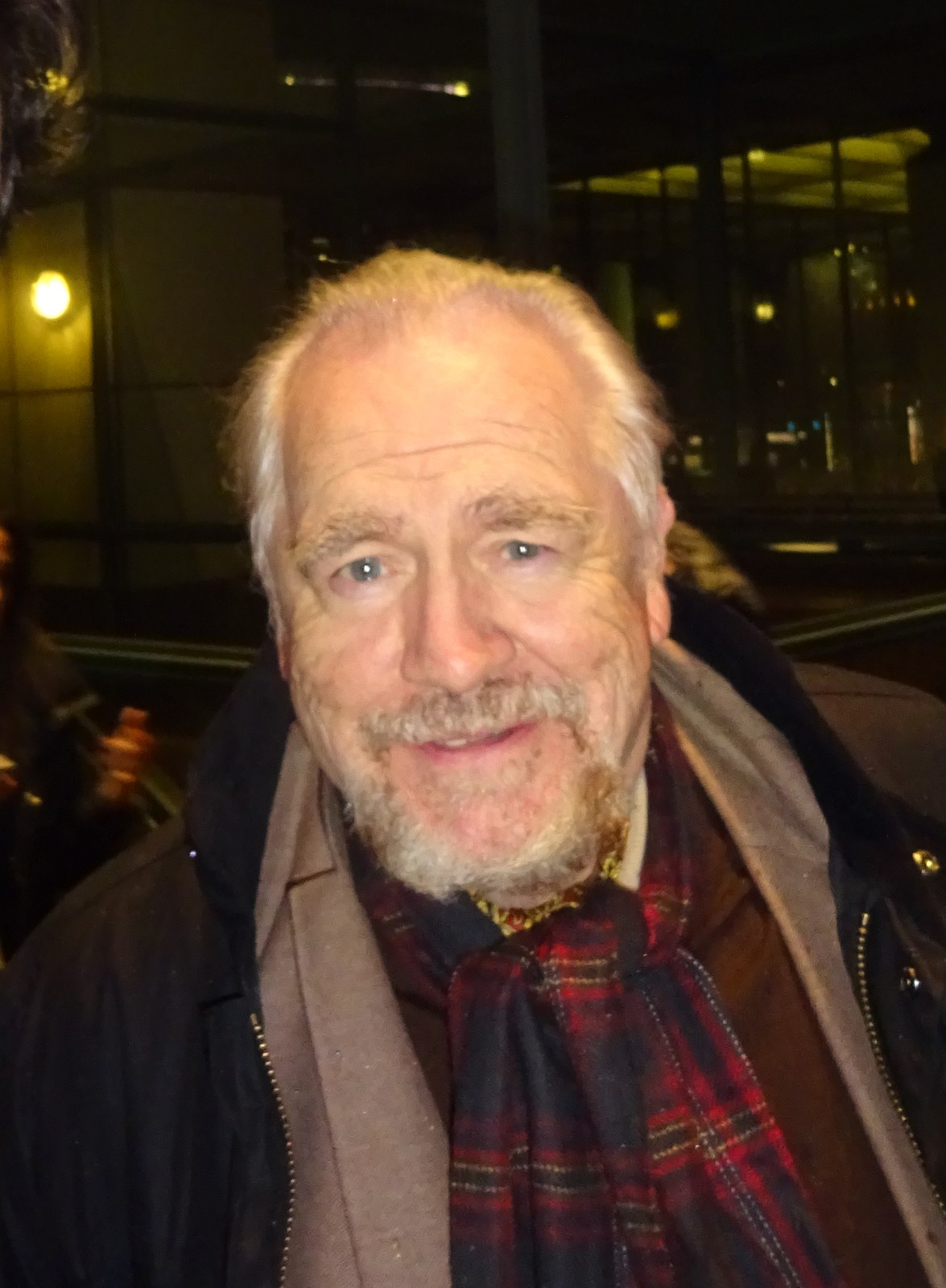
You play James Earl Cash, a death row inmate who wakes up alive after his lethal injection. His rescuer is Lionel Starkweather, a maker of snuff films, movies that record real killings. Starkweather drops Cash into the rotting streets of Carcer City and sends gangs after him so the kills can be filmed. He talks in Cash's ear through a headset for the entire game, voiced by Scottish actor Brian Cox, as Game Informer noted in 2016.
How it played, and why some at Rockstar wanted no part of it
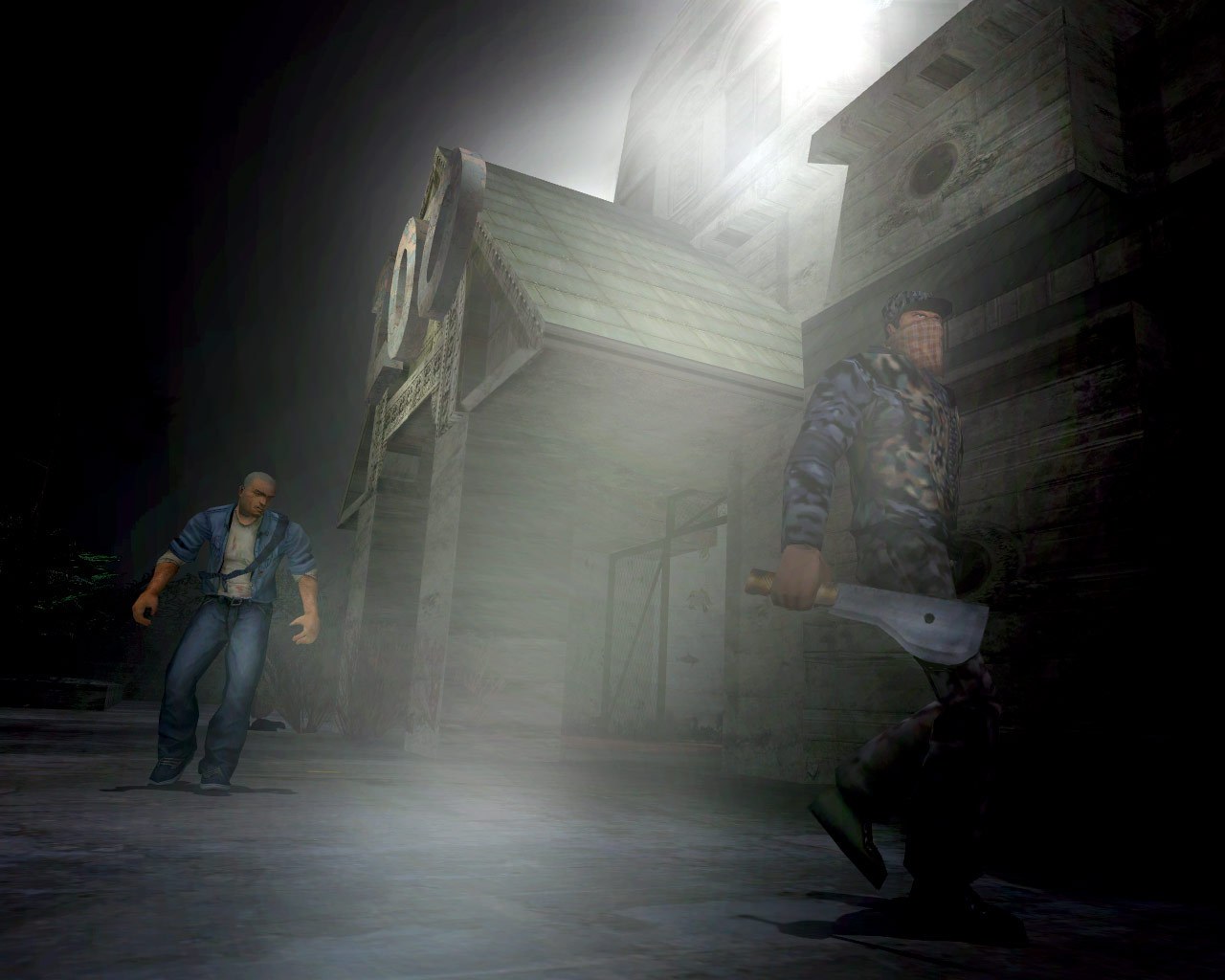
Manhunt is a stealth game, meaning you progress by staying unseen. Cash hides in shadows, waits for a hunter to turn his back and attacks from behind. The longer you hold the button, the more brutal the execution, across three color-coded levels, and Starkweather rewards the bloodiest ones. On Xbox, the console's headset microphone could even be used to make noise and lure enemies, according to GameSpot.
The PlayStation 2 version shipped in North America on November 19, 2003, and reached Europe two days later. In the launch announcement, Rockstar North president Leslie Benzies said the game was designed to get under the player's skin and stay there. PC and Xbox versions followed in 2004. Reviews were positive but not glowing, and the PS2 version holds a 76 on Metacritic.
Not everyone inside the company was comfortable. In 2007, former Rockstar web producer Jeff Williams wrote on his blog that the game nearly caused a mutiny, as GamesRadar reported. Staff in New York had defended GTA because players never had to hurt anyone who was not a bad guy. Manhunt was built around realistic violence they could not explain away. "We were crossing a line," he wrote.
Why New Zealand and Australia banned it
New Zealand's Office of Film and Literature Classification banned the sale and rental of Manhunt on December 12, 2003, making it the country's first banned video game. Its 12-page decision said the game depicted horror, cruelty and violence in a way likely to harm the public good. Chief Censor Bill Hastings put it more bluntly to CBS News: "It's a game where the only thing you do is kill everybody you see."
Australia first rated it MA15+, which restricted sales to buyers 15 and older. At the request of Western Australia's attorney general, the federal government asked for a review, and on September 28, 2004, the Classification Review Board refused it classification by a 3-1 vote, which made it illegal to sell. The board pointed to dismemberment and a chainsaw kill, and to a legal gap: Australian law had no adults-only category for games at the time, even though it had one for film.
The Leicester case: what the family said, and what police found
In February 2004, in Leicester, England, 17-year-old Warren Leblanc lured 14-year-old Stefan Pakeerah to a park and killed him with a claw hammer and a knife. Leblanc pleaded guilty on July 28. Stefan's parents said the killer had been obsessed with Manhunt, and his father called the game "a manual for murder," according to The Register.
Tabloids put the story on their front pages, one under the headline "Murder by PlayStation," Game Developer reported. On July 29, the retail chains Dixons and Game pulled the game. HMV refused, noting that the BBFC, the British film and game ratings body, had already cleared it for adults 18 and over. Rockstar offered condolences to the family and, in a statement quoted by GameSpot, rejected "any suggestion or association between the tragic events and the sale of Manhunt."
In early August, Leicestershire Police set the record straight. The copy of Manhunt had been found in Stefan's bedroom, not Leblanc's, and the motive was robbery to pay off a drug debt, The Register reported. Investigators found no link between the game and the crime. By then, the uproar had nearly sold the game out across the UK.
The case still reached Parliament. Leicester lawmaker Keith Vaz asked for a new inquiry into violent games, and on September 15 Prime Minister Tony Blair called Manhunt wholly unsuitable for children, according to The Register.
The Warriors, a movie that had already scared Paramount
Walter Hill's The Warriors opened in February 1979. It was based on Sol Yurick's novel, which moved Xenophon's Anabasis, the ancient account of Greek soldiers fighting their way home through enemy land, to New York. A Coney Island gang attends a citywide summit in the Bronx, gets blamed for killing the leader who called it and has to cross the city overnight with every other gang hunting them.
The release came with its own moral panic. As /Film recounts from press reports at the time, two young men died in fights at two different California theaters, and a Boston teenager was stabbed to death by a friend who had just seen the film. Paramount pulled its radio and TV ads.
Rockstar handed the adaptation to its Toronto studio and released it for PlayStation 2 and Xbox on October 17, 2005. That was three months after the ESRB stripped San Andreas of its M rating over Hot Coffee, the hidden content that gets its own chapter in this series. As VICE pointed out on the game's 10th anniversary, it remains the only movie-licensed game Rockstar developed itself.

How Rockstar turned the film into a game
The game opens with the murder of Cyrus, the leader who calls the summit, then jumps back several months to show how the Warriors built their reputation before replaying the film's escape in its final stretch. Michael Beck, James Remar and Dorsey Wright returned to voice their characters, GameSpot noted.
There are no guns. The Warriors fight with fists, bricks, bottles and boards studded with nails. You can order the rest of the gang to scatter when the cops show up, and a second player can join in co-op. Between rumbles, the gang makes money stealing car stereos and collecting protection money. The PS2 version holds an 84 on Metacritic, eight points above Manhunt.
One original actor was missing. Roger Hill, who played Cyrus, sued Take-Two and Rockstar in June 2006 for $250,000, Game Developer reported. He said he had turned down Rockstar's offer for his name and voice, that his character appeared anyway and that the game had already brought in at least $37 million. Take-Two said it held a valid third-party license to his likeness. Public reports do not say how the case ended.
A PSP version, built by Rockstar Leeds with the Toronto team, arrived in 2007, and in July 2016 the game returned on PS4 as a port of the PS2 original. Manhunt would get a sequel too, and Manhunt 2 would pull Rockstar into an even longer fight with ratings boards in 2007.
Frequently asked questions
Who developed Manhunt?
Manhunt was developed by Rockstar North, Rockstar's studio in Edinburgh, Scotland. According to former technical director Obbe Vermeij, it was started by the Body Harvest team that DMA Design moved to Edinburgh in 1999. The PlayStation 2 version shipped in North America on November 19, 2003, and PC and Xbox versions followed in 2004.
Why was Manhunt banned?
New Zealand banned Manhunt on December 12, 2003, making it the country's first banned video game, after its censor ruled that its horror, cruelty and violence were likely to harm the public good. Australia's Classification Review Board refused it classification on September 28, 2004, partly because the country had no adults-only rating for games at the time.
Was Manhunt linked to the 2004 Leicester murder?
The parents of 14-year-old Stefan Pakeerah, killed in Leicester, England, in February 2004, blamed the game, and the Dixons and Game chains pulled it. In August, Leicestershire Police said the copy had been found in the victim's room, not the killer's, that the motive was robbery and that they had found no link between the game and the crime.
Who made The Warriors game, and when did it come out?
The Warriors was developed by Rockstar Toronto and released on October 17, 2005, for PlayStation 2 and Xbox. It adapts Walter Hill's 1979 film, telling the story of the months before the gang's escape and then replaying it. A PSP version by Rockstar Leeds followed in 2007, and the game came to PS4 in July 2016.
Did the movie's actors appear in The Warriors game?
Several did. Michael Beck, James Remar and Dorsey Wright voiced their characters again. Roger Hill, who played Cyrus, did not take part and sued Take-Two and Rockstar in June 2006 for $250,000, arguing his character was used without his consent. Take-Two said it held a valid third-party license to his likeness.
The conversation starts here
Sign in with a supporter account to comment. Sign in
Nobody has commented yet. Want to go first?