
On July 28, 2004, Electronic Arts agreed to buy Criterion Software, a British studio in Guildford that also licensed RenderWare, the technology Rockstar had used to build GTA III, Vice City and San Andreas. The deal put the tools under Rockstar's biggest hits in the hands of EA, a direct rival of Rockstar's parent company, Take-Two Interactive. Rockstar co-founder Jamie King later recalled how Sam Houser broke the news to him, in language too salty to print, along with a one-line assignment: Rockstar needed its own engine, and King had to make it happen.
A game engine is the shared software everything else sits on. It draws every frame, works out how objects move and collide, plays the sound and gives artists the tools to place streets, cars and characters. Licensing one saves years of work, but it leaves a studio dependent on whoever sells it.
Rockstar already owned the fix. Two years earlier it had bought Angel Studios in Carlsbad, north of San Diego, the team behind Midnight Club and Smuggler's Run, and renamed it Rockstar San Diego. That studio built RAGE, the Rockstar Advanced Game Engine, which debuted in 2006 in a ping-pong game before going on to power GTA IV and Red Dead Redemption.
Who was Diego Angel?
Diego Angel, a Colombian entrepreneur according to the San Diego Business Journal, founded Angel Studios in the mid-1980s. The studio started out in computer graphics. In 1992 it built the virtual reality worlds of The Lawnmower Man, including the synthetic actor at the center of its climax, as the SIGGRAPH history archive records. Its effects for Peter Gabriel's "Kiss That Frog" video won best special effects at the 1994 MTV Video Music Awards.
In February 1995 Angel Studios joined Nintendo's Dream Team, the outside developers recruited for the console that became the Nintendo 64. It made the Ken Griffey Jr. baseball games there, plus a Resident Evil 2 port that, according to Old School Gamer Magazine, squeezed two CDs onto a single N64 cartridge with a $1 million budget and nine programmers.
That era produced the story Angel told Polygon, as reported by GameSpot. He spent 45 days preparing a pitch for Buggie Boogie, a racer in which cars ate other cars to steal their powers. Shigeru Miyamoto read the design document for 10 to 15 minutes and said, "Diego, I don't want this." Asked what to change, Miyamoto left the concept alone and told him to spend three more months on the technology so the game would feel good to play. Buggie Boogie was canceled.
Midnight Club, Smuggler's Run and the Rockstar partnership
The relationship with Rockstar was built on cars. When the PlayStation 2 launched in the U.S. in October 2000, Angel Studios had two launch titles on shelves, both published by Rockstar. As publisher, Rockstar paid for the games, manufactured them and sold them, while Angel made them.
Midnight Club: Street Racing turned London and New York into after-hours street racing courses and had sold more than 1.5 million copies by late 2002, according to Take-Two's announcement. Smuggler's Run was stranger. You hauled contraband across a border while police and rival gangs chased you over three huge, mostly off-road maps. GameSpot's review singled out the simulation underneath, with suspension and engine power modeled for every vehicle, tires that reacted to the ground and long views with no fog or scenery popping in, the usual trick of the era for skipping whatever was far away.
Why Take-Two bought Angel Studios
On Nov. 20, 2002, Take-Two announced it was buying Angel Studios for $28 million in cash plus 235,679 shares of stock. The studio had about 125 developers and became Rockstar San Diego that same day, with Diego Angel as president. Sam Houser said Angel Studios had been a valued partner for three years and would now work exclusively for Rockstar.
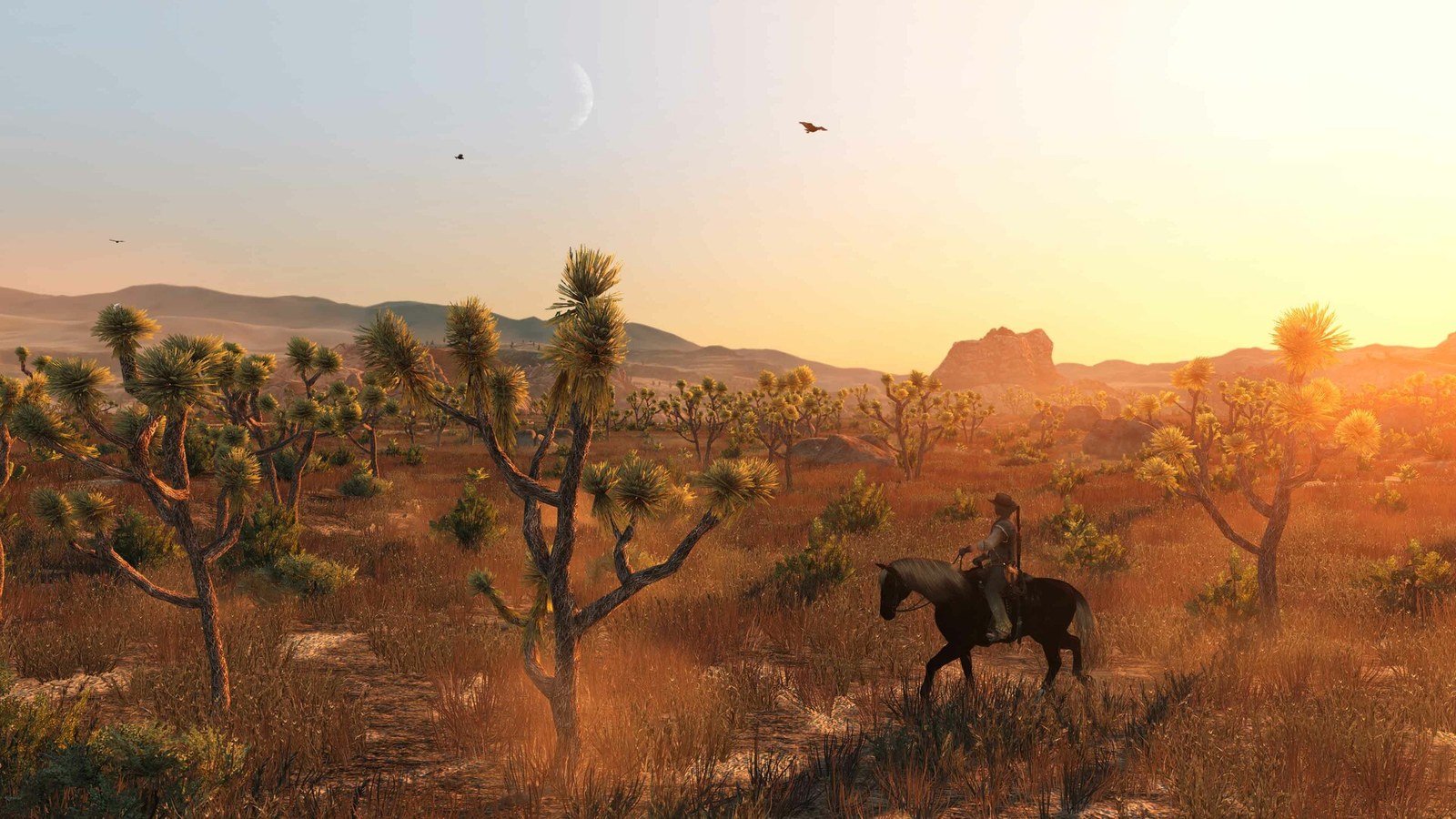
The deal also brought along a western Angel had been making for Capcom, Red Dead Revolver, a story for a later chapter.
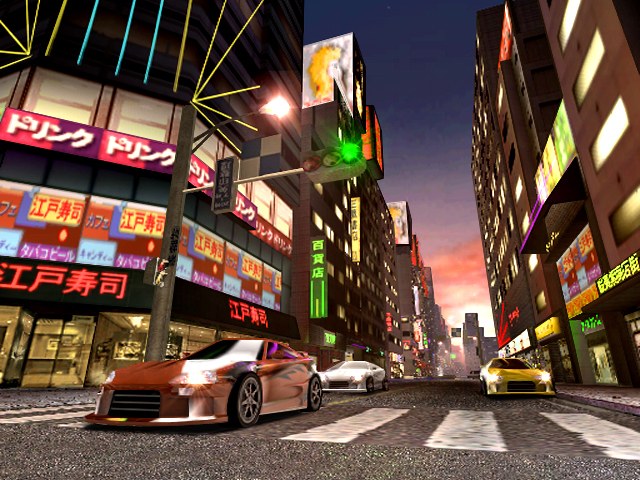
As an in-house studio, Rockstar San Diego shipped Midnight Club II on April 8, 2003, with online play and three cities, Los Angeles, Paris and Tokyo. Dan Houser's launch release billed it as "the fastest racing game ever created." Midnight Club 3: DUB Edition followed in April 2005, made with DUB, a Los Angeles magazine about custom car culture, with Atlanta, San Diego and Detroit and more than 50 licensed, fully customizable cars.
What changed when EA bought RenderWare
RenderWare was middleware, software a studio licenses from another company instead of writing it. Criterion said it had been used in about 500 games, and its customers included Activision, Konami, THQ, Ubisoft and Rockstar, GameSpot reported. EA paid roughly $48 million for Criterion and promised to keep licensing the tools. Rockstar could have stayed on, but every license fee and royalty would have gone to a competitor.
Ownership wasn't the only issue. Obbe Vermeij, a former technical director at Rockstar North, said in a post on X that engines like RenderWare mostly handled rendering, while modern engines also cover physics, a level editor and the pipeline that moves artists' work into the game.
In an interview with GTABase, Vermeij added that the timing worked out. Rockstar got to finish San Andreas on RenderWare, and a lot had to change after that anyway. The next GTA was headed to Xbox 360 and PlayStation 3.
How RAGE was born, and why ping-pong came first
King helped bring engineers from Rockstar North in Edinburgh and Rockstar Vienna, the company's Austrian studio, into San Diego. Vermeij remembers RAGE as Rockstar San Diego's work, with San Diego staff flying to Scotland to help, and says the engine never felt like an outside product. One new thing for the Rockstar North team was shaders, the small programs that decide how light reflects off each surface, which they had never used before.
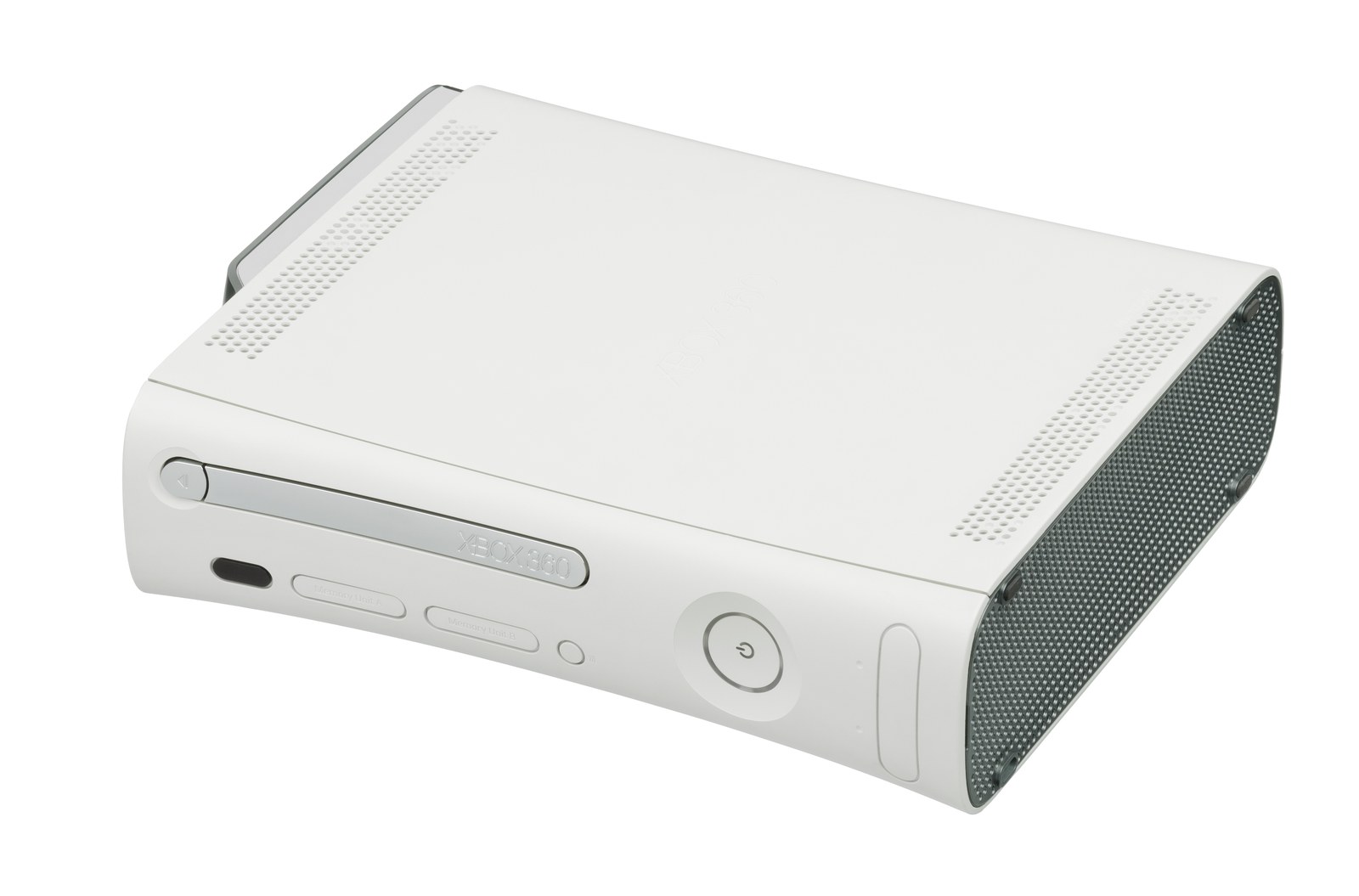
Before betting a GTA on it, the engine needed a smaller test. King says Rockstar Games presents Table Tennis started as a Rockstar San Diego tech demo meant to prove RAGE's physics, and it shipped because it was a small, realistic project to finish on time. The Xbox 360 fit the same logic. King recalls that its three processor cores worked together without much fuss, so the code could afford to be sloppier than on PlayStation 3. Sam Houser's public pitch was different. He wanted a sports game with the intensity of a fighting game, as Kotaku recounted.
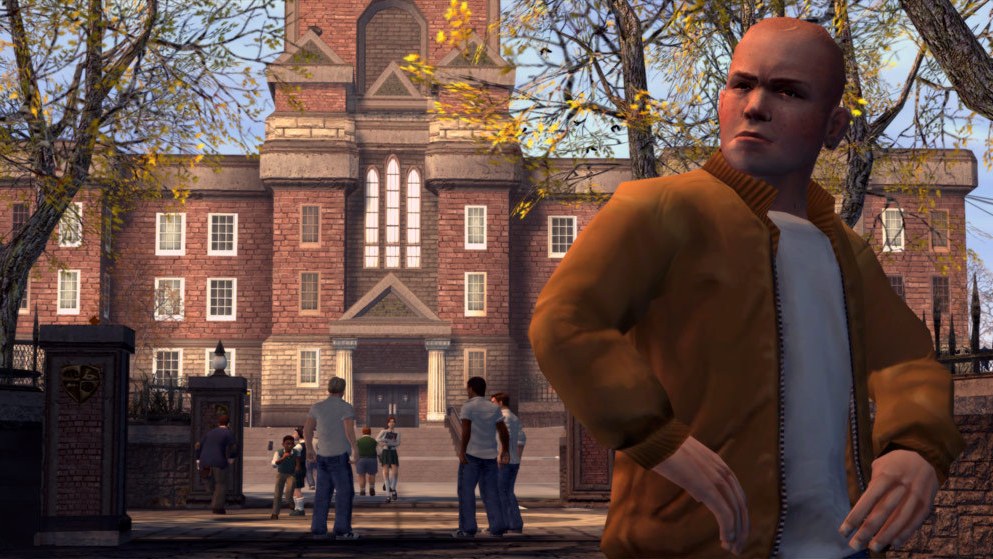
Table Tennis hit U.S. stores on May 23, 2006, as an Xbox 360 exclusive for $39.99, with 11 players, more than 15 arenas and online tournaments for up to eight people, according to Rockstar's release. TeamXbox named it the best sports game of E3 2006, the industry's big annual trade show in Los Angeles. That same year Rockstar Vancouver released Bully, set at Bullworth Academy. A Wii version followed in 2007.
What Euphoria added to RAGE
A physics engine calculates how things fall, collide and roll based on their weight and the forces acting on them. People were its weak spot. When a character got hit, a game either played a canned animation or let the body drop like a rag doll with no instinct to protect itself. NaturalMotion, founded in Oxford in 2001 by Torsten Reil, set out to fix that. Reil began in the university's zoology department simulating nervous systems, and his programs learned to walk by trial and error, according to the University of Oxford.
That research became Euphoria. Rather than replaying recorded motion, it simulates a body's muscles, balance and motor control in real time, so a character who gets shoved can try to regain its balance instead of repeating the same fall every time. Rockstar announced the deal on Feb. 27, 2007, after months of joint work. Reil's pitch was simple: "We now have the processing power to simulate humans."
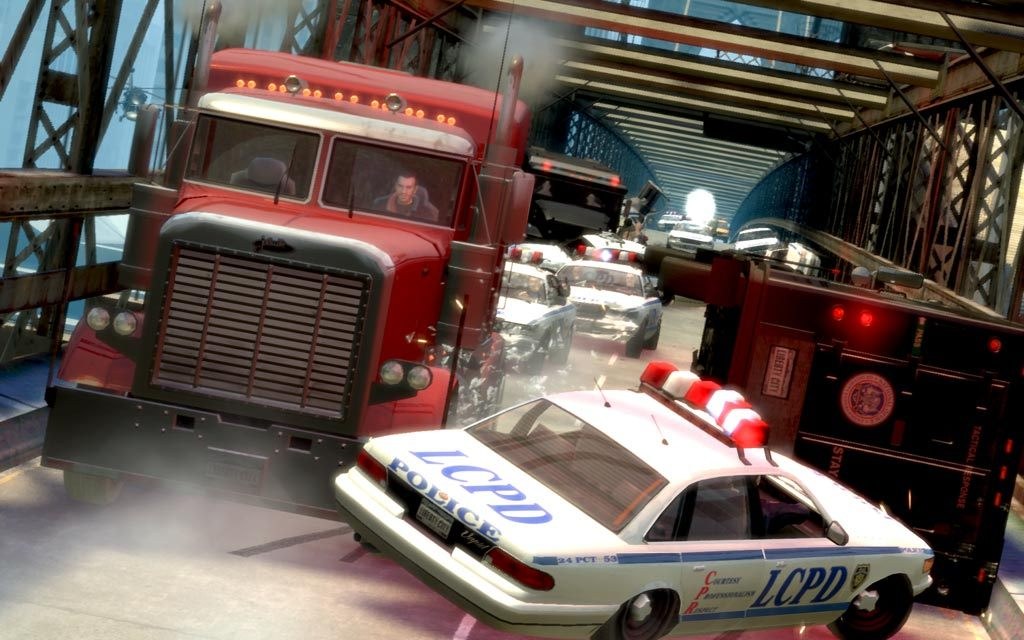
In June 2007 Rockstar confirmed that GTA IV ran Euphoria on top of RAGE. GTA IV shipped in 2008 and is still sold on PC as the Complete Edition. Rockstar San Diego built Red Dead Redemption on the same foundation in 2010, and the same focus on how bodies move shows up in the animation patents Take-Two filed ahead of GTA VI.
Frequently asked questions
What is Rockstar's RAGE engine?
RAGE stands for Rockstar Advanced Game Engine, the studio's in-house technology for drawing the game, handling physics and giving artists their tools. Rockstar San Diego, formerly Angel Studios, built it with help from Rockstar North after EA bought RenderWare in 2004. It debuted in Table Tennis in 2006 and went on to power GTA IV, GTA V and the Red Dead Redemption games.
Why did Rockstar stop using RenderWare?
On July 28, 2004, Electronic Arts, Take-Two's direct rival, agreed to buy Criterion, the company that licensed RenderWare. Rockstar could have kept paying, but the fees would have gone to a competitor. RenderWare also mostly handled rendering, and the Xbox 360 and PS3 generation demanded big changes anyway. Rockstar North finished San Andreas on RenderWare and moved to RAGE for GTA IV.
Who founded Angel Studios, the studio that became Rockstar San Diego?
Colombian entrepreneur Diego Angel founded it in Carlsbad, California, in the mid-1980s. It did computer graphics for The Lawnmower Man, made Nintendo 64 games and developed Midnight Club and Smuggler's Run for Rockstar. Take-Two bought it on Nov. 20, 2002, for $28 million plus stock and renamed it Rockstar San Diego.
What was the first game made with the RAGE engine?
Rockstar Games presents Table Tennis, an Xbox 360 ping-pong game released in the U.S. on May 23, 2006, for $39.99. Co-founder Jamie King says it started as a Rockstar San Diego tech demo to prove the engine's physics before Rockstar trusted it with a GTA. A Wii version arrived in 2007.
What is Euphoria in GTA IV?
Euphoria is technology from NaturalMotion, a company spun out of Oxford University in 2001, that simulates a body's muscles and balance in real time. Instead of replaying a recorded animation, a shoved character tries to catch itself. Rockstar announced the deal in February 2007, and GTA IV was the first GTA to use it.
The conversation starts here
Sign in with a supporter account to comment. Sign in
Nobody has commented yet. Want to go first?