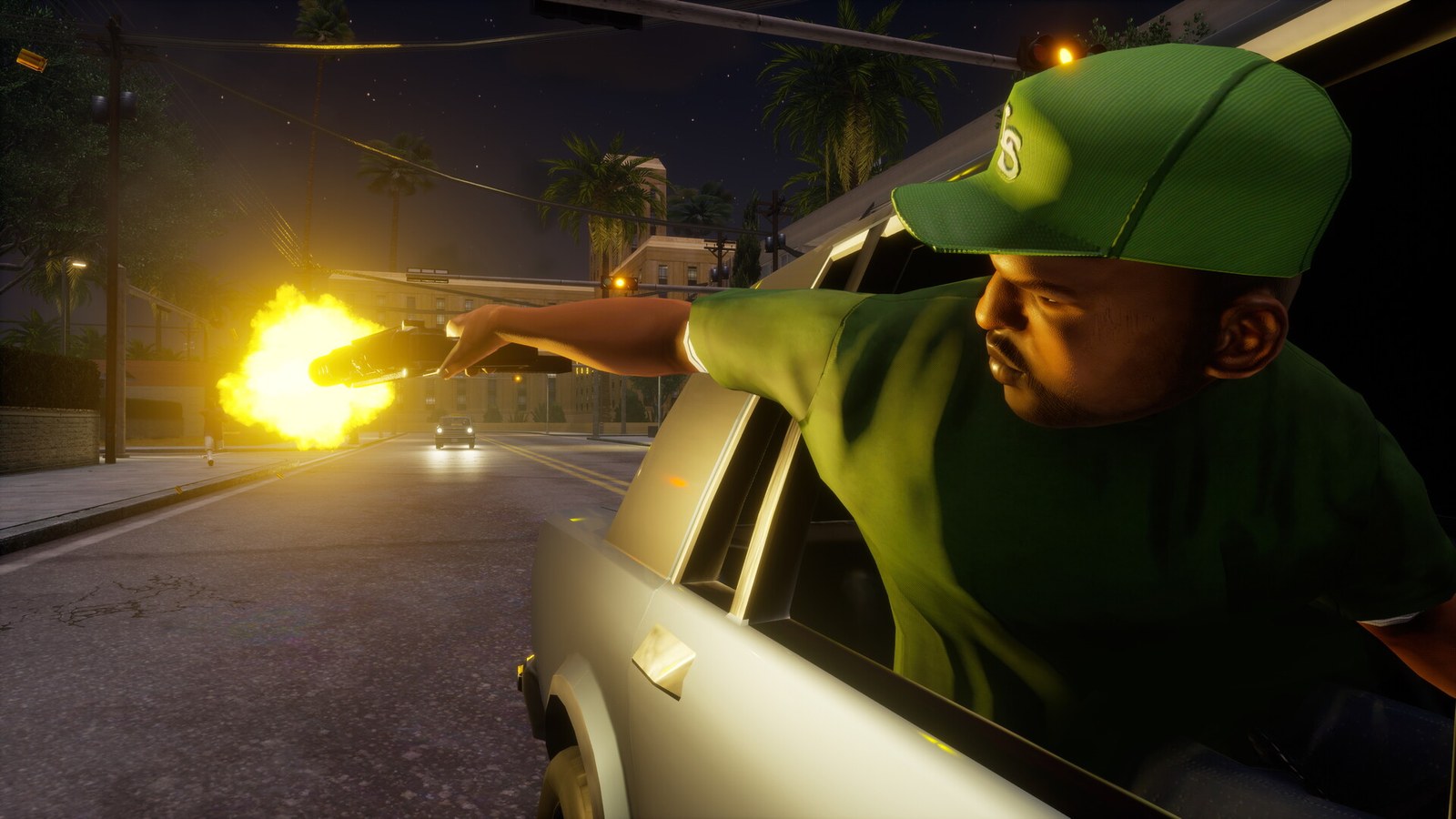

On July 20, 2005, the ESRB, the board that assigns age ratings to games in the U.S. and Canada, pulled the M (Mature 17+) rating from Grand Theft Auto: San Andreas and re-rated it AO, Adults Only. That made it the first console game ever to carry the label. Nothing a normal player could see had changed. The disc held a sex minigame Rockstar had locked away without deleting, and a fan had found the key.
The fallout lasted three years. Take-Two, Rockstar's parent company, put the cost of returns at $24.5 million, signed a consent order with the Federal Trade Commission over how it discloses game content and fought lawsuits from customers and shareholders. In 2007 the same rating stopped Manhunt 2 cold, and Jack Thompson, the loudest lawyer in the anti-Rockstar camp, ended up disbarred for life.
What Hot Coffee actually was
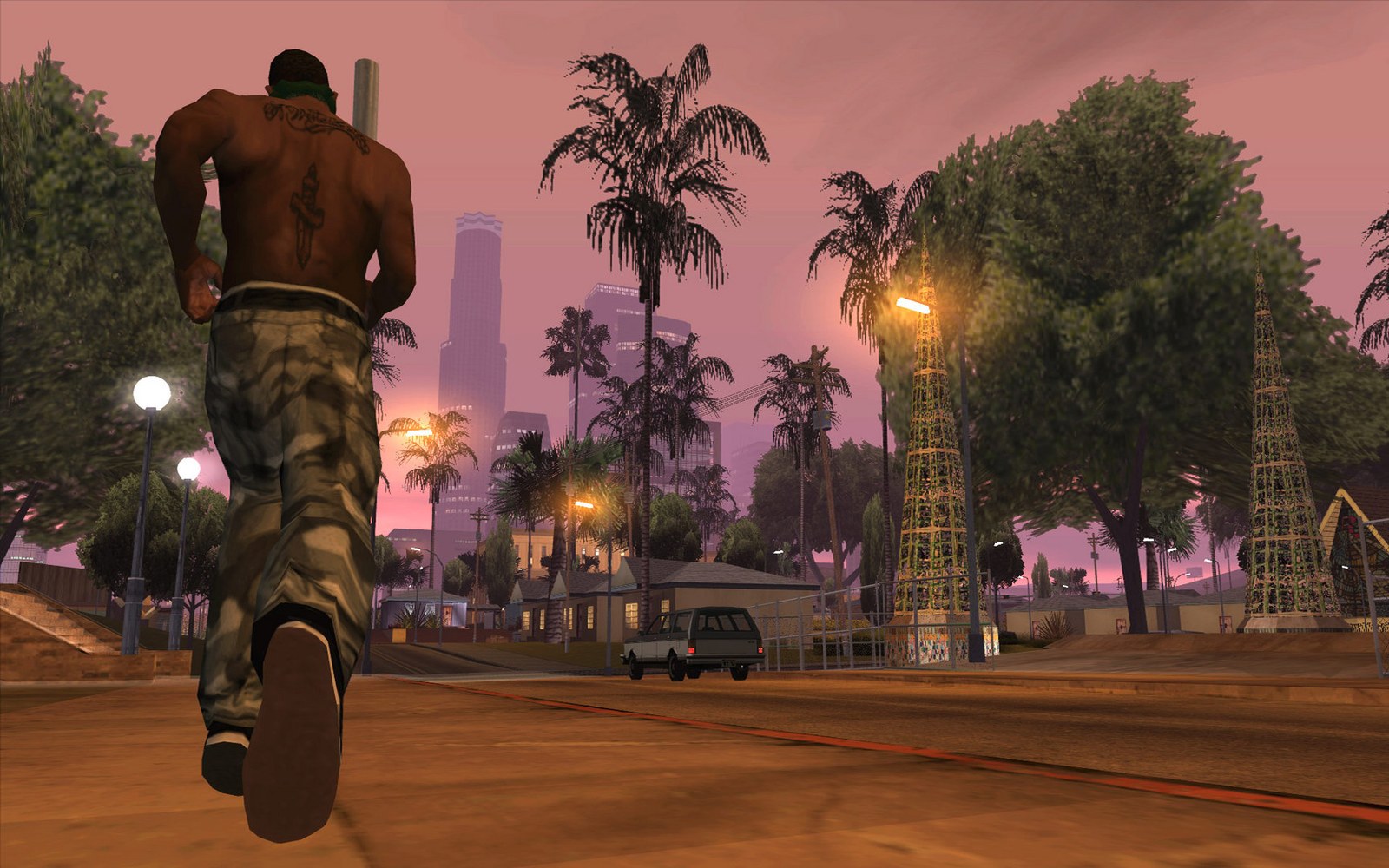
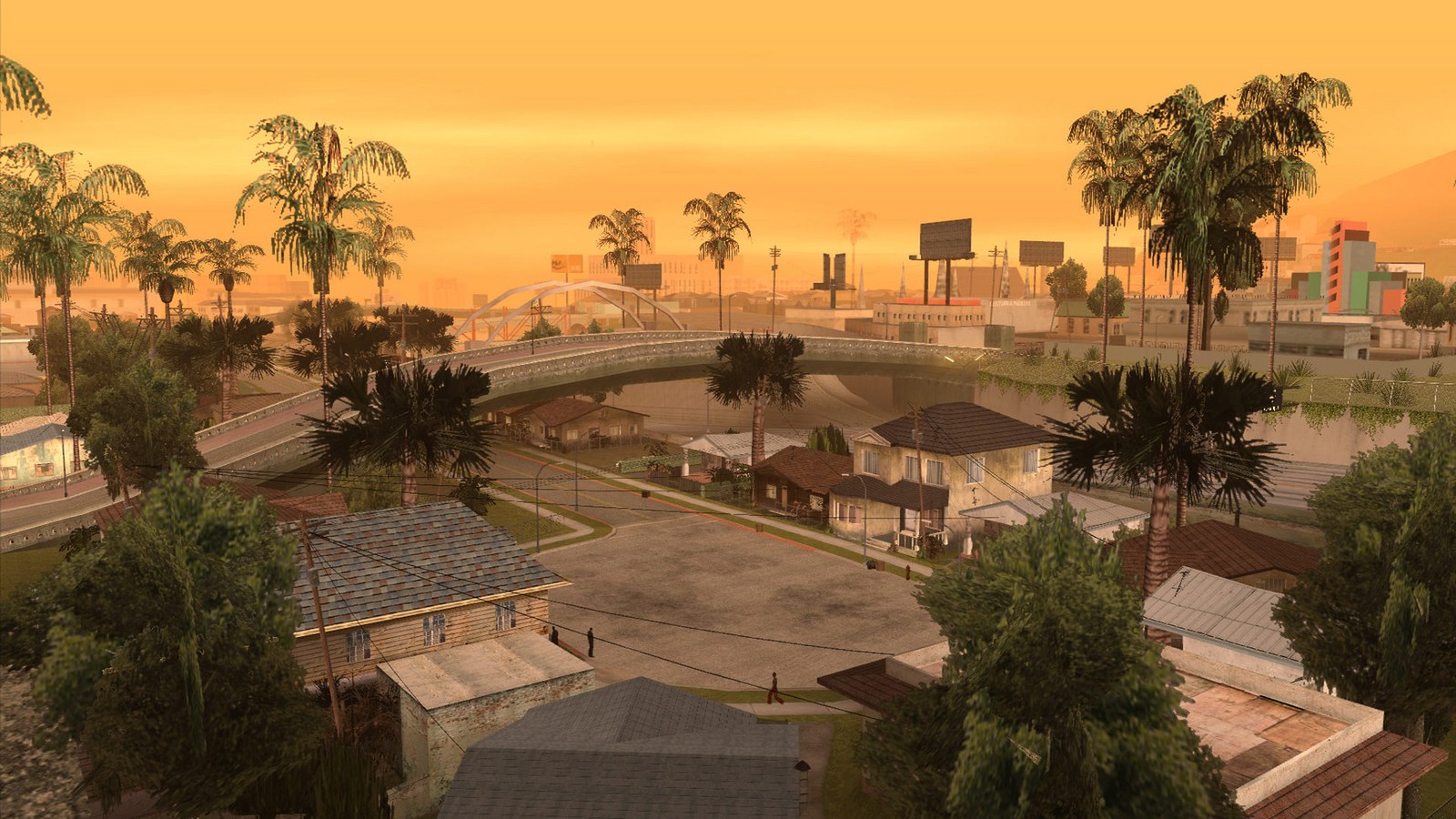
San Andreas hit PlayStation 2 in October 2004, as our San Andreas chapter recounts, and PC and Xbox on June 7, 2005. Rockstar had built an interactive sex scene that followed CJ's dates with his girlfriends, then switched it off, but left the code and animations on the disc.
A mod is a fan-made change to a game's files. As designer Brenda Brathwaite later reconstructed for Gamasutra, modder Barton Waterduck spotted the first fragments in the PS2 version, and Dutch software engineer Patrick Wildenborg posted a PC patch that turned them back on June 9, 2005. People called it Hot Coffee. Once mainstream outlets picked up the story, downloads jumped from a couple of thousand to more than a million. On PS2 and Xbox, getting there took a modified console or an accessory plus cheat codes such as Action Replay's.
From blaming hackers to an Adults Only rating
In early July, California Assemblyman Leland Yee warned parents, and Rockstar blamed "a determined group of hackers" for taking its code apart. That defense didn't hold. The same cheat codes opened the scene on store-bought PS2 copies, which pointed straight back at Rockstar as the author.
On July 14, Sen. Hillary Clinton of New York asked the FTC to find out where the content came from. Six days later the ESRB pulled the M after its president, Patricia Vance, said the explicit material sat on the final PS2, Xbox and PC discs "in a fully rendered, unmodified form."
AO is not just one year older than M. Most big U.S. retailers won't stock AO games, so in practice it means vanishing from shelves. Take-Two halted production, promised a PC patch that blocked the mod and cut its quarterly sales outlook from about $205 million to $160 million to $170 million. A second edition without Hot Coffee, rated M again, reached stores in September.
M never meant no sex. San Andreas already carried a Strong Sexual Content descriptor, and GTA VI ships rated M with descriptors for nudity and strong sexual content, as our guide to its age rating explains. What the ESRB punished was more explicit material that nobody had shown it.
What the FTC decided
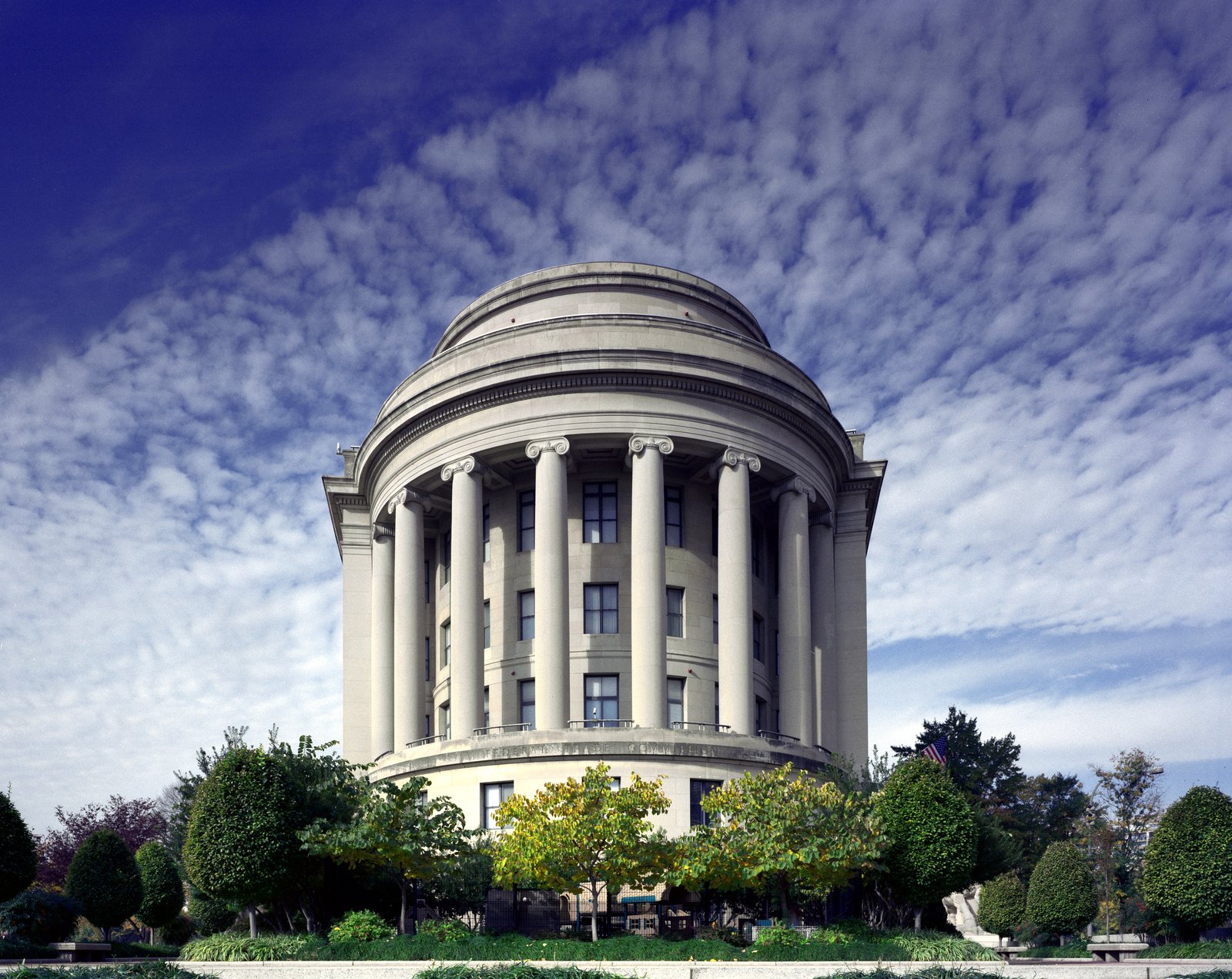
On July 25, 2005, the House voted 355 to 21 for a resolution urging the FTC, the federal agency that polices deceptive advertising, to investigate whether Rockstar had misled the ESRB. The complaint the agency eventually brought didn't accuse Rockstar of selling sex. It accused the companies of advertising an M rating and five content descriptors on the box while staying silent about a sex minigame and nude textures the ESRB had never reviewed, information the agency said many parents would have wanted.
On June 8, 2006, the commission voted 5-0 to accept a settlement, finalized that July, with no fine over San Andreas. Take-Two and Rockstar agreed to disclose all rating-relevant content, not to misrepresent ratings and to review everything on a disc before submitting it. Each future violation can cost up to $11,000, and the order can run for up to 20 years. "Parents have the right to rely on the accuracy of the entertainment rating system," said Lydia Parnes, the FTC's consumer protection chief. The ESRB, for its part, now required every publisher to disclose or strip out anything left on a disc, playable or not.
The Manhattan district attorney also subpoenaed Take-Two before a grand jury in June 2006, and the stock fell nearly 20% after the news.
The lawsuits: 2,676 claims and $20 million for investors
The courts moved first. In late July 2005, Florence Cohen, an 85-year-old New Yorker who had bought the game for her 14-year-old grandson, sued Take-Two and Rockstar for false advertising on behalf of buyers nationwide. Hers became one of four consumer class actions combined in federal court in Manhattan, joined in January 2006 by a suit from the Los Angeles city attorney.
In November 2007, without admitting wrongdoing, Take-Two agreed to a settlement offering a replacement disc or up to $35 to anyone who swore the content had offended them and could show a receipt. According to Shacknews, just 2,676 people filed claims, worth less than $30,000 combined. With turnout that low, Judge Shirley Wohl Kram ruled in July 2008 that the case could no longer proceed as a class action, and the deal collapsed. Shareholders who sued over the stock drop did better. In 2009, Take-Two agreed to pay them $20,115,000, $15.2 million of it from insurers.
Jack Thompson, from Alabama to disbarment
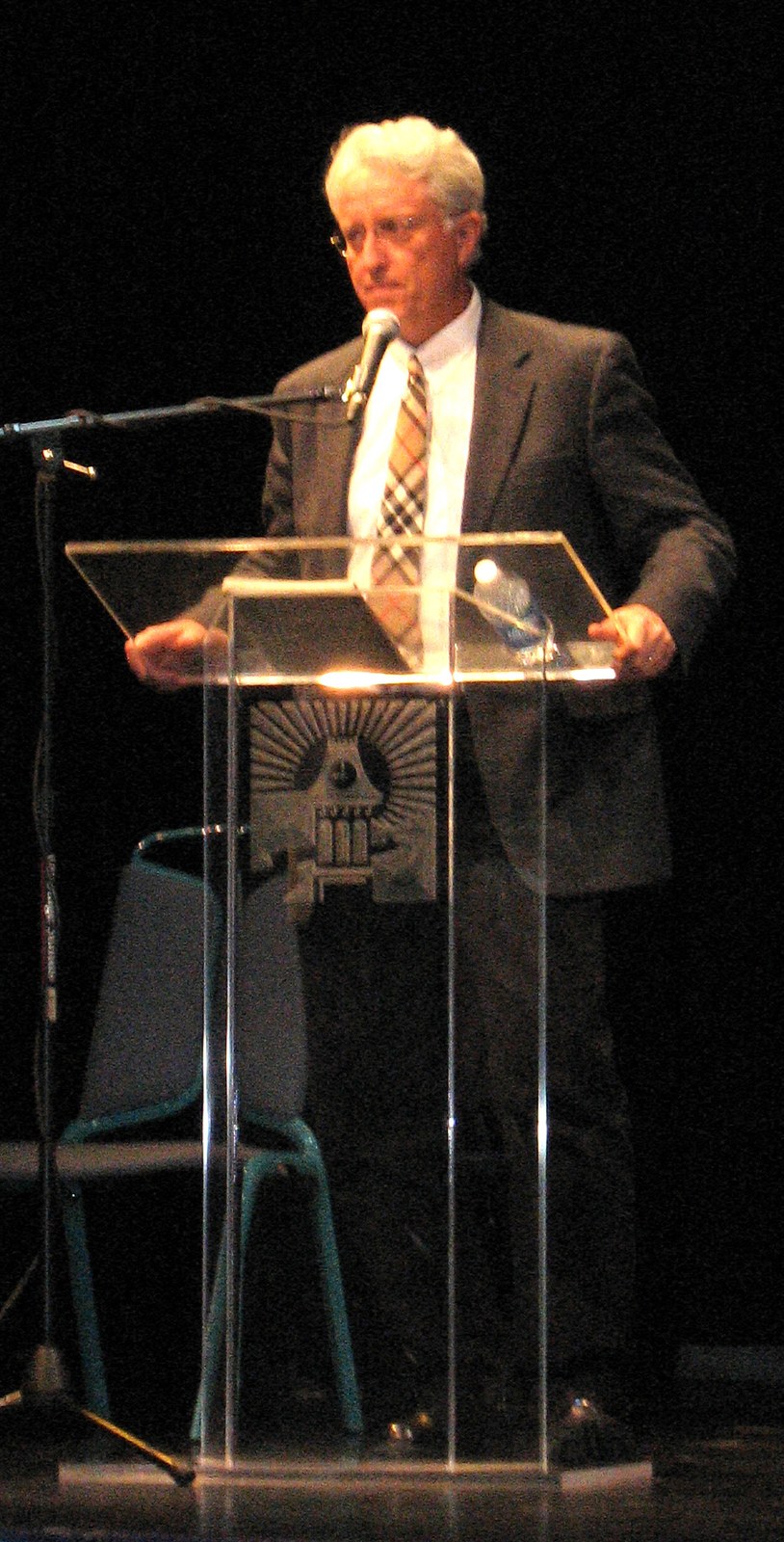
Jack Thompson was a Florida attorney who blamed violent video games for real crimes. In 2005 he represented the families of police officers killed by Devin Moore in Alabama in a suit against Take-Two, Sony and Wal-Mart that pointed to GTA III and its sequels. That November, after a stream of press releases attacking defense lawyers, Judge James Moore revoked his permission to practice in the state. In July 2009, the court ruled for Take-Two.
In October 2006, Thompson failed to get a Florida judge to block Bully, Rockstar's next game, and his behavior in that courtroom drew a contempt charge. When he threatened the same against Manhunt 2 and GTA IV, Take-Two sued him in March 2007. By April he had agreed not to sue or threaten suits to restrict sales of any Take-Two game, though he could still criticize them.
On Sept. 25, 2008, the Florida Supreme Court permanently disbarred him. The referee, Judge Dava Tunis, had found a pattern of harassing and intimidating opponents, including false statements to courts and hundreds of pages of disparaging letters and faxes.
Manhunt 2 and the second AO
Meanwhile Rockstar was making a sequel to Manhunt, the 2003 stealth-and-execution game covered in our previous chapter. Rockstar Vienna started it before closing on May 11, 2006, and Rockstar London finished it.
On June 19, 2007, the BBFC, Britain's film and game classification board, refused to rate it, which meant it could not legally be sold there. The board hadn't turned away a game since Carmageddon in 1997. Director David Cooke cited its "unremitting bleakness and callousness of tone." The same day the ESRB's AO rating came to light, and the next day Ireland made it the first video game banned in the country.
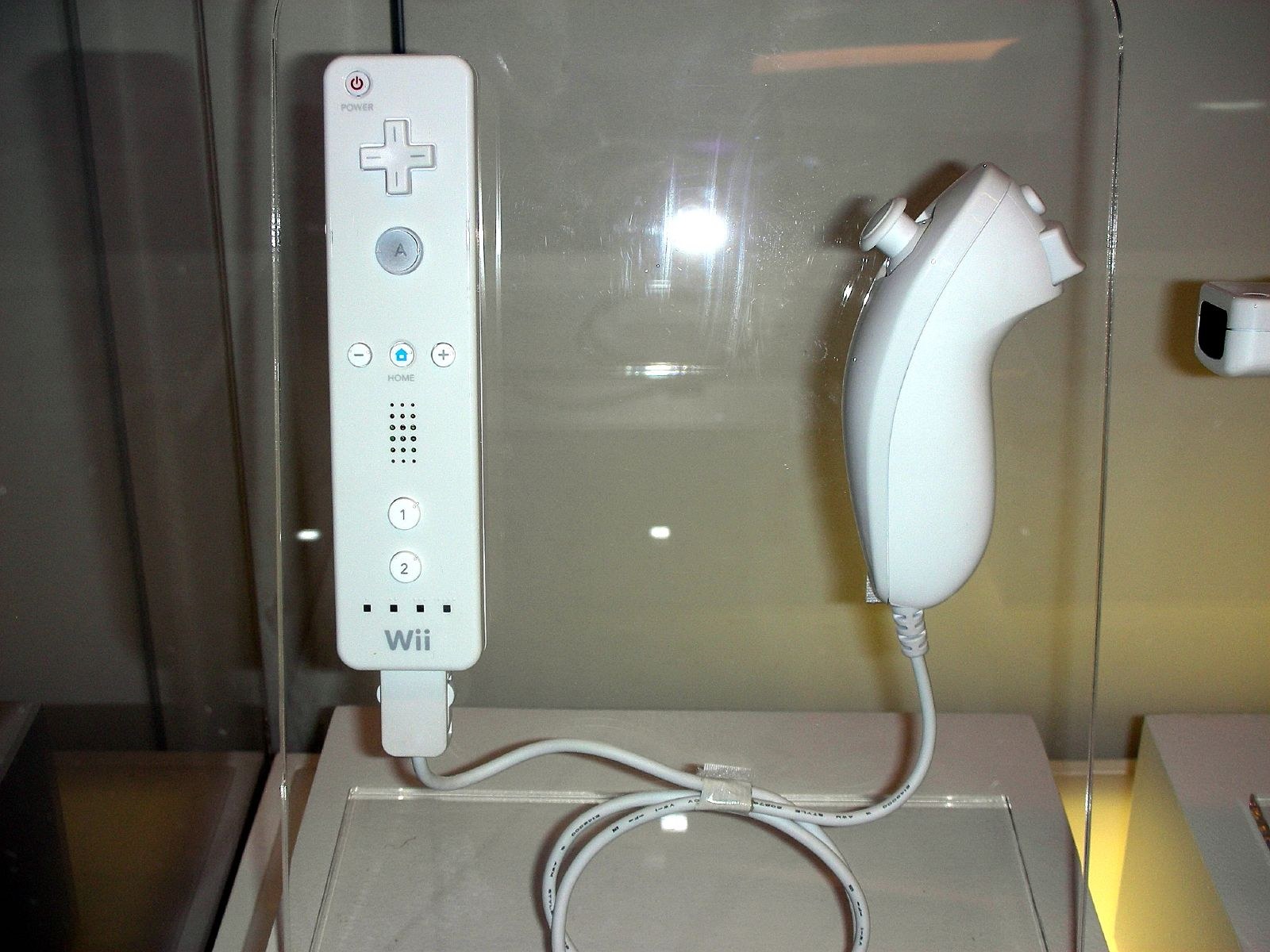
Neither Sony nor Nintendo would release it with an AO on their consoles, so Take-Two suspended the launch that same week. Rockstar obscured most kills with visual effects, won an M on Aug. 24 and shipped the game on PS2, PSP and Wii in late October. When a hack that stripped those filters spread, the ESRB kept the M, saying Rockstar had disclosed everything and that, unlike Hot Coffee, there was no hidden content to unlock.
In Britain the courts decided. After the BBFC turned down the edited version too in October 2007, an appeals committee sided with Rockstar 4-3 in December, the High Court quashed that ruling in January 2008, and in March the committee voted 4-3 again. The BBFC granted an 18, and Manhunt 2 reached British stores on Oct. 31, 2008, a year after its U.S. launch.
Frequently asked questions
What was the Hot Coffee mod in GTA San Andreas?
Hot Coffee was an interactive sex minigame Rockstar built, disabled and left on the GTA San Andreas disc. In June 2005, Dutch modder Patrick Wildenborg released a PC patch that switched it back on. On PS2 and Xbox, players needed a modified console or an accessory plus third-party cheat codes to reach it.
Why was GTA San Andreas re-rated Adults Only?
The ESRB found that Hot Coffee's explicit content sat fully rendered on the PS2, Xbox and PC discs and had not been disclosed when the game was rated. On July 20, 2005, it revoked the M rating and assigned AO. Rockstar shipped an edited version with the M rating restored that September.
Did the FTC fine Rockstar over Hot Coffee?
No. In June 2006, Take-Two and Rockstar settled with the FTC in a 5-0 vote, finalized that July, with no fine over San Andreas. They agreed to disclose all rating-relevant content and to review everything on a disc before rating submissions. Future violations can cost up to $11,000 each.
Who is Jack Thompson and why was he disbarred?
Jack Thompson is a Florida attorney who sued and threatened Take-Two over games including GTA, Bully and Manhunt 2. In 2007 he agreed to stop suing to block its games. On Sept. 25, 2008, the Florida Supreme Court permanently disbarred him for a pattern of harassment, false statements to courts and attacks on opponents.
Why did Manhunt 2 get an AO rating?
The ESRB's AO rating for violence came to light in June 2007, the same day Britain's BBFC refused to classify it. Because Sony and Nintendo wouldn't release AO games, Take-Two suspended the launch. An edited version earned an M that August and shipped in North America in October 2007, and in the U.K. in October 2008.
The conversation starts here
Sign in with a supporter account to comment. Sign in
Nobody has commented yet. Want to go first?