

Rockstar Games didn't make the first Grand Theft Auto. It didn't exist yet. The game came out of DMA Design, a studio in Dundee, on Scotland's east coast, best known for Lemmings. It was funded and sold by BMG Interactive, the video game arm of a record company, where a young Sam Houser ran development. And before it reached stores in late 1997, it had already been raised in Britain's House of Lords, with some help from a publicist who specialized in scandal.
This is the first installment of The Rockstar Games story, a 19-part series running daily through December 6 that traces how that group of people got to GTA VI, which launches November 19. Part one runs from the mid-1980s, when DMA's future founders met at a computer club, to the 1997 release and the sale that followed.
Who Sam Houser was before Rockstar
Sam Houser was born in London in 1971 to actress Geraldine Moffat and Wally Houser, a lawyer and saxophonist who for decades handled the legal affairs of London's Ronnie Scott's jazz club without charging a fee.
In 1990 he landed a summer job sorting mail at BMG Records in London, the music label owned by German media group Bertelsmann. He stayed on part time through college, from 1991 to 1994, working on pop videos and VHS releases, then moved to BMG's new interactive division after graduating, according to the timeline he gave MCV in 2008. By 1996 he was head of development at BMG Interactive.
In games, a publisher is the company that writes the checks, manufactures the copies, buys the advertising and gets the product into stores. The studio builds the game. Strauss Zelnick, a BMG executive, was among those who talked Bertelsmann into the business, as Music Business Worldwide has reported. Houser's job was to find studios, check work-in-progress versions and shepherd projects to retail. The team in Dundee didn't actually meet him until late in development.
How a Dundee studio struck gold with Lemmings
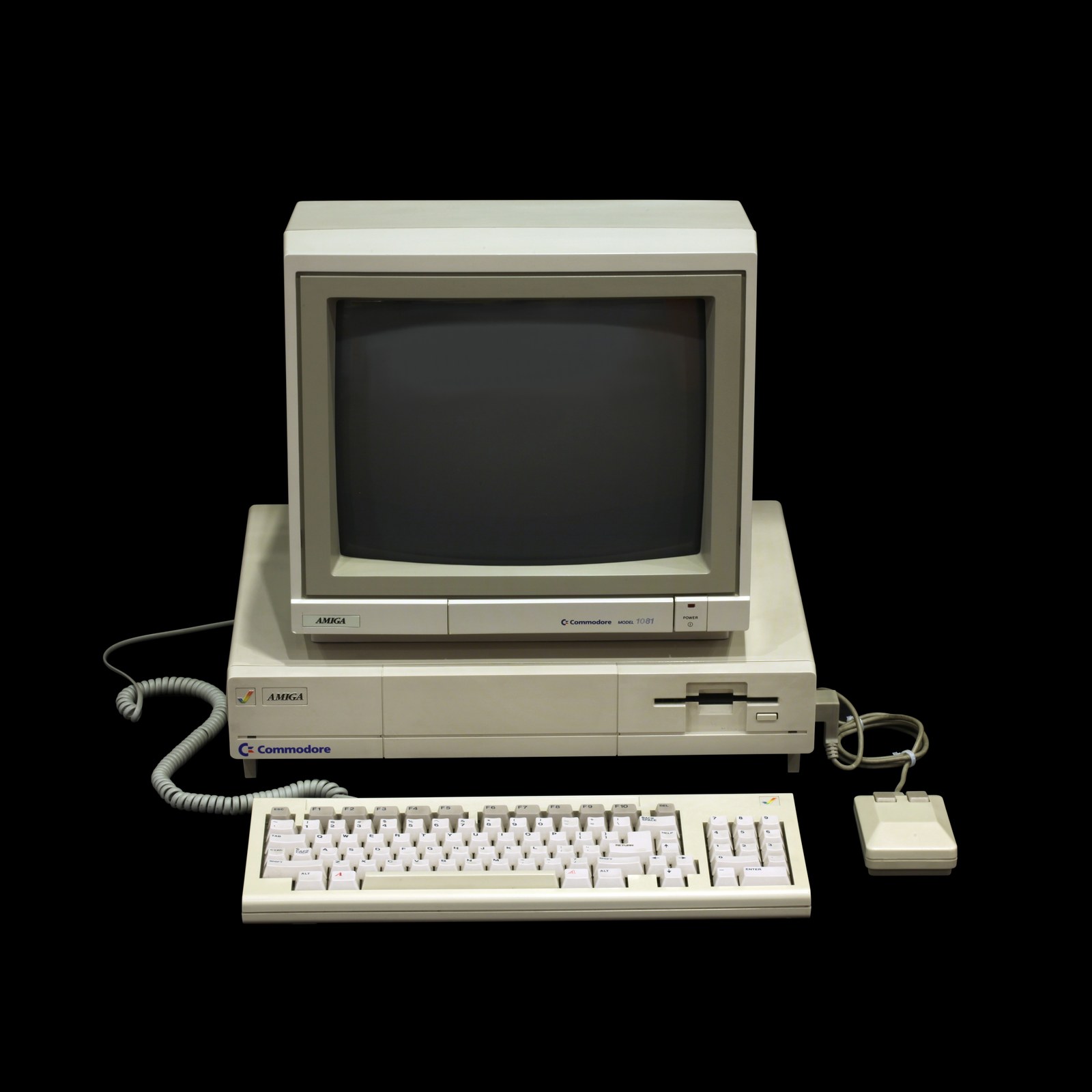
DMA Design started with David Jones, an electronics engineer at the Timex factory in Dundee. He took voluntary redundancy and, according to Scottish press accounts, used the roughly £3,000 payout to buy an Amiga 1000, one of the most capable home computers of the mid-1980s. Jones was part of the Kingsway Amateur Computer Club, an informal group at Dundee College whose members included Mike Dailly, Russell Kay and Steve Hammond, all of whom would end up working with him.
He founded DMA in 1987 as a side project while finishing a computer science degree, partly because there were no studios in the area to work for, he told Gamasutra in 2006. His first games, Menace (1988) and Blood Money (1989), went to Psygnosis, the closest publisher he could find, about 250 miles away.
The breakthrough began as a throwaway animation. Dailly drew tiny figures marching up a hill and dying on a loop, and Jones saw a game in which you keep the creatures alive by assigning them jobs like digging or blocking. Lemmings hit the Amiga in February 1991 and sold 55,000 copies on day one. DMA grew fast and took on several projects at once, and they ate money. According to Keith Hamilton, who led the project that became GTA, Jones ended up selling BMG the rights to that game to keep the company afloat.
Race'n'Chase: the cop game nobody wanted to play as a cop
By late 1994, Dailly was building a graphics engine that showed a city from above. An engine is the core software that calculates and draws the world, the vehicles and the camera, and everything else in a game is built on top of it. Jones liked how that overhead view conveyed speed and height, exactly what an over-the-top police chase needed.
The design document, dated March 22, 1995, and posted by Dailly in 2011, pitched Race'n'Chase as a multiplayer car racing and crashing game set in three cities modeled on New York, Venice and Miami. Pedestrians you could run over were already in, along with stepping out of one car to steal another and alarms that brought the police. Venice's canals went early, because switching from car to boat felt clumsy.
Early builds let you play as either a cop or a criminal. The cop had to obey traffic laws, staying off sidewalks and out of parks, and DMA writer and PR lead Brian Baglow likened it to a driving-school simulator. "It was more fun to break the law," Hamilton said. The cop option was cut.
Designer Paul Farley also pushed to pull missions out of a menu and scatter them around the map. You picked them up at pay phones and took them whenever you felt like it, while traffic and pedestrians went about their business. A city that keeps running between jobs became the template for every GTA since.
The police bug that saved the game
The project was in trouble. Gary Penn, DMA's creative director, told Gamasutra in 2011 that the game crashed constantly, designers couldn't test anything and the cars handled terribly. BMG Interactive, he said, wanted to kill it because it didn't seem to be going anywhere. Jones had budgeted 18 months. It took about 30.
The fix arrived as a mistake. Penn believes a bug in the code that decided where cars drove turned the police "mental and aggressive." Squad cars tried to drive straight through the player and ran him off the road. Chases suddenly felt wild and dramatic, so the team left it alone.
It wasn't the only happy accident. A bit of code that made some pedestrians follow another produced the lines of Hare Krishna devotees, and mowing down a whole line earned a "Gouranga!" bonus, a word Hamilton had seen spray-painted on a bridge in Glasgow. Along the way, Race'n'Chase lost its name, partly because it clashed with a Matchbox slot-car set, and became Grand Theft Auto, after the American legal term for stealing a car.
Max Clifford and the outcry in the House of Lords
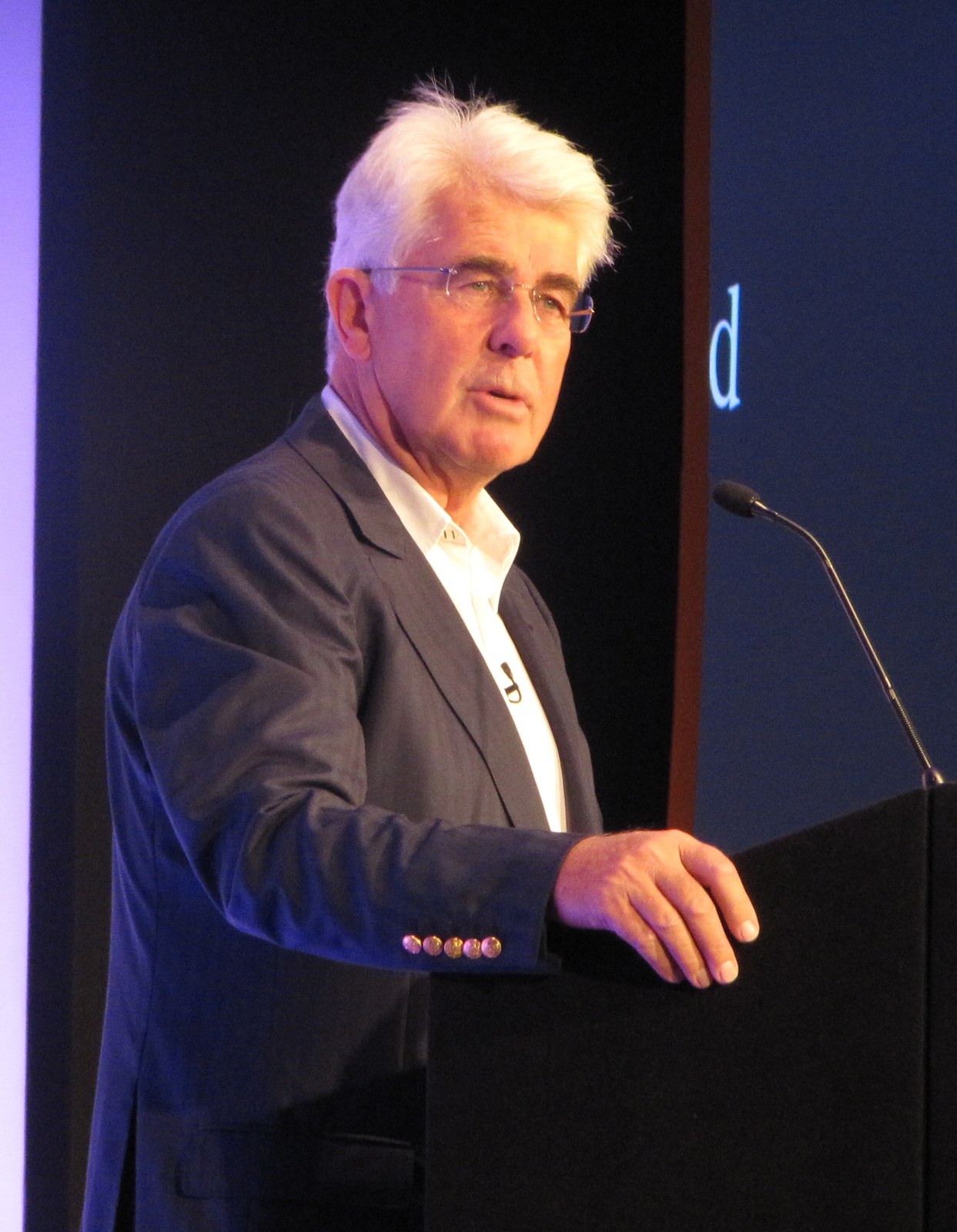
BMG knew the game would offend people and decided to cash in. It hired Max Clifford, Britain's best-known tabloid publicist, famous for the bogus 1986 story that comedian Freddie Starr had eaten a hamster. In 2012, Dailly said Clifford "designed all the outcry" and that it all but guaranteed lawmakers would get involved.
On May 20, 1997, Lord Campbell of Croy asked in the House of Lords, the upper chamber of Britain's Parliament, whether the government would act against a game about stealing cars, running people down and fleeing police. Lord Williams of Mostyn, answering for the Home Office, said games with gross violence or that encouraged crime had to go to the BBFC, Britain's film and video classification board. Unlike the industry-run ESRB in the U.S., its ratings carry the force of law, and a refusal to rate the game would have made selling it illegal.
The tabloids did the rest. As MEL Magazine recounts, drawing on David Kushner's book Jacked, one paper branded it a game that glorified hit-and-run thugs, and when Baglow crashed his own car, Clifford spun it into another story about the "sick" game's boss losing his license. Clifford was jailed in 2014 for eight indecent assaults committed between 1977 and 1985, and died in 2017.
What the first GTA was, and how it sold
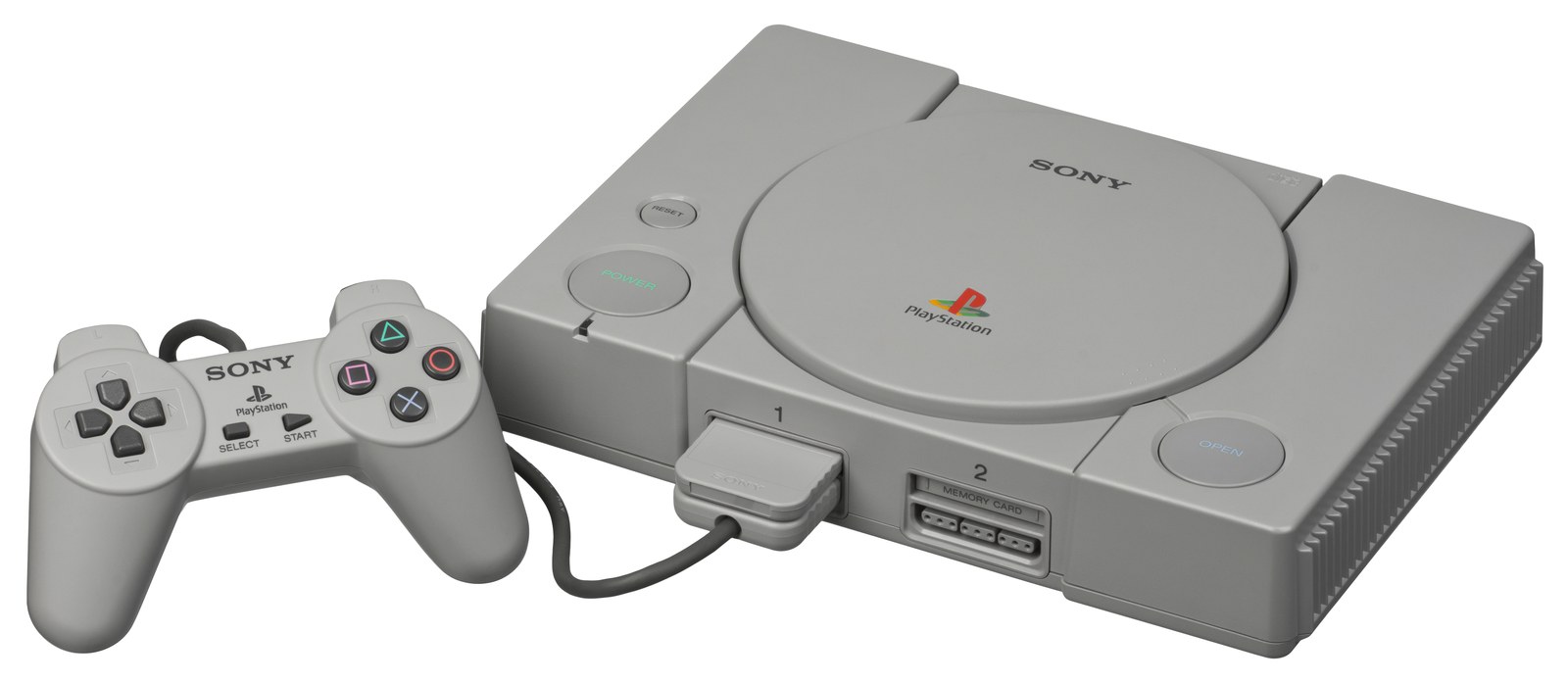
On December 3, 1997, the government confirmed in writing that the BBFC had given the game an 18 certificate, meaning a store that sold it to a minor risked up to six months in jail or a £5,000 fine. Grand Theft Auto reached PCs in late 1997 and hit PlayStation in Europe on December 12. American PlayStation owners waited until June 30, 1998.
You played with the camera in the sky, looking straight down at cars barely an inch long. There were three cities, Liberty City, San Andreas and Vice City, modeled on Manhattan, San Francisco and Miami, names the series has recycled for three decades, right up to GTA VI's Vice City. Every car had its own radio station, and Colin Anderson's audio team wrote songs for invented bands that sounded so real Baglow let people believe they were licensed.
It worked. According to Grand Thieves & Tomb Raiders, by Magnus Anderson and Rebecca Levene, the game sold about 500,000 copies in Britain that Christmas and roughly a million more worldwide. Brazil banned it. In the U.S., BMG's own American office nearly scrapped the launch three months before release, convinced nobody would buy a game that wasn't fully 3D. Back in the Lords in January 1998, Lord Avebury said his 12-year-old son had played a magazine demo with no urge to steal cars. The minister suggested he might want to have a private word with his son.
Bertelsmann, meanwhile, had decided to quit games just as GTA was about to ship, according to Zelnick. In March 1998 it sold BMG Interactive to New York's Take-Two Interactive for $9 million, staff and GTA rights included. Zelnick, who fought the sale, called it going for "a penny, essentially." In 2007 he took charge of Take-Two himself. The sale sent Sam Houser to New York, which is where part two begins.
Frequently asked questions
Who made the first GTA?
The original Grand Theft Auto was developed by DMA Design, the Dundee, Scotland, studio David Jones founded in 1987 and best known for Lemmings. Mike Dailly built the graphics engine, Keith Hamilton led the project, and Paul Farley and Gary Penn worked on the design. BMG Interactive, where Sam Houser was head of development, funded and published it. Rockstar Games did not exist yet.
What was Race'n'Chase?
Race'n'Chase was the working title of the project DMA Design turned into Grand Theft Auto. A March 1995 design document described a multiplayer car racing and crashing game with three cities modeled on New York, Venice and Miami. Early builds let you play as a cop or a criminal, but the team dropped the cop role because nobody enjoyed it.
Was GTA really born from a bug?
Partly. Gary Penn, DMA's creative director, said in 2011 that broken route-finding made the game's police extremely aggressive, with squad cars trying to ram the player off the road. The chases became so exciting that the team kept the behavior. Penn also said BMG Interactive nearly canceled the game, which crashed constantly and didn't seem to be going anywhere.
Why was the first GTA debated in the British Parliament?
On May 20, 1997, Lord Campbell of Croy asked in the House of Lords whether the government would act against a game built around stealing cars and fleeing police. BMG had hired publicist Max Clifford, who, according to the developers, engineered the outcry to generate attention. Britain's BBFC ultimately rated the game 18, for adults only.
When did the first GTA come out, and how well did it sell?
Grand Theft Auto launched on PC in late 1997 and on PlayStation in Europe on December 12, 1997. The U.S. PlayStation version followed on June 30, 1998. According to the book Grand Thieves & Tomb Raiders, it sold about 500,000 copies in Britain that Christmas and roughly a million more around the world.
The conversation starts here
Sign in with a supporter account to comment. Sign in
Nobody has commented yet. Want to go first?