
Rockstar Games was founded in New York in December 1998 as a label inside Take-Two Interactive. Its founders were Sam Houser, his younger brother Dan Houser, Terry Donovan, Jamie King and Gary Foreman. It wasn't a studio that wrote code. It was a brand meant to publish a few games with a strong identity, and according to David Kushner's book Jacked, the name became official at a New Jersey amusement park, where a vendor burned it into a wooden plaque.
The story picks up where the first chapter of this series left off, with Grand Theft Auto freshly released and its owner, the record company BMG, about to walk away from games. Within two years, the New York crew had shipped its first game, published GTA 2 and watched Take-Two buy DMA Design, the Scottish studio that created the series, and fold it into Rockstar.
How Take-Two ended up with GTA
BMG Interactive was the games arm of BMG, the music division of German media group Bertelsmann. In March 1998, Bertelsmann decided to get out and sold nearly all of it to Take-Two, a New York company that mostly distributed other people's games to stores. Take-Two's 8-K filing with the SEC lists what came with the deal: worldwide rights to Grand Theft Auto, sales offices in France and Germany, a UK publishing team and the rights to 12 upcoming games, including Space Station Silicon Valley.
No cash changed hands. Take-Two issued BMG 1.85 million shares of convertible preferred stock, leaving the record company with about 15.8% of Take-Two. Sam Houser, then head of development at BMG Interactive, later put the total value at around $9 million in his annotated résumé for MCV, and called Take-Two a small distributor with a little publishing in Europe and almost none in the US. Publishing means funding, manufacturing and marketing a game even when another studio builds it, and that was the business Take-Two hired him to build.
Not everyone at BMG wanted the sale. Strauss Zelnick, who ran BMG Entertainment at the time, told Music Business Worldwide the order came from Bertelsmann chief Thomas Middelhoff and that he fought it: "I couldn't have protested more but, at the end of the day, I had a boss." In 2007, Zelnick led a takeover of Take-Two, the company that had walked off with GTA, and he has been its chairman ever since.
A games company built like a record label
In July 1998, Sam Houser moved to New York as Take-Two's head of development, tasked with starting a US publishing business from scratch. The label formed around him: Terry Donovan, a friend from school who handled marketing, Jamie King, Gary Foreman and, by the end of the year, Dan. The model came from music, not games. The Housers grew up in London idolizing the hip-hop label Def Jam, Kushner wrote in a 2002 Rolling Stone feature, and Sam told MCV that Rockstar was built on "consistency and quality that the best record labels embody."
The idea was practical. A record label puts out very different artists, but fans learn to trust the name on the spine, and Rockstar wanted its name to work the same way on a store shelf. In December 1998 it launched as Take-Two's high-end publishing division, with two stated goals, forward-looking gameplay and high production values, on the bet that games would one day compete with movies. In his résumé for MCV, Houser admits the team got laughed at a lot.
The name has its own story. In the excerpts of Jacked published by MCV, Donovan pushed for Grudge Games before the group dropped it. Sam suggested Rockstar after a trip back to London, and the name was locked in on a day out at Six Flags Great Adventure in Jackson, New Jersey, where a vendor burned it into a plaque. Foreman worried about the bar a name like that set: "People will make fun of us."
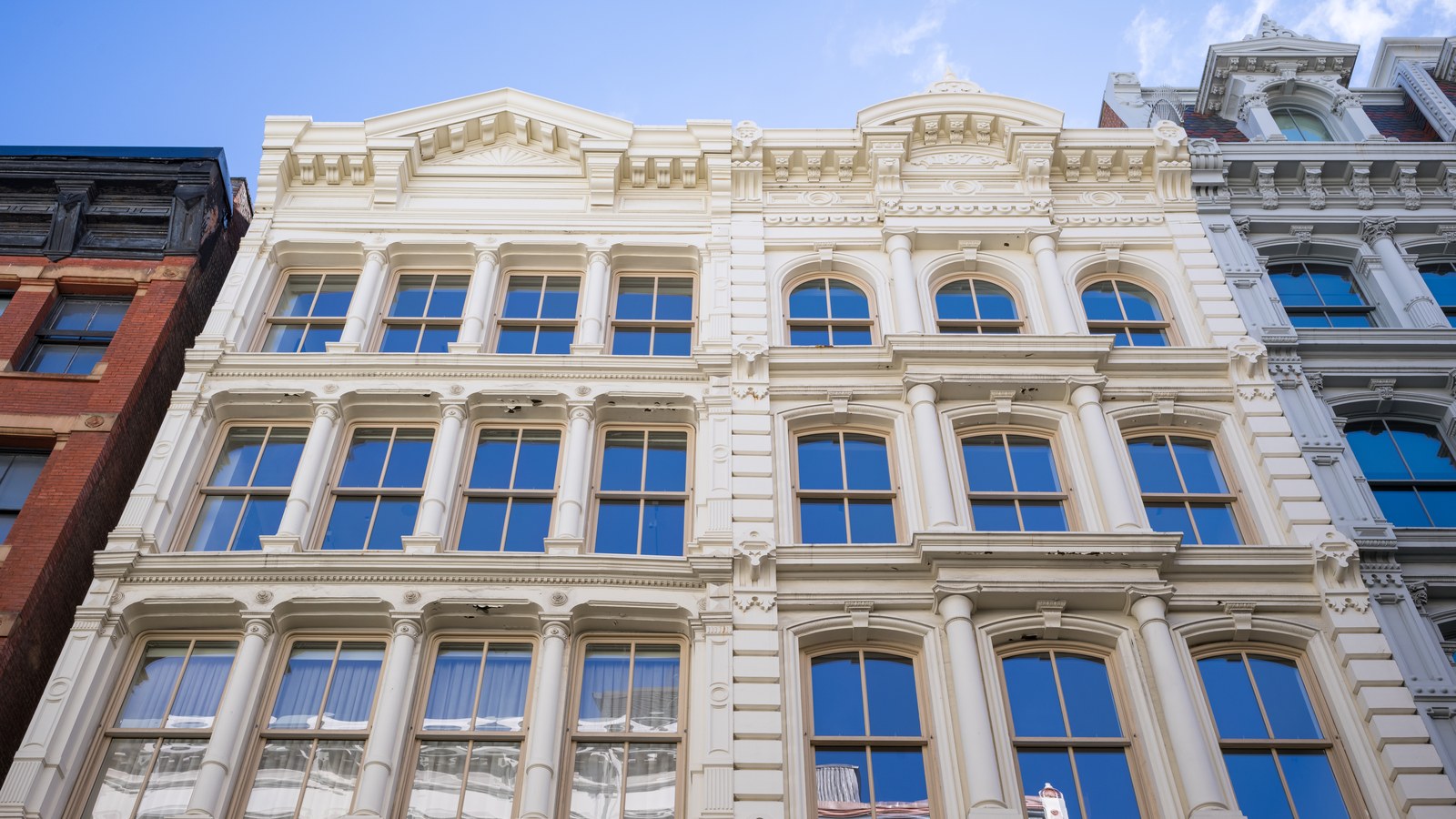
Donovan and the Housers shared a house in the city, and the company earned a reputation for cool T-shirts and downtown Manhattan dance parties, according to Rolling Stone. The office was at 575 Broadway in SoHo, according to The Scotsman.
Dan Houser's escape from a Colombian beach
By late 1998, Dan Houser was 25, in Colombia, and by his own account a mess. On Lex Fridman's podcast, released October 31, 2025, he described walking on a beach around 8 a.m. when two men approached, one carrying a machete and the other a broken gun. "I thought 'this is not good' and I ran off," he said. He sprinted down the beach, jumped in a taxi and told the driver to take him anywhere.
Not long after, at an internet cafe, he found an offer to spend six weeks working on a game in New York, where Rockstar was just getting started, as PC Gamer recapped. He ended up writing the new company's mission statements and helping set its tone. He planned to stay a year. He left Rockstar in 2020.
GTA London 1969, the label's first release
Rockstar's debut was a mission pack, a disc that required the original Grand Theft Auto and swapped in a new map, cars, missions and music. Grand Theft Auto: London 1969 came out on PlayStation in North America on April 2, 1999, and in Europe on April 30, according to Time Extension, with a PC version as well. Sam Houser says it hit No. 1 in the UK.
The work fell to Rockstar Canada, a small Ontario studio Take-Two had bought in 1997, where 10 to 12 people shared less than 1,000 square feet. Dan Houser produced and wrote it from New York, including much of the dialogue and the frame story of a crook returning from Liberty City to London. The team studied British chase movies like The Italian Job and shot die-cast toy cars from above to turn them into in-game vehicles, its artists told Vice.
The game won the 1999 BAFTA for sound, though a Take-Two representative accepted it instead of the people who made it. A free PC add-on, London 1961, followed in July. No later GTA was set outside the US, and in 2025 Dan Houser explained why the series is American at heart, as VGC reported: "You needed guns, you needed these larger-than-life characters."
GTA 2 and the DMA Design deal
Rockstar wanted more than one franchise. A May 1999 press CD preserved by the Video Game History Foundation bundled GTA 2 with Wild Metal Country, Earthworm Jim 3D and Thrasher Presents Skate and Destroy. That skateboarding game started as a miss. Sam told Jamie King, "Go get me Tony Hawk," but Hawk went with Activision, Time Extension reported. Thrasher shipped in October 1999 as King's first production.
The bigger move came on September 29, 1999, when Take-Two bought DMA Design for $11 million in cash, including assumed bank debt, according to Tech Monitor. The seller was French publisher Infogrames, which had just acquired DMA's previous owner, Gremlin. Before the deal, Take-Two paid DMA royalties on every copy of GTA, and owning the studio kept that money in-house. Take-Two expected the series to bring in more than $50 million in the fiscal year ending October 31, 1999, folded DMA into Rockstar and said the team would make games for the PlayStation 2.
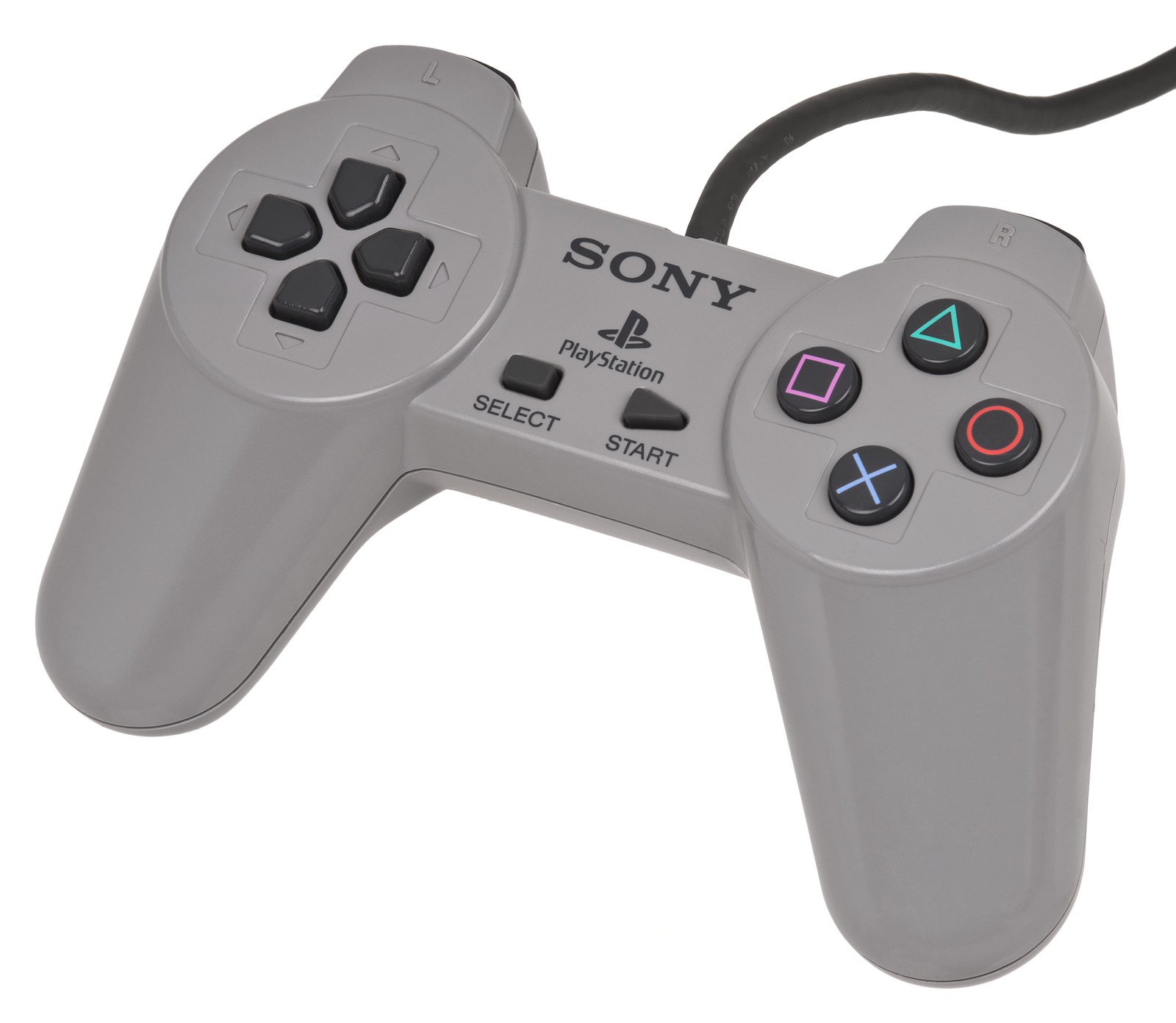
Three weeks later, on October 21, Rockstar began shipping GTA 2 for PlayStation and PC. A Business Wire release said more than 1.2 million units would reach stores worldwide over three days, and Houser remembers it as Take-Two's first game to ship a million copies at launch. Those were shipments, not sales, and PC Gamer notes the game sold below expectations.
GTA 2 was set in Anywhere City, a retro-futurist city carved up by gangs whose respect rose or fell depending on whom you attacked. Rockstar promoted it with a live-action short directed by Alex De Rakoff and shot on New York streets, and clips from it open the game.
From Dundee to Edinburgh, and the birth of Rockstar North
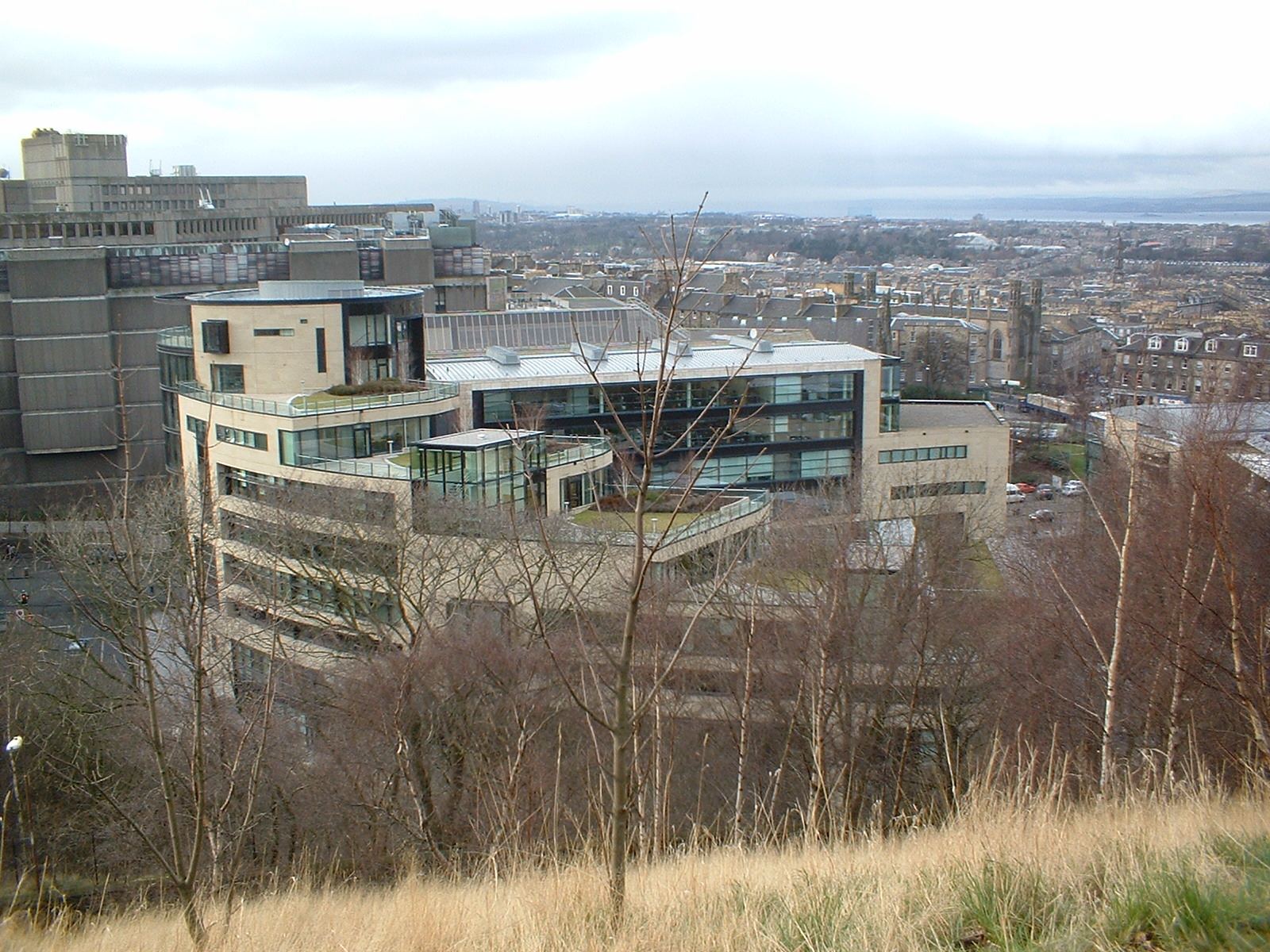
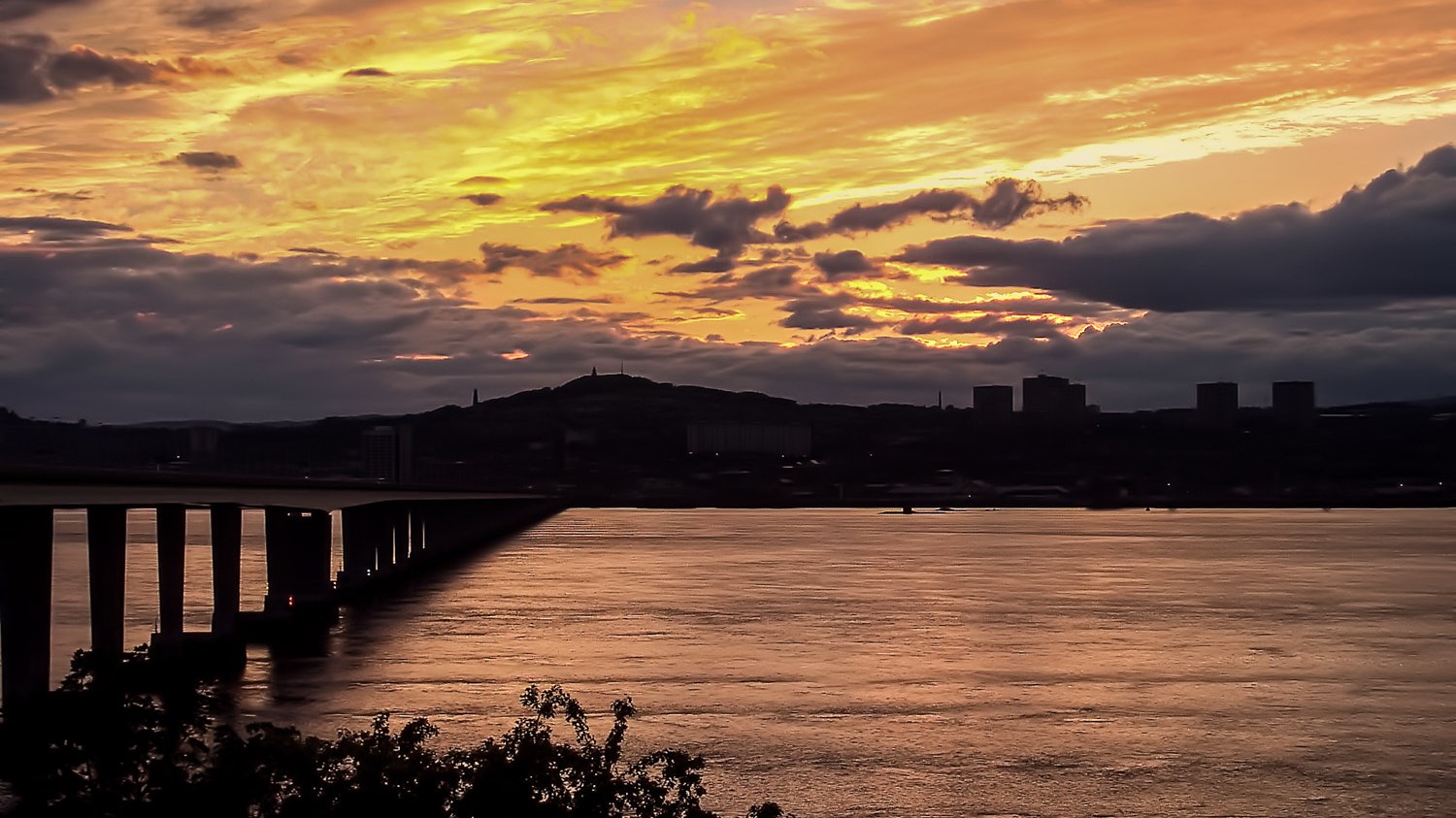
DMA founder David Jones left the company in 1999, according to The Scotsman, and around 2000 the studio moved from Dundee to Edinburgh, as an MCV studio profile notes. Rockstar was busy elsewhere too. In October 2000, it was there for the PlayStation 2 launch with Midnight Club and Smuggler's Run, two driving games from another studio.
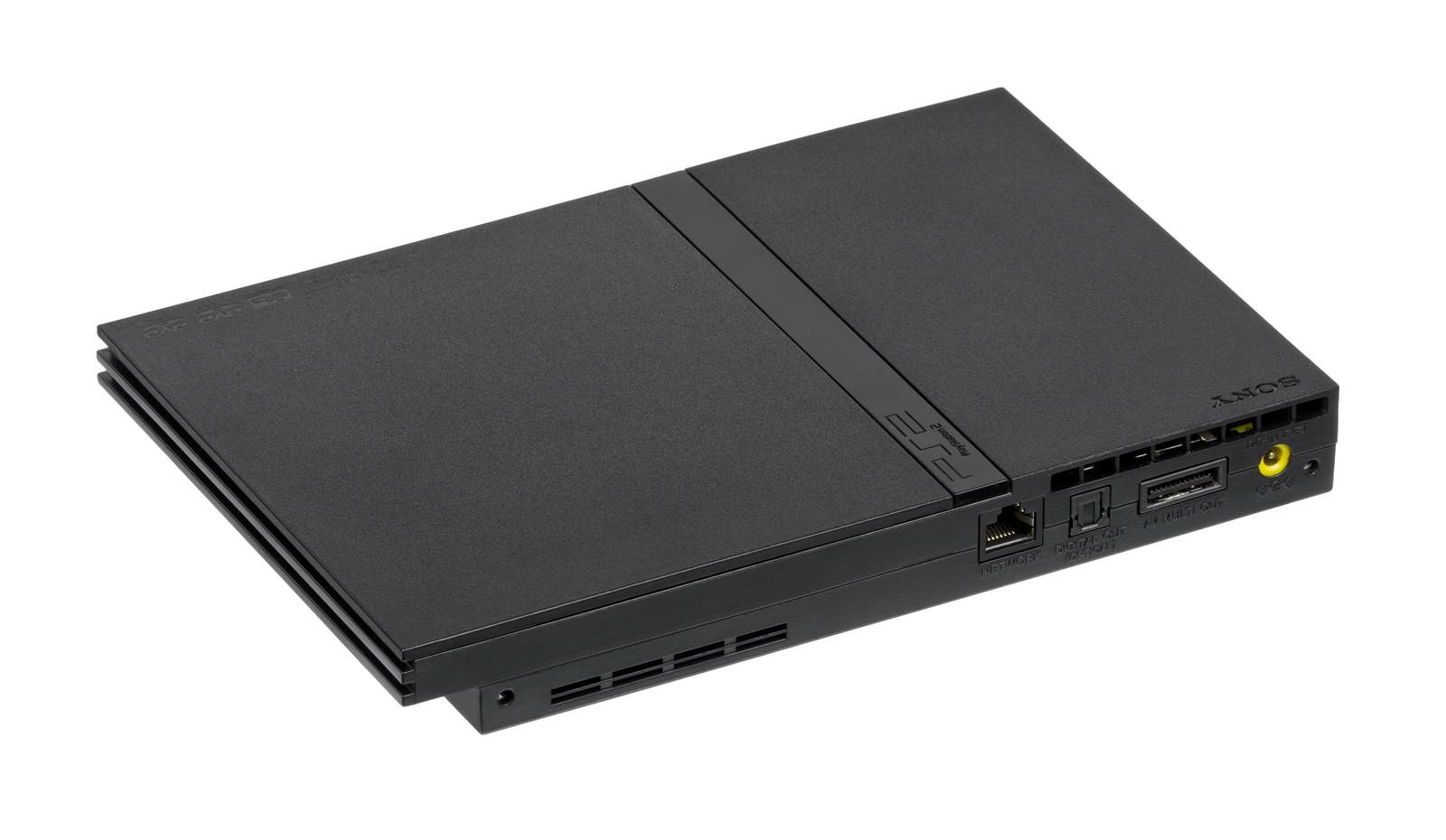
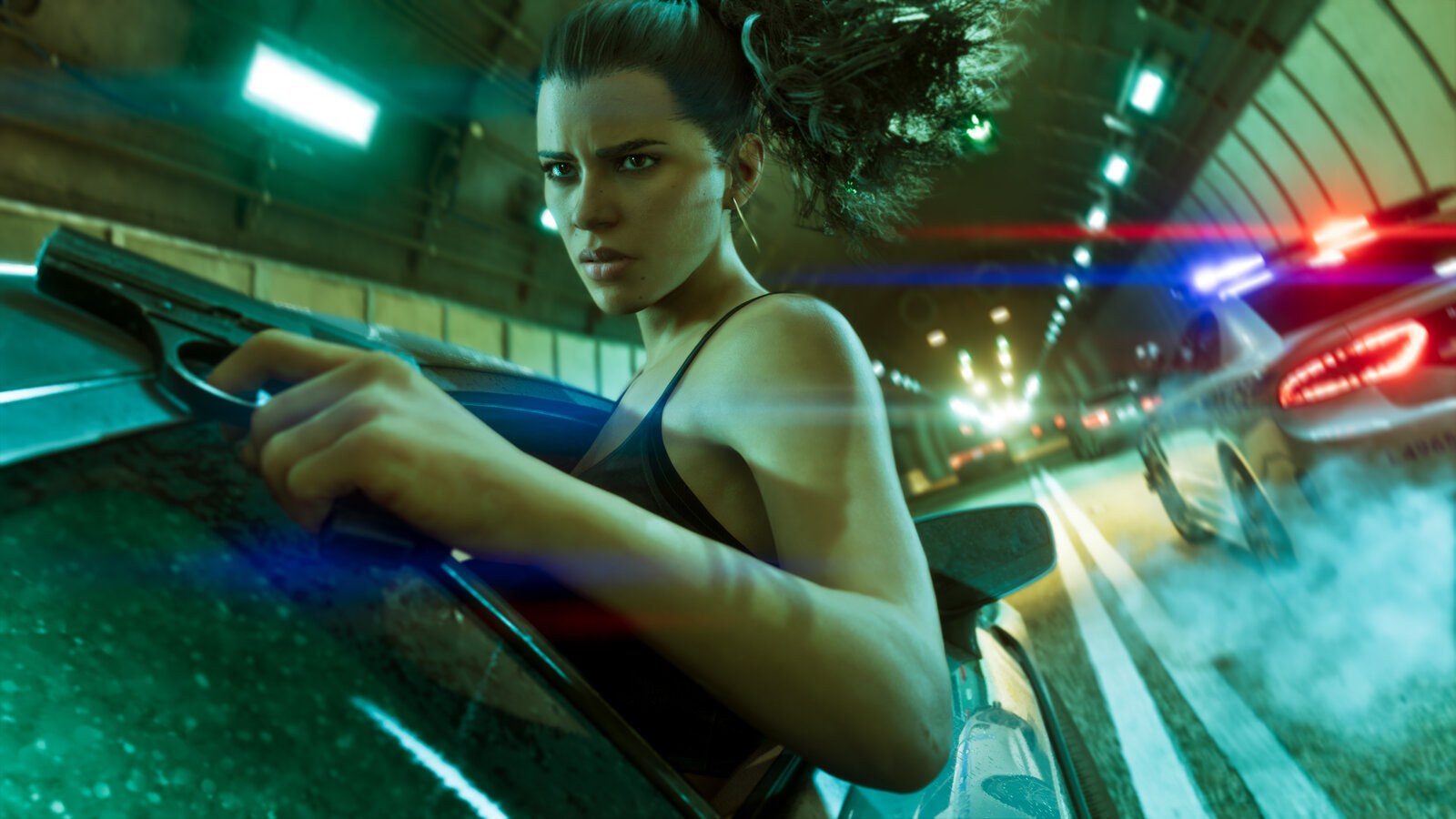
In March 2002, DMA Design became Rockstar North to tie it more closely to the rest of the company, GamesRadar reported. It is the studio that led development of GTA 6, as co-head Rob Nelson told Edge's cover story, and the one Jason Schreier went inside for his Bloomberg feature. The PlayStation 2 work Take-Two promised when it bought DMA in 1999 would produce the series' next big leap.
Frequently asked questions
Who founded Rockstar Games?
Rockstar Games was founded in New York by Sam Houser, his brother Dan Houser, Terry Donovan, Jamie King and Gary Foreman. Sam led it as Take-Two's head of development, Donovan ran marketing, and Dan, who joined in late 1998, became the main writer on the Grand Theft Auto series until he left in 2020.
When and where was Rockstar Games founded?
Rockstar Games launched in December 1998 in New York as Take-Two Interactive's high-end publishing label. It followed Take-Two's March 1998 purchase of BMG Interactive, the former games division of the record company BMG, which brought the Grand Theft Auto rights with it. Its offices were at 575 Broadway in Manhattan's SoHo.
Why is it called Rockstar Games?
The founders wanted a company that worked like a record label, with a name players would trust even when every game was different. According to David Kushner's book Jacked, Sam Houser suggested Rockstar after a trip to London, once Grudge Games had been dropped, and the name became official at Six Flags Great Adventure, where a vendor burned it into a wooden plaque.
What was Rockstar Games' first game?
Rockstar's first release was Grand Theft Auto: London 1969, a mission pack for the original GTA that came out in April 1999 on PlayStation and PC. Rockstar Canada developed it, with Dan Houser producing and writing, and it won the 1999 BAFTA for sound. GTA 2 followed that October.
When did Take-Two buy DMA Design, and what is Rockstar North?
Take-Two bought DMA Design, the Scottish studio that created GTA, from French publisher Infogrames on September 29, 1999, for $11 million. The studio moved from Dundee to Edinburgh around 2000 and was renamed Rockstar North in March 2002. It is the studio that led development of GTA 6.
The conversation starts here
Sign in with a supporter account to comment. Sign in
Nobody has commented yet. Want to go first?