
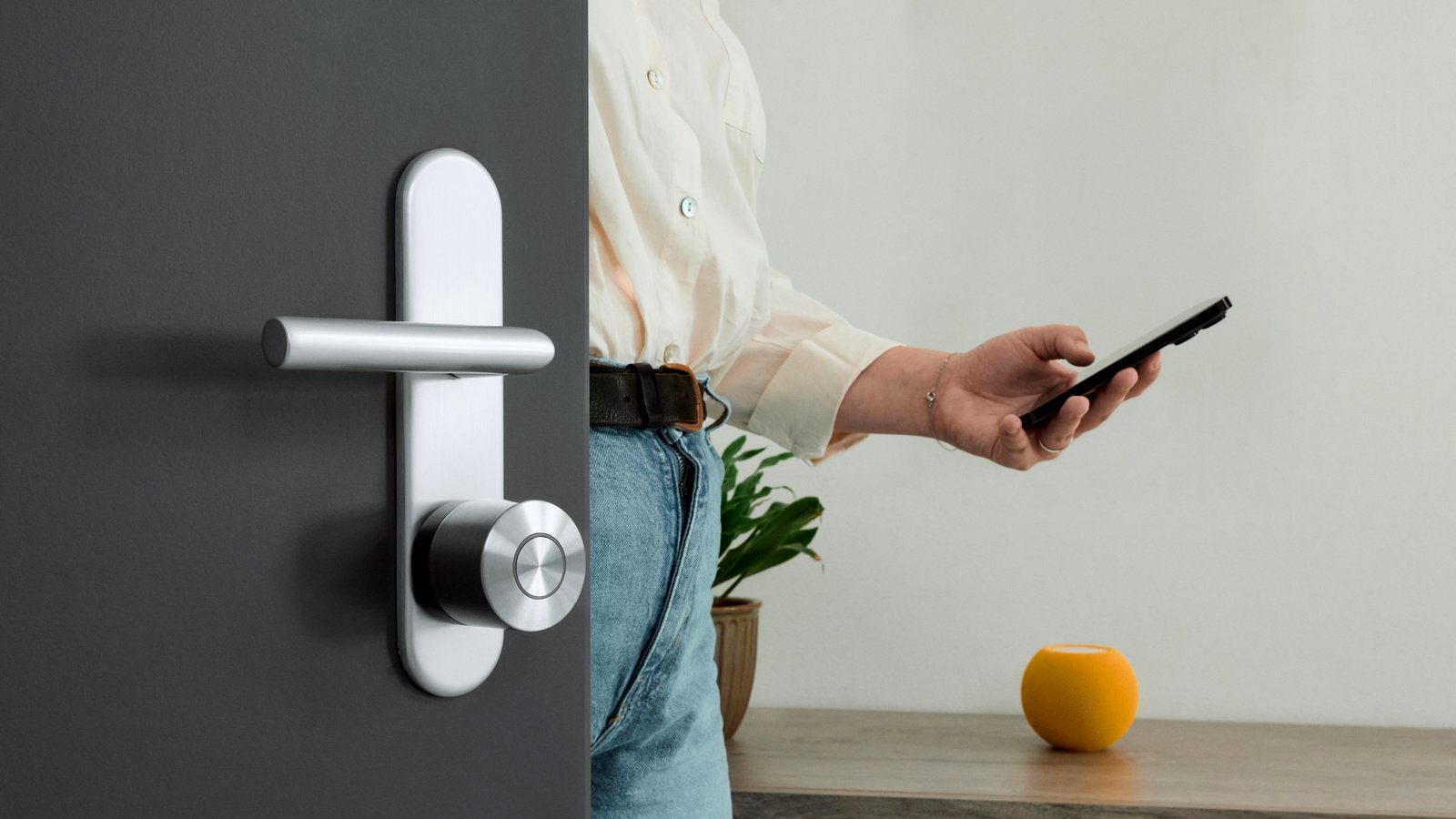
We tested two doors and neither passed
We used the Spanish compatibility checker for two different older locks through Nuki's official compatibility tool. Neither door passed. In both cases, the result meant that we could not safely install one of the company's smart locks under the existing conditions.
The checker did not identify the exact failed requirement for either door, so we cannot blame the cylinder, key or clearances without evidence. The result still reveals the decision that matters first: a smart lock depends on the mechanism already fitted to the door before its app or connected features become relevant.
The checker is Nuki's, but the compatibility problem is not unique to one manufacturer. Aqara, SwitchBot, Yale and others publish their own requirements and adapters because a flawless phone connection is worthless if the motor cannot operate the door safely.
Start by identifying which part of the lock will change
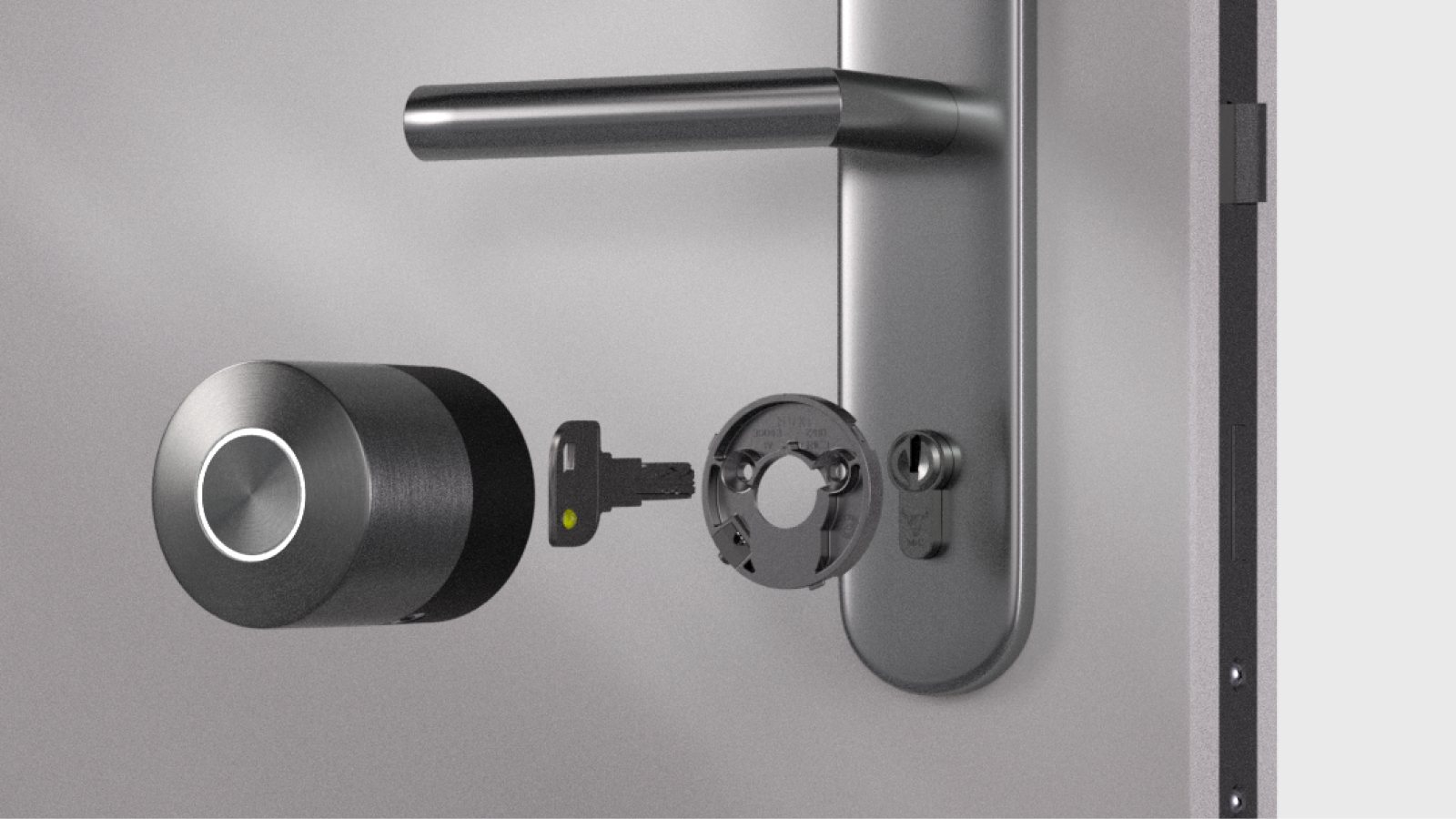
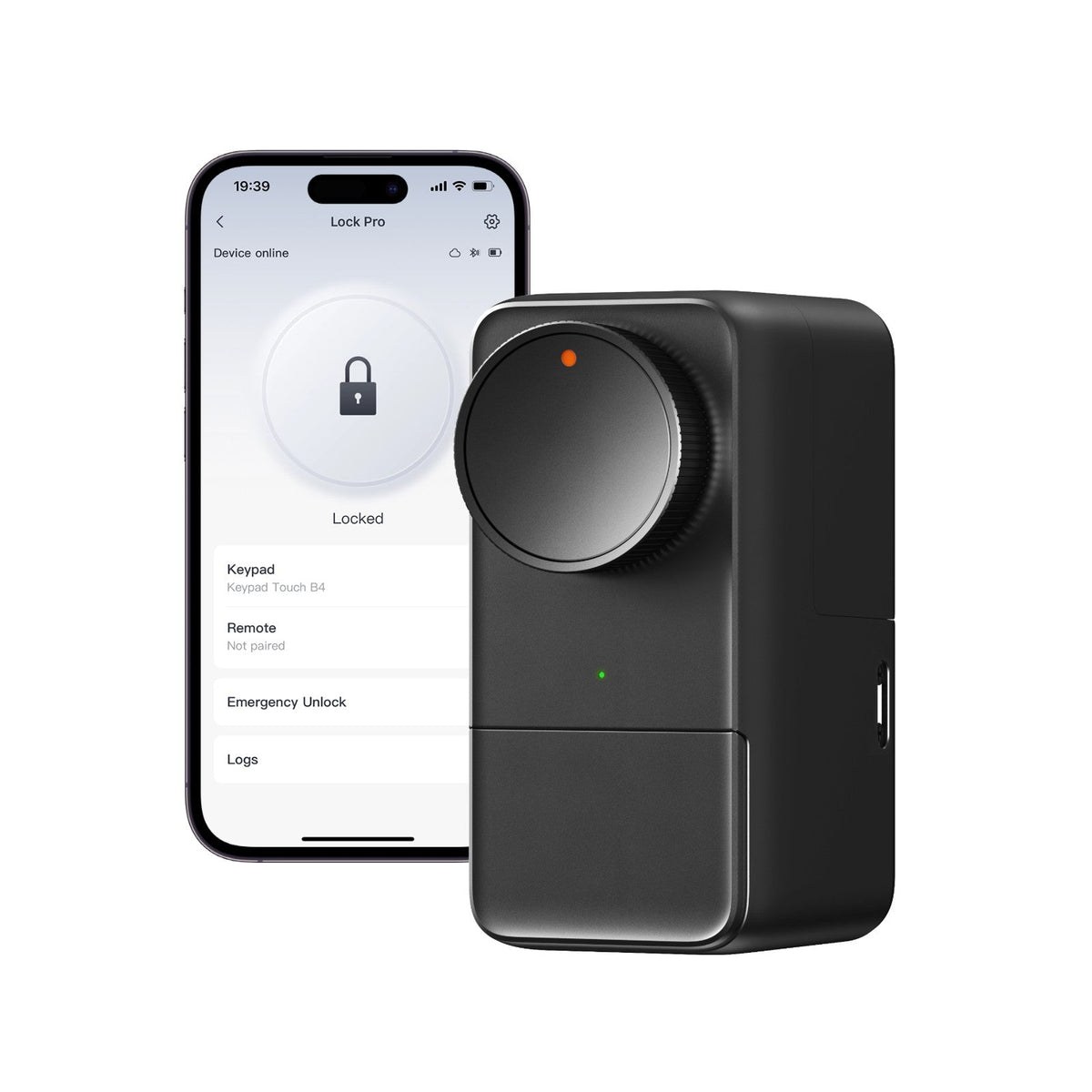
Many European smart locks are retrofit devices. They sit on the inside of the door and use a motor to reproduce the movement of your hand. Nuki Smart Lock Go and Pro, Aqara U200, SwitchBot Lock Pro and Yale Linus L2 all follow that broad idea, but their mounts and supported cylinders are not interchangeable.
A second group requires a cylinder change. The cylinder is the metal component that accepts the key. Nuki Smart Lock Ultra includes a replacement, while Yale and Aqara sell adjustable cylinders for selected products. Installation takes more work, but the new hardware removes some limitations of an old cylinder.
Other smart locks replace the whole assembly, including the handle or deadbolt. Those products are built around particular door standards. Compatibility with a single-cylinder US deadbolt says nothing about a European mortise lock with several locking points. Compare the physical mechanism before comparing apps.
A turning key can still be the wrong key
Cylinder profile is the first filter. Euro profile is common across much of Europe, but round, oval and thumb-turn cylinders also exist. Yale warns that Linus L2 kits vary by market and cylinder type. There is no single box that fits every regional door standard.
Next, test the emergency function. Keep the door open throughout this check so you cannot lock yourself out. Leave one key in the inside of the door and turn it slightly, then try to unlock from outside with a second key. If the outside key cannot move, a smart lock mounted over the inside key could remove your manual fallback. Aqara U200 and SwitchBot Lock Pro require this feature for European installations, as do several Nuki and Yale configurations.
Clearance beside the frame, key orientation, thumb-turn shape and the required rotation all matter. SwitchBot specifies at least 10 degrees of locking and unlocking rotation. Nuki publishes different clearances for inward- and outward-opening doors. Those are product-specific rules, not dimensions that can be copied across brands.
Matter, Apple Home and Google Home compatibility only tells you which smart-home platform can communicate with the device. It cannot create mounting space, support an unsuitable cylinder or reduce the force needed to turn a stiff lock.
Test the mechanism with the door open and closed
Turn the key through the full locking cycle several times while the door is open and check that the movement remains smooth. Then repeat the test with the door closed. Resistance that appears only after closing usually comes from the way the door, frame and locking points meet. A motor can turn a lock, but it cannot pull a misaligned door into position with an arm.
Check the handle as well. Some doors require you to lift it before locking, while multipoint systems move several bolts at once. A manufacturer may support a multipoint lock but exclude automatic locking when that manual lift is still required. Read the condition, not just the word compatible.
Photograph the inside hardware, door edge, key and clearance beside the handle. Identify the cylinder maker if possible and run the exact model through its official checker. It is like checking whether a game will run on your PC: a broad compatibility claim cannot replace the details of your setup.
What an adapter can fix and when to call a locksmith
An adapter only connects the motor to a supported key, thumb turn or spindle shape. It cannot make a stiff mechanism turn freely, add clearance beside a handle or create an emergency function. As with choosing an SSD for a PS5, a good product can still be the wrong physical format for your installation.
Replacing the cylinder may be enough when that is the only failed component. Yale and Aqara offer adjustable cylinders for their systems, while Nuki Smart Lock Ultra includes one. If the door geometry is wrong, the mechanism is stiff or the checker gives no diagnosis, send photos and measurements to the manufacturer or ask a locksmith before spending money.
Tenants should confirm that a cylinder change is allowed and keep the original hardware. Communal entrances, security doors and unusual lock cases also deserve professional advice. A five-minute installation demonstrated on a standard door does not guarantee the same result on yours.
An outdoor keypad cannot fix a mechanical mismatch
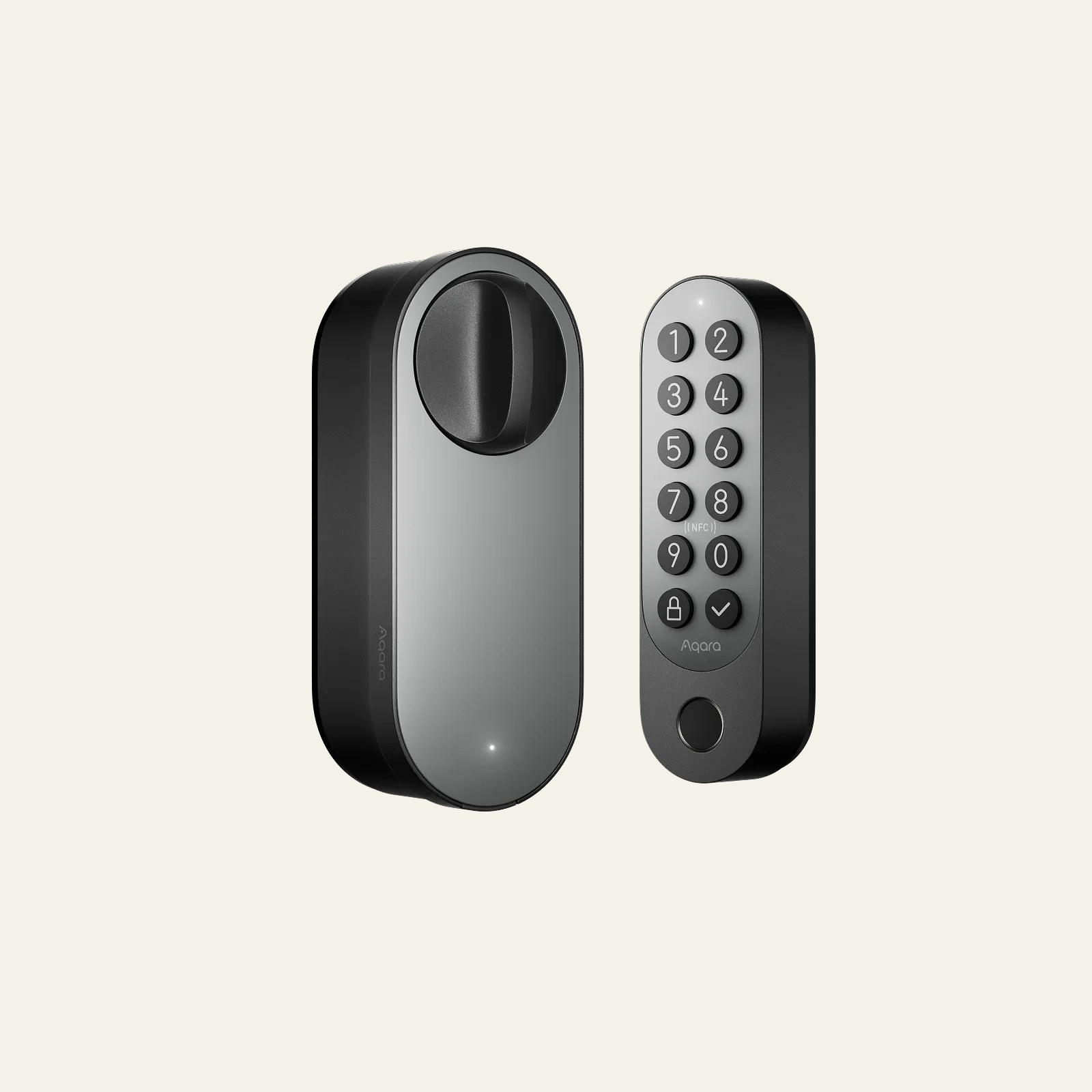
Nuki's Keypad 2 NFC can authorize entry by code, fingerprint or a compatible phone. The concept is not exclusive to Nuki. Aqara sells U200 with a keypad, and Yale offers a keypad as an accessory. These devices provide different ways to identify the person at the door.
They do not move the deadbolt, but send authorization to a compatible smart lock that operates the mechanism. If the door cannot accept that lock, adding a code, fingerprint reader or NFC tap changes nothing. The mechanical fit has to work before the entry method matters.
What to resolve before paying
For both of our doors, the correct answer was to stop before buying. App quality, motor noise, speed and battery life are irrelevant when the lock cannot perform its basic mechanical job. The same rule applies across brands: check the exact door and model first instead of treating installation as the compatibility test.
- The exact model passes the manufacturer's compatibility checker.
- The key turns smoothly with the door both open and closed.
- There is enough clearance for a secure installation.
- You have a tested way back inside if the phone or battery fails.
The conversation starts here
Sign in with a supporter account to comment. Sign in

Nobody has commented yet. Want to go first?