
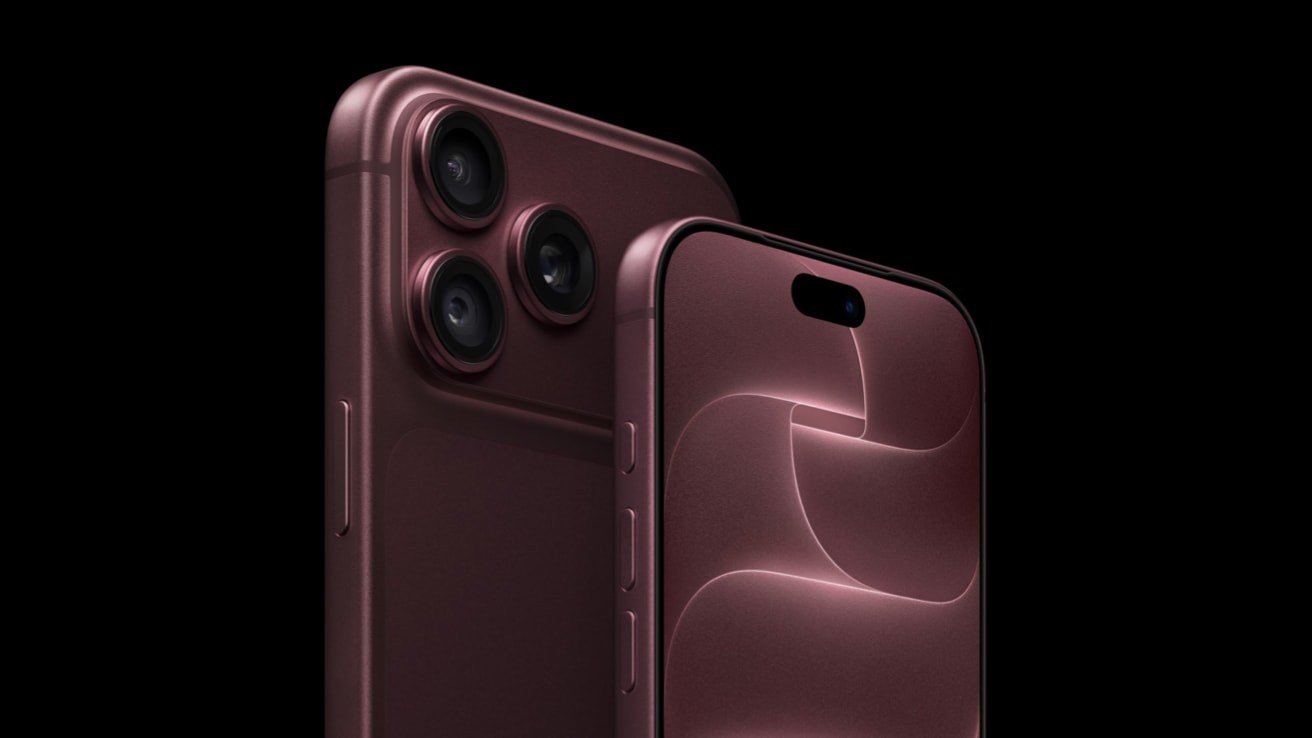
Apple shipped 57% of the smartphones that reached US carriers and retailers from July through September 2026, up from 50% a year earlier, according to Counterpoint Research. Shipments count the phones each maker delivers into stores and carrier channels, not sales to individual buyers. The overall market shrank 9%, and Apple was the only major brand whose shipments held up.
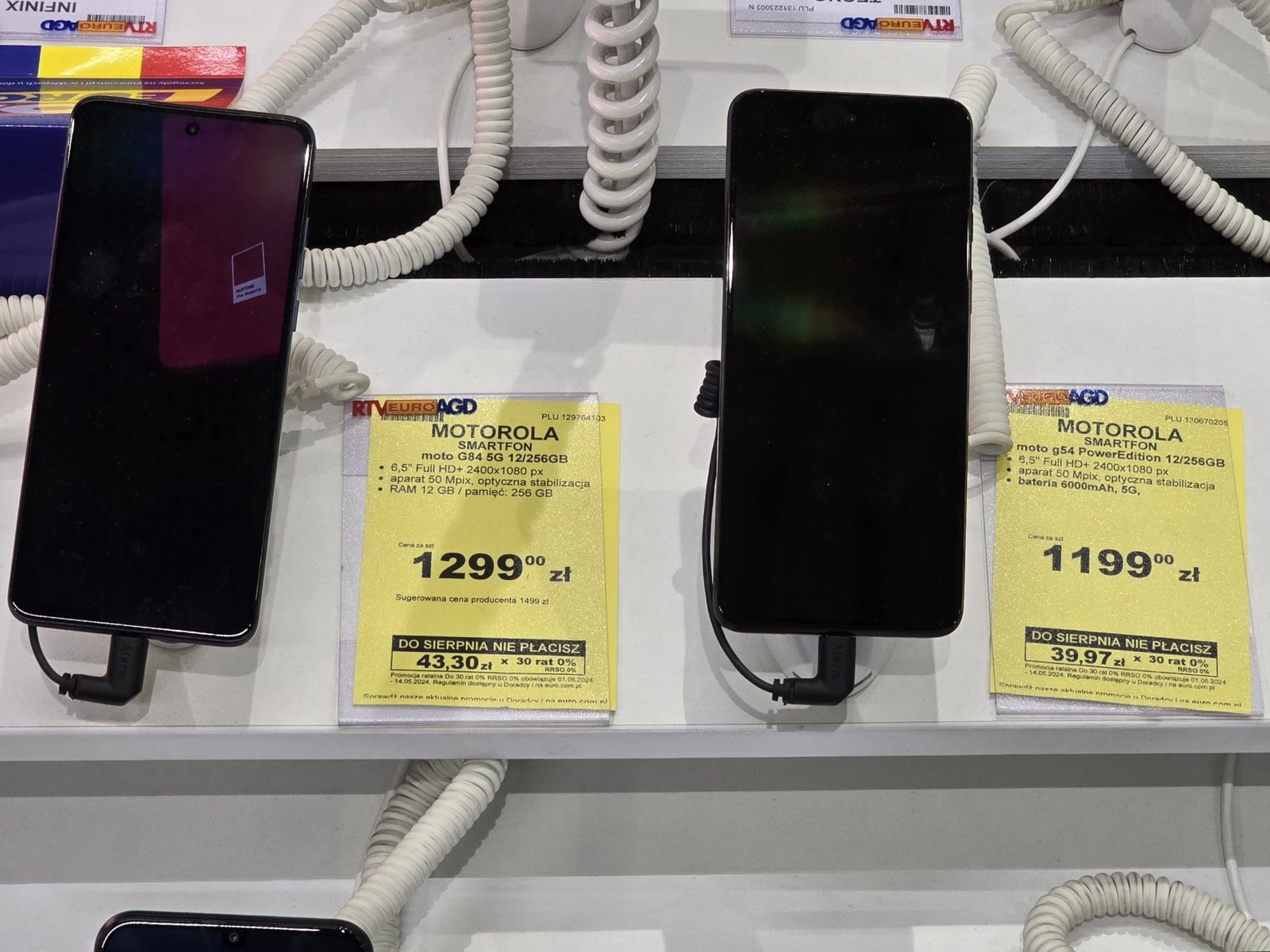
Most of Apple's gain came from rivals shrinking. Motorola, the brand most dependent on budget Android phones, fell from 12% to 8% as rising memory costs squeezed its low-end lineup, Counterpoint says. Working from those rounded shares in a market 9% smaller, Motorola shipped somewhere between a third and nearly half fewer phones than a year earlier, by our math. Samsung edged up from 24% to 25% thanks to its mix of flagships and Galaxy A models, while Google slipped from 7% to 6% despite a boost from the Pixel 11.
Why memory got so expensive
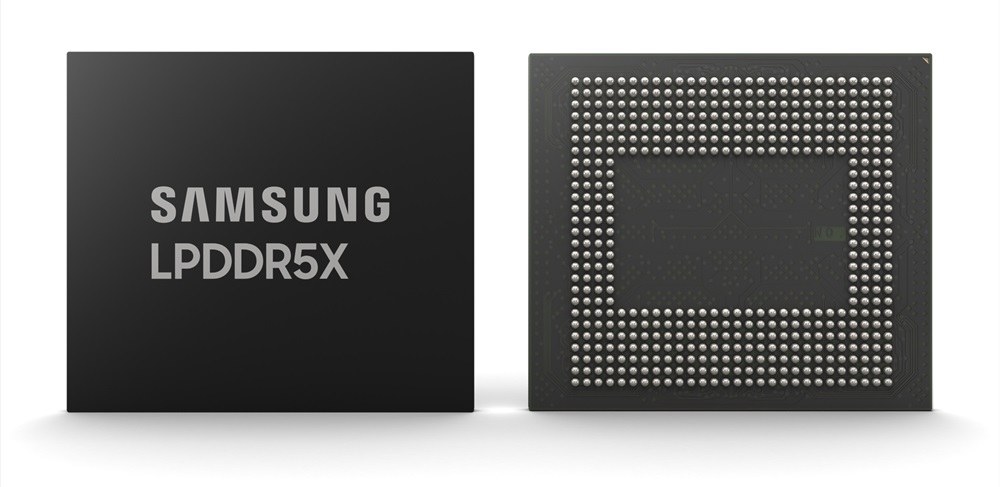
Every phone carries two kinds of memory. RAM is working memory that keeps your apps open while you switch between them, and storage holds photos, apps and files even when the phone is off. Both come from the same handful of chipmakers that supply AI servers, and those suppliers have shifted production toward data-center memory because it earns them more, Counterpoint reported. That leaves less for phones and PCs, and the firm expected mobile RAM to cost nearly three times as much in April through June 2026 as it did in July through September 2025.
Apple feels it too. CEO John Ternus called memory pricing unprecedented on the company's Nov. 2 call, as we covered in Apple's latest earnings. The squeeze reaches anything with memory inside. One leaker claims the RAM and storage in Sony's next console alone would cost more than $680 per unit, a figure Sony hasn't confirmed.
Why budget phones take the hardest hit
Makers of $150 phones and $1,200 phones buy memory from the same market, but it eats a far bigger slice of the cheap phone's cost. In phones under $400, memory now accounts for nearly 60% of what its components cost, almost double its share in July through September 2025, according to research firm Omdia. Under $99, it tops 64%. Above $600, the processor is the single most expensive part, so the same memory increase matters far less.
Counterpoint gave an example. Building a basic phone with 6GB of RAM and 128GB of storage cost 25% more in January through March 2026 than in the previous three months. A brand selling on thin margins can either raise prices, which stops the phone being cheap, or build fewer of them. US sales of phones under $100 fell 64% in the second quarter, Samsung raised the Galaxy A17's price by $50 in July, and Motorola increased prices on several Moto G models, Counterpoint found.
Apple and Samsung are coping better because they buy memory at huge scale, sell more premium phones and have more room to raise prices without losing buyers, according to Counterpoint. Apple had also stocked up on memory before prices climbed.
What it means if you're shopping
Expect fewer cheap options and higher prices on the ones that remain. Counterpoint says manufacturers are trimming their lineups and cutting specs to hold prices down, so check a new model's RAM and storage against last year's before treating a deal as a bargain. The squeeze is not just a US story either. European shipments fell 18% in the same quarter, Counterpoint said. And waiting a few months won't necessarily help, since Counterpoint doesn't expect component prices to stabilize until the middle of 2027.
The conversation starts here
Sign in with a supporter account to comment. Sign in

Nobody has commented yet. Want to go first?