
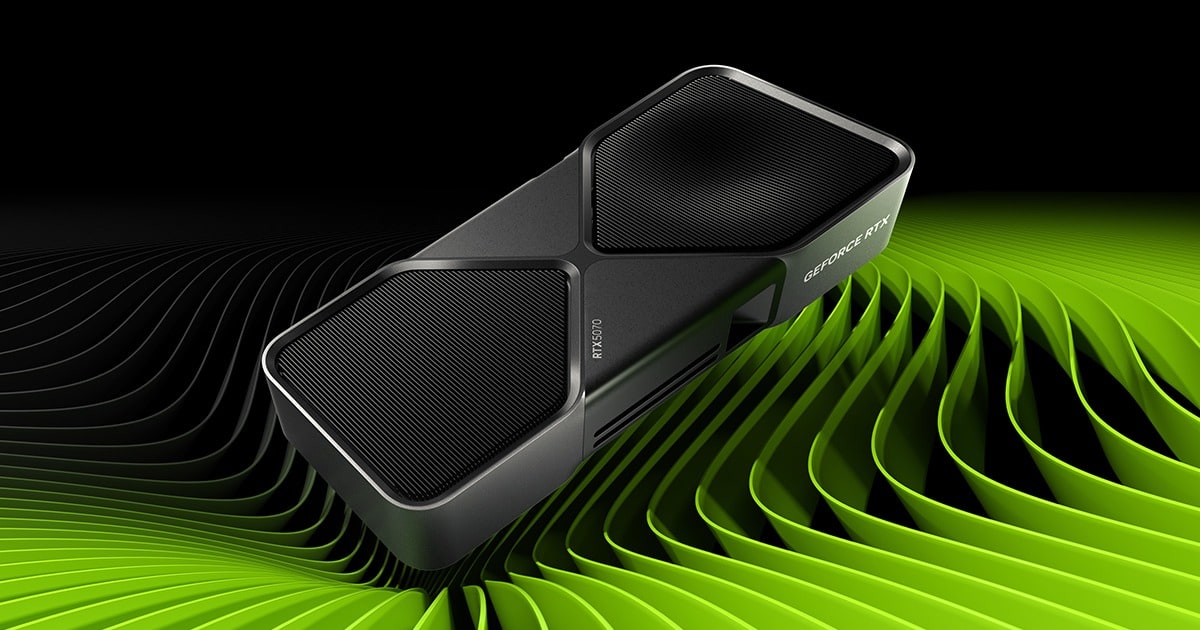
Quick answer: 8GB, 12GB and 16GB are practical tiers
As a cautious buying rule in 2026, 8GB is the baseline for 1080p, 12GB offers more room at 1440p, and 16GB or more is preferable for 4K and heavy textures. These are not universal requirements: a lightweight game uses less, while a poorly optimised one may exceed them.
AMD published similar guidance: 8GB for 1080p, 12GB for 1440p and 16GB for 1440p/4K, based on 2023 testing. It is a starting point, not a current guarantee. Each game, setting and GPU architecture changes the outcome.
What VRAM stores
Video memory holds textures, geometry, buffers, shaders and other resources the GPU needs nearby. Texture quality often has a particularly large impact. Higher resolution, ray tracing and high-definition asset packs can also increase pressure.
When memory runs short, the system moves data between VRAM and system RAM more often. Stutter, late texture loading or sharp drops can appear even when average FPS seems acceptable. Shader-compilation stutter is a separate problem that extra VRAM does not fix.
Capacity does not equal speed
A 16GB GPU can be slower than a 12GB model if it has fewer cores, less bandwidth or lower power. VRAM prevents one particular bottleneck, but it does not replace rendering performance. Compare the exact models at your target resolution.
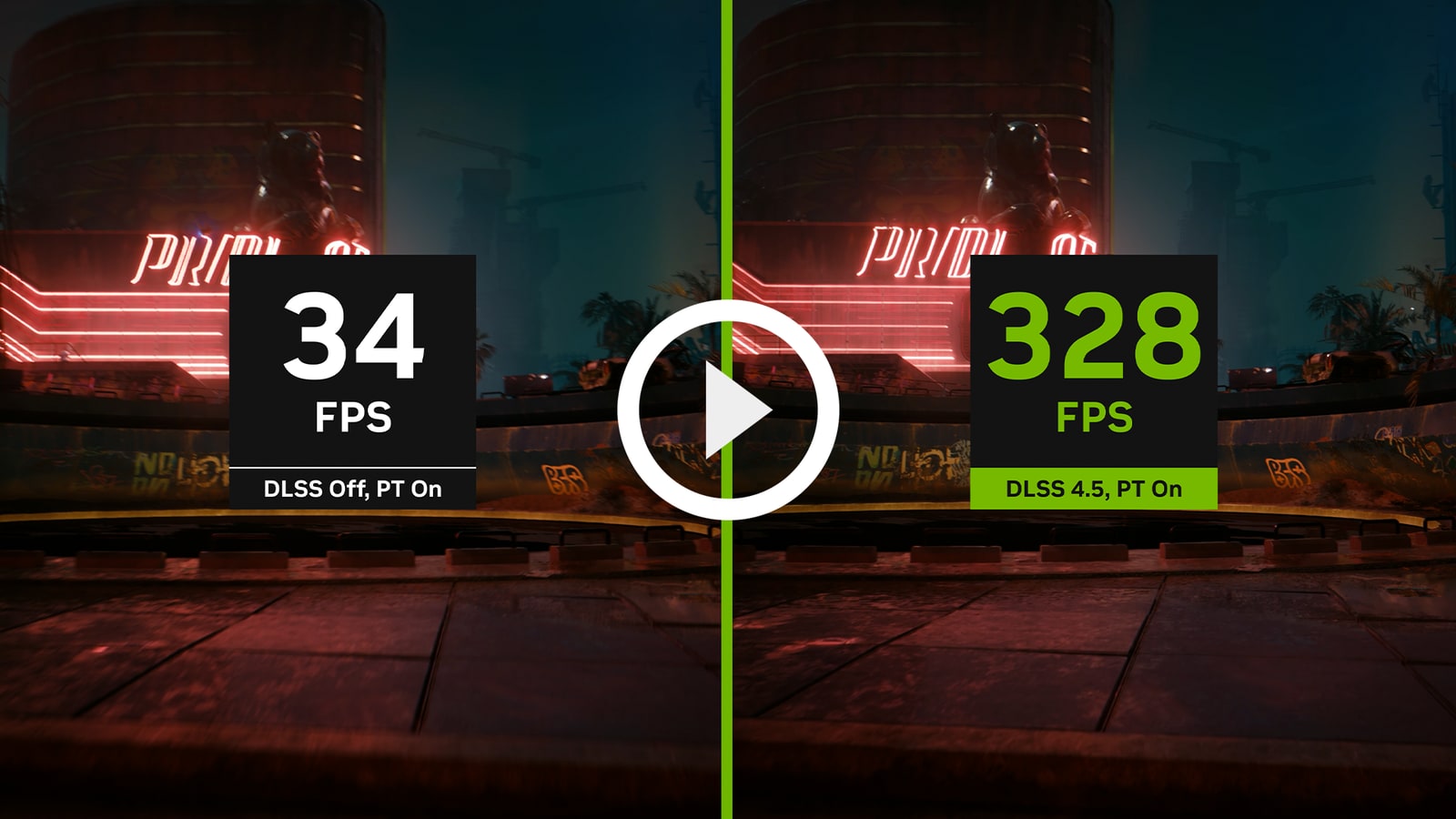
DLSS, FSR or PSSR can lower internal resolution and ease part of the workload, but memory use does not always fall by the same proportion. Ray tracing adds its own data structures. Our ray-tracing explainer covers why it is so demanding.
How to decide without guessing
Check the requirements of games you will actually play and tests of the exact card. For a new purchase, avoid 6GB unless the budget and ambitions are modest. Eight GB remains usable at 1080p with texture adjustments, 12GB is comfortable for 1440p, and 16GB leaves stronger headroom for 4K, creation work and longer ownership.
If you already own a GPU, use a memory overlay and watch symptoms rather than only allocated memory: games can reserve what is available without requiring it all. Lower textures, HD packs and ray tracing first. More VRAM is valuable when it removes a real limit, not when it merely decorates the specification sheet.
The conversation starts here
Sign in with a supporter account to comment. Sign in

Nobody has commented yet. Want to go first?