
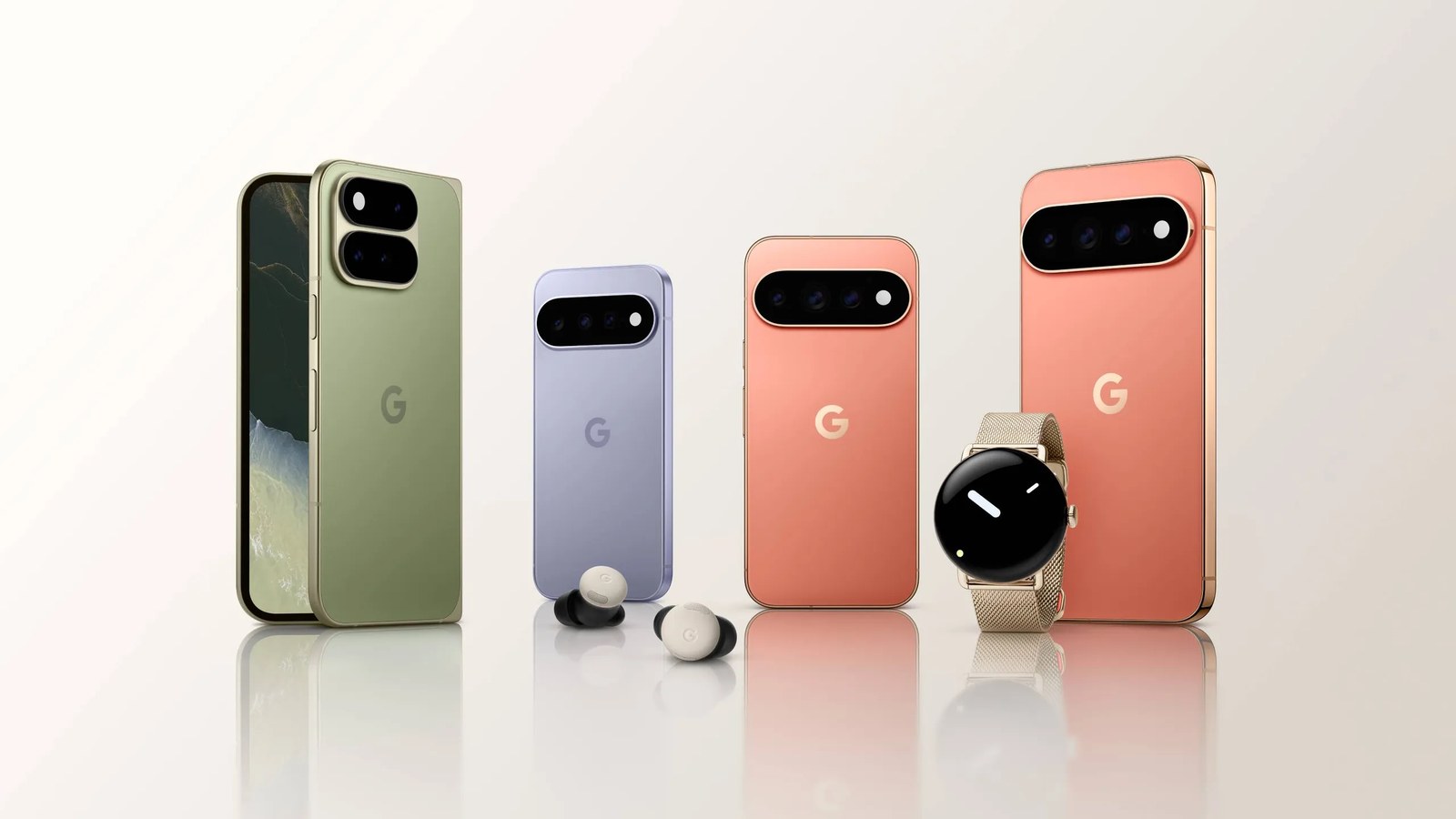
Google has built a three-step ladder and placed $200 between every rung. Pixel 11 starts at $899 in the United States, Pixel 11 Pro at $1,099 and Pixel 11 Pro XL at $1,299. All three reached stores on August 20, 2026.
The choice gets harder once you see what the standard model keeps: Tensor G6, 12GB of memory, 256GB, 25W magnetic charging and a dedicated 5x optical telephoto. Pixel 11 already covers almost everything and is the sensible choice for most buyers. Pro mainly improves the cameras and display, while Pro XL adds size and faster wired charging.
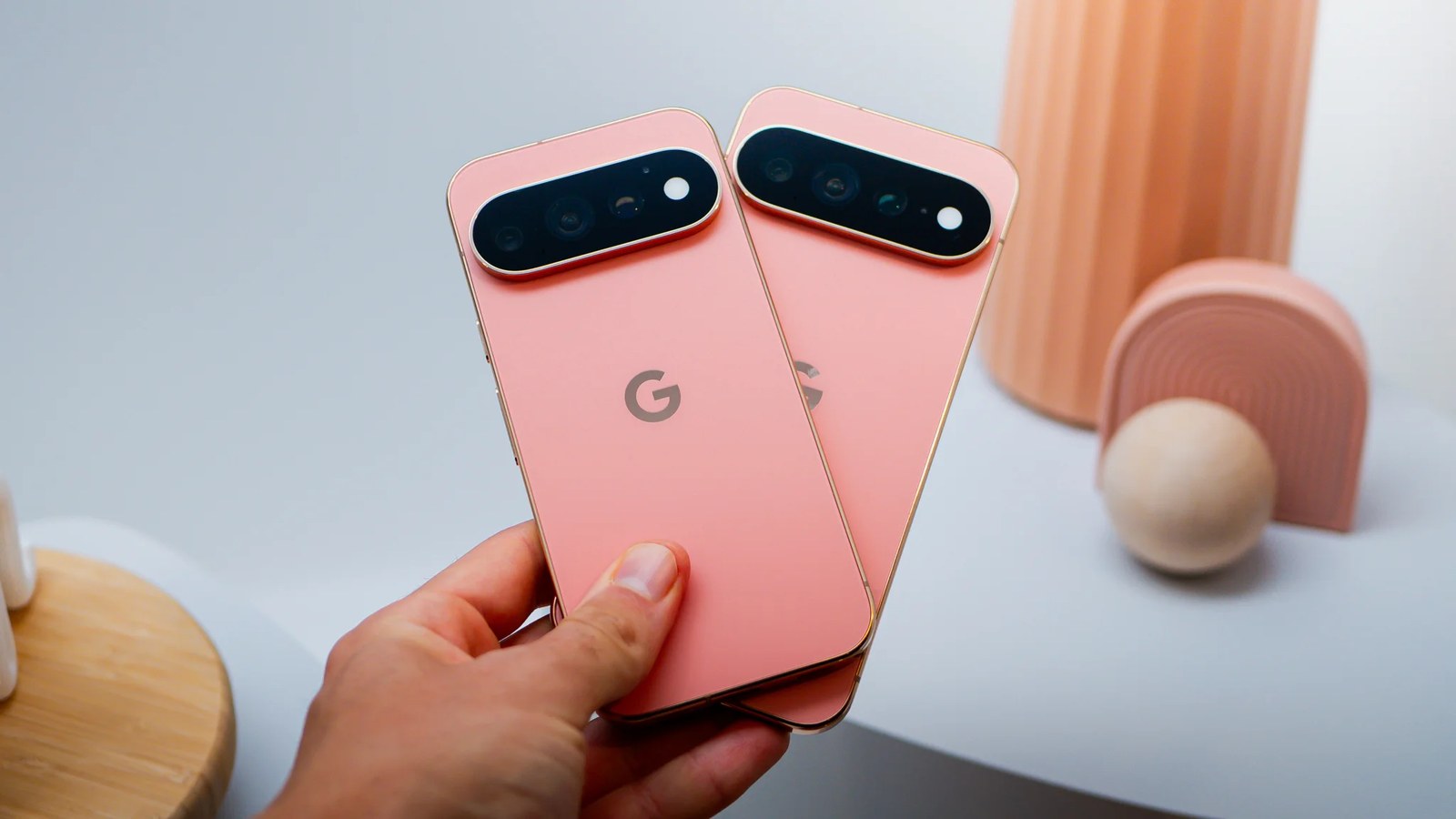
Three prices, one decision
Every model starts at 256GB, twice the Pixel 10's initial 128GB. That means much more room for photographs, games and video before deleting anything or paying for cloud storage. Seven years of Android, security and Pixel Drop updates also carry the phones through 2033.
Tensor G6 is the engine opening apps, processing photographs and running some Gemini work on the phone. Google claims apps open 15% faster and browsing is 25% faster. On a two-second app launch, 15% saves roughly three-tenths of a second. The headline 3.5× gain applies only to on-device AI tasks, not the entire phone.
Pixelsnap is the magnetic ring aligning chargers and accessories, while Qi2.2 is the standard allowing 25W wireless power. Pixel 10 and 10 Pro stopped at 15W, so short top-ups should be quicker on a compatible pad. A 67% increase in maximum power does not mean 67% less charging time because phones slow down as they heat up and approach full.
By cable, Pixel 11 and Pro recover 55% in about 30 minutes with a 30W or faster USB-C PPS charger. Pro XL reaches 75% with a 45W charger. It is the difference between leaving with just over half a battery or three quarters after half an hour. The charger is sold separately.
| Pixel | Price | Display | Cameras | Battery and charging | Memory | Weight |
|---|---|---|---|---|---|---|
| Pixel 11Best value | $899 | 6.3″ OLED · 60-120Hz · 3,000 nits | 48 + 13 + 10.8MP · 5× telephoto · 30× zoom | 4,985mAh · 55% in 30 min | 12GB · 256/512GB | 197 g |
| Pixel 11 ProBest compact camera | $1,099 | 6.3″ LTPO · 1-120Hz · 3,600 nits | 50 + 48 + 48MP · 5× telephoto · 120× zoom | 4,850mAh · 55% in 30 min | 12/16GB · up to 1TB | 204 g |
| Pixel 11 Pro XLDisplay and charging | $1,299 | 6.8″ LTPO · 1-120Hz · 3,600 nits | 50 + 48 + 48MP · 5× telephoto · 120× zoom | 5,115mAh · 75% in 30 min | 12/16GB · up to 1TB | 226 g |
| Upgrade | Cost | What you gain | What you give up |
|---|---|---|---|
| Pixel 11 → Pro | +$200 | Sharper and brighter LTPO panel, 50 + 48 + 48MP cameras, 42MP selfie camera, 120× zoom, HiLight and a 1TB option | 135mAh less battery capacity and 7g more weight |
| Pro → Pro XL | +$200 | A 6.8-inch display, 265mAh more capacity and charging up to 75% in 30 minutes | 22g more weight and exactly the same cameras |
Pixel 11 wins on value
The 6.3-inch display keeps the Pixel 10's 120Hz refresh rate and 3,000-nit peak. At 120Hz, it can redraw the image up to 120 times each second, making scrolling look smoother. Nits measure brightness: that peak helps you read a map outdoors rather than representing normal indoor use.
The main camera stays at 48MP but gains a larger physical sensor, which catches more light because megapixels only count the dots forming the picture. Google says it receives 56% more, which matters more at night than a higher resolution. The optical 5x telephoto was already on Pixel 10 and magnifies through the lens without relying on a crop.
Maximum zoom moves from 20x to 30x, although those final steps are digital. The phone crops and reconstructs the picture, making 30x useful for identifying a distant object rather than equivalent to a real 30x lens.
Battery capacity barely moves from 4,970 to 4,985mAh, a 0.3% gain. Milliamp-hours describe tank size, not guaranteed endurance. Google claims more than 30 hours and weight falls from 204g to 197g, but the clear upgrade is 25W wireless charging instead of 15W. Gemini Nano and new camera tools are included, while eligible students can separately claim 12 free months of Gemini across supported markets.
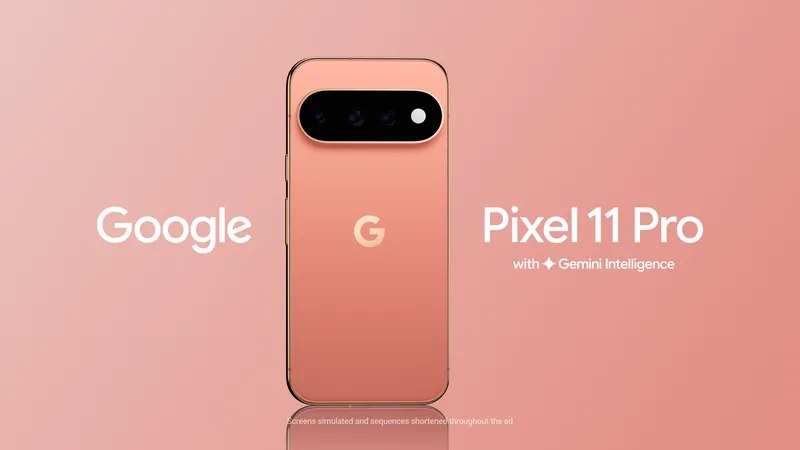
Pro or Pro XL
Pro remains 6.3 inches but adds resolution, a 3,600-nit peak and LTPO. This display technology can fall from 120 to 1Hz while you read a static message, avoiding 120 refreshes per second when nothing moves and saving power.
Its 50 + 48 + 48MP sensors are larger than Pixel 11's and collect more light, helping faces and textures at night. Against Pixel 10 Pro, Google keeps optical 5x zoom but introduces a new main sensor and a telephoto designed to catch 30% more light. The advertised 120x maximum remains software enlargement, not a 120x lens.
There is a hidden downgrade because Pixel 10 Pro had 16GB of memory at every capacity, while Pixel 11 Pro has 12GB with 256GB and reserves 16GB for 512GB or 1TB. Memory keeps more apps and AI work ready without reloading, although 12GB remains enough for ordinary use.
Pro battery capacity falls from 4,870 to 4,850mAh and sits below Pixel 11's 4,985mAh. Buy Pro for its cameras and display, not battery life. Wi-Fi 7 also requires a compatible router, while ultra-wideband locates nearby devices with direction and distance.
Pro XL adds $200, a 6.8-inch screen and 75% charging in half an hour, but uses exactly the same cameras as Pro. Its battery even falls from 5,200 to 5,115mAh against Pixel 10 Pro XL. Paying more does not improve the photograph.
The Fold is a different decision
The $1,899 Pixel 11 Pro Fold combines a 6.5-inch outer display with an 8-inch inner screen for running two apps like a small tablet. Its cameras sit closer to Pixel 11 than Pro. The extra $600 over Pro XL buys the hinge and internal workspace, not Google's best photography.
It weighs 239g and gains IP68, a laboratory rating against dust and water rather than a promise that it cannot be damaged. Google product lead Justin Savich says the design is three times more durable than its predecessor. This is a different category for buyers who specifically want a foldable, not a better fourth step in the standard Pixel range.
Which Pixel 11 should you buy?
Buy Pixel 11 if you are coming from Pixel 9 or earlier and would rather keep $200. Against Pixel 10, you gain 256GB from the start, seven grams less weight and 25W wireless charging. Battery size barely changes and the 5x telephoto already existed, so a discounted Pixel 10 still deserves a look.
Choose Pixel 11 Pro for frequent night photography or Google's best camera in a 6.3-inch body. Pro XL only makes sense if you want 6.8 inches and value reaching 75% charge in half an hour. It does not take better photographs than the smaller Pro.
If iOS is also on the shortlist, our iPhone 18, 18 Pro and Pro Max guide explains the differences. Google's rule is simpler: Pixel 11 for most buyers, Pro for cameras and Pro XL for the large screen.
Read the small print on your charger before paying. You need 30W PPS for Pixel 11 and Pro, 45W for Pro XL and Qi2.2 for 25W wireless charging. Without those labels, it will charge more slowly.
The conversation starts here
Sign in with a supporter account to comment. Sign in

Nobody has commented yet. Want to go first?