
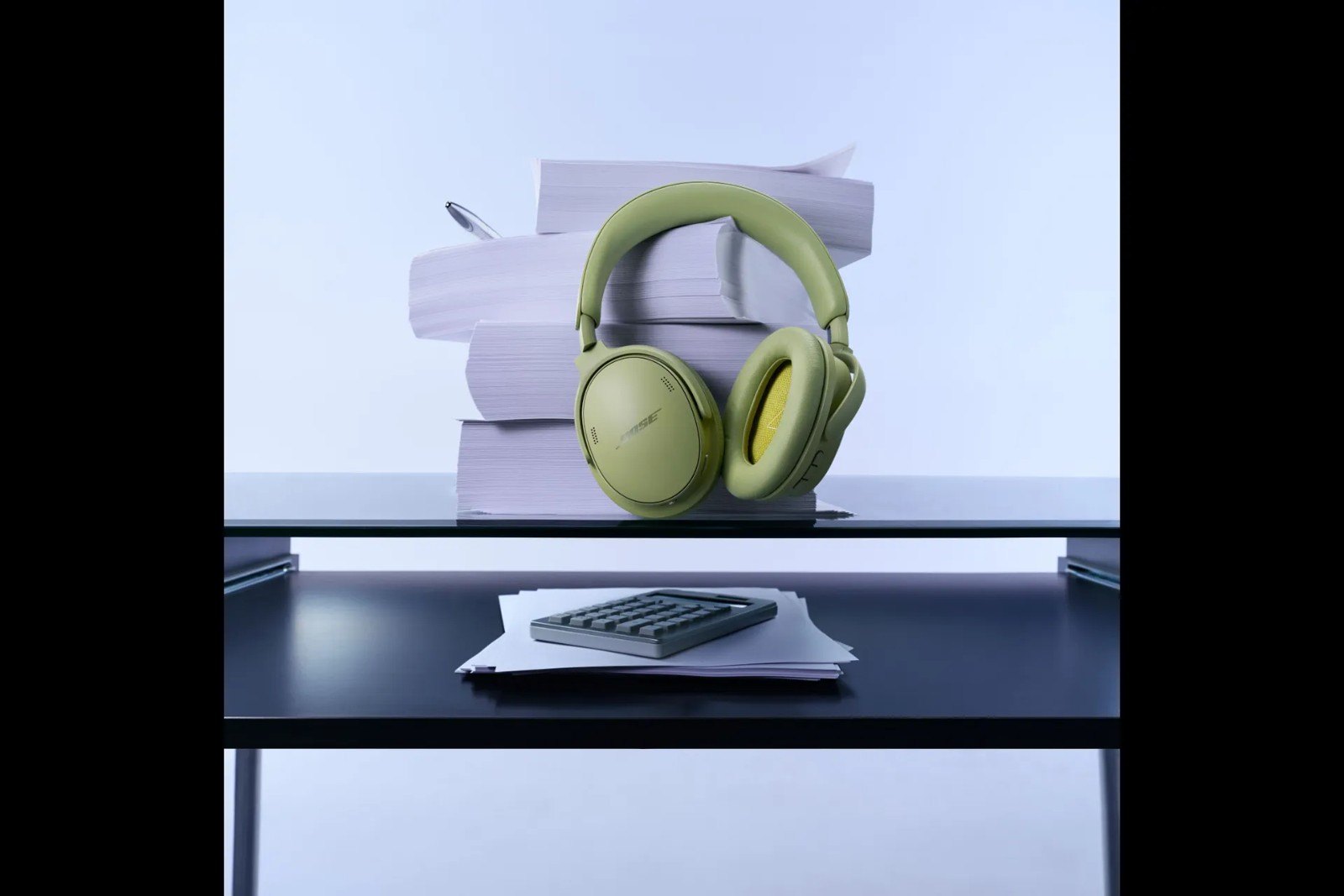
USB-C is the practical upgrade
These are the standard QuietComfort Headphones (2nd Gen), not the QuietComfort Ultra. Bose’s announcement adds wired digital audio through USB-C at up to 24-bit/48 kHz. With a compatible source, that gives listeners a path to lossless playback without relying on Bluetooth. Two-way USB-C audio also carries your voice for calls, which makes the cable useful for work as well as music.
A USB-C plug alone does not make a track lossless. The recording, app, device and headphone path all matter. Our guide to USB-C charging and data cables explains why the connector does not guarantee every function. Bose includes a USB-C-to-3.5mm cable for analog sources such as in-flight entertainment.
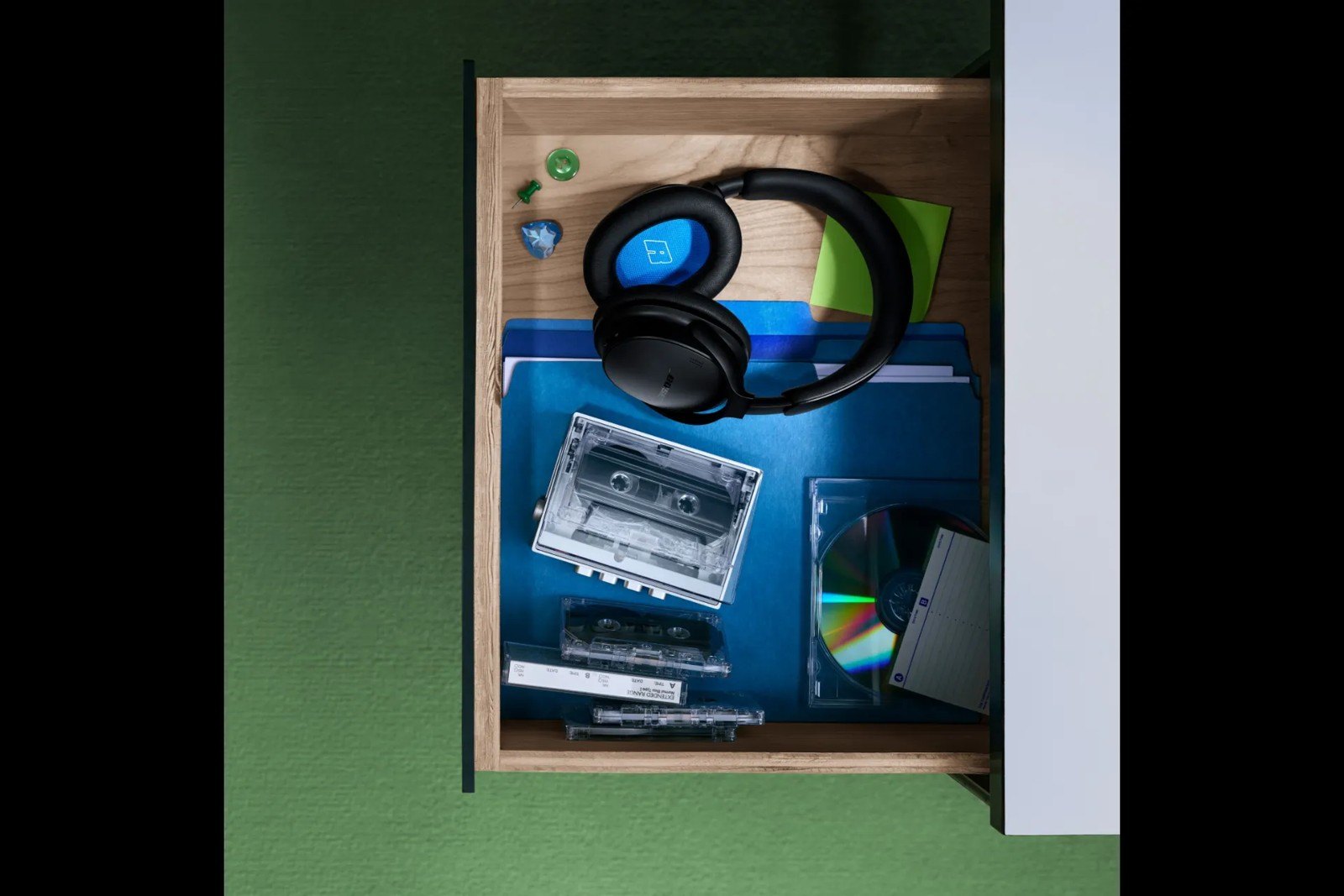
Spatial modes reach the non-Ultra model
Bose says its QuietControl noise cancellation now adapts better when glasses or the shape of a wearer’s head create small gaps around the earcups. In Aware mode, ActiveSense is also meant to soften sudden noises more smoothly. We have not tested these headphones, so those remain manufacturer claims rather than a comparison we can endorse.
Still, Motion and Cinema add virtualized spatial presentations previously associated with the Ultra line. Still keeps the soundstage in place as your head moves, Motion follows you, and Cinema aims to keep speech clear in video. These are listening modes, not evidence that a compressed source file has become higher fidelity.
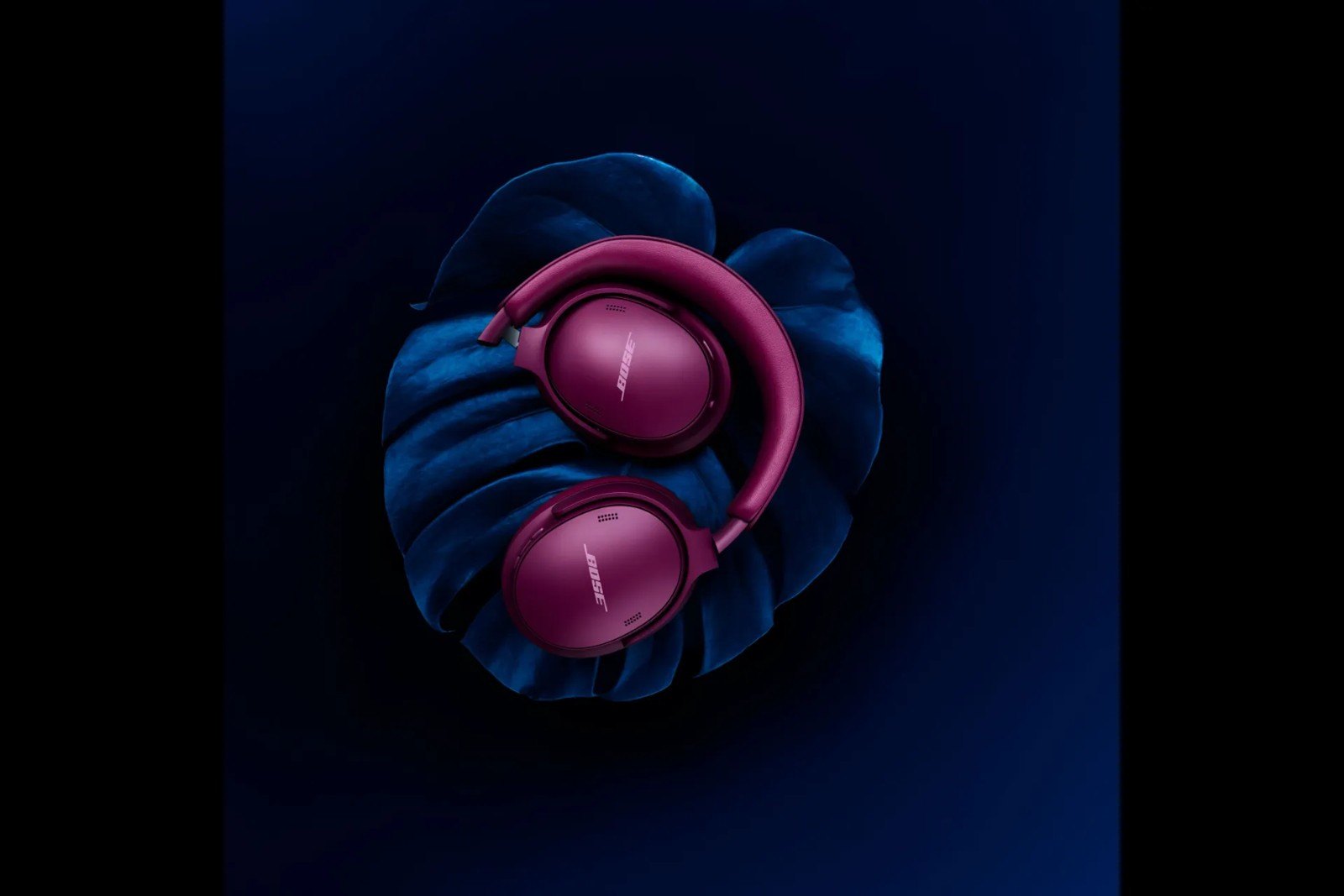
The US price and the real battery trade-off
Bose launched the model at $359 in the United States. It claims up to 24 hours of listening, dropping to 18 with Immersive Audio on. Those six hours are more relevant to a long trip than the number of available listening modes. A 15-minute charge is claimed to add up to 2.5 hours, with results dependent on conditions.
If you own the previous QuietComfort and rarely use wired audio, the specification sheet alone does not justify replacing it. The practical question is whether USB-C calls, lossless-capable playback and the new spatial modes are things you will actually use. Console players may also want to compare our coverage of PlayStation’s Pulse and Edge headsets before choosing a general-purpose pair.
The conversation starts here
Sign in with a supporter account to comment. Sign in
Nobody has commented yet. Want to go first?