

Pixels in front, volume behind
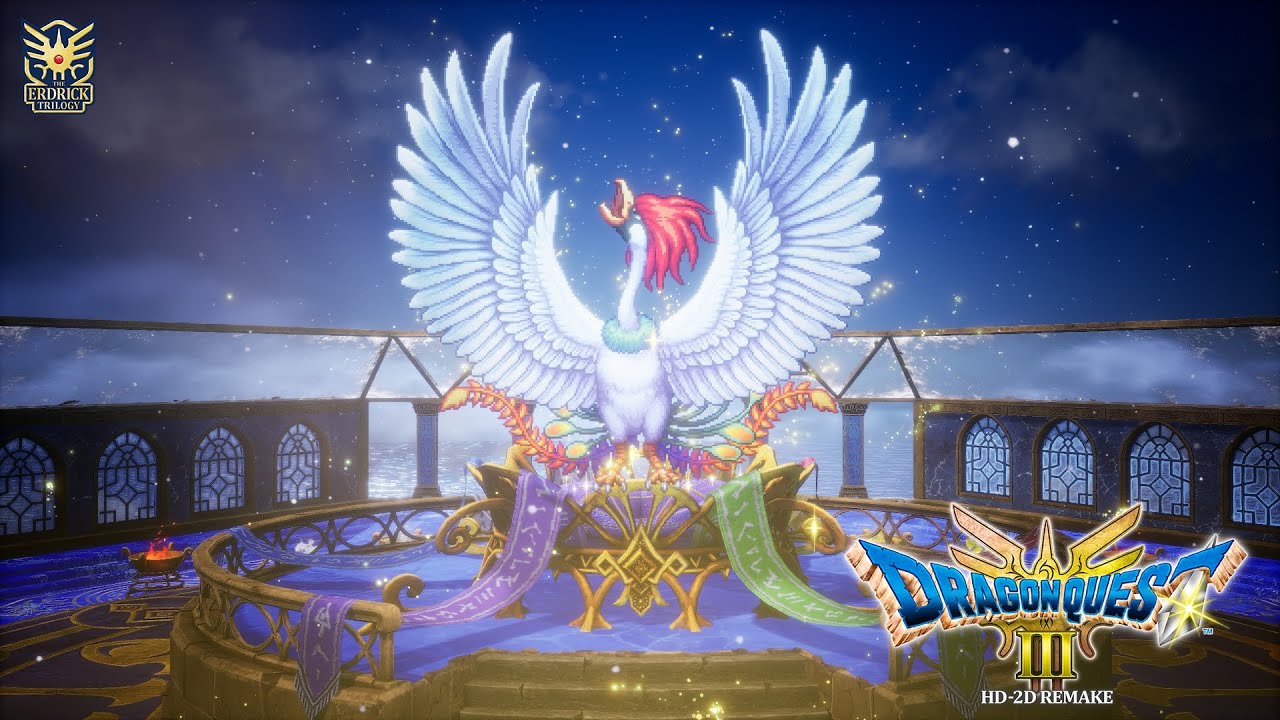
HD-2D is Square Enix’s name for staging that combines pixel-art characters and objects with three-dimensional environments. The camera moves through the set while lighting, particles, reflections and depth of field make flat sprites appear to occupy physical space.
The label arrived with Octopath Traveler, originally released in 2018. Square Enix credits Team Asano with the approach and describes more than old artwork at a higher resolution: 3D backgrounds and high-definition effects are part of the look.
A sprite remains a flat image. The miniature-diorama feeling appears when the engine places it inside a scene with 3D floors, walls, props and light sources. Blurring foreground and background strengthens that impression.
Our gaming terms dictionary explains sprites, engines and related vocabulary.

HD-2D is not a game genre
Octopath Traveler uses turn-based battles, Triangle Strategy is a tactical RPG and Live A Live rebuilds stories with different rules. A shared presentation does not require the same camera, combat or structure. HD-2D describes the image, not the genre.
The formula also changes between projects. One game may use sharper characters, more camera movement or gentler effects. Two HD-2D releases do not need to look identical.
Final Fantasy Resonance brings the label to Final Fantasy for the first time and uses pixelized 3D models in some cinematics. The Final Fantasy Resonance demo lets players inspect the result before launch.
Not every RPG mixing pixels and polygons can be sold under the name. HD-2D is a Square Enix commercial label. Expressions such as 2.5D or pixel art with 3D backgrounds often describes similar ideas elsewhere without claiming the same product line.
The conversation starts here
Sign in with a supporter account to comment. Sign in


Nobody has commented yet. Want to go first?