
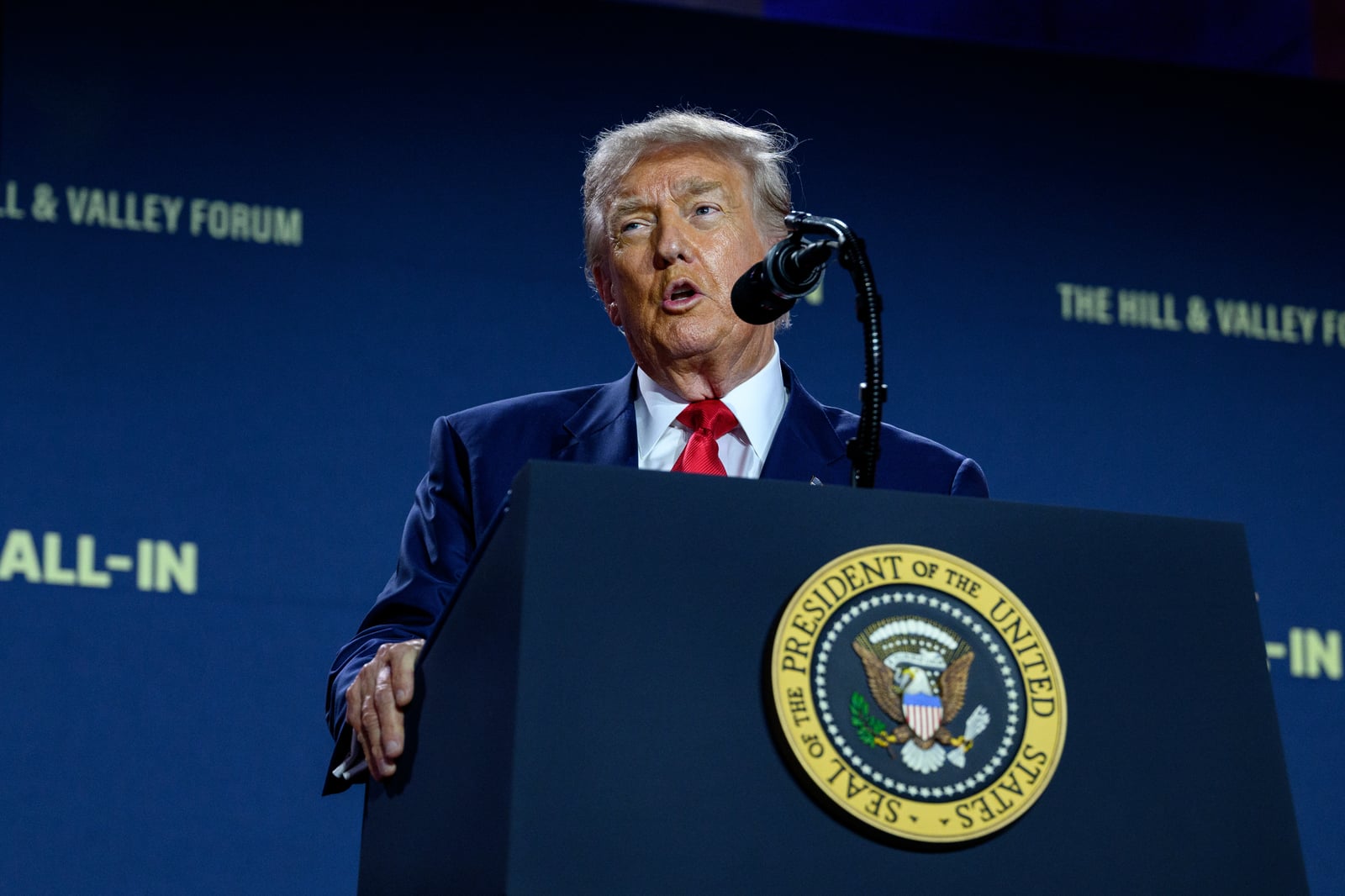
Federal agencies have been told to replace “Artificial Intelligence” and “AI” with “Super Intelligence” and “SI” in their official communications. President Donald Trump’s September 29 executive order covers executive-branch websites, reports, correspondence and policy documents, subject to what the law permits.
The terminology does not come with a new capability threshold. For now, the order explicitly uses the existing statutory definition of artificial intelligence. A federal website describing a system as “Super Intelligence” therefore does not establish that the system has surpassed human intelligence.
What “Super Intelligence” means under this order
The order points to 15 U.S.C. 9401(3), which defines an artificial intelligence system around what it does. Given objectives set by humans, it makes predictions, recommendations or decisions affecting physical or virtual environments. The definition does not require performance beyond that of a person.
That differs from the broader capability claim associated with superintelligence. In philosopher Nick Bostrom’s definition, such an intelligence would greatly outperform the best human minds across almost every field. Our explanation of AGI, superintelligence and the singularity separates those ideas. The executive order introduces no test for determining whether a system has reached that level.
The White House fact sheet argues that the new language better captures the technology’s potential and its ability to expand human creativity. That is the administration’s rationale for the naming policy, rather than evidence from a model evaluation.
The instruction covers language, with an exception for older documents
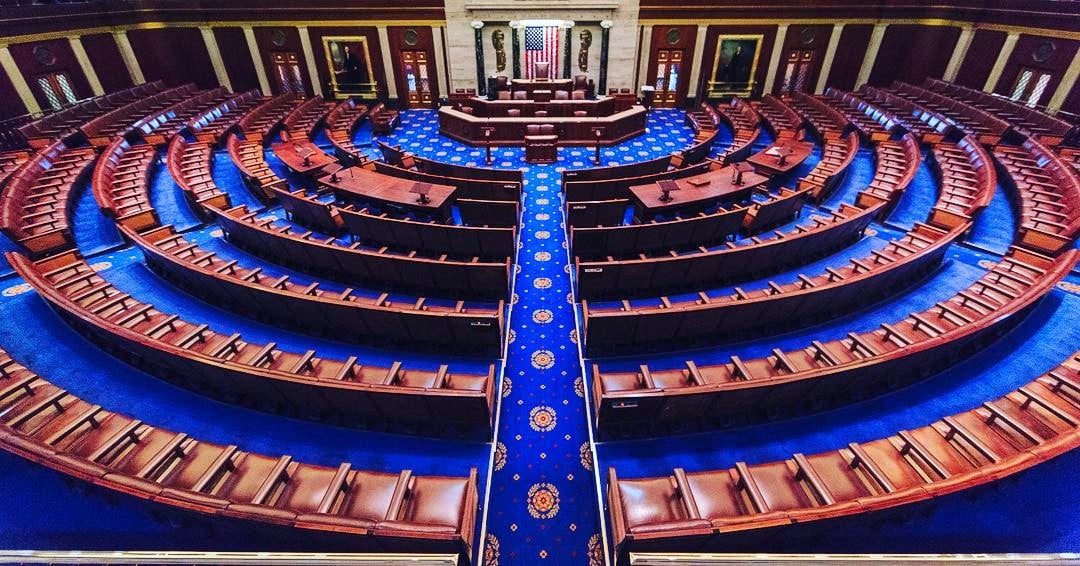
The directive applies to departments and agencies in the federal executive branch. It does not require private businesses, journalists or the public to adopt the new name, and it does not direct state governments to do so.
Previously issued regulations, presidential actions, contracts, grants and other historical documents do not have to be altered. An older contract that refers to AI can keep that wording. The exception matters when reading official material, because both terms can still appear without describing different technologies.
A proposed legal definition comes next
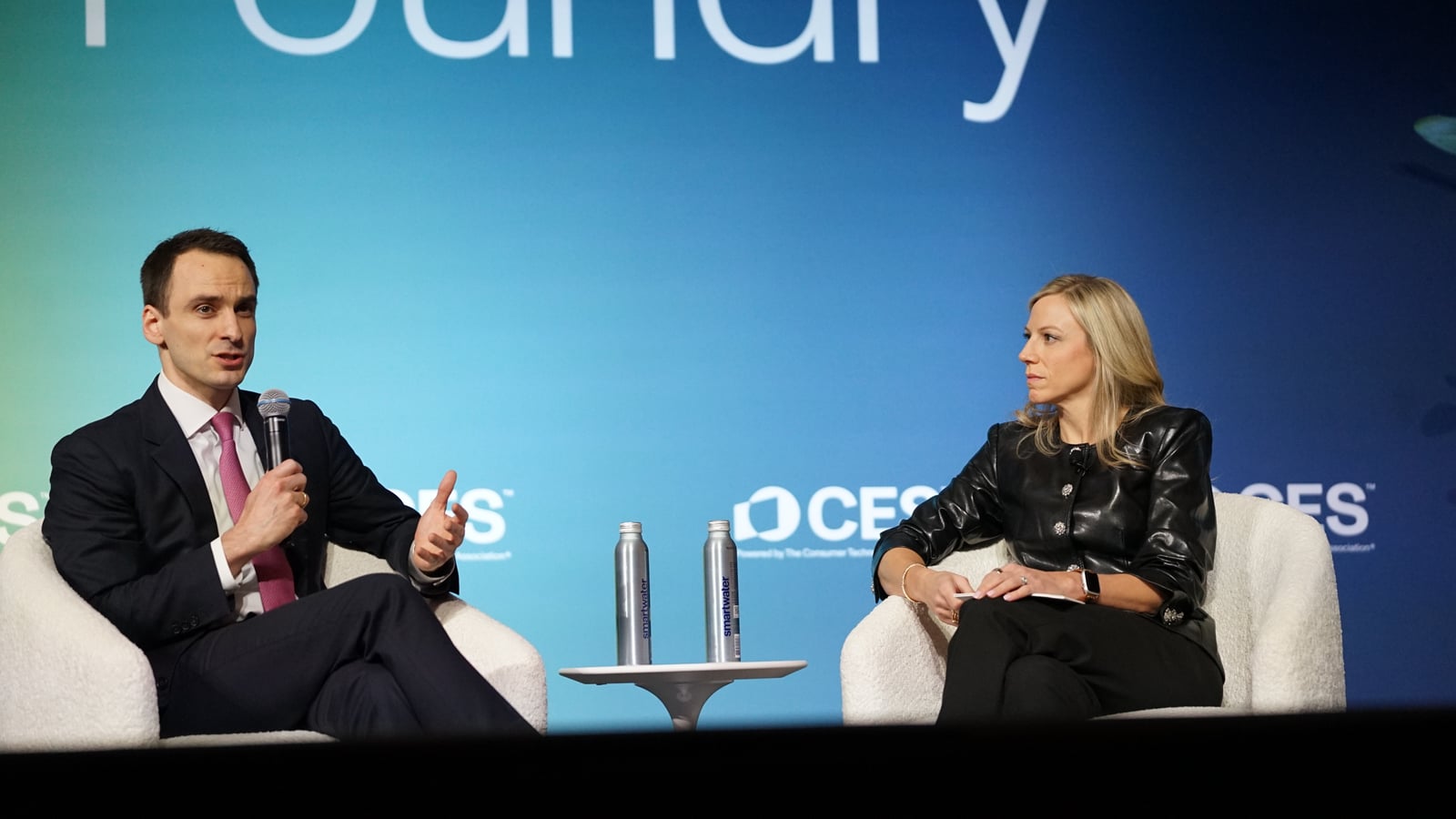
Trump has given Michael Kratsios, his science and technology adviser, 60 days from September 29 to submit proposed legislative language defining “Super Intelligence” at the federal level. Kratsios is to consult agency leaders as appropriate and assess whether the existing AI definition should be changed, expanded or replaced.
The submission must also identify corresponding changes to existing statutory references and recommend any further presidential or executive action. The 60-day deadline is for delivering that proposal, not for a new law taking effect. Until a later presidential action consistent with applicable law or an act of Congress replaces it, the existing definition governs implementation of this order.
The conversation starts here
Sign in with a supporter account to comment. Sign in


Nobody has commented yet. Want to go first?