
An all-stock agreement, with closing still ahead
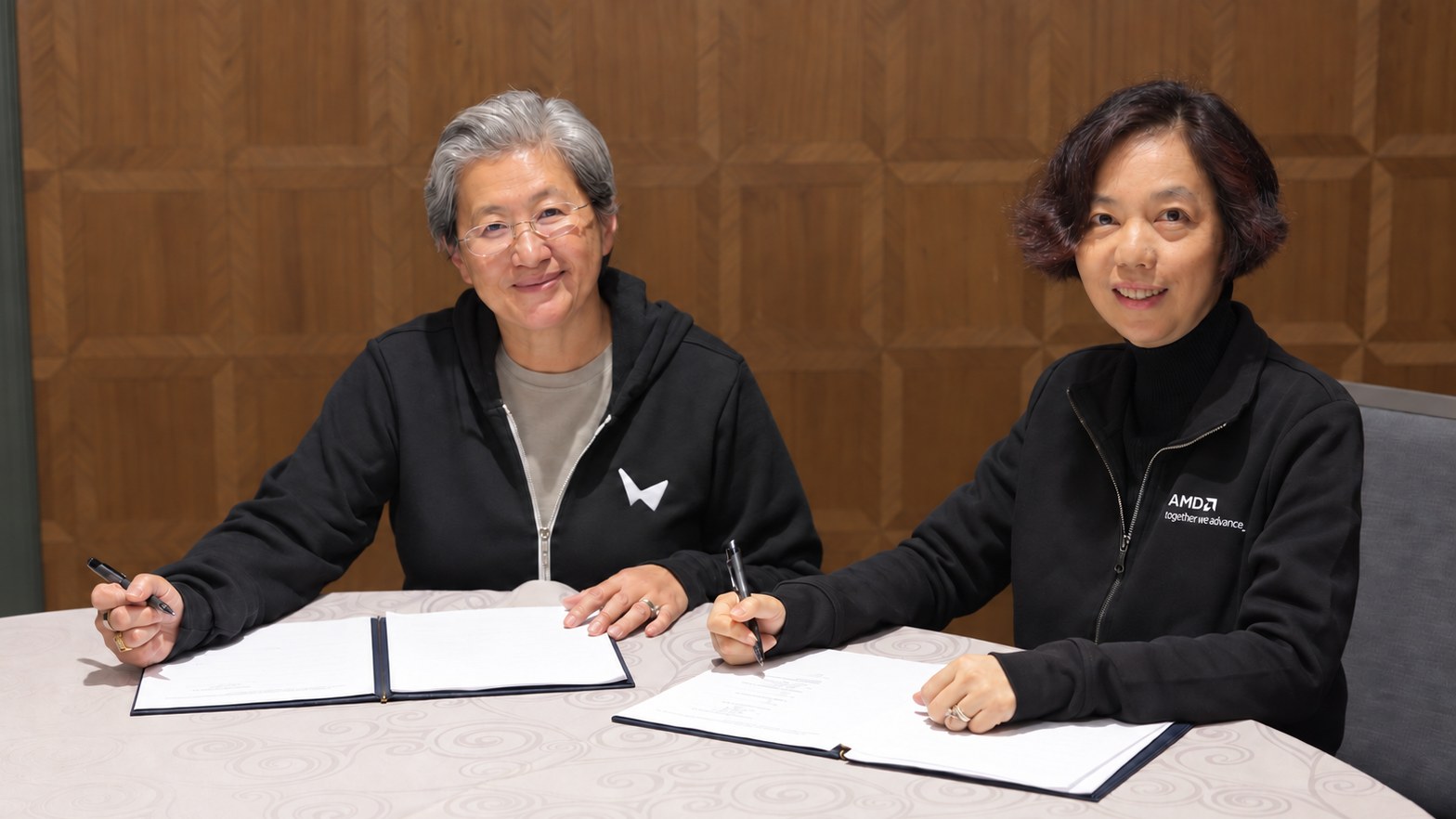
AMD has agreed to acquire World Labs for approximately $8.2 billion in stock. The spatial AI company, co-founded by Fei-Fei Li, would bring its research team into a chipmaker seeking a closer understanding of the models its future systems will run. Closing is expected by the end of 2026, subject to regulatory approvals and other conditions.
AMD’s SEC filing dates the merger agreement to September 26. The number of shares issued will be determined using AMD’s stock price near closing, so the headline amount is the announced transaction value rather than cash already paid.
After closing, Li will become AMD’s executive vice president and chief scientist, reporting directly to CEO Lisa Su. She will continue leading the World Labs team alongside Justin Johnson and Ben Mildenhall.

Spatial AI gives AMD a different kind of workload
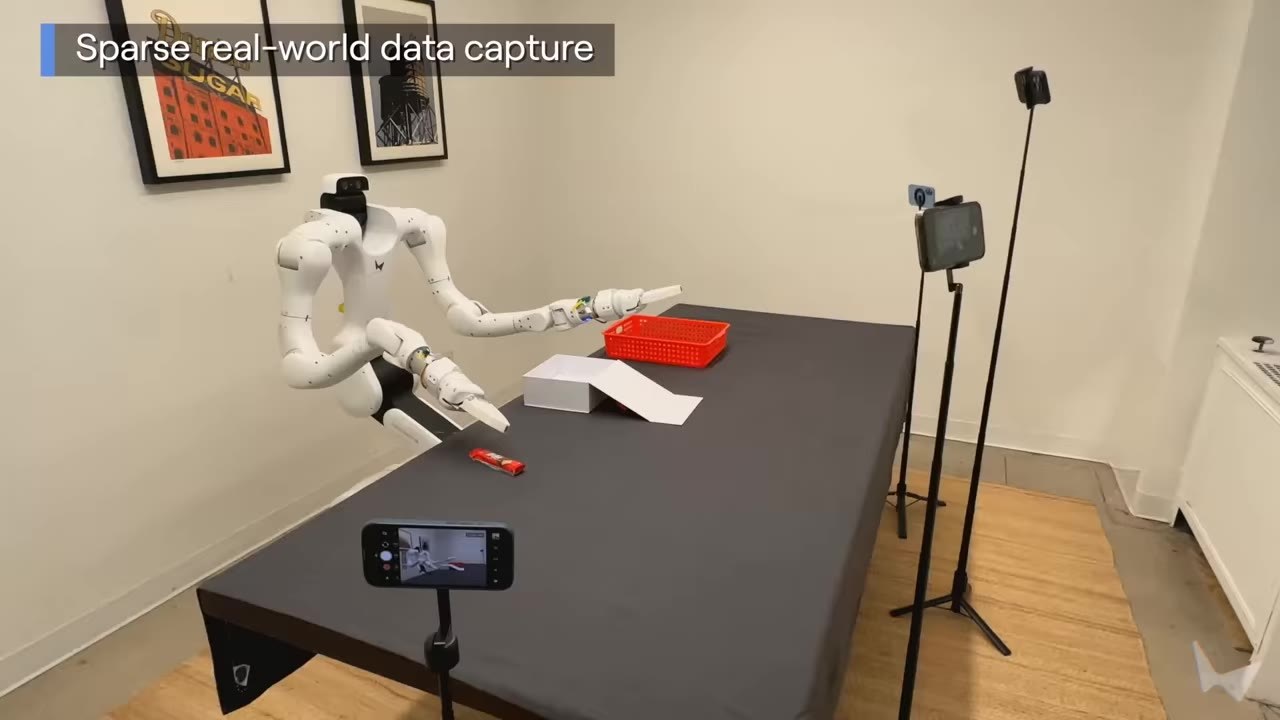
World Labs builds models that work with the layout and appearance of three-dimensional spaces. Its Atlas model can use images and other inputs to generate new views, reconstruct environments and support simulations. Areas missing from the input may be filled with plausible details, which means a convincing reconstruction is not automatically an accurate record of a real location.
Robotics provides a concrete use. A reconstructed room can supply simulated views from a robot’s cameras, with different objects, lighting and routes for training or evaluation. Those are capabilities demonstrated by World Labs, rather than evidence that a robot will reliably handle every equivalent situation in the real world.
Generating environments also differs from making their inhabitants respond intelligently. Humalike’s work on NPC memory addresses character behaviour, a separate part of building an interactive world.
From supplying chips to shaping the research
According to World Labs, the companies began a technical partnership last year, working on model training and execution on AMD GPUs. Bringing the teams together would connect that model research more closely to hardware and systems development.
AMD says those insights will help shape its technology roadmap. That adds a different role to supplying computing capacity, as illustrated by its chip agreement with Anthropic for Claude. The acquisition announcement does not introduce a consumer graphics card or establish an immediate improvement in gaming performance.
The conversation starts here
Sign in with a supporter account to comment. Sign in



Nobody has commented yet. Want to go first?