
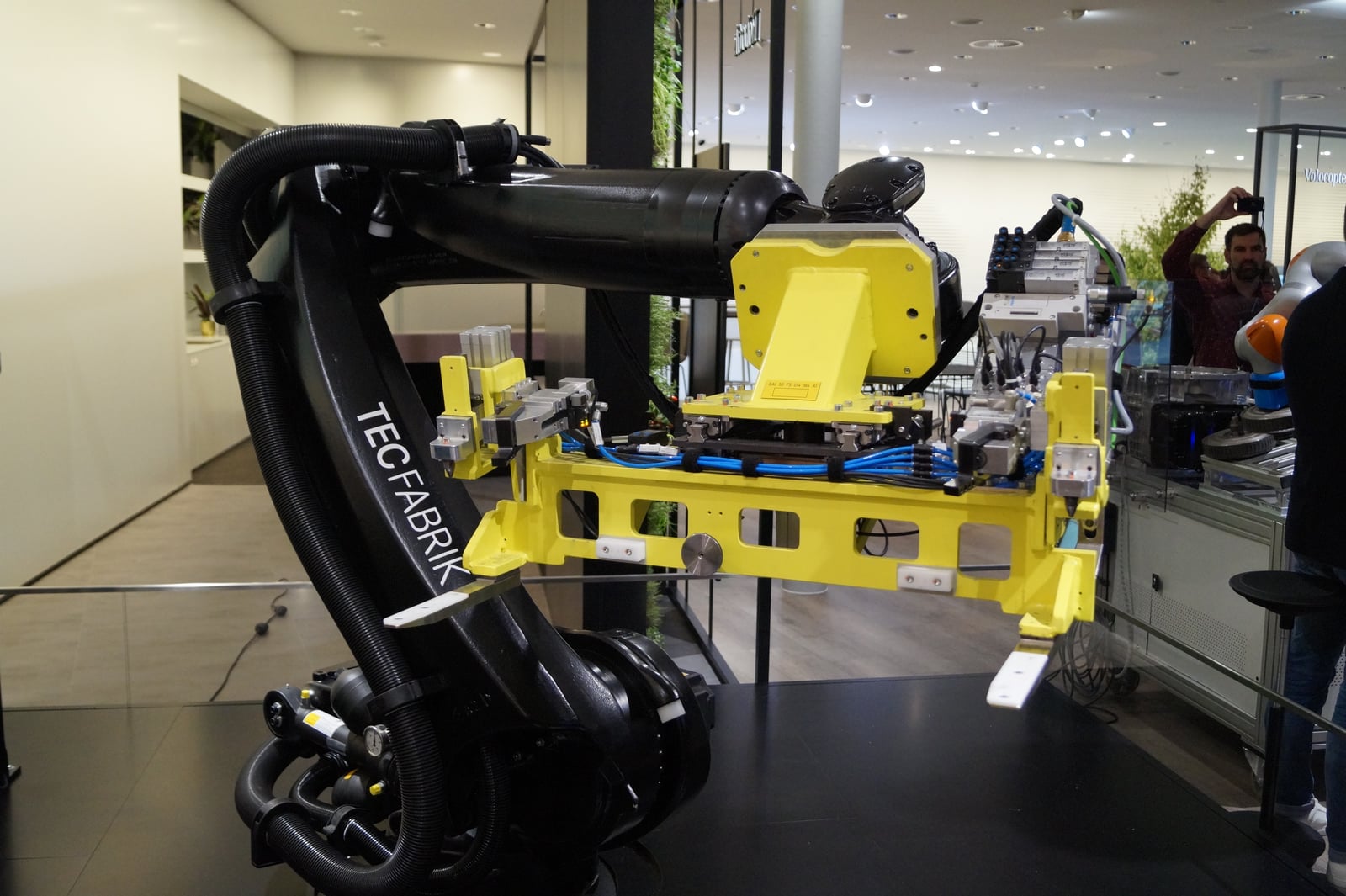
Robots can already perform tasks accounting for an estimated 34% of US working time, yet they are cheaper than human labor for work adding up to just 0.3%. That gap is the central finding of Anthropic’s September 30 study, which separates technical capability from the economics of putting machines to work.
These are shares of time spent on tasks, not a forecast of how many jobs will vanish. The capability figure also counts work that robots can perform only in specially designed facilities. Replacing one activity under controlled conditions does not establish that a machine can take over the rest of a person’s job.
How the researchers break down a job
Russell Legate-Yang and Maxim Massenkoff use the Occupational Information Network, the public US database of occupations and work tasks. A welder’s job, for instance, includes positioning material, reaching awkward joints and checking the finished work. A machine that performs the weld has not necessarily automated those other steps.
Claude expands the task descriptions into examples, searches for evidence of existing robots performing them and estimates the share of working time involved. The researchers then distinguish purpose-built robot facilities from structured human workplaces, such as warehouses, and less predictable surroundings, such as streets. Their index gives more weight to capabilities that require less control over the environment.
Here, a robot is a physical machine that senses and acts autonomously. Driverless cars qualify, while surgical machines directly controlled by surgeons do not. This is a different challenge from AI agents operating files and software, which can carry out digital tasks without handling objects or navigating around people.
A stricter evidence test lowers the estimate
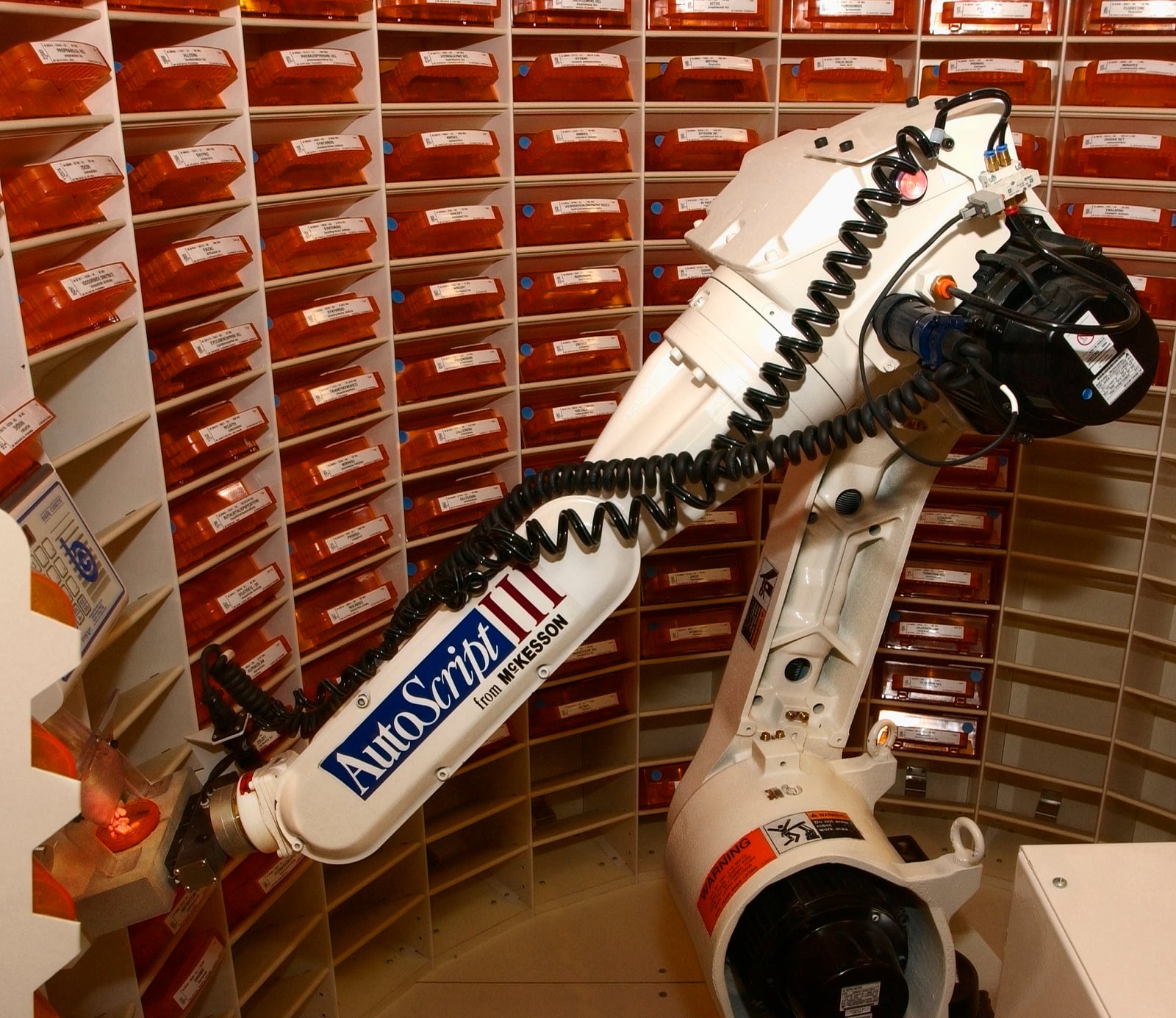
The methodological appendix includes a consequential limitation. Claude sometimes assigns a capability because a robot performs a related task, even when it cannot find an exact match. The authors give the example of wheel alignment in repair shops being rated using evidence from car-factory robots.
Excluding these cross-task judgments reduces exposed physical work from roughly 74% to 50%. Both figures describe physical tasks only. The opening 34% uses all working time as its denominator. What counts as demonstrated capability therefore changes the result substantially, particularly when a task moves from a factory to a different workplace.
The purchase price is only part of the cost
The cost exercise asks Claude to find prices and estimate what robots would cost annually to match a worker’s output on the covered tasks. Installation, tooling, maintenance, energy and human supervision are included. The authors compare that total with the compensation attached to the working time being replaced. These are modeled estimates, rather than bills from installations Anthropic tested at each workplace.
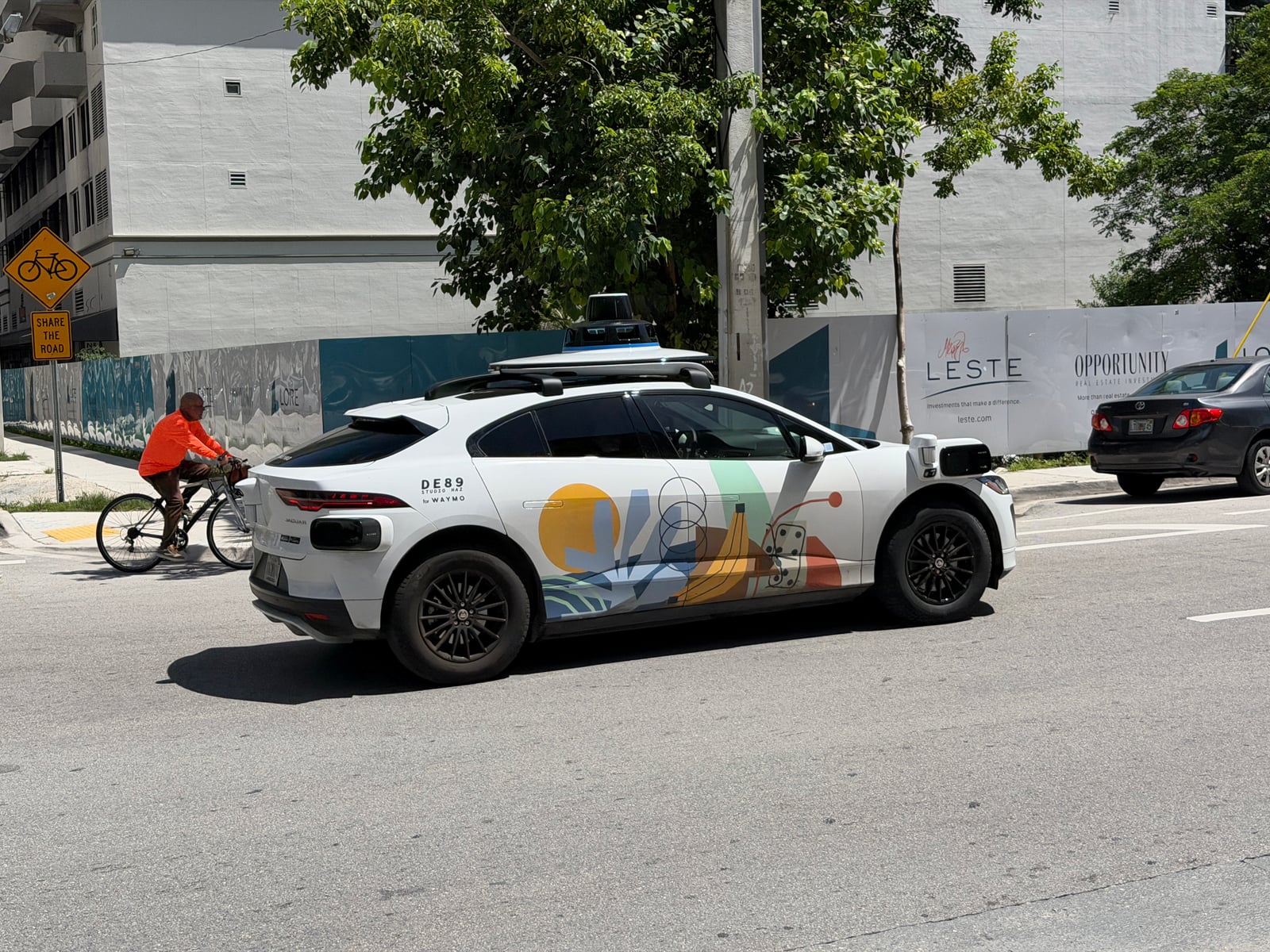
Packers and taxi drivers are among the occupations where the study finds robot costs competitive with, or close to, human labor. Economics alone does not establish where a driverless service can legally operate. Our coverage of robotaxi deployments and their limits illustrates how an operating area and regulatory conditions constrain availability.
The authors estimate that robot costs would need to fall about 70% to become competitive for tasks covering 10% of today’s working time. At the roughly 3% annual decline they use as a historical reference, that would take around 40 years. This scenario holds current tasks fixed and depends on that rate of improvement. More capable machines or different manufacturing methods could change the trajectory.
The conversation starts here
Sign in with a supporter account to comment. Sign in



Nobody has commented yet. Want to go first?