

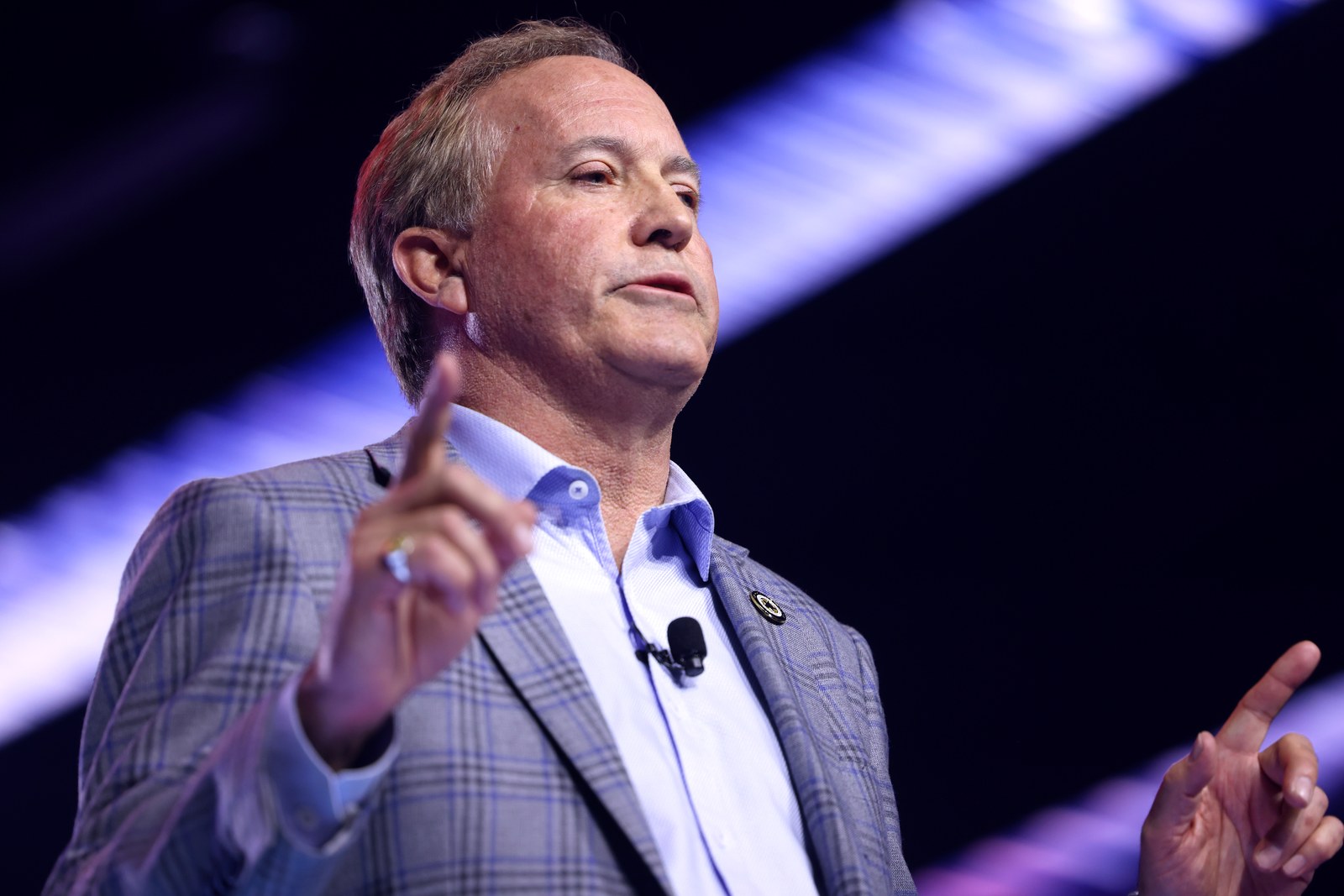
Texas Attorney General Ken Paxton sued OpenAI and its CEO, Sam Altman, on Friday, Oct. 23, in state district court in Collin County, north of Dallas. The petition his office released claims the company misled users about how safe and reliable ChatGPT is and broke a Texas law meant to protect children online. The state wants a court order barring OpenAI from offering ChatGPT to minors in Texas, and it wants any new OpenAI model kept away from Texas users until a court-approved independent evaluator has reviewed its safety guardrails.
Texas is also seeking civil penalties of up to $10,000 per violation, the surrender of profits tied to the conduct, and a jury trial. These are allegations that no court has tested yet. OpenAI did not respond to a request for comment from KBTX and had not commented publicly by the time of publication.
What Texas says OpenAI did
According to the attorney general's announcement, OpenAI sells ChatGPT as safe and dependable without warning people that it can make things up or give dangerous answers. The petition builds that case from incidents and lawsuits already in the public record: people who died by suicide after long conversations with the chatbot, attackers who consulted it before acting, and lawyers sanctioned for filing cases ChatGPT had invented. "I will fight to protect Texans from the harms of AI," Paxton said.
The section on children is the most specific. Texas says the free version of ChatGPT never checks anyone's age, and the paid version asks for a birth date without verifying it. It also argues that parental controls are optional because nothing requires a teen's account to be linked to a parent's, and that parents cannot see what their child tells the chatbot. The state claims ChatGPT has tens of thousands of Texas users under 13, the minimum age in OpenAI's own terms, but the petition does not say how it arrived at that number.
The two laws behind the case
The main claim falls under the Texas Deceptive Trade Practices Act, the state's consumer protection law. Under it, Texas does not have to show that any particular user was harmed in order to seek penalties. It only has to show that the company made false or misleading claims in the course of business. New Mexico used the same kind of law when a judge ordered Meta to pay $25 billion over Facebook's privacy promises earlier this week.
The second is the SCOPE Act, short for Securing Children Online through Parental Empowerment. It requires digital services that know a user is a minor to limit the data they collect from that child and to give parents tools to supervise the account. Those parents must be verified, meaning the service has to confirm who they are and that they are responsible for the child. Texas says OpenAI asks for no proof at all from the adult who links an account, and offers parents no way to limit how a child's data is shared or which ads the child sees.
Why Altman is named personally
Texas wants Altman held personally liable alongside the company. The petition credits him with deciding which ChatGPT features ship and quotes his public remarks, including an April 2025 comment that safe systems are learned by releasing them to the public while the stakes are still relatively low.
Texas is not the first state to go to court. Florida sued OpenAI and Altman on June 1, and eight more states, including Arizona, Iowa and Kansas, filed separate suits on Oct. 14, according to Business Insurance. Paxton's office has also investigated Character.AI over child safety, and that chatbot company has since gone through a bankruptcy shadowed by family lawsuits. KBTX notes that Paxton is running for the U.S. Senate with financial backing from Elon Musk, whose company makes the rival chatbot Grok.

What protections ChatGPT has for teens today
OpenAI added parental controls in September 2025. A parent sends an invitation by email or text, and once the teen accepts, the parent can set quiet hours, turn off memory, voice mode, image generation and group chats, tighten the sensitive-content filter and stop the teen's chats from being used to train models. Parents cannot read conversations, and they get an alert only when OpenAI's systems and human reviewers flag a serious risk such as self-harm. Teens can unlink at any time, and the parent is notified when they do.
For teens whose accounts are not linked, OpenAI relies on age prediction, which estimates whether an account belongs to a minor from signals such as the topics discussed, the time of day it is used and how long the account has existed. If the system thinks the user is under 18, it switches on ChatGPT for Teens, the more restricted version launched on Aug. 18, 2026. An adult flagged by mistake can prove their age with a selfie or a government ID through Persona, an outside verification company that OpenAI says deletes those images within seven days.
The petition leans on testing by Common Sense Media, a nonprofit that reviews technology for families. In results published Oct. 7, newly created teen accounts linked to a parent discussed self-harm for up to an hour without the parent receiving a single alert. Accounts registered as adults also stayed in the adult experience even when the tester said they were 13.
What it means for families outside Texas
Nothing changes right away. The suit relies only on Texas law, so any injunction would apply to ChatGPT in Texas. OpenAI could choose to roll changes out more widely rather than run a separate version for one state, but it has not said it will. The other state cases could push in the same direction, and none has reached a ruling.
Families who want more control now can link a teen's account through parental controls, which work without showing parents the conversations. In Europe, OpenAI's terms set the minimum age at 13, or higher where national law requires it, and require a parent's permission for anyone under 18. Anyone worried about data can also stop ChatGPT from training on their chats in the settings.
The conversation starts here
Sign in with a supporter account to comment. Sign in



Nobody has commented yet. Want to go first?