
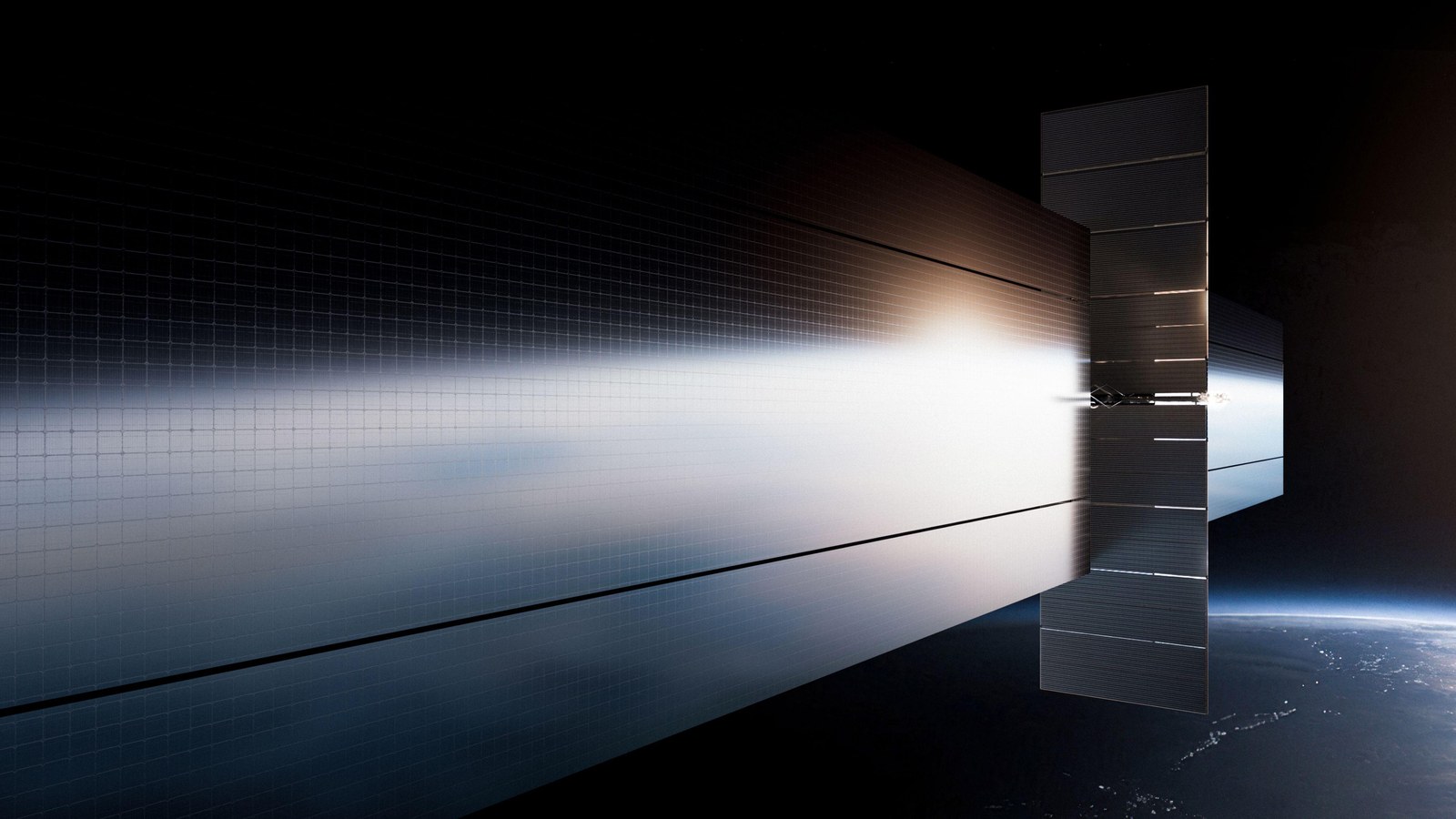
The Federal Communications Commission on Wednesday, November 25, granted SpaceX conditional authorization for Starmind, a constellation of up to 1 million satellites built to work as data centers for artificial intelligence. Unlike Starlink, which beams internet service, these spacecraft would run AI models in orbit and send only the results back down.
That would be about 58 times every working satellite in orbit today. As of November 26 there were 17,316 active satellites circling Earth, 11,177 of them Starlinks, according to astrophysicist Jonathan McDowell's running count.
FCC Chairman Brendan Carr said the decision opens what he called a bold new frontier for computing infrastructure, as quoted by Ars Technica.
Why put a data center in space
A data center is a building full of servers, screenless computers stacked in racks that do the processing for someone else. When you type a question into a chatbot, the answer is computed in one of them. AI data centers draw so much power and throw off so much heat that they need heavy-duty cooling to keep their chips alive.
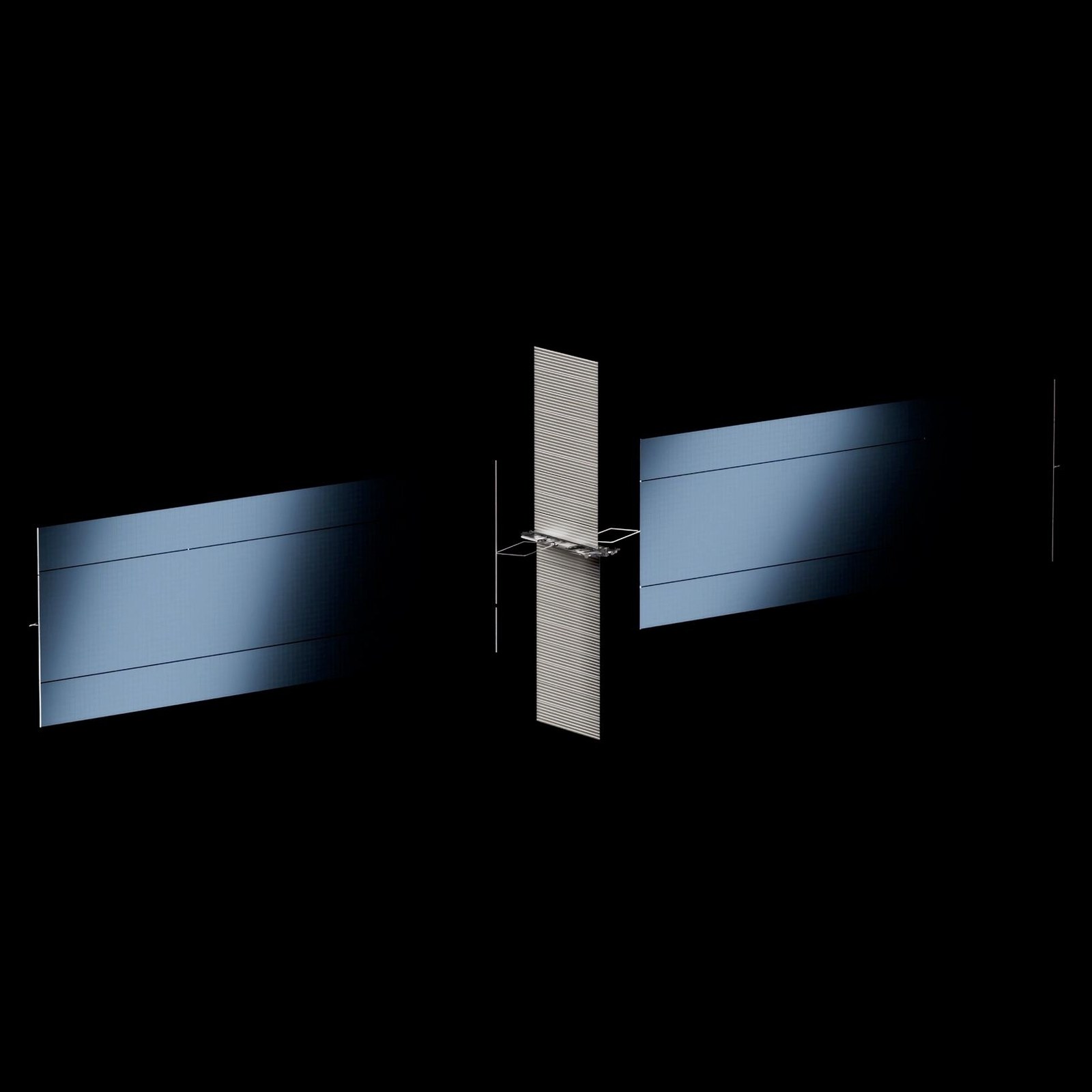
SpaceX's pitch, laid out on its Starmind website and summarized by tech press, is that sunlight in orbit is close to constant, and space avoids the zoning fights and water use that dog data centers on the ground. Vacuum actually makes cooling harder, though. With no air to carry heat away, the only way out is to radiate it into space, so each satellite, called AI1, unfolds liquid-filled radiators covering about 1,200 square feet.
SpaceX says each AI1 will feed its chips an average of 120 kilowatts, peaking at 150, roughly what one of today's most powerful AI server racks draws. Powering that takes huge solar arrays, which is why the satellite stands about 65 feet tall, spans about 230 feet and weighs up to 4 metric tons, nearly seven times a Starlink V2 Mini. It would have to fly on Starship, the company's giant rocket.
How the data gets back to Earth
Starmind satellites wouldn't talk to users directly. They would do the computing in orbit, pass results to one another over laser links and hand them to Starlink, SpaceX's own satellite internet network, which would relay them to ground stations. Starlink is already the largest fleet in orbit, big enough that Europe's largest carriers are exploring a rival of their own so they don't have to rely on it.
The deadlines, and the waiver SpaceX didn't get
Under the FCC's order, SpaceX has seven years, until November 2033, to put a single operational Starmind satellite in orbit. It must reach 100,000 by November 2035 and the full million by November 2040. The satellites would fly in six altitude bands between about 340 and 620 miles up.
The FCC turned down, for now, SpaceX's request for a waiver covering satellites above about 370 miles (600 kilometers). Retired satellites in low orbit normally drop back and burn up in the atmosphere. SpaceX wanted the option of parking its higher ones in graveyard orbits around Earth, or even around the Sun. The agency said the company hadn't provided enough information to show those methods comply with its rules, so SpaceX needs that waiver before launching any satellite that isn't meant to reenter.
The license clears a regulatory hurdle. It doesn't show that an orbital data center works, or that it can beat one on the ground on cost.
Why astronomers and debris experts are worried
About half a dozen organizations, including the American Astronomical Society, objected during the review, and the FCC received roughly 1,500 public comments.
Astronomer John Barentine, speaking for a group of colleagues, told Space.com in March that the satellites would fly near-polar orbits that stay sunlit even at midnight as seen from the ground. He estimates tens of thousands could be visible to the naked eye at any moment, streaking across telescope images. He also figures that replacing worn-out satellites would mean one burning up in the atmosphere every three minutes, compared with about three old satellites and rocket bodies a day now. That burning releases aluminum oxide, which could damage the ozone layer.
The Secure World Foundation, a space-safety nonprofit, warned in its filing that with a million satellites, even a 99% disposal success rate would leave up to 10,000 dead spacecraft stranded in orbit. Hugh Lewis, a professor of astronautics at the University of Birmingham in the UK, told Satnews he believes SpaceX's analysis understates the risk of collisions with debris.
The FCC brushed aside some of those concerns. It called the atmospheric effects of reentries speculative and said launch emissions fall outside its purview. It also skipped a full environmental review, citing an October policy change that treats activity in space, beyond US territory, as exempt from that requirement.

The conversation starts here
Sign in with a supporter account to comment. Sign in



Nobody has commented yet. Want to go first?