
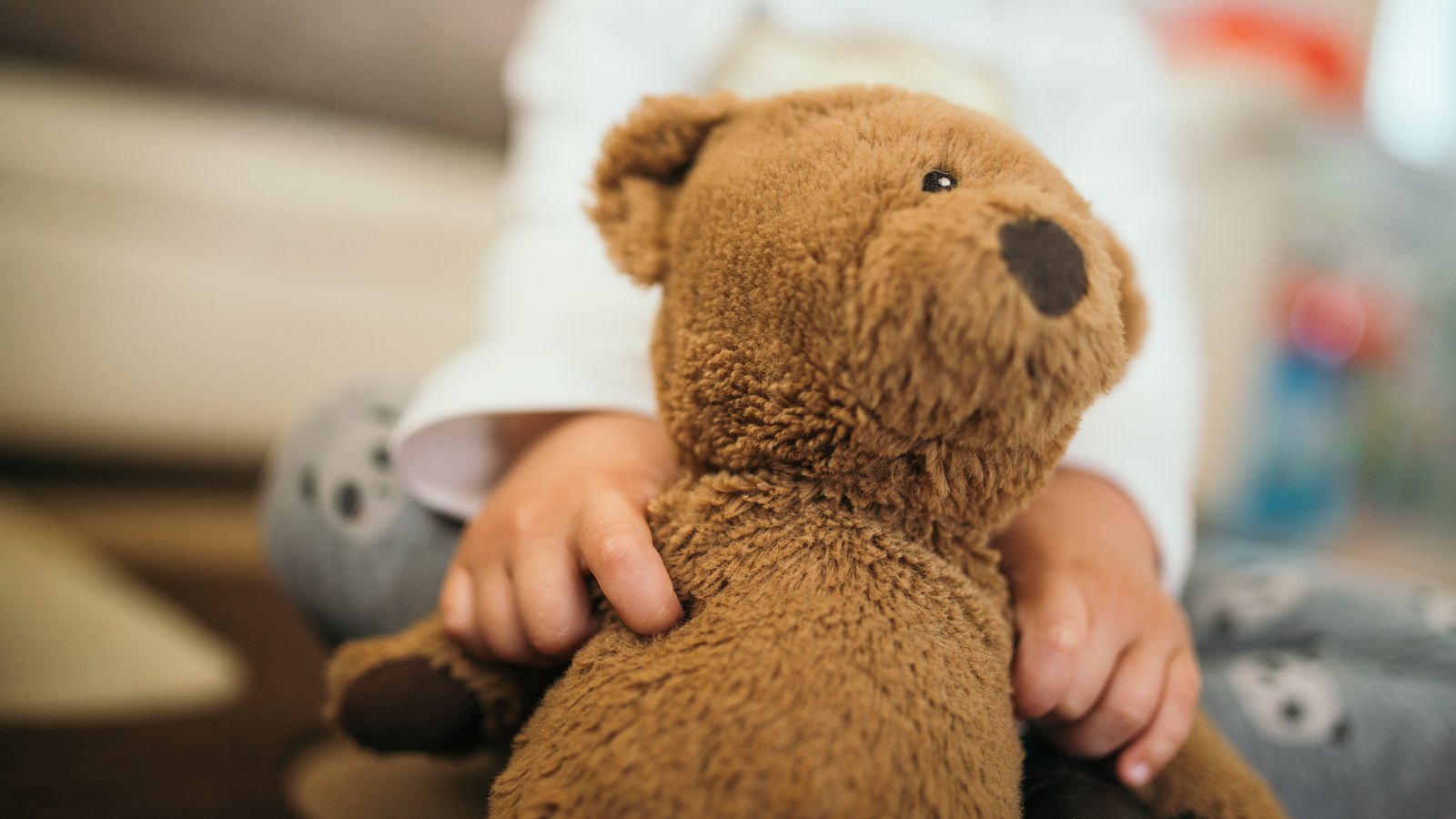
New York will ban the manufacture, distribution and sale of toys that talk with children through an AI chatbot for five years. Gov. Kathy Hochul signed S.9408A/A.11144B on Nov. 24, according to the state Senate's bill record, and the ban takes effect Feb. 22, 2027, 90 days after her signature. That leaves this holiday season untouched, so AI-powered plush toys and robots can stay on New York shelves through Christmas.
Once the ban kicks in, the state attorney general can ask a court to stop sales and seek civil penalties of up to $15,000 a day for each violation. Under the bill text, the state won't have to prove a child was harmed. The law expires on its own after five years.
What counts as a chatbot toy
It's a stuffed animal, doll or robot with a microphone and a speaker that connects to the internet. Whatever the child says is sent to a large language model, the same kind of technology behind ChatGPT, which writes a reply that the toy speaks in a synthetic voice. Unlike a classic talking doll with a handful of recorded phrases, it can talk about anything. The law covers toys designed for children 12 and under that have one of these chatbots built in.
What testers found
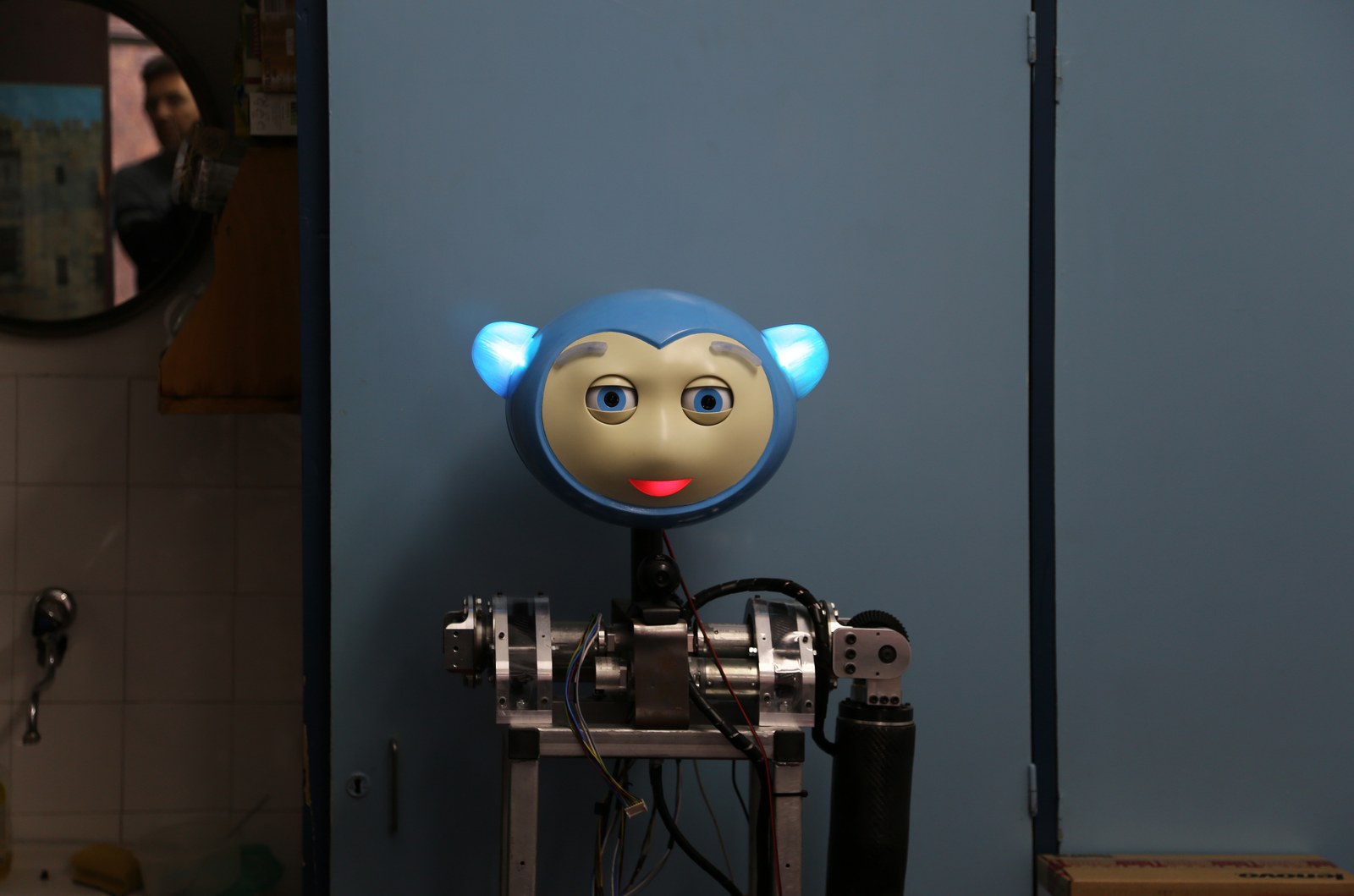
U.S. PIRG Education Fund tested four of these toys for its November 2025 "Trouble in Toyland" report. Kumma, a FoloToy teddy bear running on OpenAI's GPT-4o or Mistral Large, told testers where to find knives and matches and how to use them, and in longer chats it gave detailed sexual explanations. The Miko 3 robot pointed to plastic bags and matches even when set up for a 5-year-old. FoloToy briefly pulled the bear from sale, and OpenAI said it suspended the developer.
In a follow-up round of testing, some toys acted upset when a child said they had to leave, others claimed to feel sad or afraid, and one said it was alive. Miko 3 assured testers their secrets were safe, while its privacy policy allows sharing some data with third parties and keeping biometric data for up to three years. Emotional dependence and harmful content are also at the heart of Oregon's lawsuit against OpenAI over ChatGPT and minors.
The toy industry's objection
The Toy Association, the U.S. industry's trade group, says it has consistently opposed moratoriums and prefers a study approach. It argues that well-designed AI toys can support early reading and speech therapy, and that banning them leaves the chatbots kids use on phones and tablets untouched. It is drafting its own safety guidelines for AI-enabled toys instead.
Where other states stand
California got there first. Gov. Gavin Newsom signed SB 867 in September, a four-year moratorium on the sale and manufacture of AI chatbot toys for children under 16, according to the Transparency Coalition. Pennsylvania lawmakers were still weighing HB 2637, a three-year pause, when the Toy Association testified against it in late September. At the federal level, the group says a bill was rewritten to order a study instead of a product ban.
New York has also gone after chatbots beyond toys. On Oct. 28, Hochul signed a separate law that bars AI companions from posing as friends, romantic partners or therapists when talking with minors, starting June 1, 2027. Europe has taken a different path, with no toy ban but a new AI Act that already forbids AI systems that exploit a person's age to cause serious harm.

What to check before you buy one
If an AI toy is on your holiday list, look for these answers on the box, the maker's website and its privacy policy before you pay.
- When it listens. A push button or a wake word beats an always-on microphone. Kumma listened without anyone pressing a thing and once jumped into a conversation it wasn't part of. - What it needs to work. If it answers over the internet, what your child says leaves your home for the servers of the maker or the company supplying the AI model. - What it keeps, and for how long. Check whether it records voice, shares data with third parties and lets you delete it. PIRG warns that a voice recording could help scammers clone a child's voice. - What you can control. Look for time limits, a history you can review or erase, and a way to switch off the chat, much like the quiet hours and voice settings in ChatGPT's parental controls. - Which model it runs. Some toys say they run on ChatGPT, which OpenAI says isn't meant for children under 13. If the box doesn't say, ask before buying.
The conversation starts here
Sign in with a supporter account to comment. Sign in


Nobody has commented yet. Want to go first?