
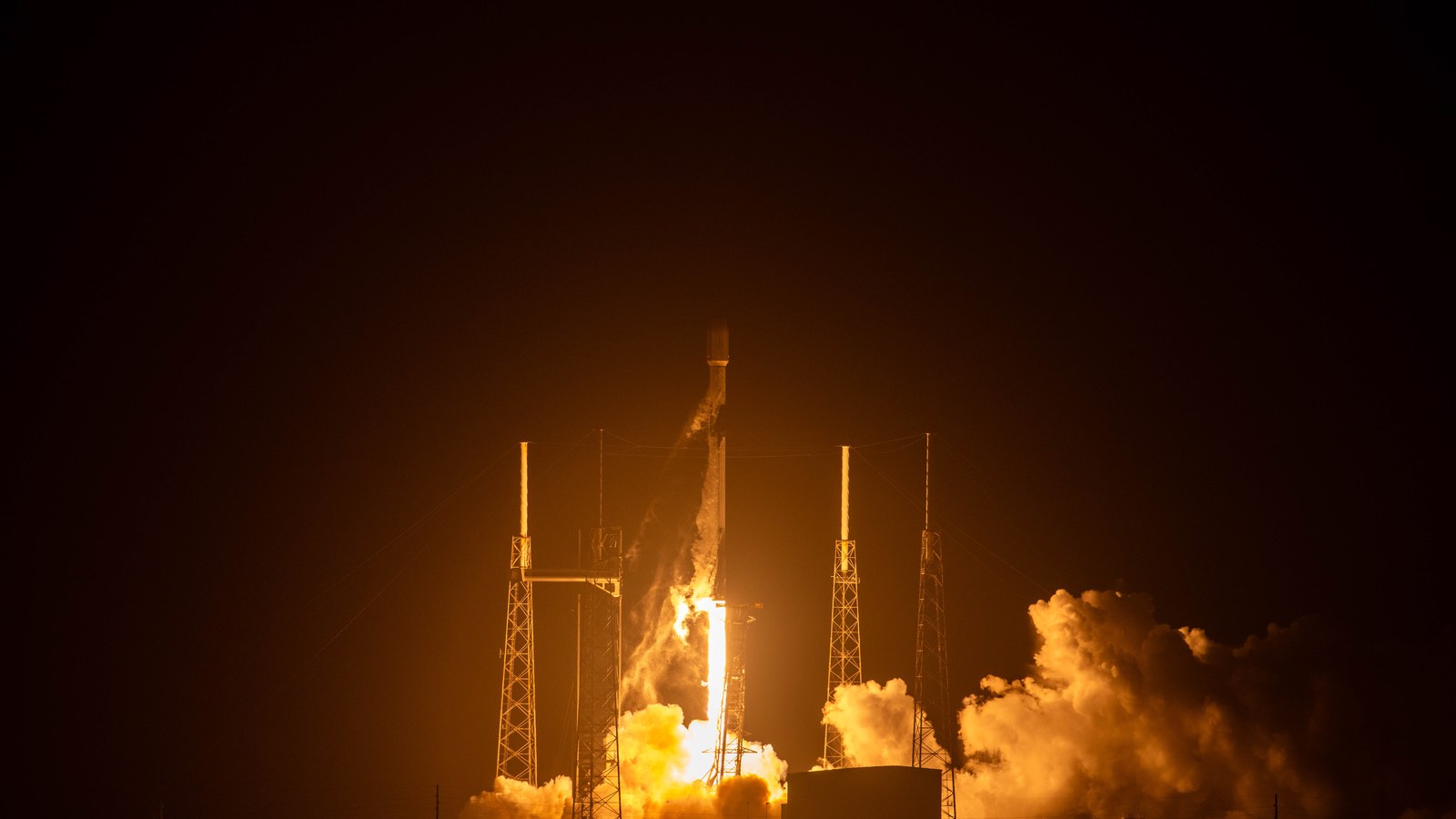
Four of Europe's largest mobile carriers, Deutsche Telekom, Orange, Telefónica and Vodafone, have signed a letter of intent to explore a joint bid for the airwaves the European Union plans to hand out for connecting phones straight to satellites. Telefónica announced the agreement on October 19 on behalf of all four. The idea is for a satellite to act like a cell tower in space, covering places ground towers don't reach, such as remote mountain areas or towns where a storm has knocked the network out. The four want to offer that without leaving the market to SpaceX's Starlink.
A letter of intent is not a company, and it does not commit anyone to bid. It commits the four operators to work out whether bidding together makes sense. The announcement gives no timeline, investment figure or pricing.
Who would do what
The carriers would handle the ground side. They would build the stations in Europe that link satellites to their mobile networks and run the coordination and monitoring of the service. They would not invest directly in satellites, which would come from a partner they have yet to pick. Any mobile operator, not only the four signatories, could use the platform on the same terms.
The letter leaves each carrier's existing satellite deals in place. Deutsche Telekom plans to offer Starlink's direct-to-phone service in 10 European countries from 2028, Telecoms.com reported, and Vodafone co-owns Satellite Connect Europe 50-50 with US company AST SpaceMobile.
Why now: Brussels is reallocating the 2 GHz band
On May 27, the European Commission proposed awarding the 2 GHz mobile satellite band at EU level, calling it ideal for connecting devices directly to space. A band is a slice of radio frequencies, and it works much like a station's spot on the dial. Each service transmits on its own slice so it doesn't interfere with the others, and only license holders may use it. Current authorizations for the 2 GHz band run out in May 2027.
Under the plan, a third of the band goes to government use tied to IRIS², the satellite network the EU is building. The remaining two thirds would be split evenly between new European entrants and a pool open to companies from outside the bloc as well.
Light Reading reports that the consortium would target the share set aside for European companies. The current licenses belong to EchoStar and Viasat. EchoStar's are due to pass to SpaceX, which would have to compete for a fresh authorization under the new rules. SpaceX opposes the proposal, which has not yet been adopted. Brussels frames it as a matter of tech sovereignty, the same case it makes for its planned AI gigafactories.
What a low Earth orbit constellation is
A geostationary satellite, the kind long used for satellite TV, orbits 35,786 kilometers (about 22,200 miles) up and moves in step with the planet, so it seems to hang still in the sky. Low Earth orbit covers anything below 2,000 kilometers, according to the European Space Agency. Starlink and OneWeb fly there, and it is where Google plans to put the space-based data centers of Project Suncatcher. At Starlink's altitude a satellite circles Earth in about 90 minutes, so none stays over a given user for long. Covering one spot around the clock takes hundreds or thousands of satellites taking turns, and that coordinated fleet is what's called a constellation.
Altitude sets latency, the time it takes data to make a round trip. Radio signals move at the speed of light, yet the trip up to a geostationary satellite and back down covers roughly 72,000 kilometers and takes almost a quarter of a second. A request and its reply add up to half a second before any other delay, which you notice on a video call or in an online game. During 2026 Starlink is moving about 4,400 satellites from 550 kilometers down to about 480, Michael Nicolls, its vice president of engineering, said in January, as TechSpot reported. From that height, with the satellite directly overhead, the trip up and down is under 1,000 kilometers and takes a few thousandths of a second.

Starlink, OneWeb and IRIS² by the numbers
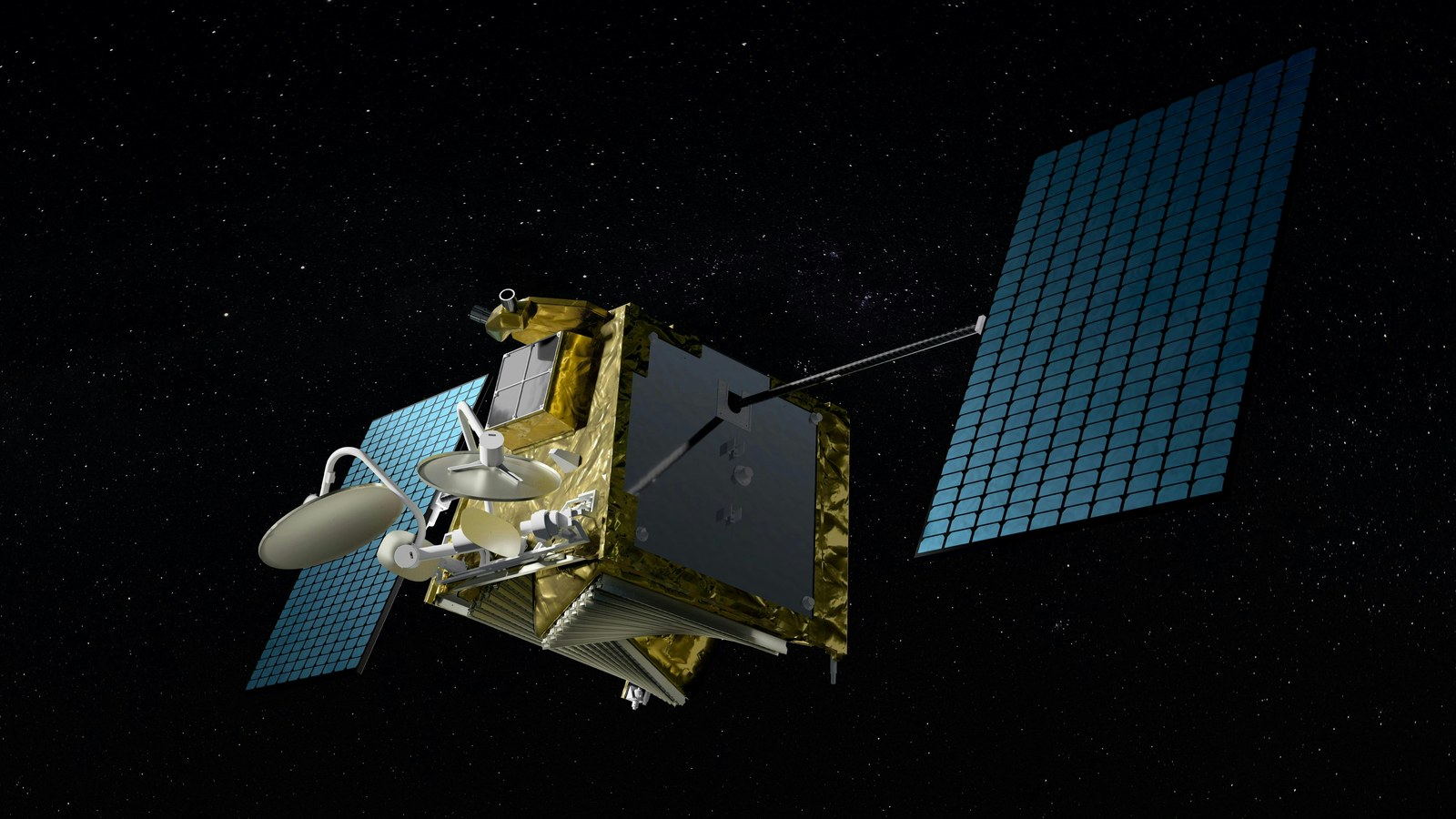
Starlink had 11,154 satellites in orbit on October 15, according to astrophysicist Jonathan McDowell's tracking. Europe's closest equivalent, Eutelsat OneWeb, has more than 600 satellites at 1,200 kilometers. In September it ordered another 229 from Airbus, on top of 440 already contracted.
IRIS², the EU's public constellation, is designed mainly for secure government communications and broadband. It will have 348 satellites, 330 of them in low orbit, after a review the Commission completed on August 7. Services will roll out gradually from 2029, according to Hispasat, one of the three companies building it. The 2024 contract put the cost at EUR 10.6 billion, and the review adds investment whose total has not been disclosed.
What it means for phone users
Nothing changes yet. The letter has no timeline, and the new licenses would only apply from May 2027. In Spain, carrier MasOrange is piloting Starlink's direct-to-cell service in the province of Valladolid for texts, picture messages and basic apps such as WhatsApp and Google Maps where there is no cell signal, according to Telecoms.com.
If the consortium goes ahead, using its service would not require a satellite dish. Customers would need a compatible phone, as with today's satellite services, and a carrier that has joined the platform.
The conversation starts here
Sign in with a supporter account to comment. Sign in



Nobody has commented yet. Want to go first?