
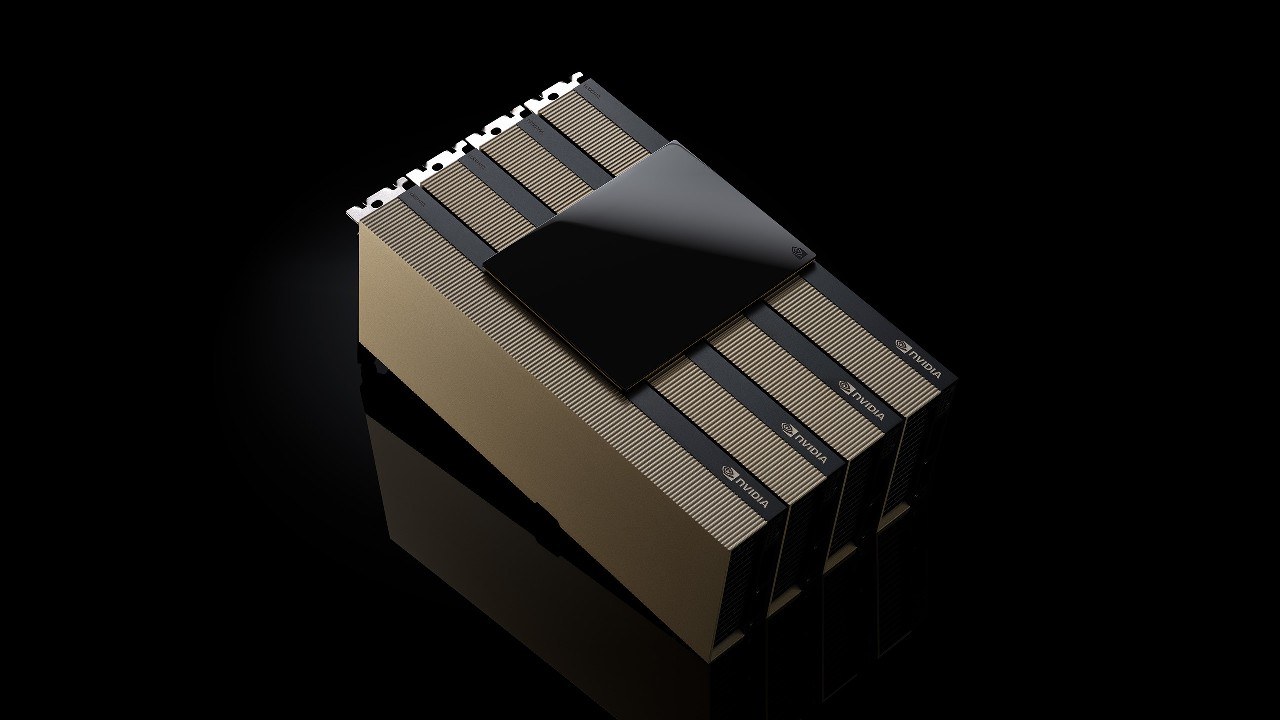
NVIDIA has stopped shipping its Hopper data center chips to China. That family includes the H200, the most advanced model the U.S. government licensed the company to sell there. "We are no longer shipping licensed Hopper data center products to China," interim CEO Colette Kress told analysts on Tuesday's earnings call, Bloomberg reported.
The halt comes just as those sales were taking off. From May through July, H200 sales to China made up less than 1% of NVIDIA's data center revenue. In the August-to-October quarter, the company shipped $2.4 billion worth of Hopper data center products there, according to its CFO commentary. Its forecast for the November-to-January quarter already assumes zero data center compute revenue from China.
What the H200 is
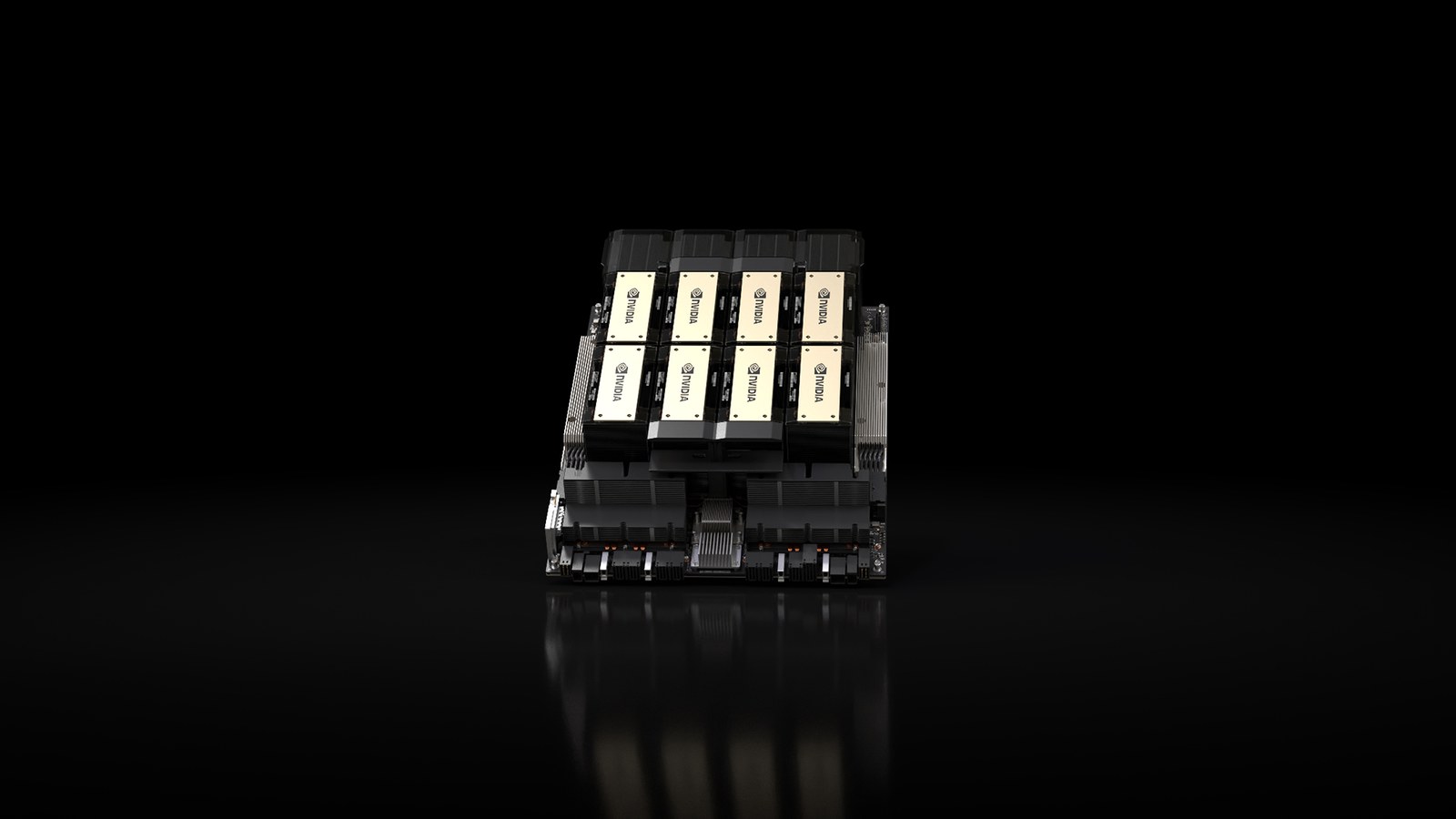
The H200 is a data center chip that runs thousands of calculations in parallel, which is what AI models need both to train and to answer each prompt. NVIDIA unveiled it in November 2023 as an upgraded H100 from the same Hopper generation.
The upgrade is memory. Each H200 carries 141GB of very fast HBM3e memory and reads it at 4.8 terabytes per second. Capacity determines how much of a model fits on one chip before it has to be split across several, and speed determines how long the chip waits for data every time the model produces another chunk of text. NVIDIA said that combination made the H200 almost twice as fast as the H100 at answering with Llama 2 70B, an open model from Meta.
Two newer generations, Blackwell and Vera Rubin, have followed it, and Washington's license covers neither. Even so, it still fetches a steep price in China. In late October, an eight-chip H200 server was being offered there for more than $900,000, triple the price a year earlier, according to Reuters.
What we know about why
NVIDIA hasn't given a reason, but the decision coincides with changes in Beijing, in Washington and inside the company itself. Beijing has barely let the chip in. After visiting Beijing in May, President Trump said Xi Jinping still wasn't letting Chinese companies buy it because he wants to back China's own chipmakers. In early November, about 600,000 H200s were still sitting in Hong Kong waiting for approval to enter mainland China, Reuters reported on Nov. 5.
In Washington, the Commerce Department opened the door in January to case-by-case H200 licenses for China, following Trump's December 2025 announcement that the government would take a 25% cut of those sales.
On Monday, Nov. 16, Commerce issued a new rule, which took effect Thursday, Nov. 19. It requires a license to ship advanced chips to Singapore, Malaysia, Indonesia, Thailand and Brazil, and also to put them in any data center anywhere that supplies large amounts of computing power to companies headquartered in China. The aim is to stop those companies from renting remote access to chips they aren't allowed to buy. The announcement doesn't mention NVIDIA or the H200.
Beijing has responded to that rule, not to NVIDIA. China's Commerce Ministry accused the U.S. on Tuesday of abusing export controls and threatened countermeasures it has yet to spell out, according to the state-run Global Times.
Inside NVIDIA, the board on Tuesday set up a standing committee to oversee national security and export control compliance. It came five days after Jensen Huang resigned as CEO while the board was investigating reports that he had been the target of an espionage operation working for Beijing.

How much China was worth
The $2.4 billion in Hopper chips works out to 2.1% of the $115.8 billion NVIDIA brought in from August through October. Counting every product, customers headquartered in China, including Hong Kong, accounted for $11.05 billion, or 9.5% of revenue, up from $2.97 billion a year earlier, according to NVIDIA's geographic breakdown. That breakdown goes by where the buyer is based, not where the chips end up, and NVIDIA doesn't say what those customers bought beyond Hopper.
The conversation starts here
Sign in with a supporter account to comment. Sign in

Nobody has commented yet. Want to go first?