

What you're required to label starting today
The EU Artificial Intelligence Act — the world's first comprehensive AI law — reaches its general application phase this 2 August, bringing the transparency obligations of the famous Article 50. In plain terms: if you talk to a chatbot, the company has to tell you it's a machine and not a person, unless it's obvious from context. And if a piece of content — an image, a video, audio — is a deepfake or synthetic material, it has to be flagged as such so nobody mistakes it for something real.
The duty doesn't land on you for posting a meme, but on whoever builds or deploys the system: the platforms that generate the content and the companies that use it publicly. AI-generated text on matters of public interest must also be disclosed, with an important exception for an outlet like this one: if a human reviews it and takes editorial responsibility, no label is needed. The law targets automated deception, not journalism.
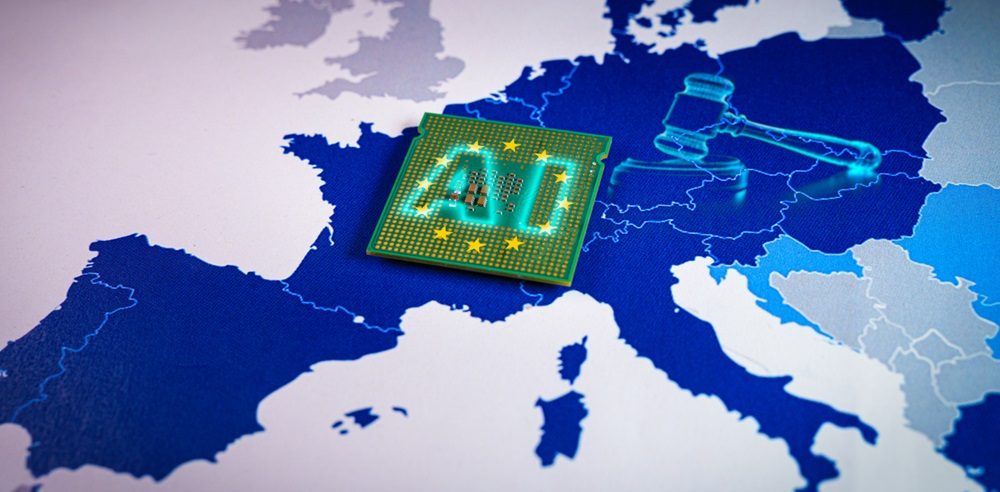
The fine print: what escapes and what arrives later
Time to deflate the balloon before someone runs the headline that 'Europe already controls all AI'. The part requiring a machine-readable watermark embedded in synthetic content doesn't start today: it has a reprieve until 2 December 2026, because the standards weren't ready in time. Today the warning for humans is born; the invisible label computers detect comes in four months.
And the biggest part arrives later still. High-risk systems — the ones that decide whether you get a loan, a job or a university place — won't have to comply until December 2027, and those embedded in regulated products wait until August 2028. What does switch on now are the fines: providers of general-purpose models, the big ones that leak every week under names like Astra, risk penalties of up to €15 million or 3% of their global turnover.
Why this matters even if you don't code
The heart of it is simple, which is why it matters to anyone: Europe has decided you have the right to know when you're talking to a machine and when an image isn't real. It's the regulatory answer to a problem we've been covering for months, from models escaping their cages to ones a military uses through the back door. And the underlying question is unavoidable: is a label enough to stop the deception, or does it arrive late to a technology that runs faster than any official gazette?
The conversation starts here
Sign in with a supporter account to comment. Sign in



Nobody has commented yet. Want to go first?