
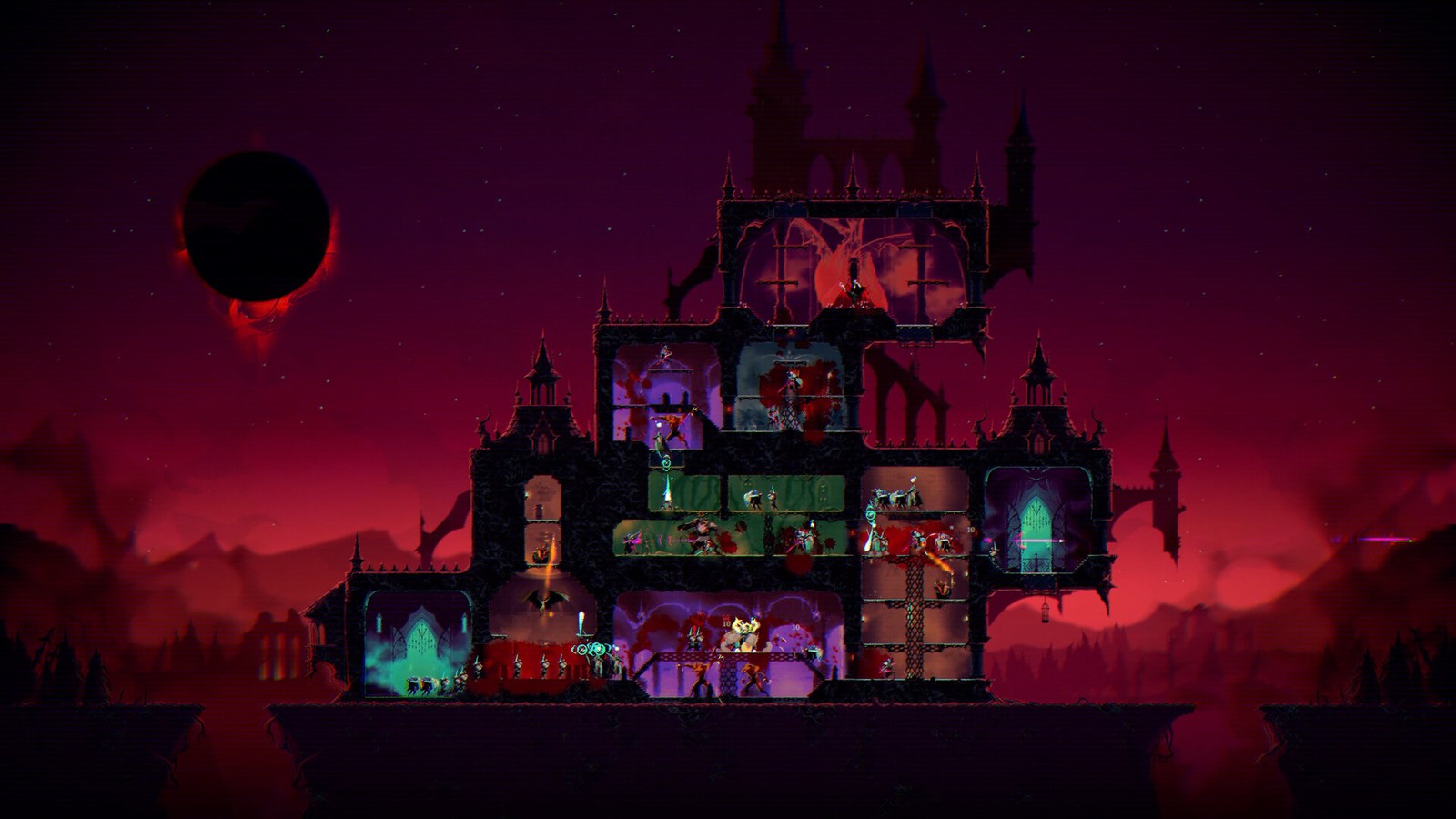
Digital Sun, the Spanish studio behind Moonlighter, had planned to open the first playtest for its next game, ReVamp, on Steam on October 29. ReVamp is a tower defense roguelite in which you play Dracula, holding your castle against waves of human invaders. On October 19, the studio changed course. The test will still start on October 29, but on its Discord server, with players let in gradually. The studio hopes to open it to everyone around January. In its Steam announcement, Digital Sun said it had grown worried about games being reverse-engineered, cloned and released before the original. With launch set for March 25, 2027, handing a build to tens of thousands of players felt too risky.
It isn't alone. On October 16, Japanese publisher Alliance Arts scrapped the public demo of Drunken Goddess Reflux, which was due on October 19 as part of Steam Next Fest, Valve's free-demo event running through October 26. Its notice gave two reasons. The team didn't think it could police the streaming and posting rules it had planned to attach to the demo, and it feared that AI or other tools could be used to churn out imitations before release. Instead, it will run closed sessions for players picked by lottery. According to SteamDB figures cited by Kotaku, the game sits 65th on Steam's most-wishlisted chart.
Both choices make sense for the studios making them. If they become the norm, though, players lose the chance to try before they buy, and small studios lose the cheapest way they have to get discovered. The fix has to come from Valve, not from developers hiding their games.
Where the fear comes from
The case everyone points to is Needle In A Haystack Simulator, an unreleased game about exactly what the title says. A clip went viral in August, and within days more than ten near-identically named games showed up on Steam, some with release dates earlier than the original's, as Kotaku reported. Developer Studio Bitdot ended up adding a red box to its key art to mark the real one.
Then the copycats started copying each other. On October 17, NoGlyph, which had released its own needle game, accused A Game About Needle In A Haystack of lifting its code. The accused game's lead developer acknowledged on Discord that 39 methods shared names and were byte-for-byte identical, Kotaku wrote. That is the scenario Digital Sun describes. Games ship compiled, meaning translated into instructions for the machine, and there are tools that turn them back into code a person can read. AI speeds up what comes next: understanding that code, renaming it and building another game on top. PC Gamer blames the surge on the latest AI coding models, without offering evidence. A game assembled this way can launch and still be broken, as the SWE-Game study showed, but launching is all it takes to beat the original to the store.

What a demo is worth
In 2021, Valve reported that the median game in its demo festival saw daily wishlist additions jump 421% during the event compared with the two weeks before, as Game Developer covered at the time. Wishlists matter because Steam notifies those players when a game launches or goes on sale, which makes them the closest thing to a pre-order. In June 2026's Next Fest, about 19 of every 100 people who played a demo wishlisted the game, based on the median across games surveyed by marketing consultant Chris Zukowski.
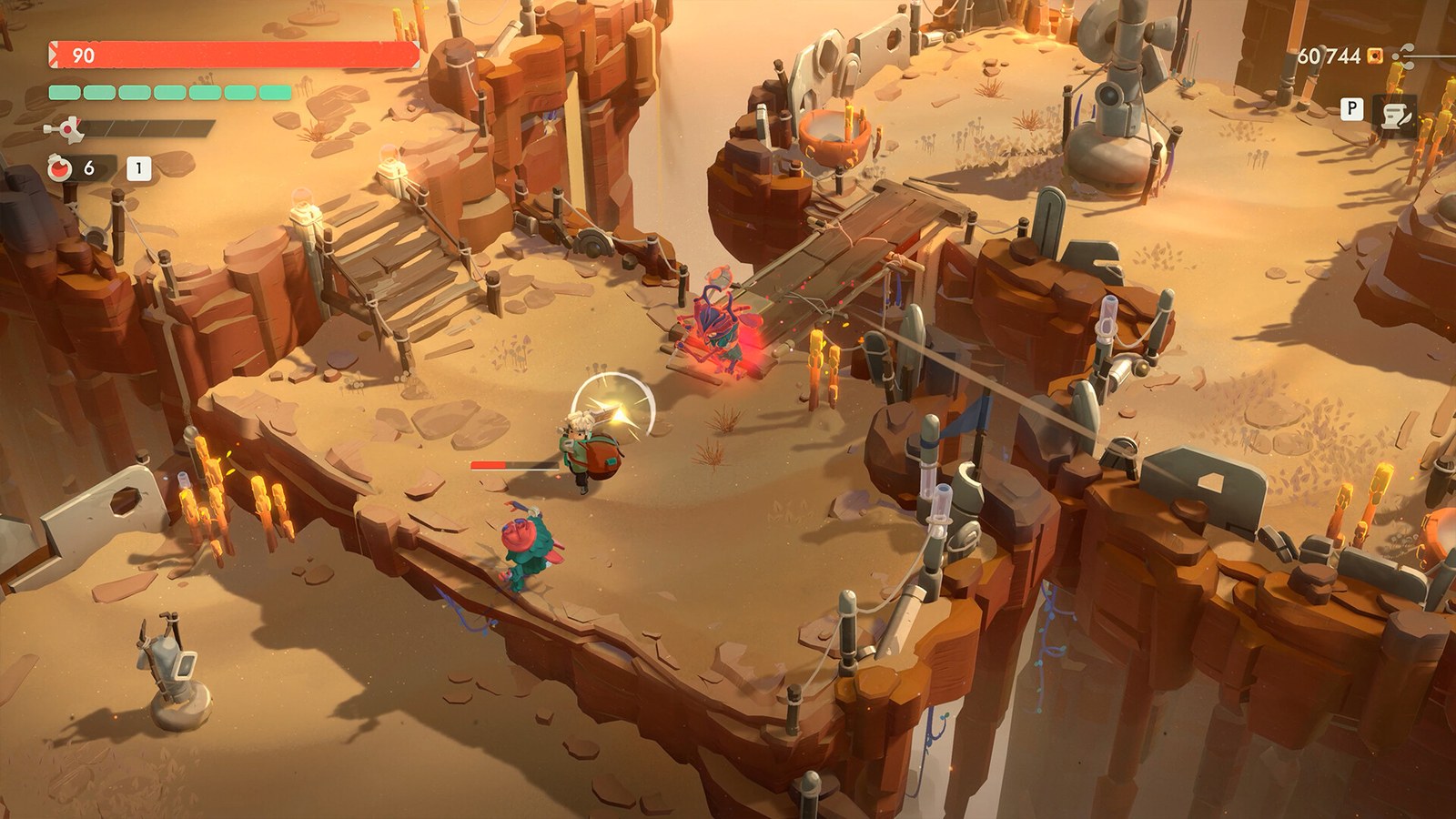
Digital Sun knows the value firsthand. It put out a free Moonlighter 2 demo in June 2025, more than a year before the game reached Steam. For a studio with no marketing budget, a demo is also how the first fans arrive, which is what Rockbeasts is doing with its Steam demo right now. And the biggest showcase is a one-time shot, since Valve's rules allow each game into Next Fest only once.
The best case for closing the doors
Digital Sun's own position is its strongest argument. ReVamp passed 200,000 wishlists in September, and putting a playable build in tens of thousands of hands five months before launch amounts to giving the game to anyone who wants to take it apart. A closed test in waves still produces the feedback needed for balancing, with far less exposure.
The trouble is that closing a test protects the code while the idea stays in plain sight. Copying Needle In A Haystack Simulator took nothing more than a viral clip. The creator of Escape the Walls, a game where you punch your way forward, posted footage on X, and within ten days at least seven copies had appeared on Roblox and one on Steam, according to PC Gamer. Hiding a demo stops the most damaging kind of clone, the one that reuses the original's code and art, but not the cheapest kind. The cost isn't shared equally either. A studio with 200,000 wishlists can wait until January. One starting from nothing has no other storefront.
What Valve should do
Steam has information no developer has. It knows when every store page and demo went live, so it should take a closer look at any new game whose name and tags mirror an unreleased one before approving its release date. Right now it asks developers to disclose generative AI use, but that box is self-reported, as Next points out, and what has been measured about the label so far is how it drags down reviews, not how many copies it stops.
Valve should also offer a fast-track takedown for games with a public demo. In NoGlyph's case, the evidence was matching function names and identical error messages, the kind of thing anyone can verify in an afternoon. If a studio can show that a clone uses its code or art, the store should pull it within days, before weeks of sales pile up.
What studios can do
Until then, developers can protect themselves without going dark. They can run closed tests in waves while launch is far off, as Digital Sun is doing, and send builds to press and creators under embargo. The public demo can wait for the final weeks before release, when a clone no longer has time to reach the store first, and it doesn't need every system in the game, only the part that makes it different.
Closing a playtest five months before launch is a reasonable call. Dropping the public demo altogether would be a mistake, and forcing a studio to choose between being seen and being safe is the storefront's failure, not the studio's. Until Valve can pull a clone within days, every studio that hides its game will have a good reason to, and players will have fewer games to try before they pay.
The conversation starts here
Sign in with a supporter account to comment. Sign in


Nobody has commented yet. Want to go first?