
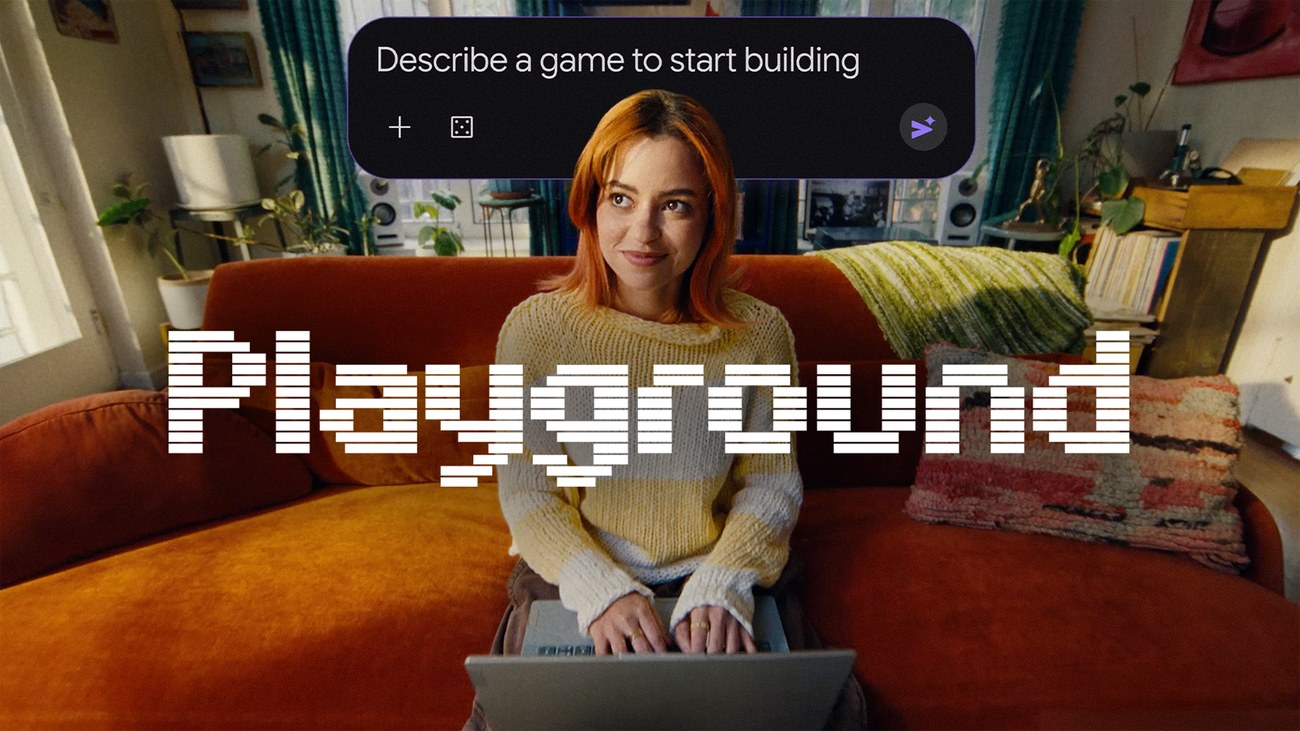
Google’s new Playground experiment turns written game ideas into browser games that users can revise and share. It launched October 7 for adults aged 18 and older in the United States, with creation access rolling out in tiers tied to Google AI subscriptions.
That is a staged launch, rather than a promise that every eligible account immediately gets every creation feature. A planned Unity Spark integration is a separate next step. Google says Spark is still being tested, with a closed beta coming soon.
How the creation loop works
Users can begin from an empty project, adapt a starter prompt or follow guided help. They can then ask for different physics, rules, characters or environments and test the result. The useful workflow is to describe a mechanic, play it and ask for changes where the behavior falls short.
Finished creations can stay private, be shared by link or appear in the Explore gallery. Google supports leaderboards and multiplayer in selected genres, so multiplayer is not a universal feature. Browser play lets people access the catalog on phones and laptops.
Unity Spark is the next layer
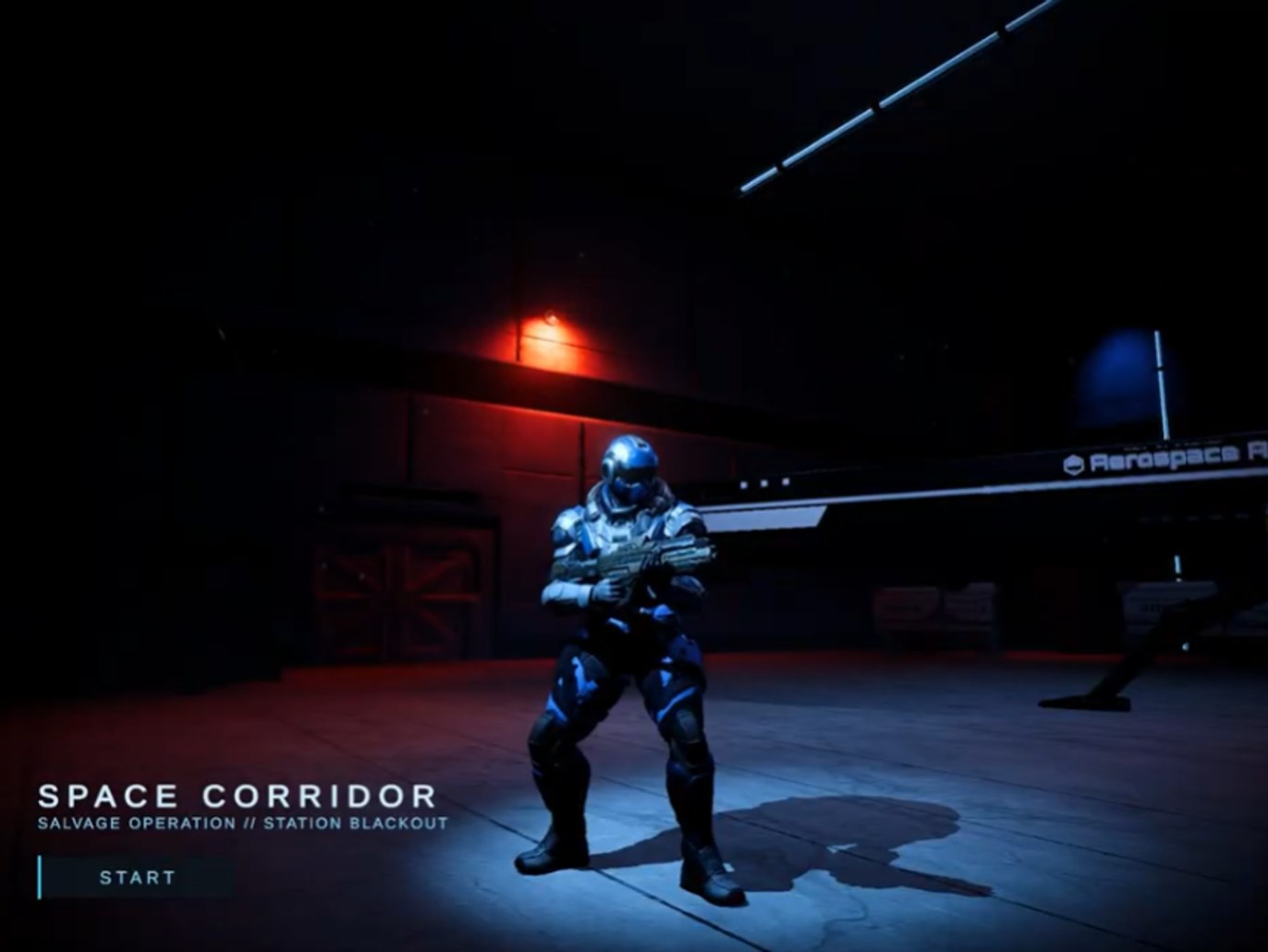
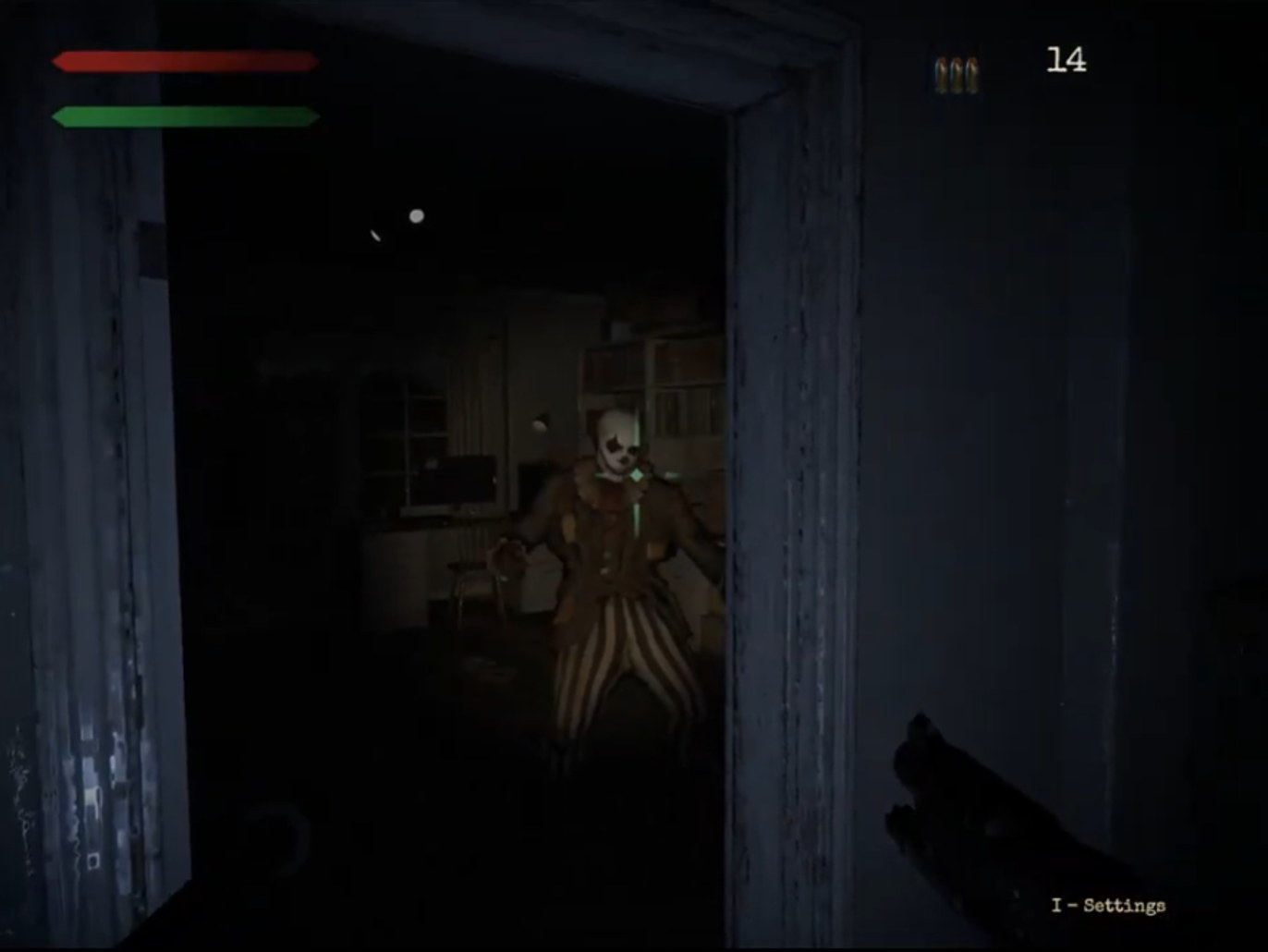
Unity’s Spark page shows sample games including Space Corridor and Horror Story, built with Unity and artist-created assets. The Google partnership aims to bring more complex mechanics and higher-fidelity 3D experiences into Playground. The sample games do not establish general access to the creation tools.
This is distinct from an AI system imagining environments for its own training or planning, as in our Qwen AgentWorld explainer. Playground is presented as a way for people to direct playable experiences. We have not tested the service or independently assessed its generated games.
Check access before paying for it
The launch announcement identifies the US and an 18-plus age requirement. It does not specify a standalone Playground price or guarantee immediate full access with any particular subscription. Check the service’s current account eligibility before buying a Google AI plan for this feature.
A prompt being accepted is not proof that the requested behavior works. Our explanation of AI reliability and hallucinations makes the same distinction between an instruction and a reliable result. For a game, test the controls, rules, complete runs and what happens when another player tries to break them.
The conversation starts here
Sign in with a supporter account to comment. Sign in


Nobody has commented yet. Want to go first?