
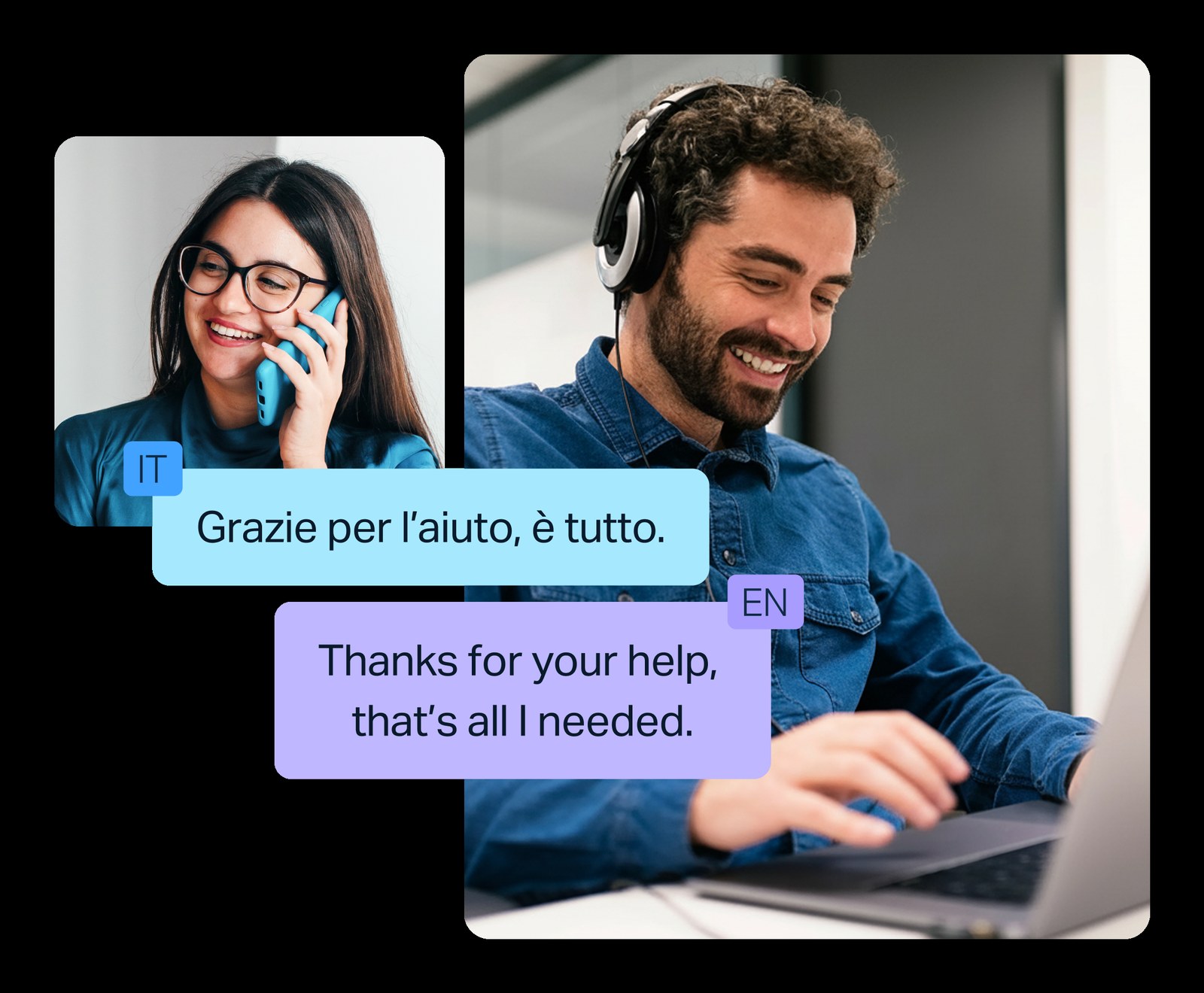
DeepL unveiled Aure v2 in Tokyo on Nov. 26. It's the new version of the model behind DeepL Voice, which translates what you say out loud and speaks it in another language in your own voice, intonation and rhythm. In its press release, the Cologne-based company says Aure v2 cuts the median translation delay in half compared with the original Aure, which shipped just 15 days earlier. It applies automatically, with no setting to turn on, when both people in a conversation use one of six languages: English, Spanish, German, French, Japanese or Korean.
The numbers come from DeepL's own testing. On the model's product page, DeepL says half of the translated words reach the listener within 3.3 seconds, and it claims Aure v2 makes 32% fewer errors than Google's Gemini 3.5 Live Translate between English and Japanese. The tests used one-minute recordings of real speech, and DeepL itself cautions that results may differ in real conversations.
What latency means on a call
Latency is the gap between the moment you say a word and the moment the other person hears it translated. Say you're on a video call asking a supplier in Osaka whether an order ships Thursday. With Aure v2, half of your words reach him in Japanese within 3.3 seconds. By our math from DeepL's 50% claim, the first Aure took roughly 6.6 seconds. Then you wait for his reply, and those pauses are where people talk over each other or stall, unsure whether the other side is done.
A translator can't start on the first syllable, because the meaning sometimes arrives last. The German sentence "Ich habe meinem Bruder gestern das Auto geliehen" reads word for word as "I have my brother yesterday the car lent," and only that final word tells you the car was lent rather than sold ("verkauft"). At a demo in Seoul in April, DeepL's translation ran one or two sentences behind because of those word-order differences, tech press reported. For Aure v2, DeepL used reinforcement learning, a trial-and-error training method that rewards good results, so the model learns when it has heard enough to start translating.
How it differs from the first Aure
The original Aure, announced Nov. 11, focused on how you sound. It follows shifts in tone, emotion and pace as you talk instead of copying a voice sample taken at the start of the call. Aure v2 keeps that and changes the plumbing. DeepL Voice used to chain three steps, turning speech into text, translating the text and generating speech again, each waiting on the one before. The new model goes from the original voice straight to the translated one, much as ChatGPT's Advanced Voice understands audio without converting it to text first.
The trade-off is coverage. Aure handles eight languages and Aure v2 handles six, leaving out Italian and Portuguese, which stay on the earlier model. Aure v2 also makes you pick your spoken language manually, since it can't detect it yet.
Where it works and what it costs
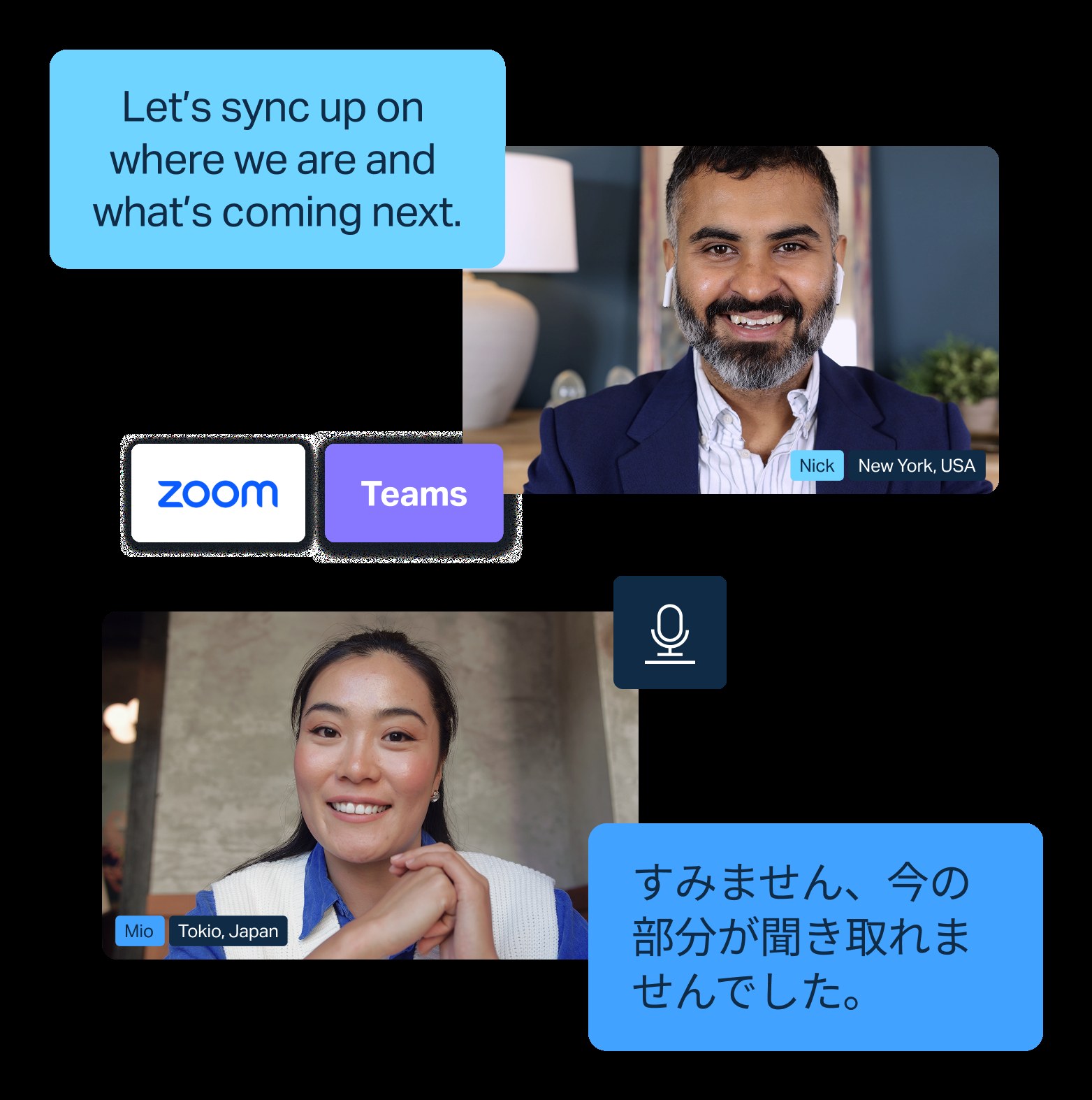
Aure v2 runs in all three DeepL Voice products. The meetings version works in Microsoft Teams, Zoom and Google Meet, though full voice-to-voice translation requires the DeepL Voice desktop app. The in-person version runs from a phone or browser, and the API lets companies build it into their own apps.
DeepL hasn't published a price for Aure v2. According to its help center, paid DeepL Translator plans such as Individual, Team and Business include 30 minutes of DeepL Voice per user per month, with no rollover, which covers one short meeting. Dedicated Voice plans are sold through DeepL's sales team without a list price, and the free plan includes no Voice minutes.
If your language isn't on the list
DeepL Voice covers many more languages than Aure v2. Its language list includes translated speech in dozens of languages, from Chinese and Dutch to Hindi and Vietnamese. Some run on DeepL's earlier voice models, and others go through an outside provider whose translated voice doesn't imitate the speaker's.
If what you need is a phone translator that works without a signal on a trip, that's a different question, and we tackle it in our look at what Google's 300-language milestone really means.
The conversation starts here
Sign in with a supporter account to comment. Sign in
Nobody has commented yet. Want to go first?