
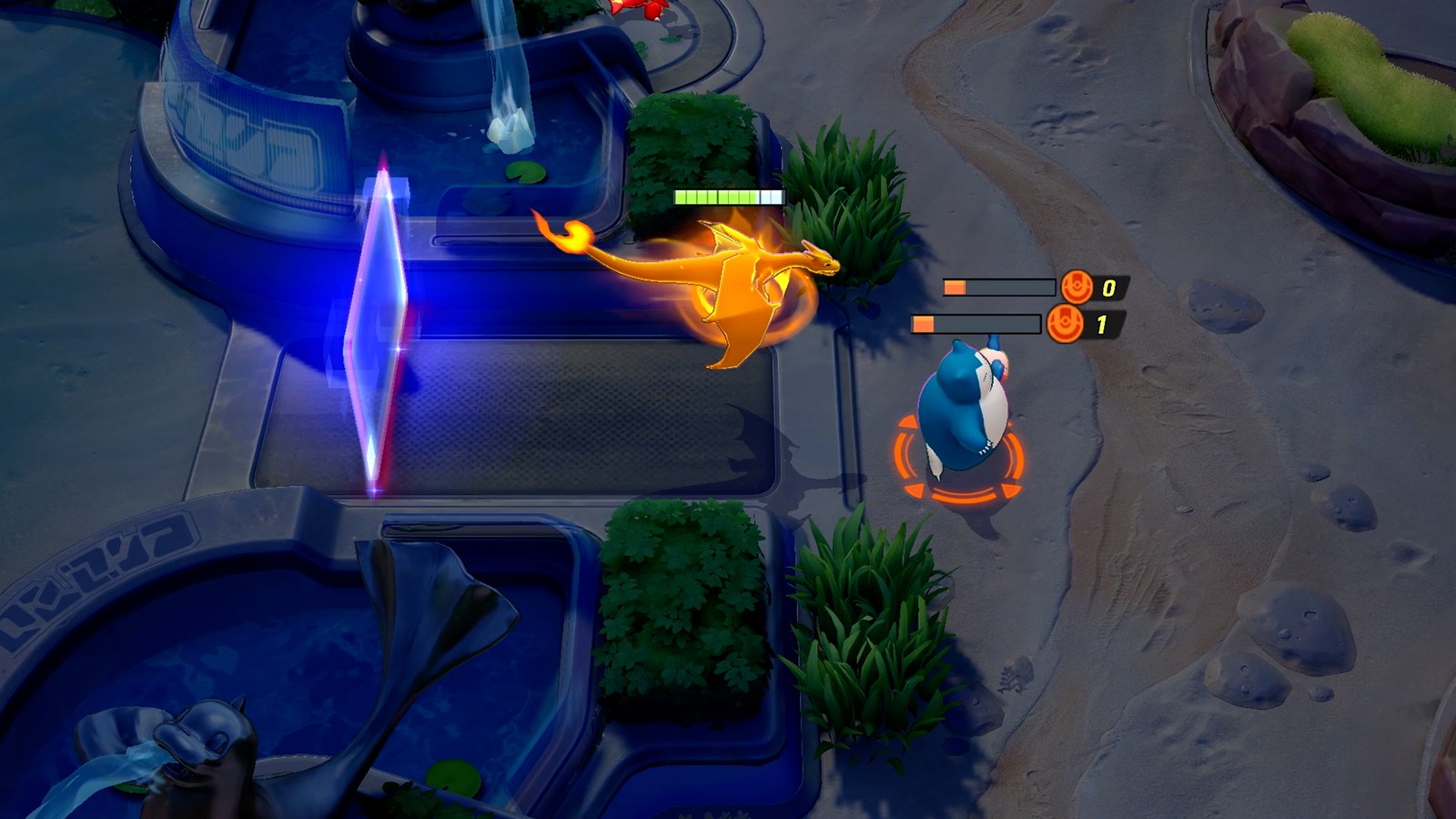
Pokémon UNITE stopped selling Aeos gems at 1 a.m. ET on October 27. The free-to-play MOBA on Nintendo Switch, iOS and Android goes dark on March 22, 2027, at 8 p.m. ET, and players can keep spending the gems they hold until then. The end-of-service notice says nothing about refunding the ones still sitting in accounts when the servers shut off.
That silence is the clearest answer to what you buy when you pay for virtual currency in a live-service game. You are paying for the right to spend inside a store the publisher can close whenever it chooses. Gems are useless without the servers, so a paid balance that was never spent is the one thing a shutdown wipes out completely. It is also the easiest thing to make whole, and publishers should refund it even though no rule currently forces them to.
What the terms of use say
The Pokémon Company International spells it out in the general terms of use on pokemon.com, which cover its apps unless an app says otherwise. Virtual content, currency included, "does not have monetary value." Players get a personal, revocable license that the company can end at its discretion, and purchases are non-refundable. Clauses like these are standard across the industry, which is why the UNITE notice did not need to mention refunds at all.
When the product is a game you bought, the argument about what should survive a server shutdown is about keeping a campaign or an offline mode. Virtual currency has no such fallback. A gem only pays for things in a store that runs on the publisher's servers, and once that store closes, the balance is worth nothing.
Belgium and the Netherlands got 13 months
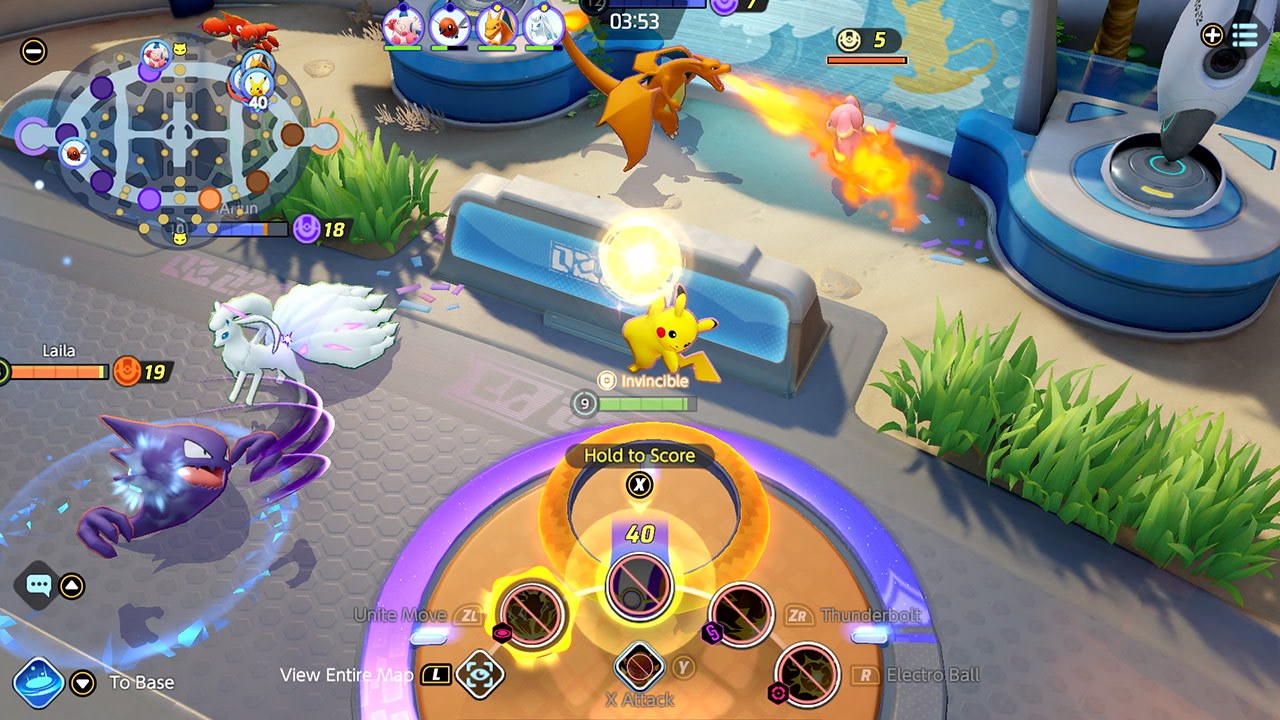
Pokémon UNITE has shut down before, in two countries. In Belgium and the Netherlands it stopped selling gems on October 31, 2024, and kept running until November 30, 2025, Nintendo Life reported, which gave players there 13 months to use up their balance. This time, the gap between the end of sales on October 27 and the shutdown on March 22 is 147 days.
Other recent closures show that what happens to leftover currency is a choice each publisher makes. Warner Bros. Games pulled real-money purchases from MultiVersus as soon as it announced the shutdown in January 2025, then turned the game off on May 30 without refunding unspent Gleamium, according to VGC. Ubisoft announced on December 3, 2024, that XDefiant would close on June 3, 2025, and automatically refunded its top-tier Ultimate Founder's Pack plus any purchase made in the previous 30 days.
XDefiant was free to play too, and Ubisoft paid money back without any law requiring it.
Spending the gems now does not get the money back
Anyone holding gems should spend them before March 22, because that is the only way to get anything for them. It does not recover what they paid. An outfit bought today can be worn in matches until March 22, about five months, and after the shutdown UNITE will only let players look at it in an archive mode with no battles.
Someone who topped up in September expected to spend those gems in a game that would keep running. Now that balance can only become items with an expiration date, and the publisher set that date after it had already taken the money.
What current rules cover
In the US, enforcement has focused on how currency is sold. In a January 2025 settlement with the Federal Trade Commission, Genshin Impact developer HoYoverse agreed to pay $20 million and to let US players buy loot boxes directly with dollars instead of only through virtual currency. The European Union's network of consumer authorities went further in its March 2025 principles, which ask games to show prices in real money, stop selling bundles that leave players with gems they did not need and honor a 14-day withdrawal right on unused currency. On September 30, 2026, the network opened cases against nine companies, including Riot Games, Supercell and Ubisoft, over how they sell in-game currency, according to the European Commission.
None of those rules says what happens to a paid balance when a game closes with notice. The Power to the Players Act that Rep. Ritchie Torres of New York announced on October 15 would make buying a game mean owning it and require an offline mode before servers go dark. His announcement does not mention in-game purchases. Torres's bill would protect the game you buy, regulators police how currency is sold, and neither covers the paid balance left over at the end.
The publishers' best argument
A publisher can point out that it gave months of notice, that the game was free and that most gems were already spent. It can add that part of every balance came from bonuses and discounted bundles, and that each purchase went through the App Store, Google Play or the Nintendo eShop, which take a cut and run their own refund systems. Shutting down a service that no longer pays for itself is also a legitimate business call, the same kind that ends up closing whole studios, as we argued in our piece on big-budget games.
Those points help define what should be refunded. Gems earned through play or handed out for free do not need to be refunded, and neither does currency already spent on items players used while the game was running. What remains is the balance bought with real money and never used. That balance already sits in every account, and paying it back does not require keeping a server online or preserving anything playable. Refunding that balance, or at least recent purchases as Ubisoft did, is the cheapest way to make sure a shutdown does not keep money for a service that will never be delivered.
Until a rule requires it, the safest habit in any live-service game is to buy only the currency you are about to spend and to skip the big bundle deals that leave a balance behind. In Pokémon UNITE, the time players had to spend their gems went from open-ended to 147 days with a single notice.
The conversation starts here
Sign in with a supporter account to comment. Sign in


Nobody has commented yet. Want to go first?