
Three stories landed between October 21 and 23. EA shut down BioWare and canceled the next Mass Effect. Kotaku reported that Gears of War: E-Day cost more than $500 million before marketing. And Le Monde reported that Microsoft plans to close Arkane Lyon unless a buyer or new funding turns up by November 13.
They point to the same flaw. A huge budget turns dangerous when an entire studio spends five years or more on a single game that only earns its money back as a blockbuster. In that setup, a launch that sells well without breaking records can't justify its cost, and the publisher stops paying for the team that made it.
Three studios, one project each
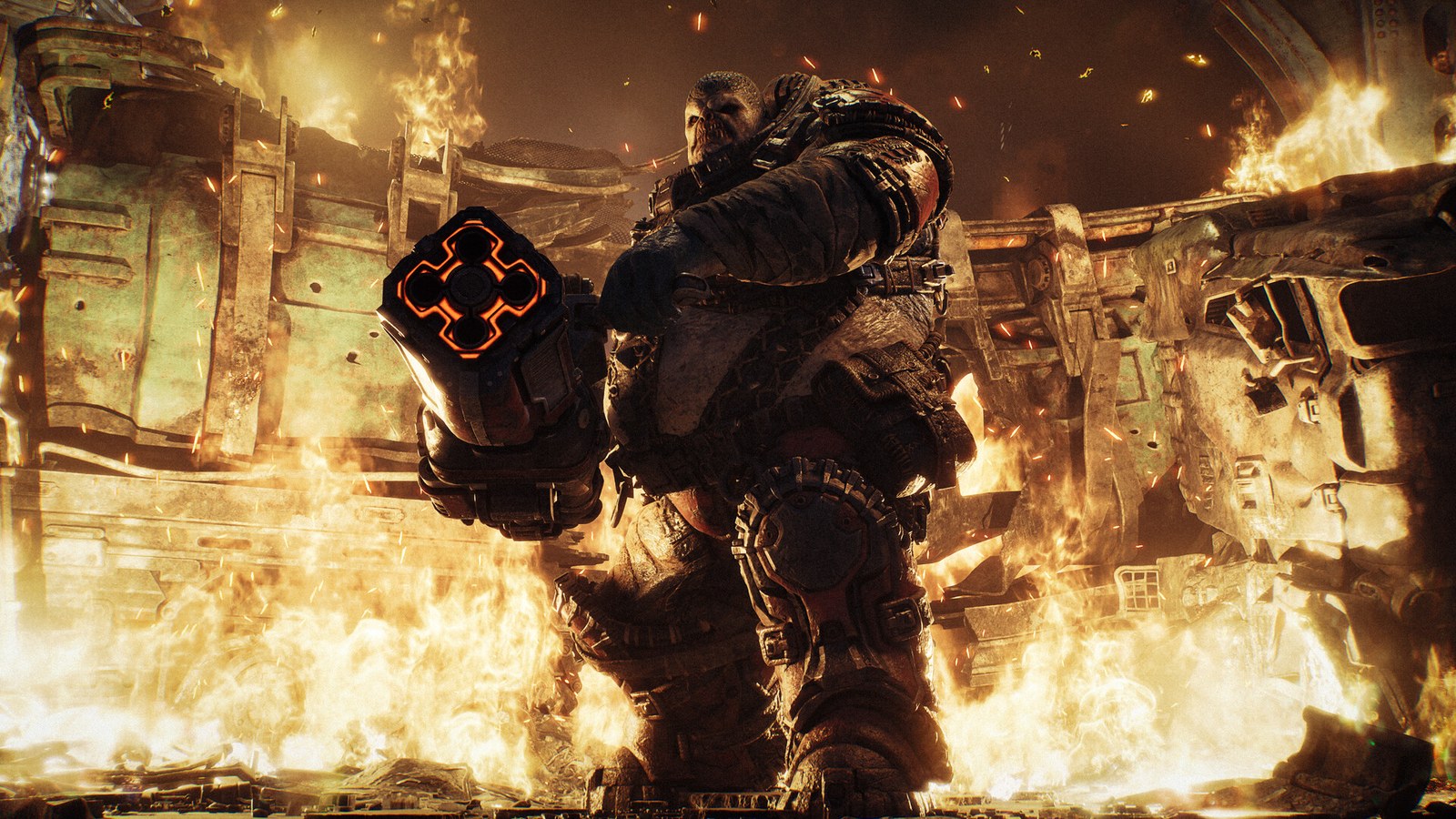
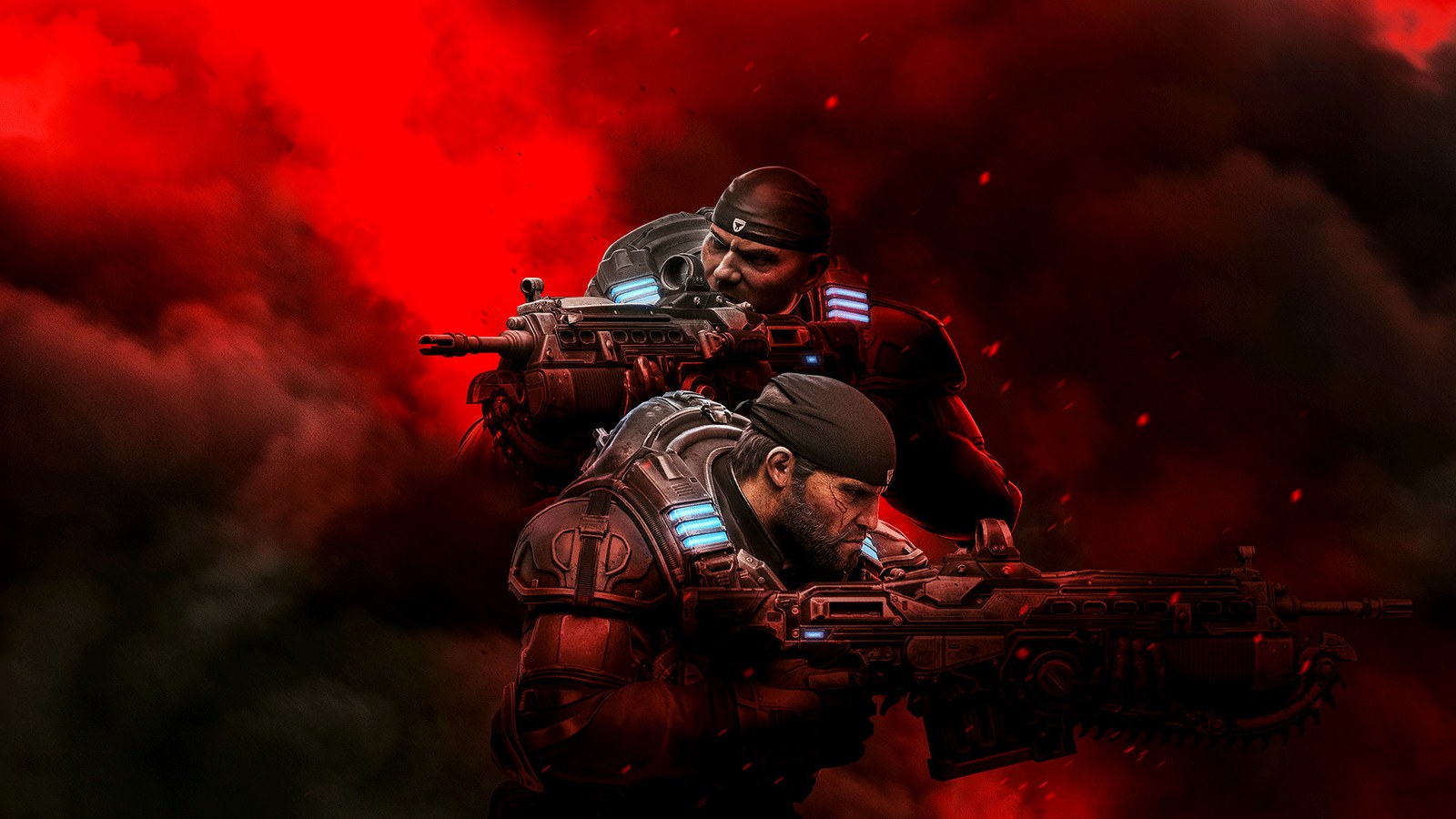
The Coalition released Gears 5 in September 2019 and didn't ship another mainline Gears until October 6, 2026. Reporter Jez Corden, who backs Kotaku's figure with a caveat reported by Pure Xbox, says the $500 million likely covers everything the studio spent over those seven years, including support work on Forza and Fable. If he's right, the number describes the studio more than the game, and a single release now has to justify seven years of an entire team's work.
BioWare followed the same pattern. Dragon Age: The Veilguard was in development from at least 2017, according to Bloomberg's reporting, and launched in October 2024. EA said it drew about 1.5 million players in its first quarter, half of what it expected. After that, what was left of the studio worked on the next Mass Effect, teased in 2020 and still in early development. We've already covered how EA judged BioWare by live-service standards. Once that one project stopped convincing EA, there was no other game left to keep the studio open.
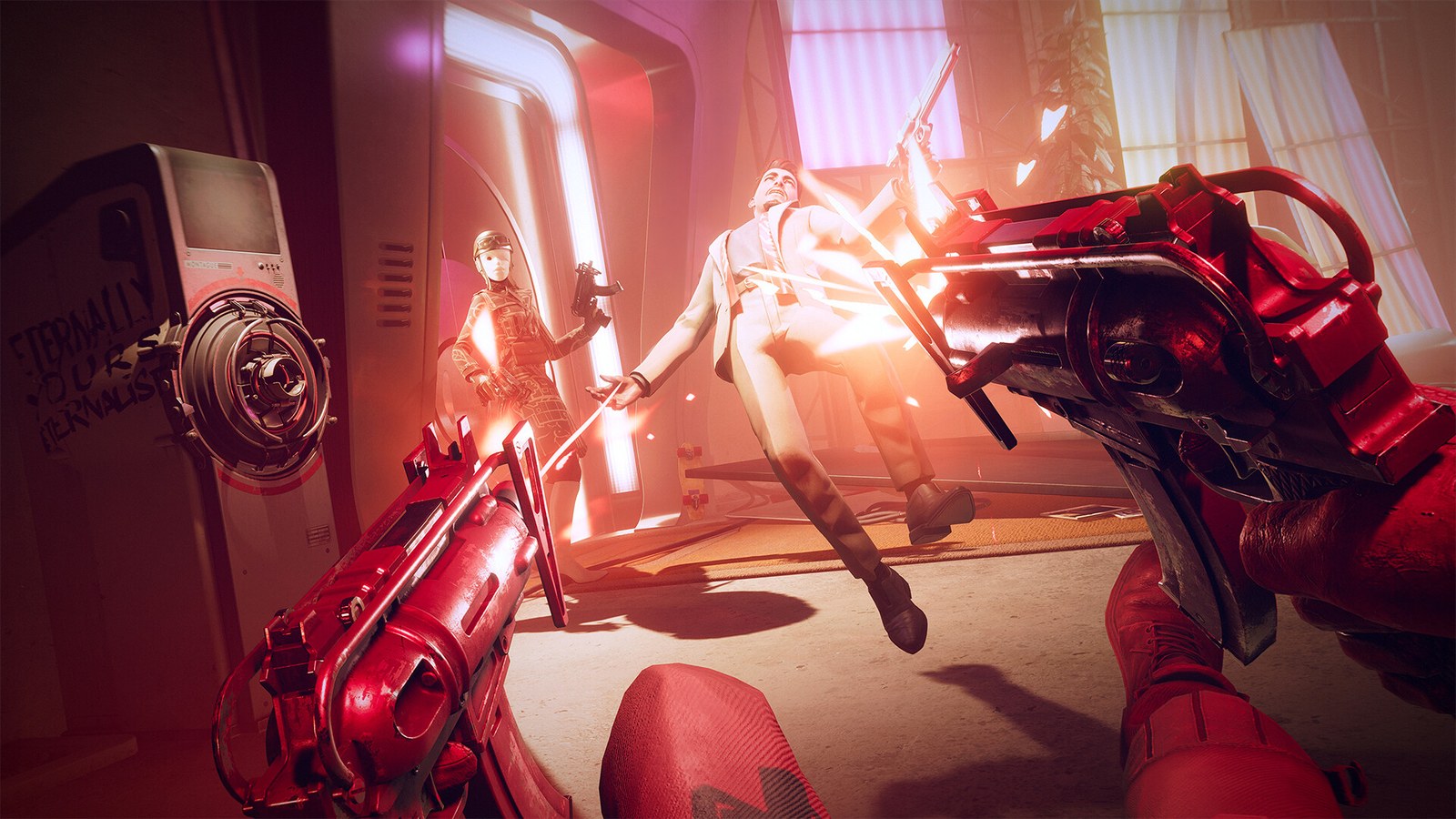
About 217 jobs are at stake at Arkane Lyon, which hasn't released anything since Deathloop in September 2021. Its current project is Marvel's Blade, announced in December 2023. Union representatives told Le Monde the game is close to finished, as Kotaku noted. Microsoft hasn't confirmed the closure. In its response to Le Monde, it says it is weighing several options and looking for a partner to back the next stage of development, without naming the game. If the union is right and that partner is meant for Blade, even a nearly finished game doesn't protect the studio, because finishing it is one more bet Microsoft no longer wants to carry alone.
What a $500 million game has to sell
At $69.99, E-Day would need more than 7 million full-price sales just to match $500 million in gross revenue, by Wccftech's math, and that's before store fees. The only sales data so far is an estimate from Alinea Analytics, which hasn't published its method: roughly 230,000 copies in the first few days, plus 1.7 million players who started the campaign through Game Pass, Xbox's monthly subscription, which includes the game at no extra cost. Microsoft hasn't shared numbers.
Against a bar that high, a result most studios would celebrate counts as a miss. That's what happened to Veilguard with 1.5 million players in its launch quarter. The October 21 letter in which EA announced the closure says the company will "concentrate our efforts on fewer simultaneous, large-scale projects." EA sees the risk, then handles it by betting harder on Battlefield, Apex Legends and EA Sports FC, series that bring in money every year. A studio that makes single-player games, paid for once, has no place in that plan.
What Sandfall and One More Level do differently
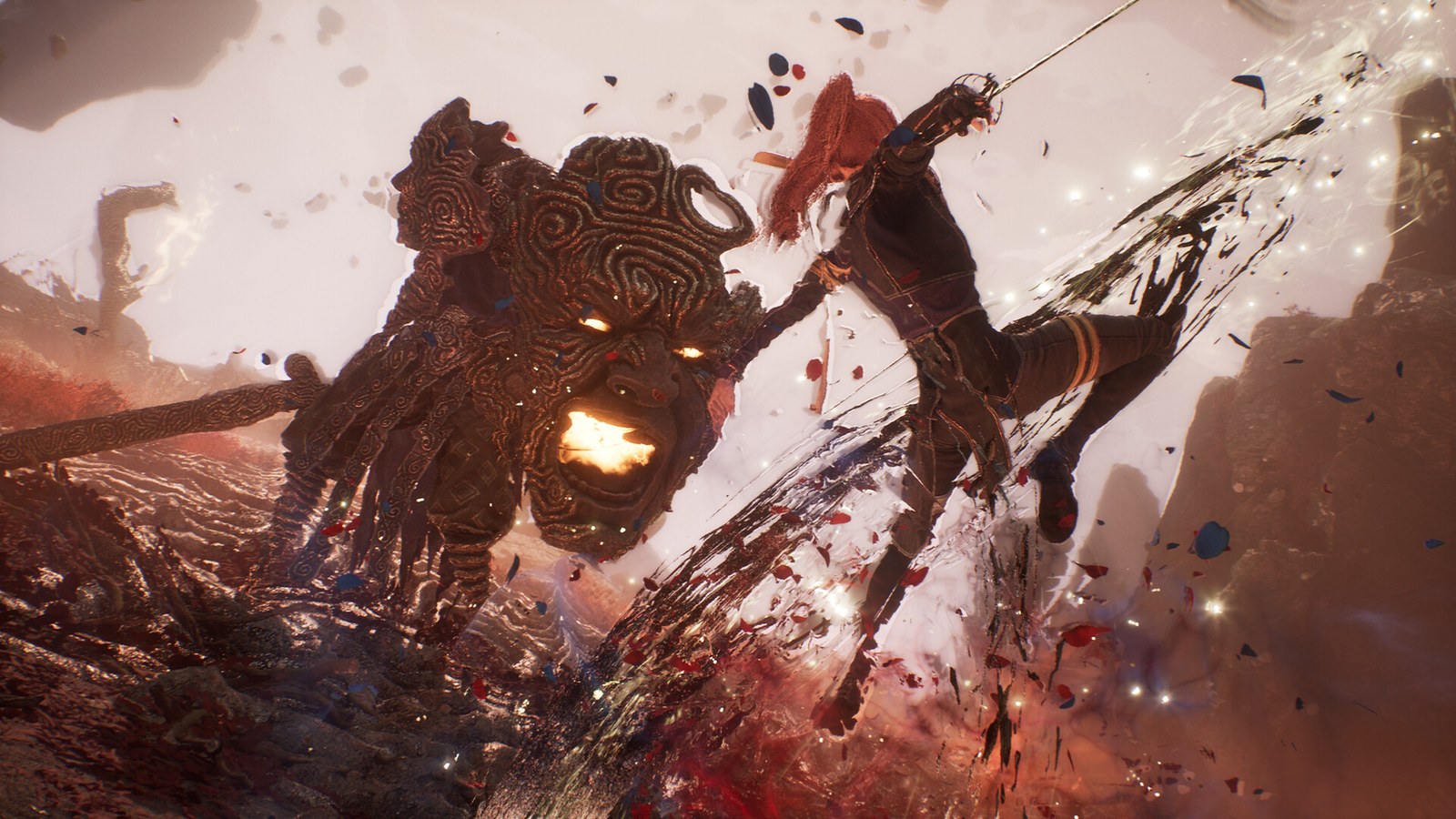
Clair Obscur: Expedition 33 cost less than $10 million, Sandfall Interactive CEO Guillaume Broche told The New York Times in December 2025, as Multiplayer.it reported. A core team of about 30 made it, with some work handed to outside studios. By April 2026 it had sold 8 million copies, according to RPG Site. At that cost, a small slice of those sales would have covered the budget. And as our Clair Obscur review shows, a smaller budget doesn't have to mean smaller visual ambition.
Valor Mortis, from the makers of Ghostrunner, launched on October 13 at €39.99 in Europe and went into Game Pass the same day. One More Level said on X that it broke even in seven days, as Push Square reported. The studio hasn't shared sales or said how much its Game Pass deal counted toward that. Still, a well-reviewed game on a contained budget leaves the studio standing to make its next one.
The best case for big budgets
A small budget guarantees nothing. ZA/UM's Zero Parades scored 83 on Metacritic, and the studio still warned of up to 32 layoffs in July because sales couldn't support its headcount. Clair Obscur and Valor Mortis are hits, and plenty of mid-sized games come and go without buyers. Some of the biggest sellers also exist only because someone spent hundreds of millions.
That's fair, but it doesn't justify tying a whole studio to one game. A game that sold poorly cost ZA/UM part of its staff, and the studio is still open. BioWare was shut down once its only project stopped convincing EA, and Arkane Lyon could close over Microsoft's doubts about its own. The gap is the size of the bet relative to the size of the studio.
A publisher the size of Microsoft or EA can spread the risk of a $500 million game across many studios and releases. Its individual studios can't. As long as an entire team exists only for a seven-year project that has to be a smash, a launch that lands as a merely solid success can still end in a closure.
The conversation starts here
Sign in with a supporter account to comment. Sign in
Nobody has commented yet. Want to go first?