

A shutdown should have a smaller blast radius
A publisher can have a good reason to stop running online races. That does not automatically justify taking away the world a player wants to drive through alone. When a paid game includes a substantial solo experience, ending the service should not be treated as sufficient reason to make that experience inaccessible.
Publishers should explain the end-of-service plan before selling the game. Where a standalone option is feasible, players should be able to use it at launch. An offline patch promised for some later date leaves the most important part of that promise untested.
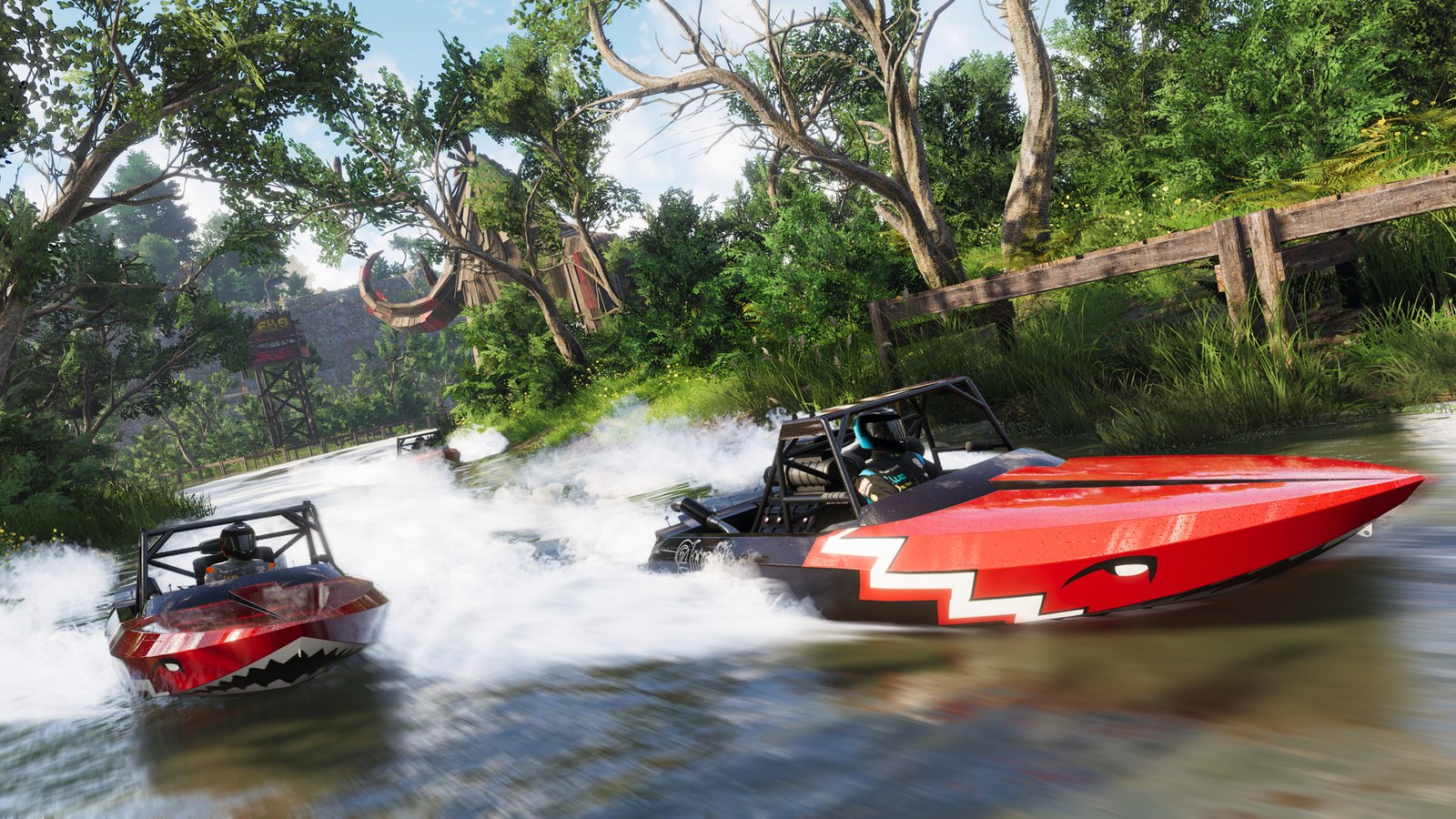
The Crew 2 offers a useful case, rather than a new announcement. Ubisoft introduced its Hybrid Mode on October 16, 2025. It preserves a way to play without preserving every connected feature. That distinction is a more productive starting point than demanding either eternal servers or nothing at all.
Our guide to digital game ownership covers the license behind the purchase. This is about what remains usable when the publisher stops providing the service.
Keeping the roads does not mean keeping the whole experience
Ubisoft’s offline update notes retain The Crew 2’s exploration, events, vehicles and customization while removing connected systems such as leaderboards and multiplayer. There is a playable game left, even though it is no longer the same offering.
Progress comes with a significant trade-off. The Hybrid Mode announcement explains that an online save can be exported for offline use. Progress earned offline does not transfer back. Exporting again replaces the previous offline save, including progress made only in that version.
That matters when judging how much has been preserved. Someone returning for a solo drive may have what they need. Someone whose enjoyment depended on competition or sharing creations loses more. An offline label should come with an account of those losses, rather than asking every player to value the surviving features equally.

Publishers cannot fund a service forever
The strongest objection is also a fair one. Servers, security and support require resources. If essential game logic runs on a remote machine, removing the connection does not move that logic onto the player’s PC or console. Building an alternative takes engineering and testing. A small studio cannot always absorb the same work as a major publisher.
That is an argument for planning earlier. When the team has moved to another project, preservation becomes another request competing for its time. Deciding during development which saves can live locally and which modes can operate independently brings those constraints into view while the relevant systems are still being built.
Gran Turismo Sport provides another bounded example. Its online services ended on January 31, 2024, while offline portions and previously purchased downloadable content remained playable. Online features, including Sport Mode, were lost. The outcome preserved less than the complete game, but more than an unusable installation.
Neither racing game proves that every multiplayer world can receive the same treatment. An experience built around thousands of connected people is fundamentally different from a solo campaign that requires a server’s approval to start. The reasonable demand is an explanation of those dependencies and a credible plan for what can survive.
An offline game still needs a way back onto your computer
Starting a game without a connection today does not necessarily mean being able to reinstall it after replacing a drive. The installed copy and the means to recreate it are separate parts of preservation.
GOG’s developer documentation describes backup installers generated for distribution through the game library. An installer you can keep addresses that second problem. It does not guarantee compatibility with every future operating system, or restore services that the game once used.
Saves deserve the same attention. Cloud storage is convenient, but knowing which local files hold your progress makes it possible to keep another copy. Our Steam Cloud conflict and backup guide explains that part. A saved character cannot compensate for an executable that will no longer start.
Put the survival plan next to the system requirements
A useful store disclosure would identify the modes that work offline, where progress is saved, any remaining activation requirements and what will be lost after shutdown. If continued access requires a future patch, the page should describe a commitment still to be delivered, not a feature buyers already have.
Some players will happily pay for a temporary experience with friends. Others want a campaign they can revisit a decade later. Neither preference is unreasonable. Both deserve enough information to choose without waiting for a shutdown notice.
Ubisoft deserves credit for giving The Crew 2 an offline future. A better standard for the next release would let its buyers test that option on day one, while the team and its resources are still there to fix it.
The conversation starts here
Sign in with a supporter account to comment. Sign in

Nobody has commented yet. Want to go first?