
Why unified memory changes the workload
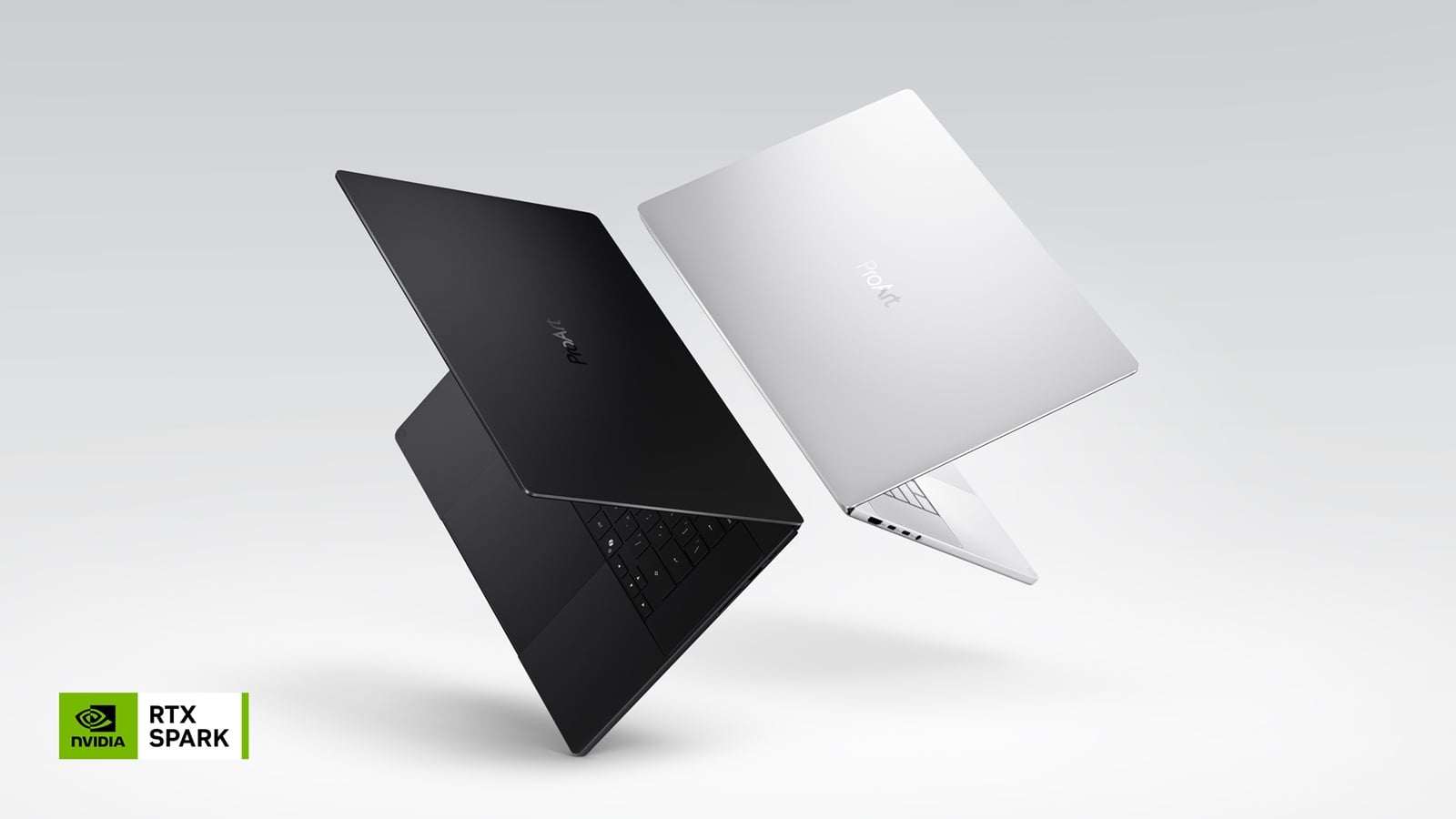
ASUS is showing RTX Spark versions of the ProArt P14 and P16 at IFA 2026. The platform combines a 20-core Grace CPU, a Blackwell GPU and 128GB of unified memory, allowing the processor and graphics hardware to work from one pool rather than repeatedly copying data between separate reserves.
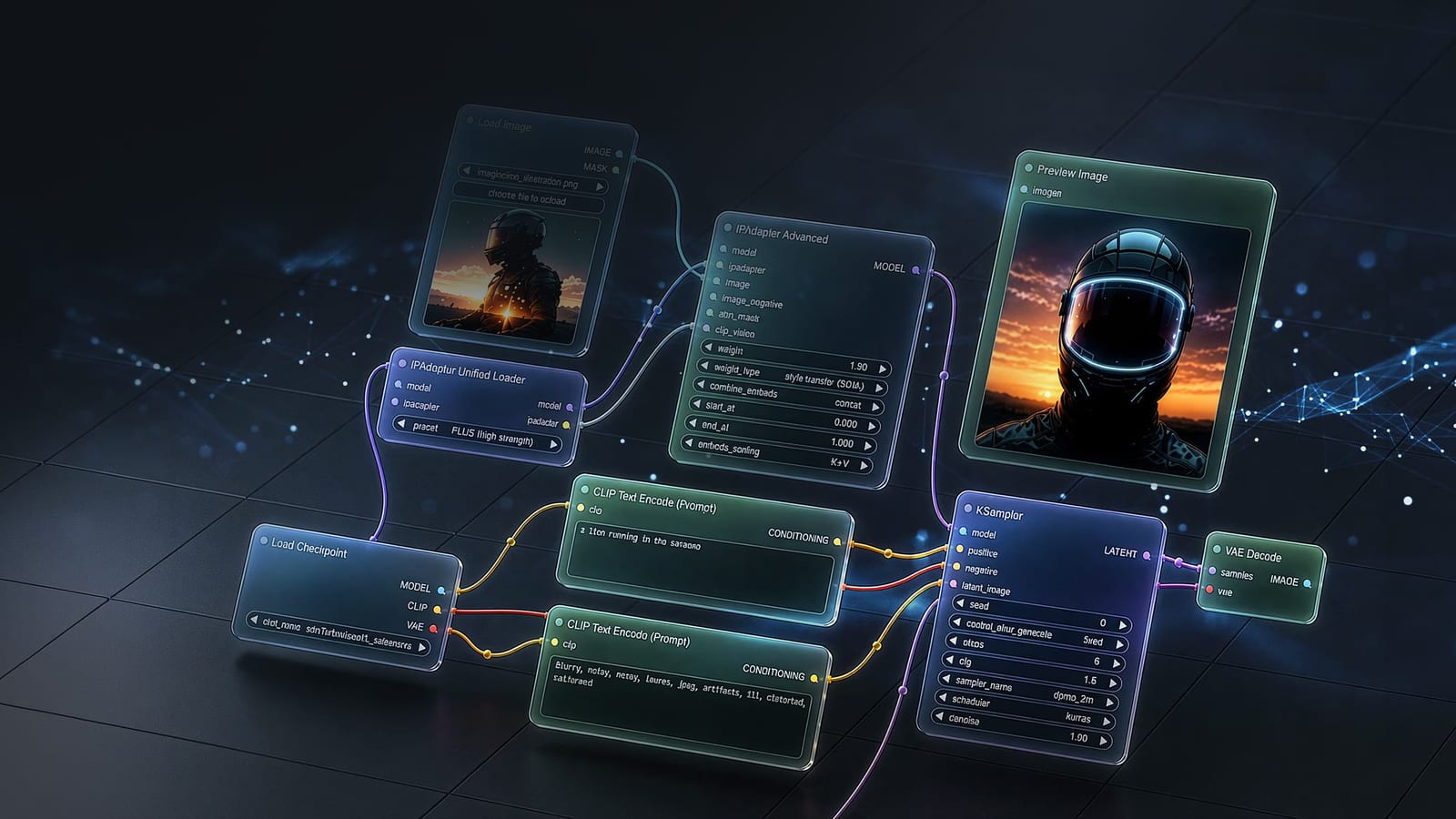
ASUS says that memory can hold language models with up to 120 billion parameters, the values a model learns during training. Storing them is a major constraint on running a model of that size on a laptop. The number describes capacity, not response speed. ASUS also advertises work with 3D scenes above 90GB and 4K AI video generation, but the linked material does not provide independent performance or battery testing.
The ProArt P16 display and ports
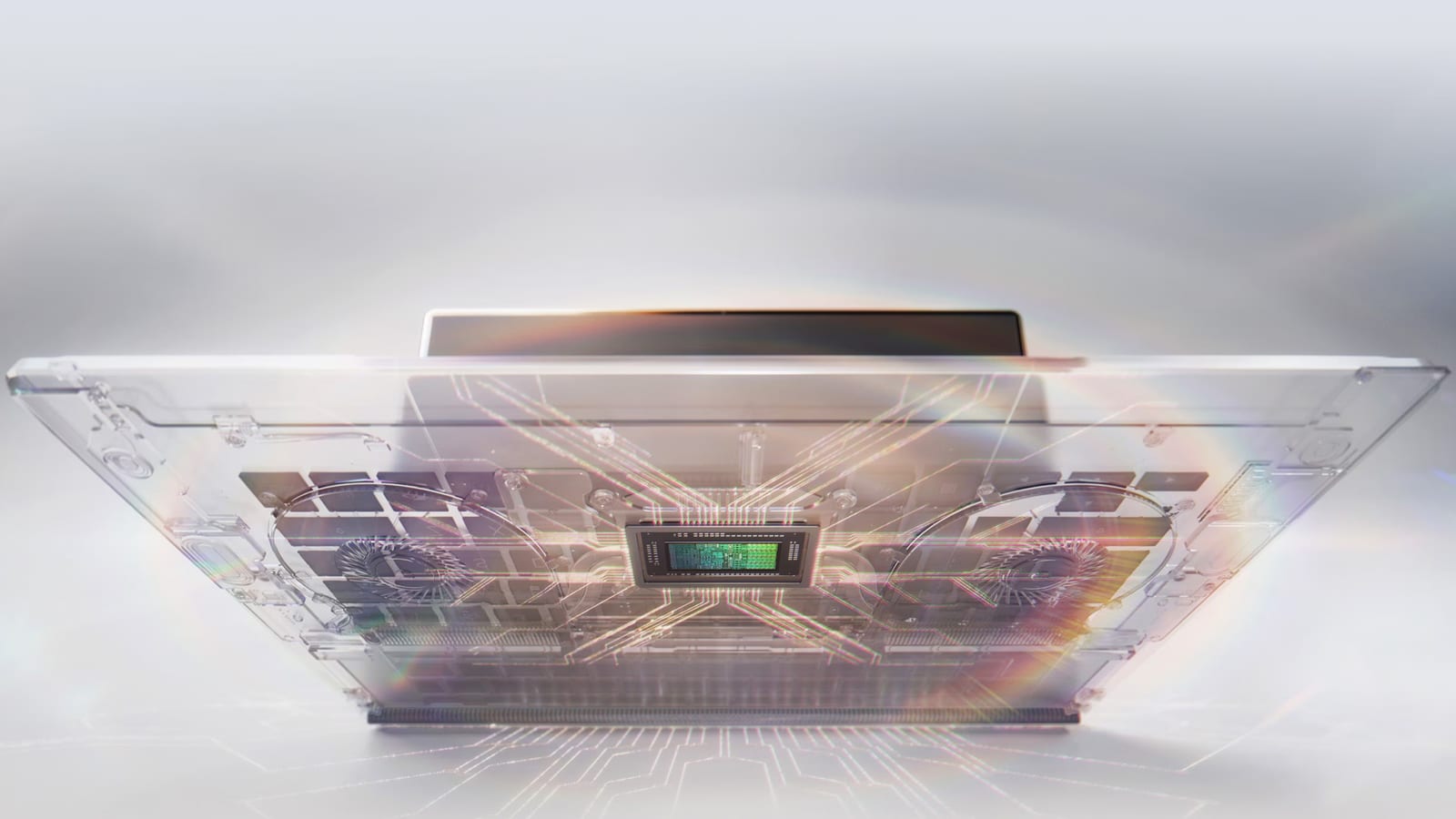
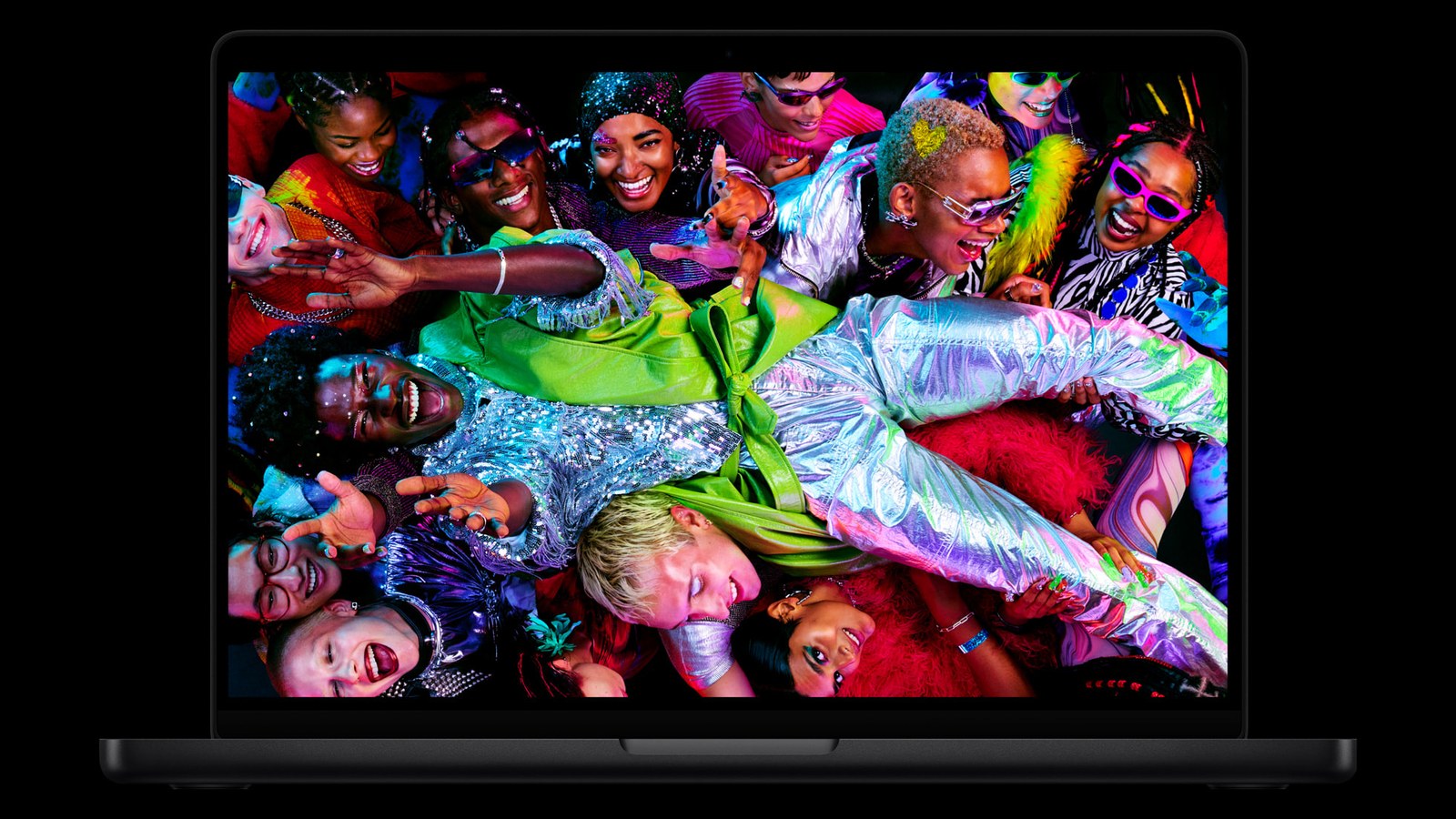
The ProArt P16 uses a 16-inch 3840×2400 OLED touchscreen at 120Hz. That refresh rate makes motion smoother, while the claimed 1,600-nit HDR peak applies to small highlights rather than describing sustained full-screen brightness. The P14 reduces the footprint for people who move the machine more often.
The P16 specification includes two USB4 ports, HDMI 2.1, an SD Express reader and up to 4TB of SSD storage. Those connections suit large projects and external displays without a stack of adapters, although final configurations can vary by country.
Price and availability remain open
ASUS says availability begins in autumn 2026 in selected regions, with no confirmed US price or retail configuration. Weight, battery life under local AI workloads and whether every version keeps the full 128GB also remain unknown.
Those details are needed before making a purchase recommendation. In the meantime, our Acer at IFA 2026 report shows another RTX Spark implementation, while the OLED versus Mini LED guide explains the display choice beyond its logo.
The conversation starts here
Sign in with a supporter account to comment. Sign in

Nobody has commented yet. Want to go first?