
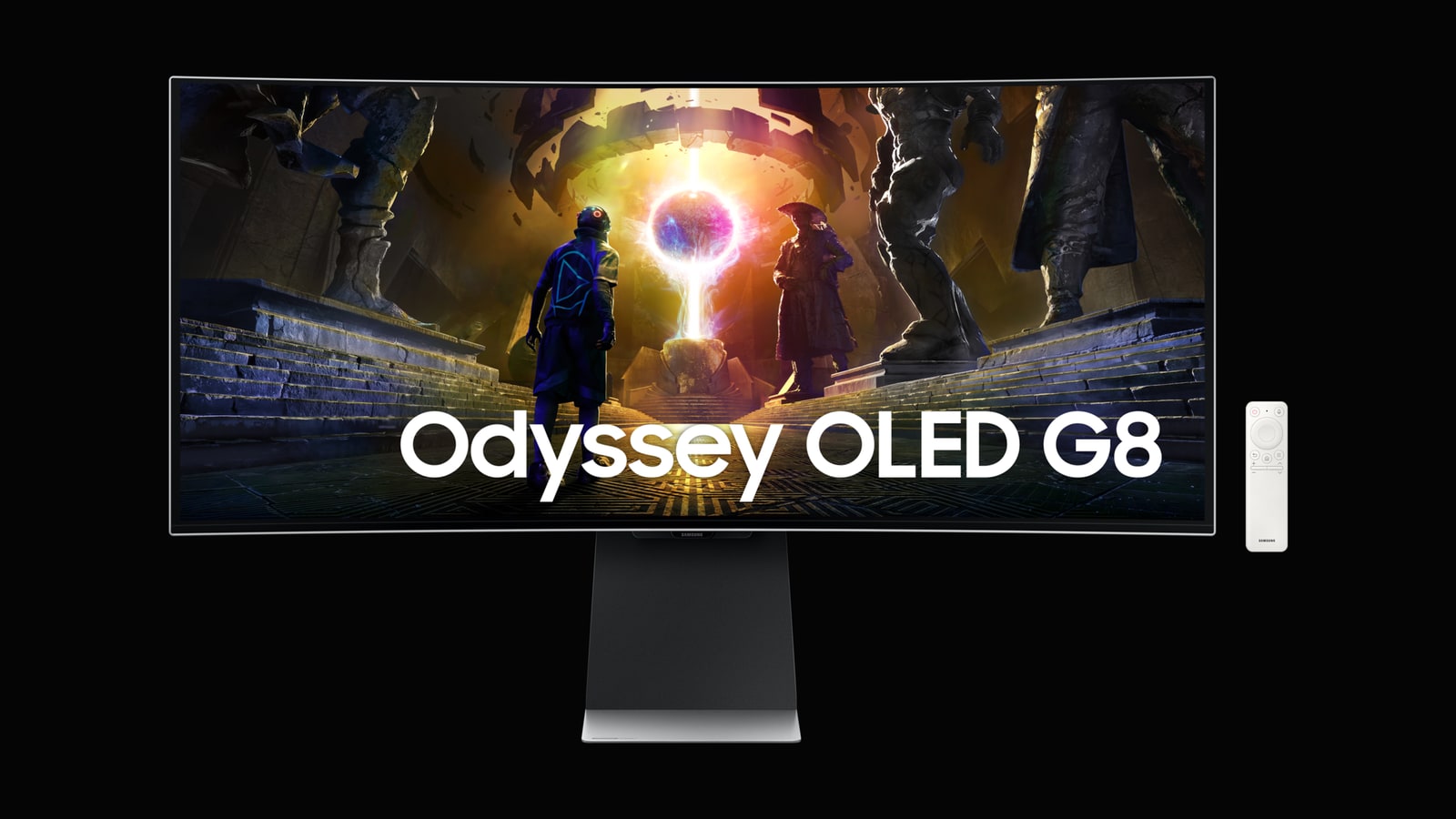
The difference begins with how light is made
Every OLED pixel produces its own light and can switch off completely. That creates true blacks, removes halos around bright objects and changes colour very quickly. Mini LED remains an LCD, but places hundreds or thousands of small lights behind it and groups them into zones that brighten or dim together.
A Mini LED zone illuminates several pixels at once. A white star on black can therefore brighten the surrounding area and create blooming. More zones and better control reduce the halo, but cannot eliminate it in the same per-pixel way as OLED.
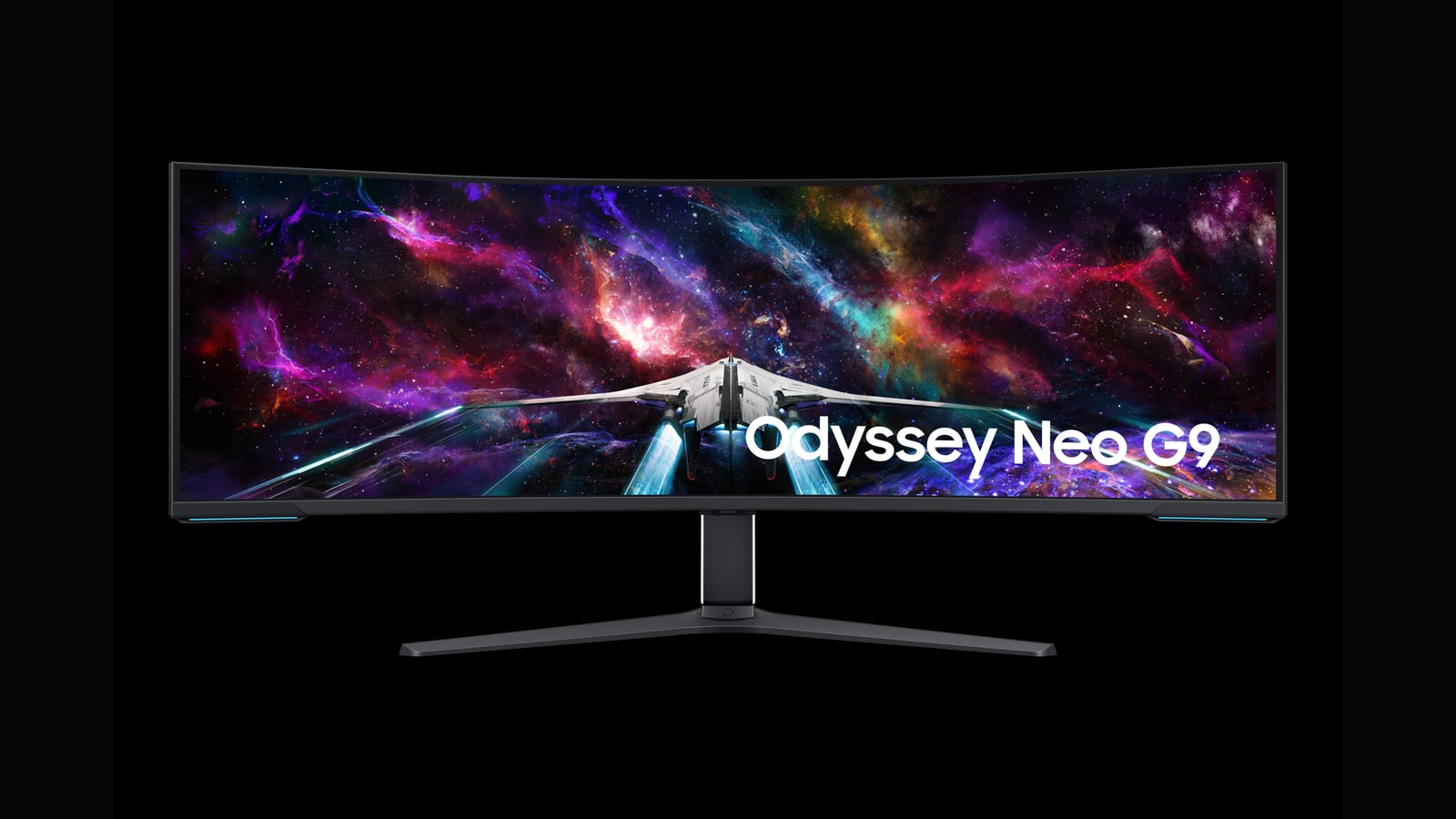
OLED for darkness and motion, Mini LED for bright rooms and desktops
RTINGS' measurements give OLED the advantage in contrast, uniformity and motion, especially in a dark room. Mini LED can sustain more brightness across a large white image, making it better able to fight reflections and deliver bright HDR scenes beside windows.
For eight daily hours of desktop work with a taskbar, browser and spreadsheets, Mini LED avoids permanent image-retention risk. OLED displays use pixel shifting, panel cleaning and logo dimming, but those protections reduce risk rather than making it zero.
Which one to choose
Choose OLED if you mainly play at night, value perfect blacks and rapid response, and can let its care routines run. Choose Mini LED for a bright room, sustained brightness or many hours of static desktop interfaces.
Then compare actual models. Refresh rate, HDMI inputs, VRR range, coating and warranty can change the recommendation. PS5 owners should also verify 120Hz and VRR before paying for features their port cannot carry.
PC buyers should inspect text rendering before purchase. Some OLED subpixel layouts can soften the edges of small letters, whereas a Mini LED LCD usually behaves like a conventional desktop display. Resolution and operating-system scaling reduce the difference, but a marketing photograph cannot reveal it.
Read the warranty for the exact model and country. Panel-care routines do not mean every manufacturer covers burn-in, and two displays using the same panel may carry different terms. Zone count alone does not settle Mini LED quality either. The control algorithm determines how much detail survives and how much blooming it hides.
The conversation starts here
Sign in with a supporter account to comment. Sign in


Nobody has commented yet. Want to go first?