
What Tesla has actually launched
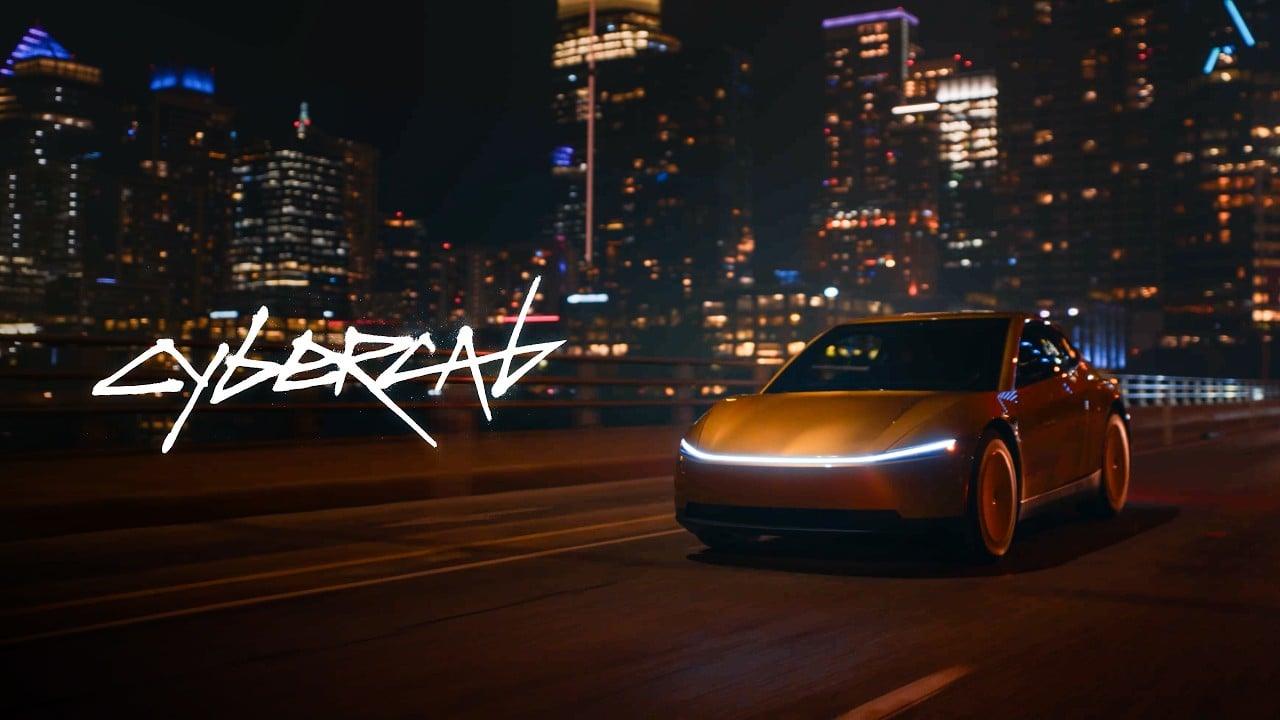
Tesla has added Cybercab to its Robotaxi network in limited areas of Austin, Texas. The gold two-seater has butterfly doors, no steering wheel or pedals and a large central display. The app assigns a vehicle according to availability, so riders cannot initially choose between Cybercab and a Model Y.
That is more substantial than a demonstration, but it is not a broad rollout. Tesla's support page does not disclose the active Cybercab fleet, a complete operating map, an expansion date or a dedicated fare. The official video, titled The Future Has Arrived, shows the intended experience and is embedded below.
When Cybercab could reach Europe
Tesla has not announced a European launch date for Cybercab. The vehicle needs approval, and its operator needs permission to provide the service in each location. European level-four rules cover automated driving without a person at the controls within specified conditions, such as particular roads and an operating area. They do not by themselves authorise a taxi service in every city.
Spain allows SAE level two to five trials through the DGT's ES-AV programme. Its pre-deployment phase permits fleets above ten vehicles and can remove the onboard safety operator, while requiring remote supervision. Tesla currently appears with 30 SAE level-two passenger cars authorised for Spanish testing. That is supervised driving, not Cybercab or a driverless taxi service.
Madrid may get WeRide and Uber first
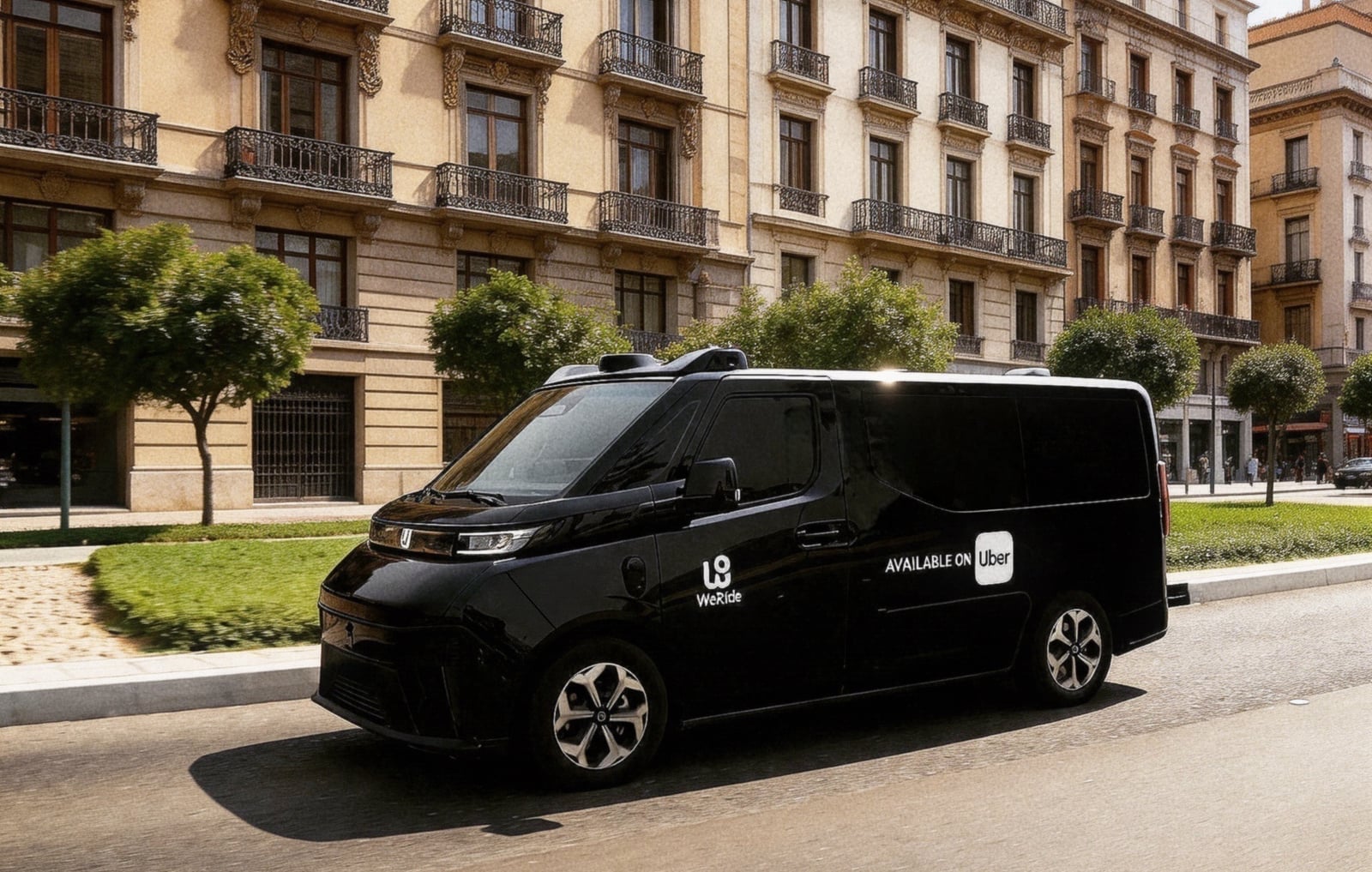
The closest alternative for Spanish readers is WeRide. The company, Uber and AVOMO plan Spain's first commercial robotaxi pilot in the Madrid region, with rides requested through the Uber app before the end of 2026. It will begin with trained vehicle operators onboard and scale only as safety and regulatory milestones are met.
Its GXR uses the WeRide One driving platform and GENESIS simulation. Here, artificial intelligence is not a conversational layer but the system interpreting surroundings and planning a path within the permitted area and operating conditions. The partnership discusses hundreds of cars over time, but there is no launch day, public map or confirmation that the first stage will run without an onboard operator.
London has moved first, but a driver remains
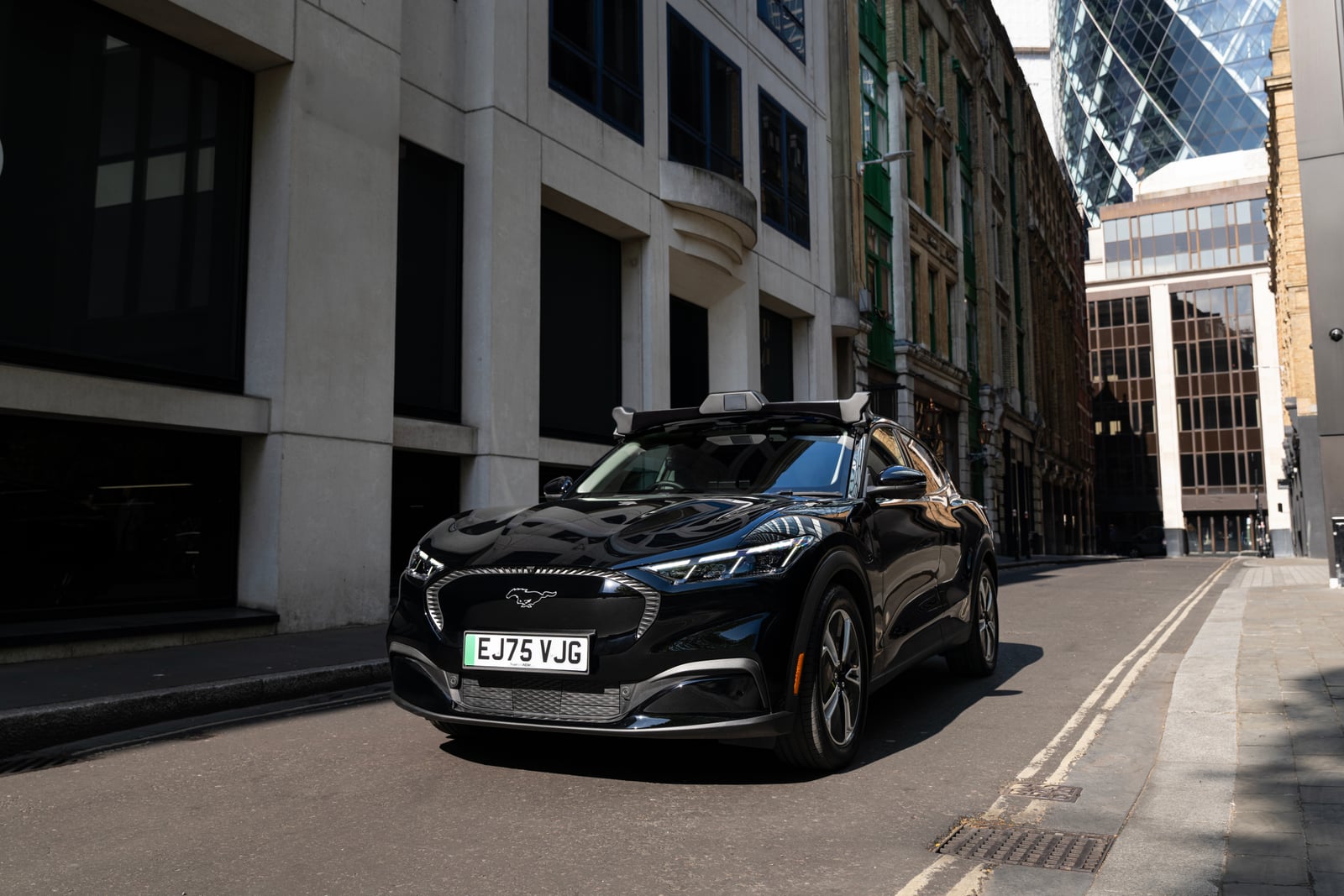
Since September 3, some London Uber users can be matched with a Ford Mustang Mach-E equipped with the Wayve AI Driver when requesting UberX, Electric or Comfort. The supervised autonomous trip carries no surcharge and covers London apart from airports, but a licensed driver remains ready to intervene. It is the UK's first public service of this kind, not an unsupervised robotaxi.
Waymo and Apollo Go are also testing in London. Europe's race is therefore moving without Tesla, combining adapted production vehicles, purpose-built robotaxis and different levels of human intervention. European AI rules add obligations but do not replace vehicle approval and road rules, covered in our EU AI regulation guide.
What Spain is likely to see first
Based on plans published by September 5, Spanish riders are more likely to encounter a WeRide GXR booked through Uber and still supervised before a steering-wheel-free Cybercab. The distinction matters: a commercial pilot with an operator validates routes, demand and incident response, while removing that operator requires another technical and regulatory step.
The conversation starts here
Sign in with a supporter account to comment. Sign in


Nobody has commented yet. Want to go first?