
Every AI answer comes with a tiny bill
You type a question into ChatGPT or Claude and an answer appears seconds later. What you do not see is the data center starting work, the electricity it consumes and the chip somebody has to pay for. One request costs very little. Hundreds of millions of requests a day are a different story.
NVIDIA collects more of that money than anyone else. Its data-center business brought in $75.2 billion in just 3 months. That figure covers both AI chips and the equipment used to connect them inside a data center. Amazon says its own chips now generate $25 billion a year, although that total combines processors, AI chips and security systems. The categories are not identical, but the gap makes the balance of power obvious.
It also explains why NVIDIA's best customers want to become its competitors. Google has spent 10 years building TPUs, Amazon created Trainium, Microsoft already uses Maia with Copilot and Meta says it has deployed hundreds of thousands of its own chips. They do not need to sell them. Using the chips inside their own services is enough to reduce what they pay every time someone uses their AI.
That is the point, the chip that trims a few cents from every million answers may end up owning the business.
Building their own chips does not mean quitting NVIDIA
A GPU, the kind of chip NVIDIA sells, can handle many jobs, from training a new model to generating video. That flexibility matters when a company is still experimenting. A custom chip is designed to do fewer things, but it can do them with less electricity and at a lower cost. The economics work when the same operation is repeated millions of times.
That is why custom chips are moving first into AI's most routine job, the moment when an already-trained model has to answer a user. Microsoft says Maia 200 cuts costs by 30% compared with the newest hardware it previously used. Amazon already runs Claude on more than one million Trainium2 chips and says its chip business is growing by at least 100% a year. Those are company estimates, but the saving they are chasing is easy to understand.
NVIDIA still has a huge advantage when somebody wants to build something new. Its chips can handle more jobs and thousands of companies already know how to use them. Rivals cannot manufacture everything they need overnight either. That is why Anthropic can order AMD systems without leaving NVIDIA, while Meta combines its own chips with enormous GPU purchases. They are not replacing one supplier with another. They are making sure no supplier can charge whatever it wants.

NVIDIA also charges for the road
NVIDIA has also found a way to make money when the main chip does not carry its logo. The company sells equipment that lets thousands of chips communicate quickly inside a data center. If Amazon or Microsoft installs custom chips, NVIDIA can still sell part of the infrastructure connecting them. Jensen Huang saw the threat coming and decided to charge for the road as well.
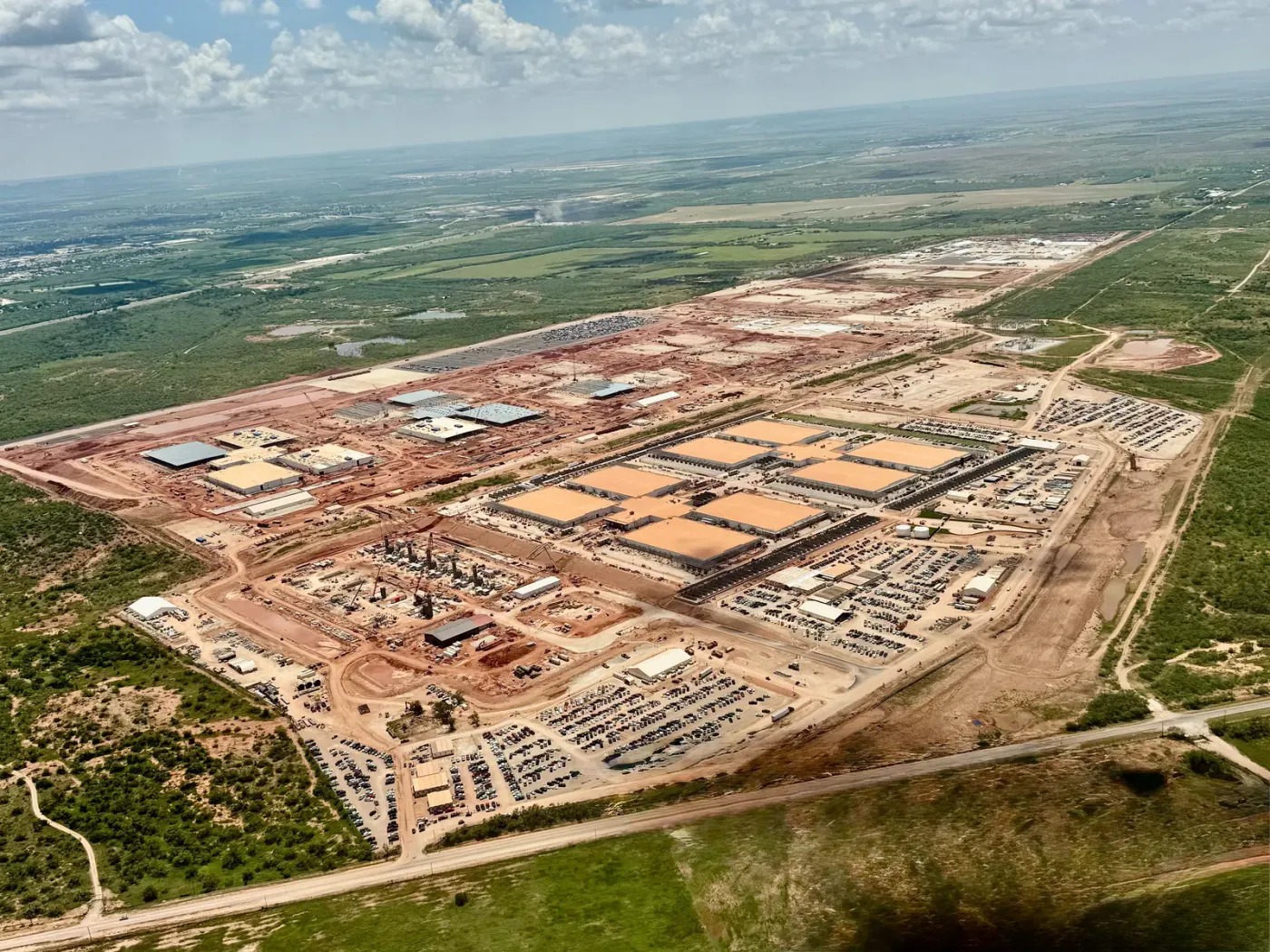
The construction site pictured below is a reminder that this war is not fought only in offices. AI needs land, buildings, cooling and an enormous amount of electricity before it can produce a single answer. Europe plans to invest €30 billion in 7 giant AI facilities, yet it will still depend on a small number of Asian factories for the chips.
I do not expect Trainium, Maia or Google's next TPU to topple NVIDIA. I do expect its customers to use those chips to cut their bill and negotiate from a less desperate position. Amazon ended July celebrating a $25 billion chip business of its own. During the same quarter, it announced plans to install one million NVIDIA GPUs.
That million is already on order.
The conversation starts here
Sign in with a supporter account to comment. Sign in



Nobody has commented yet. Want to go first?