

The number Smart would take off the dashboard
You watch a stream, like the look of a game and buy it on Steam three days later. You never click the creator’s link. You know exactly what persuaded you to buy it. The studio might not.
That gap is one of the problems Adam Smart, Director of Product, Gaming at AppsFlyer, describes in our written interview. A purchase can show up in a report without the video that prompted it receiving any credit. What looks like a customer finding a game independently may be the result of someone else doing a very good job of showing it off.
“Sometimes what we call organic is simply marketing we haven’t managed to attribute yet,” Smart says. Organic, in this example, means that the purchase has not been linked to a marketing campaign. It does not establish that marketing played no part in it.
This matters beyond the reporting team. Those reports help decide where the next campaign’s money goes. An ad that produces a click followed by a purchase has a straightforward case for more funding. A creator whose viewers buy later, through a different route, can be much harder to defend in a budget meeting.
AppsFlyer sells tools that connect marketing activity with installs and purchases, including a measurement service for PC and console. Smart is speaking from that side of the business. But the questions we put to him reach into familiar parts of playing games: why one title keeps appearing in your feed, what happens when GTA VI occupies everyone’s attention, and whether an external store is offering you a better deal or just saving the publisher money.
Asked which reassuring metric he would remove from an executive dashboard, Smart picks return on ad spend, or ROAS. He immediately qualifies the answer. The number works for its intended purpose. Trouble starts when it determines everything else.
ROAS compares revenue attributed to a campaign with the cost of running it. In a hypothetical example, $1,000 in advertising linked to $3,000 in sales gives a ROAS of three. It does not mean $2,000 in profit, because other costs remain. Nor does it prove that every one of those purchases would have been lost without the ad.
That second question is the one Smart wants studios to ask. How many extra players or sales did the campaign produce? What would not have happened without it? Marketers call this incrementality. The distinction is between connecting a sale to an ad and establishing what difference the ad actually made.
For creators, Smart would look beyond directly tracked purchases to search activity, wishlists and community growth. Those signals cannot assign every sale to a particular video either. They can, however, stop a studio from treating an absence of trackable clicks as an absence of influence.
“But people don’t always behave like attribution models,” he says. That is an easy observation to agree with as a player and a harder one to accommodate when every channel is expected to justify its budget with the same tidy calculation.
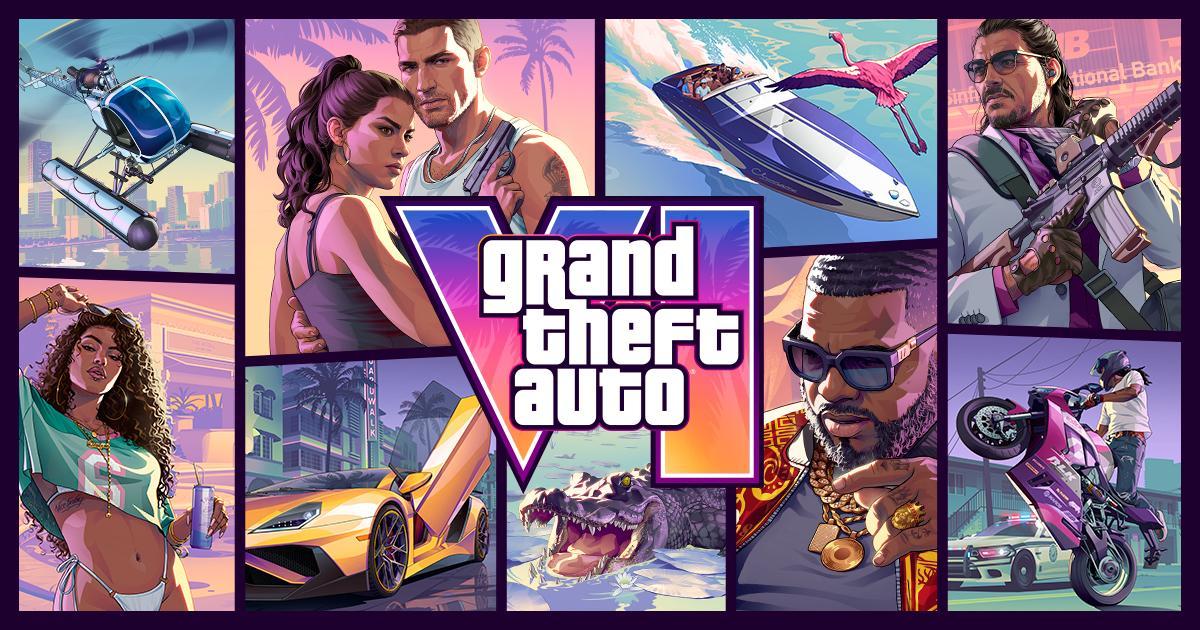
GTA VI is not a reason for every game to move
The same need to understand an audience comes up when we ask about launching near GTA VI. A studio is competing for more than store placement or a few headlines. Players only have so much time, and buying one large game can affect what else they are willing to start.
Smart sees a strong case for reconsidering a launch if a game targets much the same audience as Rockstar’s. Getting heard could be difficult not just during release week but for months around it. He does not think that advice applies automatically to everyone else.
A cozy game, a mobile release or something aimed at a different audience might benefit from the wider attention. His argument is that a major cultural event brings games into conversations and media coverage that a smaller studio could never create on its own. A different kind of game might find room within that interest rather than simply lose out to it.
The deciding evidence should come from the studio’s own players: wishlist growth, preregistrations, the cost of bringing people in and, crucially, how much the two audiences overlap. Sharing a release window is not the same as competing for exactly the same customers. That distinction matters during crowded periods such as Gamescom and its showcases, too.
Nor does Smart think other publishers can simply copy Rockstar’s periods of silence. “Silence only works if the demand is already there.” If searches, wishlists and conversation keep growing without regular announcements, anticipation may be doing useful work. If those signs are fading, the studio may just be falling out of view.
What thousands of different ads are supposed to achieve
There is a striking number in AppsFlyer’s 2026 gaming marketing report: the biggest-spending game advertisers produced between 2,400 and 2,600 ad variations per quarter. The report draws on aggregated mobile gaming data from 2025, not the output of every PC and console studio.
Smart does not consider that volume inherently wasteful. Different parts of the same game appeal to different people. One player might respond to a combat mechanic, another to a character or visual style. An ad can also show a lapsed player something they missed and give them a reason to reopen a game already sitting on their phone.
The test is whether the extra versions are accomplishing anything. Are they reaching new players, bringing former players back or keeping a campaign useful for longer? Smart would also watch how quickly ads stop working as the same people see them more often.
“If players are simply tuning them out faster, you’ve just built a much more efficient machine for creating noise.”
That competition extends well beyond other games. As Smart points out, YouTube, TikTok, messages and other apps are all claiming pieces of the same person’s day. A different ad might reveal something genuinely appealing. Producing more versions does not, on its own, create more reasons to care.
A longer sales life does not require a live-service game
When we turn to what PC and console developers can learn from mobile, Smart separates premium games from live services. A premium game earns much of its revenue from a player at the initial purchase. A live-service game is built around an ongoing relationship, with updates and further opportunities to spend. Marketing them as though they were the same business misses that difference.
For a premium title, there is still a case for advertising well beyond launch. If a studio understands what it costs to bring in a buyer and what that purchase earns, it can keep finding new audiences rather than treating marketing solely as a release expense. That can help a finished game sell for years. It need not become a different sort of game to do so.
We ask Smart where he draws the line between supporting a game and redesigning it to satisfy a report. He distinguishes using data to find an audience for the game a team wanted to make from changing that game purely to improve the numbers.
“There’s nothing wrong with using data to build a more durable business around a great game. The danger is when optimisation starts dictating what the game itself should be.”
The distinction leaves room for useful measurement without pretending every commercial decision is just better marketing. Finding more buyers for a completed adventure is one choice. Designing that adventure around additional ways to charge those buyers is another, with consequences for the people playing it.
Characters, creators and the games that keep players coming back
Smart points to games such as Genshin Impact, Honkai: Star Rail and Wuthering Waves as examples of mobile and PC/console approaches coming together. He emphasizes ambitious production, cross-platform audiences and a continuing schedule of reasons to return.
In Genshin, a new character is not just a purchase opportunity. It prompts videos, comparisons and rankings. Creators explain how useful the character might be, their viewers discuss whether to get them, and the community has something new to focus on. An update generates conversation, which can help bring players back and encourage spending. Our guide to what gacha is and why it hooks players explains how randomized rewards fit into that model.
AppsFlyer’s report puts China-headquartered publishers at 35% of mobile gaming user-acquisition spending outside China. Smart links their expansion both to an environment that supports international growth and to studios’ ability to make content, creators and community activity reinforce one another.
His interpretation of Western resistance to microtransactions is more debatable, and he presents it as a possibility rather than a settled explanation. “Maybe the lesson isn’t that Western players reject these models. Maybe they reject them when the underlying game isn’t good enough.”
A compelling game may explain why someone wants to stay. That does not settle objections to how it encourages them to spend. Those remain separate questions, even when players love the game itself.
An external store should have something in it for you
Smart offers a simpler test for direct-to-consumer stores: compare what you receive inside the game with what the publisher offers on its website. If you are being asked to take extra steps to pay, the benefit should be apparent.
Moving a purchase away from a platform can reduce the studio’s commission costs, though payment processing and store providers still have to be paid. Smart therefore does not argue that every item must come with a fixed percentage discount. Additional currency, extra items or rewards can also pass some of the benefit to the player.
The warning sign is an identical product at an identical price, with more effort required to buy it. In that case, the company may save money while giving the player nothing in return for the inconvenience.
“A genuinely player-positive D2C strategy should make me understand why it’s better for me, not just why it’s better for the developer.”

Start with what people play
Not every misunderstanding of an audience comes from tracking a transaction. Asked about the industry’s habit of addressing women through fashion, collecting and self-expression, Smart starts elsewhere. A woman may love Diablo IV and have no interest in cozy games.
He is not dismissing the existence of trends among different groups. He objects to treating those trends as rules before looking at what people actually do. Which genres do they play? Which mechanics do they enjoy? How long do they spend playing, and what makes them return? Those questions should come before assumptions about who the audience is.
It brings the interview back to the limits of a convenient label. The Steam customer did not necessarily arrive without help. The mobile player may want an ambitious, long-running experience. Knowing someone’s gender does not tell a studio which game they want next.
Smart closes by drawing the distinction he wants executives to keep in mind: “ROAS tells you what revenue you can connect to your marketing. Incrementality gets you closer to understanding what your marketing actually caused.” For the creator whose stream persuaded someone to buy a game days later, that difference may determine whether the studio hires them again.
The conversation starts here
Sign in with a supporter account to comment. Sign in

Nobody has commented yet. Want to go first?