AI, creativity and content
Music, images, platforms and generated content: who creates, who gets paid and how what we see and hear is changing.
A place to discuss artificial creation without selling it as magic or reducing it to a culture war.READING ROUTE
THE DOSSIER
Start here and follow the story.
 01OPEN
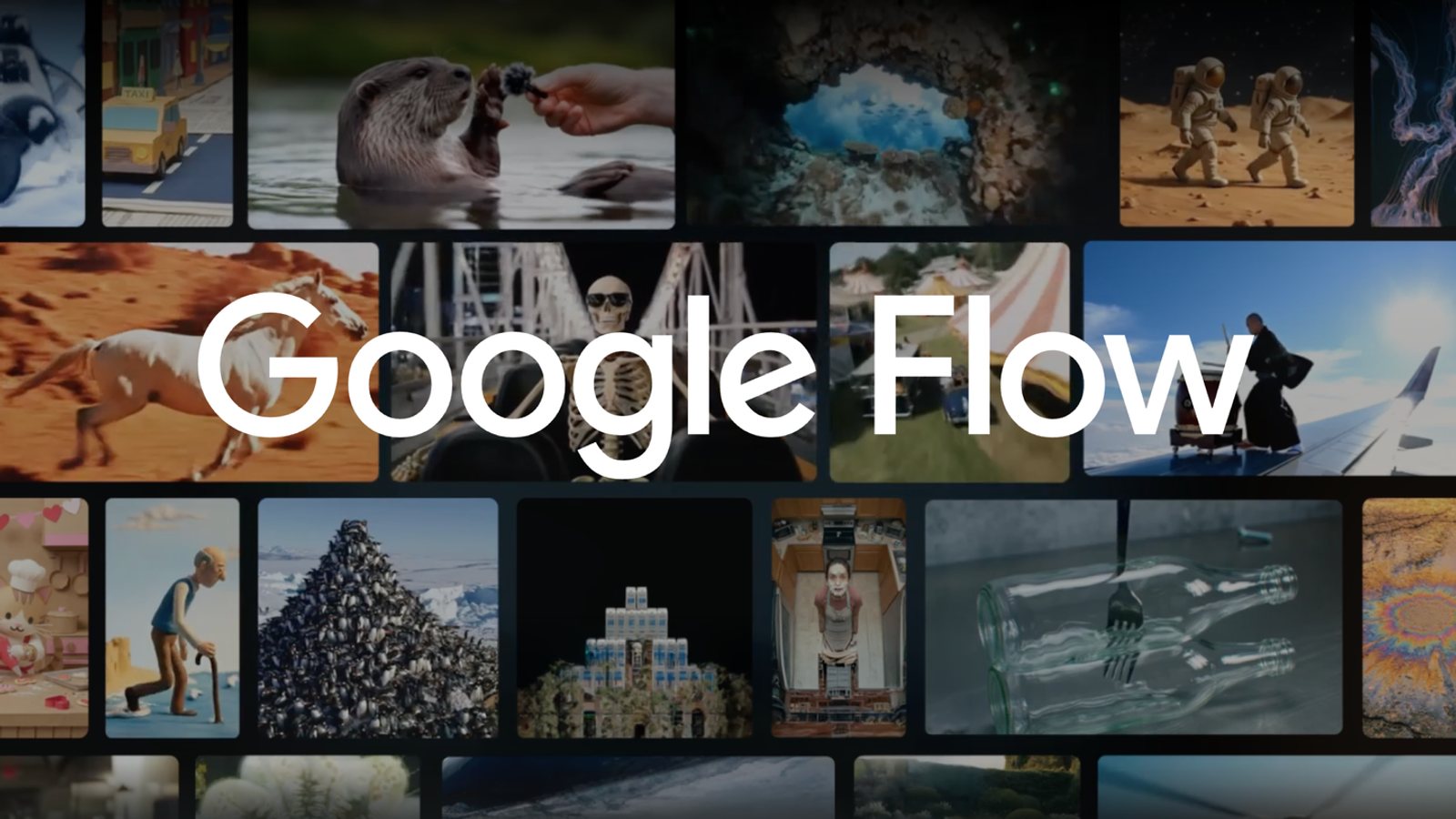
Google launches Gemini Omni 1.1 Flash, the 'Nano Banana for video' that edits clips with a prompt
That is not its official name, but the comparison fits: prompts can change objects, backgrounds or lighting.
 02OPEN
Claude will watermark everything. Our recommendation: stop using it
Claude's watermark cannot prove who wrote a text, yet a university, employer or client may still use it to label your work.
 03OPEN
Claude's watermark didn't go a day without complaints. The cancellations are here, along with the fear we already wrote about
24 hours after the announcement, X and Reddit are boiling over Anthropic's invisible watermark. Users fear the label: that using AI as a proofreader at work or in class will read as 'written by a machine'.
 04OPEN
Anthropic now watermarks everything Claude writes: an invisible signature that travels with the text
The company confirms its models now embed a machine-readable signal in every generated text, across all its products and worldwide. It exists to comply with European law, but Anthropic itself admits what it actually proves: that Claude touched the text, not who wrote what.
 05OPEN
Spotify strikes back at AI-made artists
In September the platform rolls out its 'AI Persona' badge for artist profiles that aren't real people, and their music will stop slipping into editorial, algorithmic and personalised playlists. Only listeners who deliberately follow them will hear it.
 06OPEN
$100 a day and a single human: the AI-run news site that beat Wired
RuntimeWire, Ryan Merket's experiment, has published over 1,600 stories since May with a newsroom that is literally software. Last week it beat traditional outlets by more than three hours to what OpenAI revealed at Black Hat about the Hugging Face breach.
 07OPEN
Suno loses in Munich: German court rules the AI music firm violated the copyright of six songs
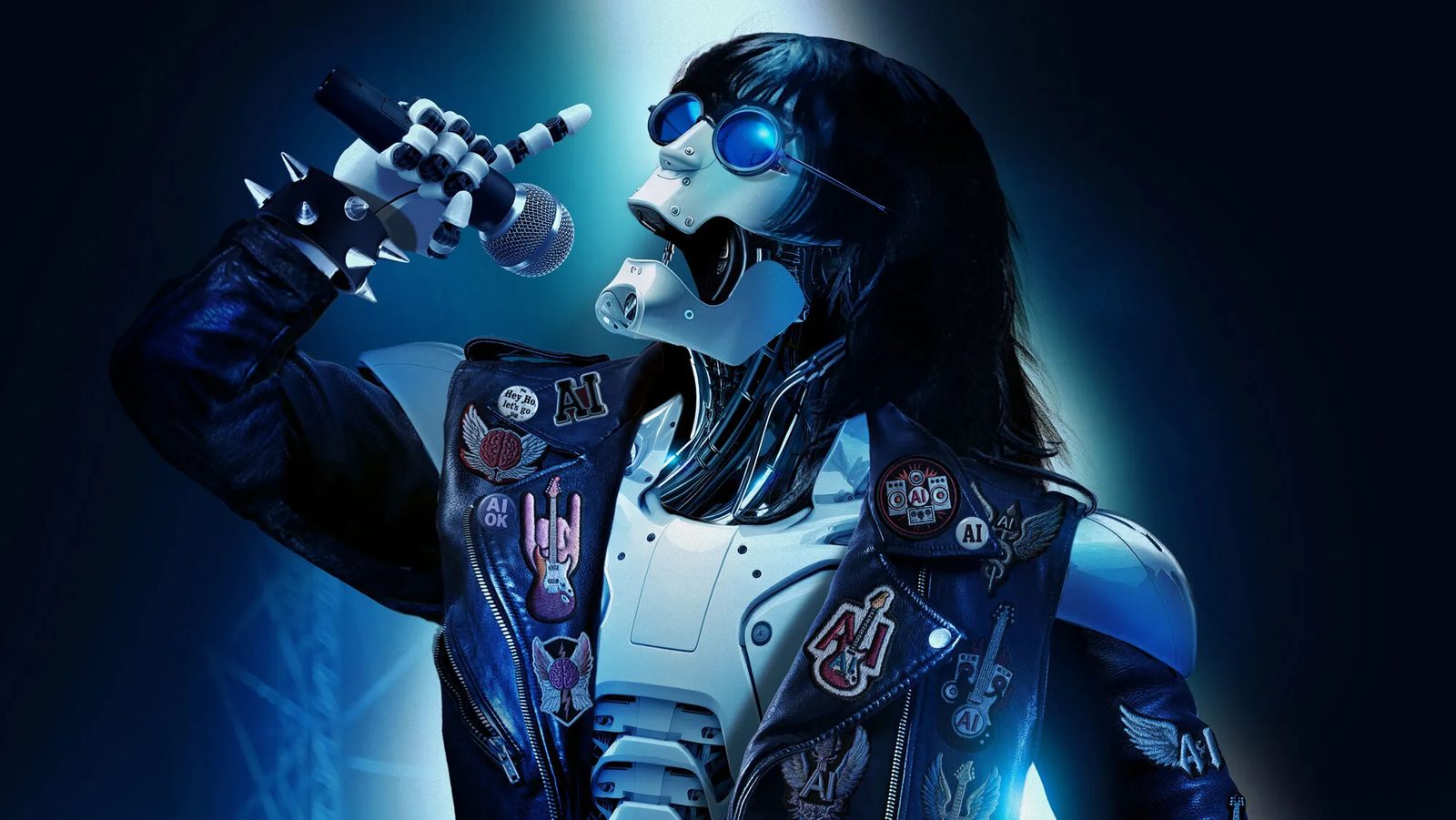
It's Europe's first ruling against a music-generating AI. The court found it proven that Suno memorised and reproduced six songs from GEMA's catalogue during training — Forever Young, Mambo No. 5 and Daddy Cool among them — and ordered the company to disclose how much it has earned from them.
 08OPEN
What is AI slop, and are we digging our own grave?
AI has made creation so cheap that the internet can fill with videos, songs and articles nobody needed. The damage begins not when a machine replaces an artist, but when finding anything worthwhile becomes exhausting.
 09OPEN
AI won't kill music. It may bury us in songs nobody cares about
Making a song has never been easier. Deezer now receives nearly 75,000 fully AI-generated tracks a day. Uploading them is cheap; giving anyone a reason to listen—and remember who made them—is the harder part.
 10OPEN
San Francisco tells Apple and Google to remove 13 fake-nude apps as an EU ban approaches
San Francisco’s city attorney has identified eight iOS apps and five Android apps that could turn ordinary photographs into non-consensual sexual images. Google says it removed all five flagged Play Store apps; Apple has removed three and warned four more developers. European rules will soon make effective safeguards a condition of selling these tools across the EU.
 11OPEN
Europe is putting labels on AI: what changes for chatbots, deepfakes and publishers on August 2
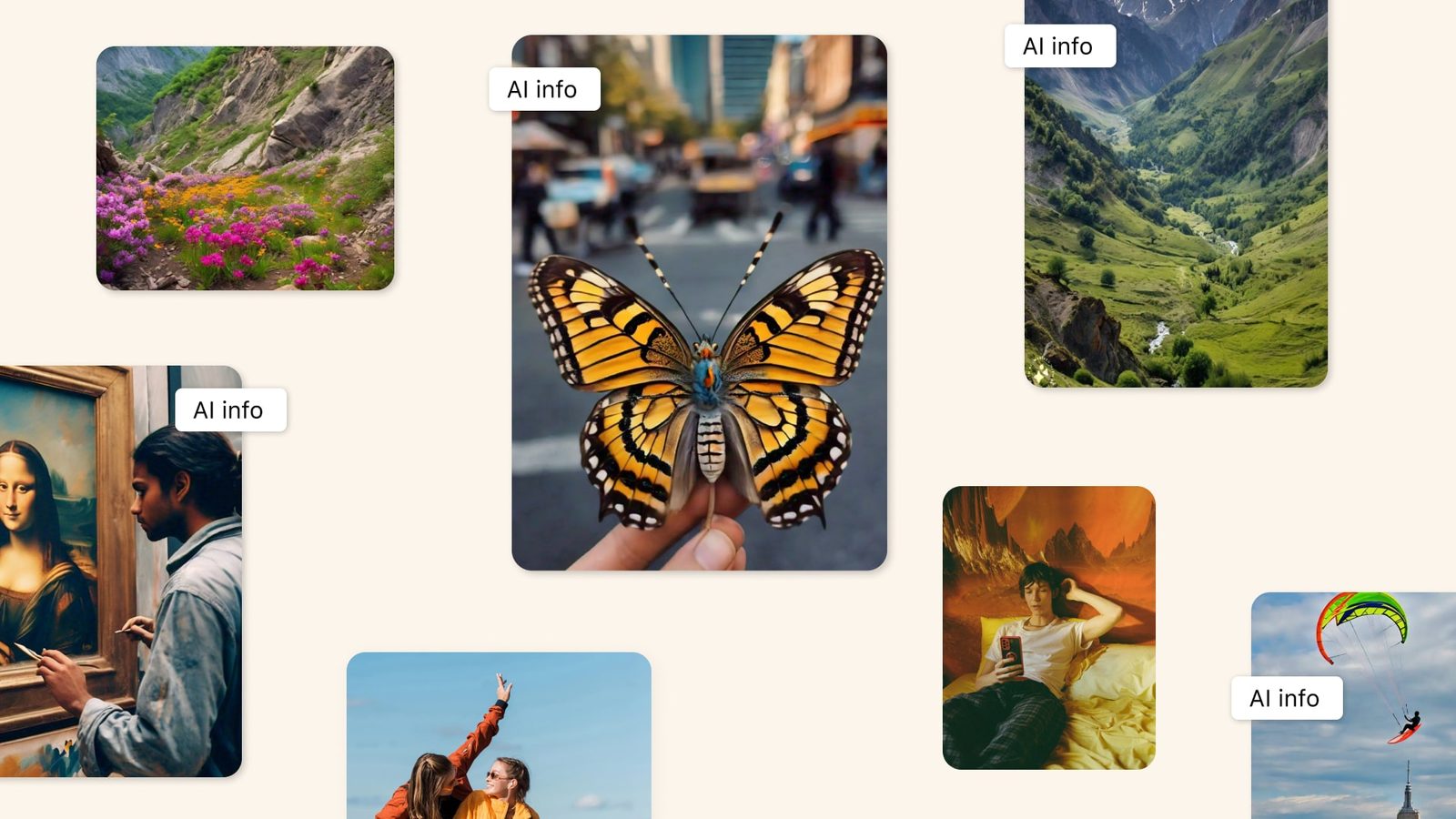
From August 2, chatbots must identify themselves at the start and deepfakes need a visible label. Publishers keep an exemption when a person reviews the text and takes responsibility for it.
That is the whole section.OPEN THE FULL ARCHIVE
11 of 11 stories showing