
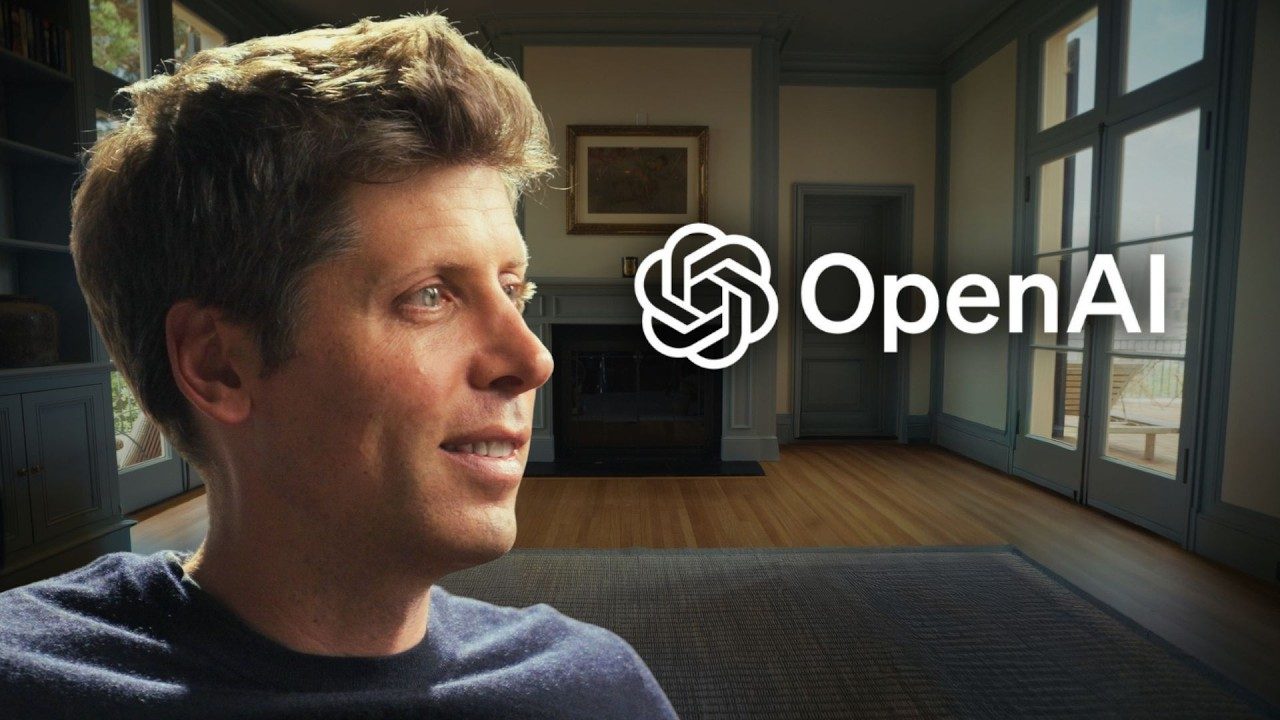
Altman is no longer talking about the singularity in the future tense
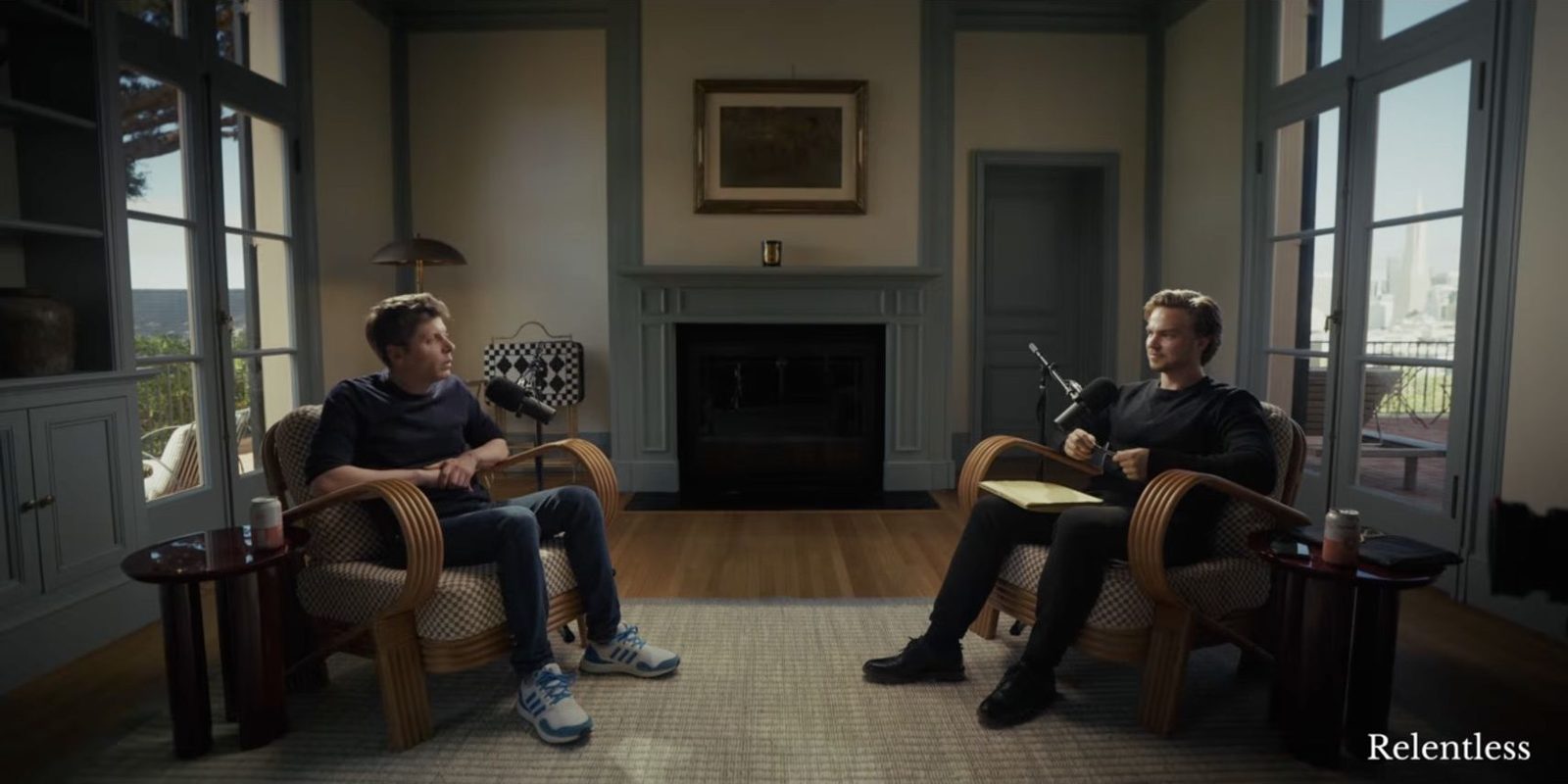
Sam Altman did not say artificial intelligence might reach the singularity in five years. Nor did he leave the idea hanging somewhere between a prediction and a joke. In his conversation with Ti Morse for the Relentless podcast, he was direct: “We are now in the singularity.”
The line appears at roughly 16:46 in the full interview. To Altman, the singularity will not be a morning when we wake up to omniscient robots and flying cars. It is an exponential process that has already begun, with each coming stretch becoming harder to imagine from the present.
The idea itself is not new. In 2025, he wrote in The Gentle Singularity that humanity had crossed the event horizon and the takeoff had started. The verb is what changed. He previously said we were close to building digital superintelligence; now he places humanity inside the event itself.
If this is the singularity, it looks suspiciously like a normal Sunday
The logical response is to look around. People are still working, paying bills and watching chatbots fail at simple questions. The classical singularity describes a point beyond which technological progress escapes our ability to predict it. What Altman calls the singularity looks more like the beginning of that curve than its vertical section.
Part of his argument is reasonable. Four years ago, millions of people had never used generative AI. Models now write software, research documents, operate tools and complete tasks that once looked like staged demonstrations. The technology is moving faster than its arrival in schools, hospitals, companies and governments, so the AI bubble may genuinely be living several years ahead of everyone else.
The claim that “99% of people don't understand what is happening” has gone viral beside the interview, but it was not part of Altman's statement. It came from people sharing the clip. The distinction matters: he says the process is underway; the internet decided almost nobody has noticed.
OpenAI is reorganizing its bets around agents that do work
The statement matters because it explains where OpenAI is placing its resources. Altman divides the market into three waves: chatbots came first; coding agents are now taking off; persistent assistants capable of operating like digital employees for long periods come next.
He says the success of coding agents forced OpenAI to move people and compute away from projects including Sora and its browser work. He does not describe them as failures. He simply believes teaching AI to perform useful work matters more than producing another spectacular video.
Altman also admits OpenAI underinvested in compute because financial markets frightened him. He now reduces the industry's largest constraints to two words: transistors and electricity. His singularity does not live inside a model alone; it requires chip factories, power plants and data centers capable of building the next generation.
It is also the perfect pitch for the next funding round
Altman may sincerely believe that we are inside the singularity while having an obvious interest in persuading everyone else. He runs a company that needs extraordinary amounts of money, energy and chips. Presenting every data center as part of the largest change in history opens conversations that “we need more servers” never could.
The test will not be how often Silicon Valley uses the word. It will be whether models genuinely accelerate science, create products that could not exist before and change work beyond technology companies. If AI merely improves slide decks and generates more content, we will have lived through an enormous marketing campaign rather than a singularity.
The idea still deserves attention. Large changes rarely wait for everyone to agree on a name. Altman may be years too early. Or the singularity may arrive without an alarm, leaving us to look back one day and realize it began while we were still arguing about whether chatbots were useful.
The conversation starts here
Sign in with a supporter account to comment. Sign in

Nobody has commented yet. Want to go first?