
Death changes everything
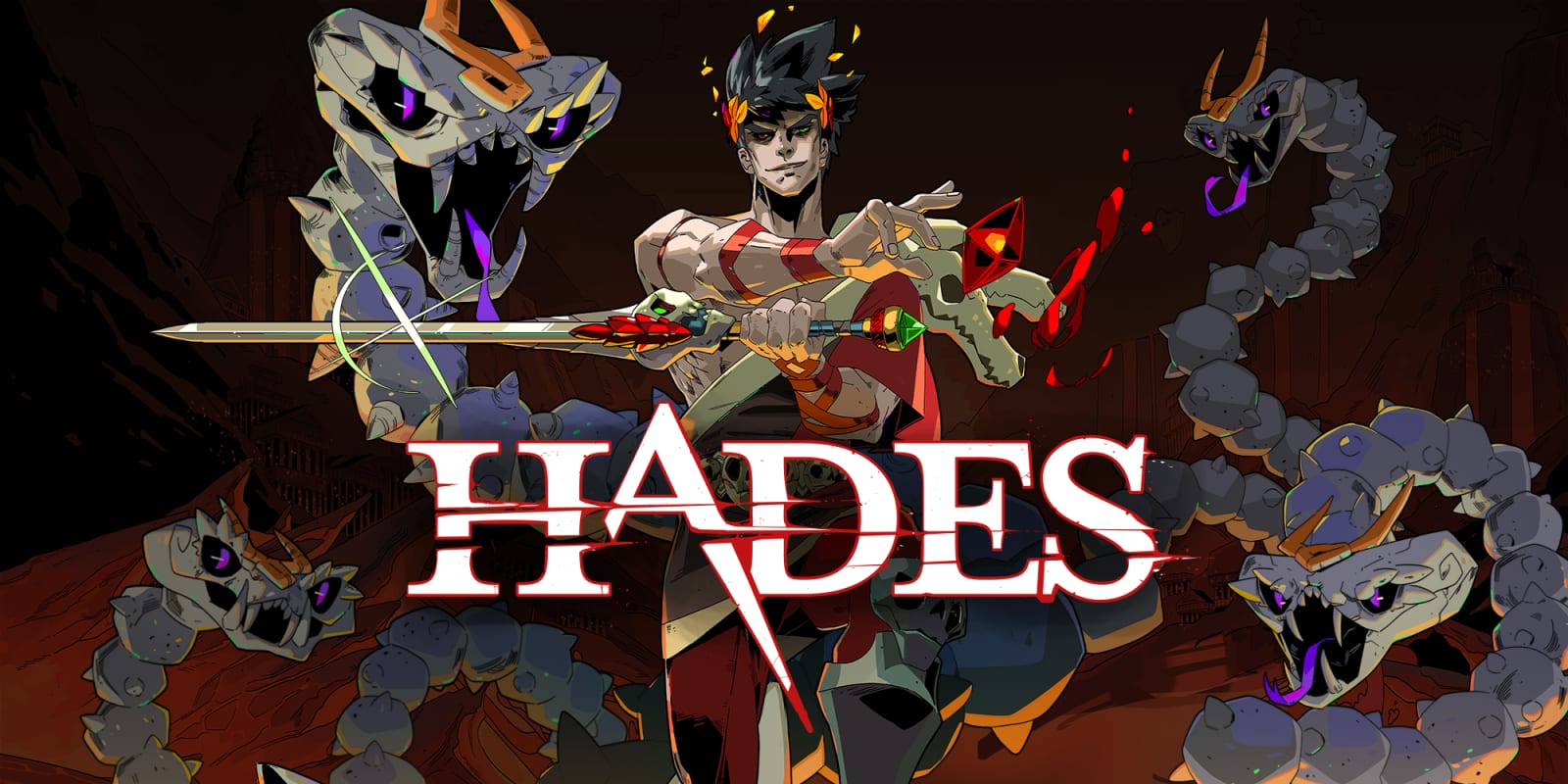
Zagreus falls two rooms short of escaping the Underworld, rises from the bloody pool in the House of Hades and meets his father again. The boons that turned his spear into a storm are gone. The resources spent on permanent upgrades remain, and a conversation that did not exist before is now waiting. The run ended. The game did not.
That is the useful difference between a roguelike and a roguelite. Both build runs that change, commonly rearranging maps, enemies or items and deleting what you collected on that attempt when you die. A traditional roguelike sends you back almost empty-handed and expects progress to come from what you learned. A roguelite lets the character, home base or available toolset improve as well.
There is no official border, and storefronts use both labels with abandon. The distinction still tells you what kind of failure you are buying.
Rogue wrote the rules
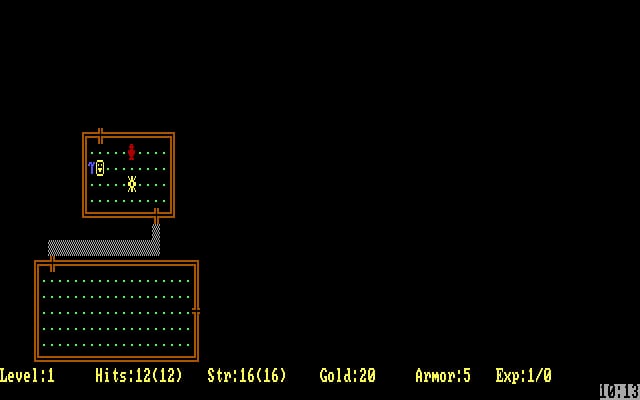
The genre takes its name from Rogue, first released in 1980. Its dungeon was drawn with text characters, the hero was an @ symbol, every movement consumed a turn and death deleted the save. Rooms, corridors, monsters and items moved when you returned, so memorising a route could not rescue you. You had to understand the system.
Developers meeting in Berlin tried to organise that legacy in 2008. Jeff Lait, a developer who attended the meeting, published the Berlin Interpretation, which gives weight to random environments, permadeath, turn-based play, a grid, exploration and resource management, among other traits. The document itself says that missing a factor does not disqualify a game. Its authors were building a vocabulary, not a border checkpoint.
Think of it as an exam. A traditional roguelike makes you sit the same kind of test again without notes or better equipment, although you now understand more of the questions. NetHack, Angband and Dungeon Crawl Stone Soup sit close to that model. The permanent upgrade belongs to the player.
What comes home
A roguelite keeps the loop of entering, improvising a build and losing it on death, but sends something home. That might be a permanent stat increase, another weapon, a new room or the next piece of the story. You still resit the exam, only now the game may let you buy a better calculator.
Hades makes the distinction unusually visible. Supergiant's official FAQ describes permanent progression, difficulty modifiers and a God Mode that makes Zagreus more resistant after death. Relationships and plot lines advance too. Failure does not interrupt the story. It feeds it.
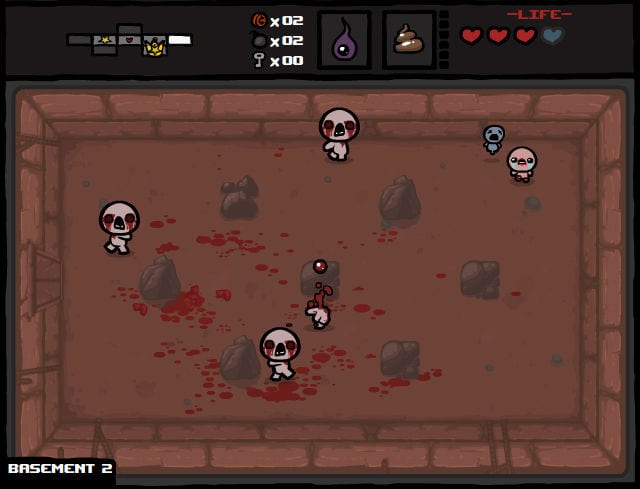
The Binding of Isaac, released on 28 September 2011, shows why people keep arguing over the labels. Death destroys the current collection of items and creates a fresh basement, while achievements unlock characters, bosses and objects that may appear in later runs. Isaac does not simply gain more health after every defeat, but the pool of future possibilities expands. Steam tags it as roguelike, roguelite and action roguelike at the same time.
Separate two kinds of progress instead. Progress inside a run disappears on death. Progress between runs survives. The more the second kind shapes your next attempt, the more useful roguelite becomes.
The border
Deckbuilders, platformers, shooters and strategy games can all borrow parts of this structure. That is why Slay the Spire, Dead Cells and Returnal can share a shelf while playing nothing alike. Roguelite describes the shape around the action, not the combat itself.
When a label needs an international conference, 13 factors and 18 years of arguments to function, it probably should not become a gate. Before buying, ask whether levels change, exactly what death removes and which upgrades survive. Those answers describe your next evening better than the tag beneath a trailer.
Our gacha explainer takes the same approach by starting with what the player does rather than a dictionary definition. If you would rather play a campaign where death does not erase your progress, our best RPGs for PC and PS5 offer a very different relationship with failure.
Use the shortest rule as a starting point. In a roguelike, you improve. In a roguelite, the game usually improves you too.
The conversation starts here
Sign in with a supporter account to comment. Sign in
Nobody has commented yet. Want to go first?