
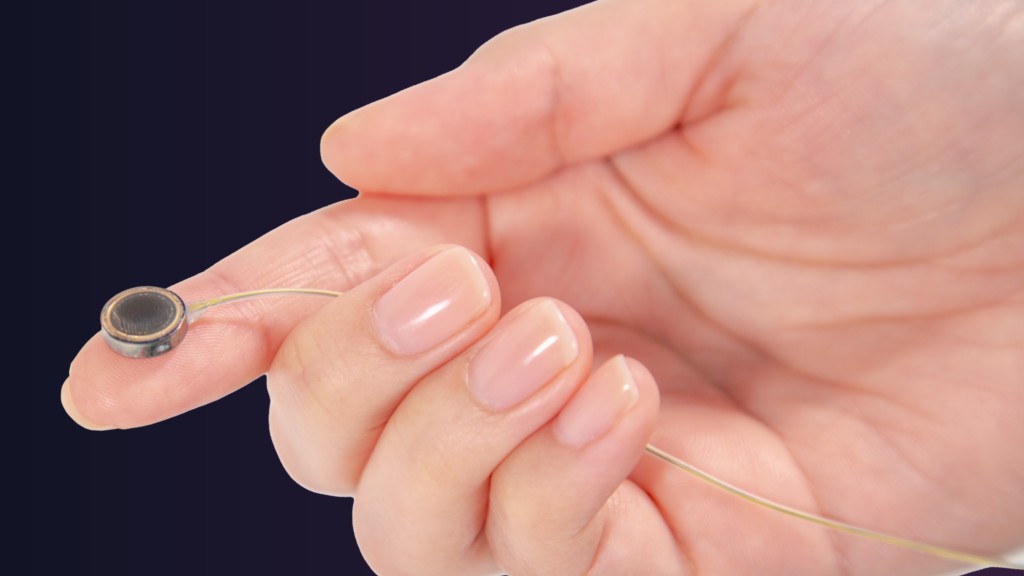
A Michigan woman in her 60s who can barely speak because of a motor neuron disease is now holding real-time conversations through a brain implant. She tries to say the words, Paradromics' Connexus implant reads the activity of her neurons, and a computer turns it into text and a synthesized voice. Her first sentence was "Okay, I have a lot to say," and in the same session she spoke with her grandchildren on a live phone call, Paradromics announced on September 14.
On Monday, November 23, Wired reported that Paradromics, an Austin startup, is now working with NVIDIA to make the AI that translates those signals faster and small enough to travel with the user. Right now, the computer doing that translation rides on a cart plugged into the wall.
How neurons become words
A brain-computer interface reads brain activity and turns it into commands for a machine. In this disease, the muscles of the mouth and throat stop responding, but the part of the brain that issues speech commands keeps sending them. A sensor about the size of a dime, with 421 microelectrodes, sits on that area, the motor cortex, and picks up the electrical spikes of individual neurons. A transceiver implanted under the skin of the chest beams the data wirelessly to an outside computer, so no wire crosses the skin.
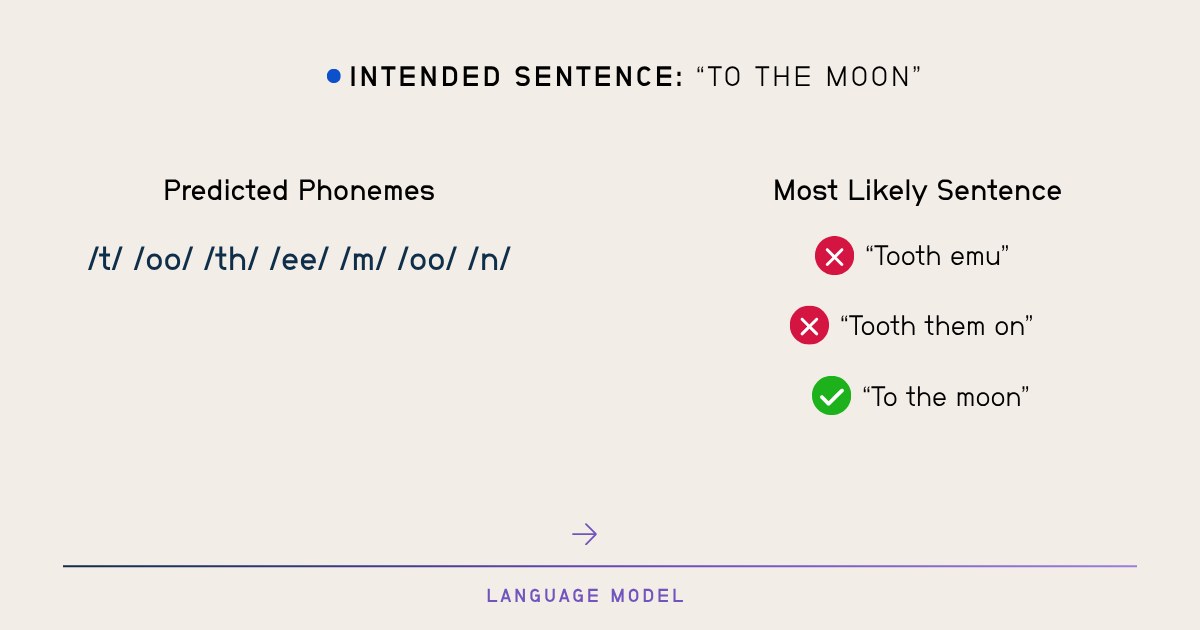
Two programs do the translating, as Paradromics explains on its blog. The first is an AI that estimates which basic speech sounds, or phonemes, the person was trying to produce. To learn hers, the participant trained the system by attempting thousands of words and sentences and flagging whether the text that came out was right. The second is a language model, the same kind of AI behind ChatGPT, and it picks the most likely sentence that fits those sounds. That is how it tells "to the moon" from "tooth emu," which sounds almost the same and means nothing.
What has actually been measured
No published numbers yet. Paradromics says only that two sentences came out without a single error, and its data has not been peer reviewed. The figure the company keeps citing, more than 200 bits per second, measures how much useful information reaches the computer each second, and it comes from a test in sheep listening to sounds, not from a person speaking. Transcribed conversation carries about 40 bits per second.
For comparison, in 2024 the lab of David Brandman, who now leads the Paradromics trial, used a different, 256-electrode implant with which a man with ALS reached 97.5% accuracy on a 125,000-word vocabulary.
What NVIDIA brings
According to Wired, Paradromics will move its decoding software and synthetic voice onto two products from NVIDIA, the company best known for the chips in AI data centers. Holoscan is software that processes live sensor data, and Jetson is a line of compact computers. CEO Matt Angle expects to swap the cart for a wheelchair-mounted box within about a year.
The engineering targets are under 10 milliseconds of computing, a hundredth of a second, when the voice comes straight from brain signals, and under 100 when it goes through text first. Those are goals, not measured delays. The team also wants the decoder to recalibrate in the background, because neural signals drift from day to day. Wired adds that NVIDIA will not have access to anyone's brain recordings.
How it compares with Neuralink
Elon Musk's Neuralink is running its own speech trial. On October 29 it showed a participant talking to his wife on the phone, without releasing accuracy or speed figures. Paradromics claims its system moves 10 to 20 times more information than Neuralink's published results, but that claim rests on its sheep test. Neither implant is approved as a treatment.
How far it is from a treatment
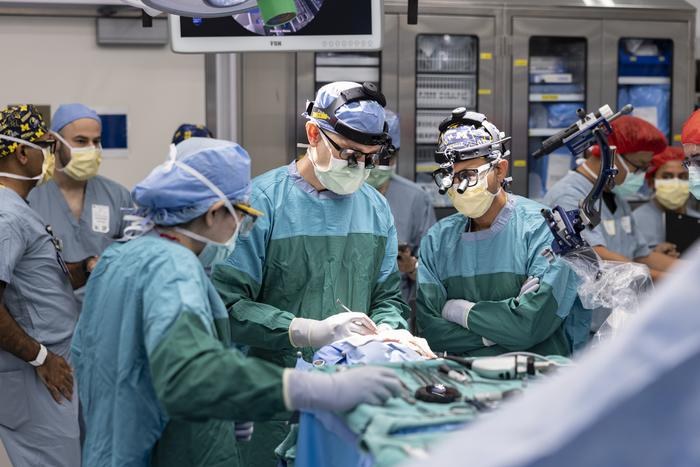
The FDA cleared the Connect-One trial in November 2025 as an early feasibility study, the first stage of testing an implant in people. Three centers take part, University of Michigan Health, UC Davis Health and Mass General Brigham, and the trial registry lists two participants, each followed for six years, mainly to show the implant is safe. A larger trial and FDA approval would come after that, and no one has put a date on either.
The conversation starts here
Sign in with a supporter account to comment. Sign in



Nobody has commented yet. Want to go first?