
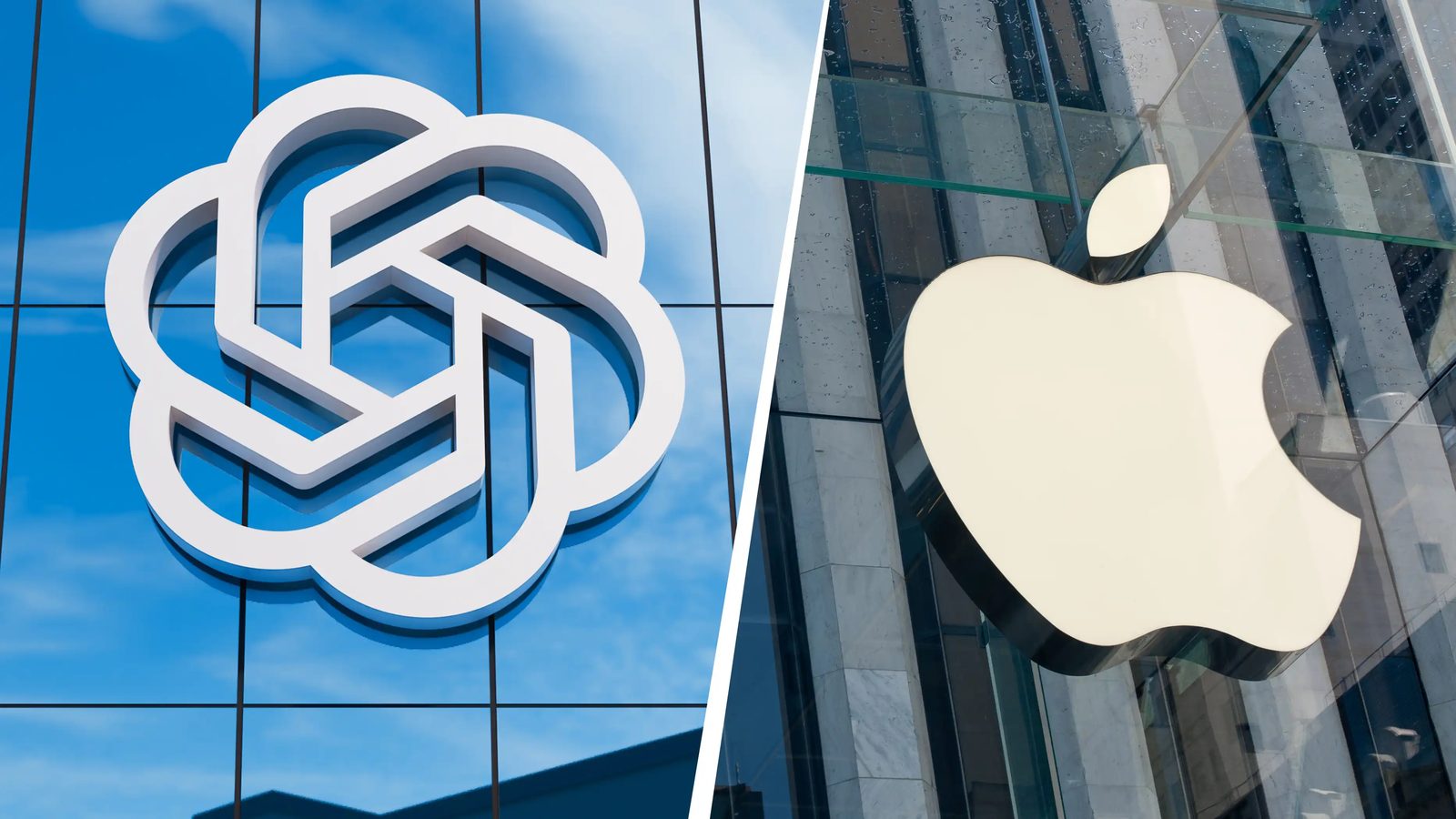
What the war is about: two hires and a theft accusation
To understand the blow you have to rewind a month. On July 10, Apple sued OpenAI for trade-secret theft, naming two former employees Sam Altman's company poached: Tang Tan, an ex-Apple vice president and now a key piece of OpenAI's hardware push, and engineer Chang Liu. According to Apple, Liu kept his corporate laptop and downloaded confidential files, and Tan held on to internal documents he shouldn't have kept.
And what would OpenAI want those secrets for? That's the heart of the case: the upcoming AI devices the company is building with Jony Ive, Apple's legendary former chief designer. Cupertino argues its old talent is building those gadgets with knowledge that walked out of its labs. In other words, this is no ordinary lawsuit: it's Apple accusing OpenAI of building its future with Apple's own blueprints.
OpenAI's response: a burn in legal language
Well, on August 6 OpenAI answered by asking the judge to throw the lawsuit in the bin, and it did so with unusual aggression for a legal filing. Its core argument: «OpenAI has no use, need or desire for Apple's trade secrets. OpenAI is building something entirely new and different from anything at Apple». On Tan's documents, the defense is almost ironic: it says he kept them precisely to make sure new arrivals from Apple were following Apple's own off-boarding procedures.
And then there's the closer, already doing the rounds everywhere. The motion accuses Apple of filing a complaint «without adequate investigation, built on selectively excerpted communications and ordinary conduct stripped of context», before landing the sniper shot: Apple's complaint is, «to borrow its own phrase, rotten to its core». With the apple right there in the middle. No comms intern wrote that line: someone who wanted headlines did, and they got them.
The most surreal part: they're suing each other… and still partners
Here comes my favorite part, because it perfectly captures the era we live in. While their lawyers throw furniture at each other, ChatGPT remains integrated into Siri and the commercial alliance between the two stands. That is: Apple accuses OpenAI of stealing its future in the morning and trusts it with its assistant's brain in the afternoon. In any other industry this would be a divorce; in 2026 AI it's a regular Tuesday.
There is, however, a boiling date: October 1 brings a hearing on Apple's requests for an injunction and early discovery. Mind the context too: OpenAI is on a flexing streak —it just showed off Astra solving impossible math problems— and the competition is pushing, with Google reshuffling its entire AI leadership. Nobody wants to slow down now.
My read: this is about hardware, not paperwork
My bet, signed: this lawsuit isn't about some off-boarding documents, it's about fear. Apple is late to AI and knows it; OpenAI is hiring away its best hardware engineers to build, with Jony Ive, the first device in a decade that could cast a shadow over the iPhone. The lawsuit is, among other things, a way to throw sand in that gearbox and send a warning to the next people thinking about switching sides.
Will it be resolved before we see the OpenAI-Ive gadget? I doubt it: these cases are measured in years and launches in months. The first real clue lands on October 1, when the judge decides whether Apple gets its injunction. If it does, OpenAI's hardware has a serious problem; if it doesn't, this lawsuit will start to smell like what OpenAI says it is. Mark the date, because we'll be coming back to it.
The conversation starts here
Sign in with a supporter account to comment. Sign in
Nobody has commented yet. Want to go first?