OpenAI and Anthropic have found a common enemy
OpenAI and Anthropic have spent years fighting over the smartest model, the biggest contract and the nicest button. This week they paused the rivalry and headed to Washington with a less elegant message: Chinese open-weight models are becoming a serious problem for the United States.
The alignment follows the Kimi K3 shock. Moonshot AI's model has entered the top tier, costs far less than US alternatives and is expected to become downloadable for private servers. Axios reports that companies are already choosing these systems because they are cheap and good enough for much of the work that actually gets done.
OpenAI and Anthropic want tougher national rules, scrutiny of foreign models and a clear response to alleged distillation. Their argument is not ridiculous: generating millions of rival-model answers through fake accounts looks less like learning and more like emptying somebody else's warehouse through the back door.
But the picture is awkward. Two companies that built their systems by absorbing a huge part of the internet now insist that nobody should learn too much from them. Intellectual property became sacred the moment the valuable knowledge started leaving their own APIs. Convenient.
Jensen Huang is playing a different game
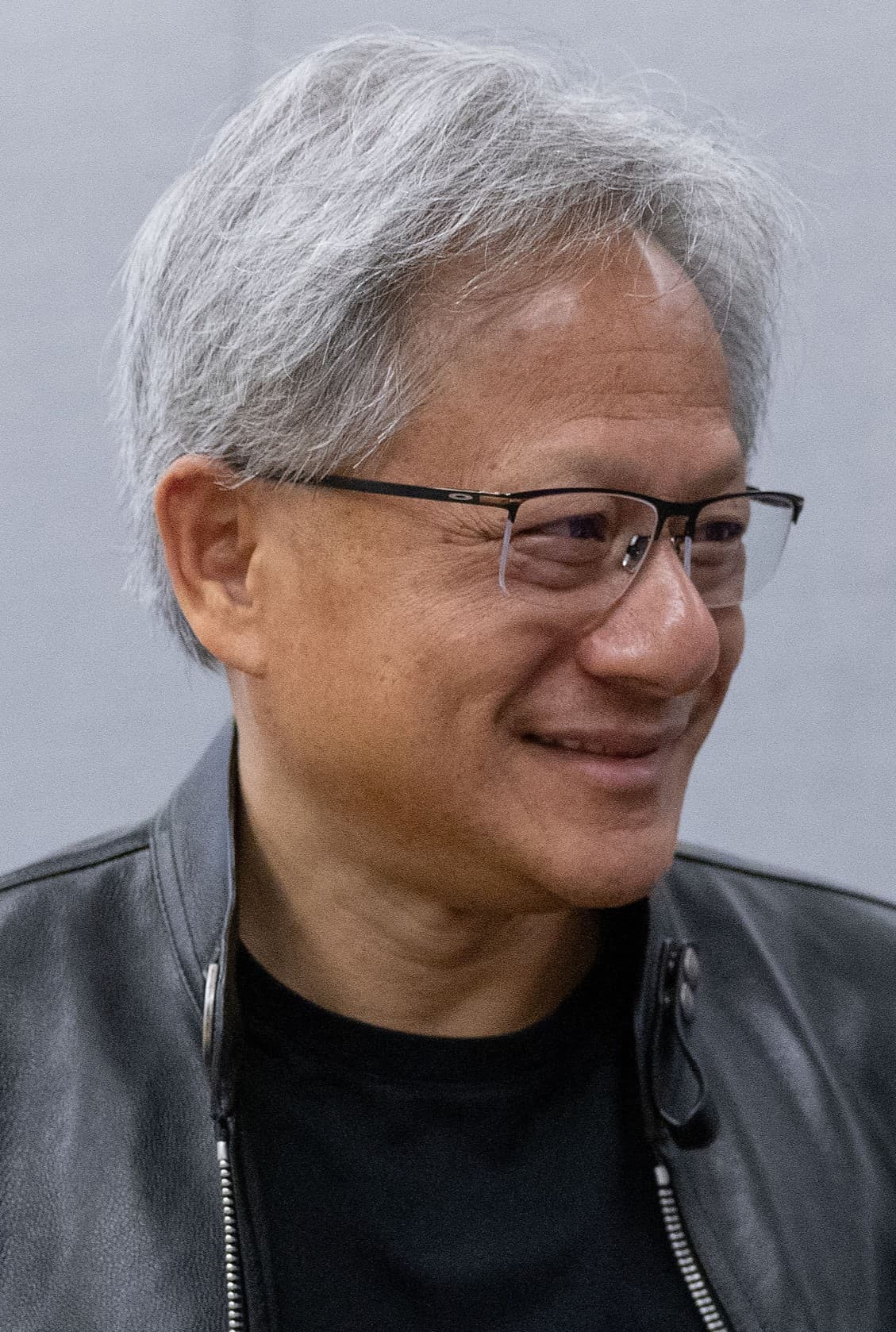
NVIDIA CEO Jensen Huang has taken the opposite side. In an Axios interview, he said American companies should be allowed to use Chinese models and rejected the idea that they could drive OpenAI or Anthropic off the road. His verdict was blunt: there is 'zero possibility' of that happening.
Huang is not a neutral observer either. NVIDIA makes money when a closed model trains in California, and when a company installs Kimi, Qwen or GLM in a data centre. He cares less about who drives than who built the engine.
That does not make him wrong. Startups choose Chinese models because they can modify, host and use them without sending every request to an outside provider. Using the world's best model to classify invoices is like taking a Ferrari to buy bread. Impressive, and slightly absurd.
My read is that NVIDIA sees what OpenAI and Anthropic would rather ignore: this race may be won by whoever becomes infrastructure, not whoever tops a benchmark for three weeks.
America may repeat its most expensive mistake
Washington is considering measures that could effectively block access to selected Chinese labs. The plan sounds simple: protect domestic models, make copying harder and preserve a technological lead. The problem is that banning downloadable software works beautifully until somebody downloads it.
China has also understood that openness can function as foreign policy. Beijing can offer weights, low prices and a message of technological independence to countries that do not want every system tied to a US API. The packaging contains propaganda. It also contains files people can install.
Banning Kimi K3 would not erase its weights once they spread online. It might do something worse: encourage universities, European companies and Asian governments to build around Chinese models while US systems remain premium products for customers able to pay.
We have already explained why Kimi K3 has rattled Silicon Valley. Washington's answer may decide whether that shock lasts a few weeks or becomes a structural Chinese advantage.
The real fear is becoming optional
OpenAI and Anthropic have legitimate reasons to demand controls. Open models can be modified, stripped of safeguards and used for attacks, propaganda or surveillance. Pretending this is purely a community celebration would be naïve.
But security is unlikely to be the entire concern. Kimi K3 shows that a Chinese company can approach the frontier, charge a fraction and hand the model to the user. If that formula becomes normal, US systems could end up as premium products for the five per cent of tasks that genuinely need them. Brilliant, but less central.
That is the heart of the fight. OpenAI and Anthropic want to be the place everyone visits. NVIDIA wants everyone using AI, wherever it comes from. Startups want a bill that does not require selling a kidney. China wants its models underneath other countries' digital futures.
My bet is simple: the United States can pursue fake accounts, protect chips and punish proven theft, but it will not win by locking away its best models while the rest of the world downloads alternatives that are good enough. The internet did not spread because every page asked Washington for permission.
OpenAI and Anthropic say they are protecting America's lead. They may be protecting their margins first.
The conversation starts here
Sign in with a supporter account to comment. Sign in
Nobody has commented yet. Want to go first?