
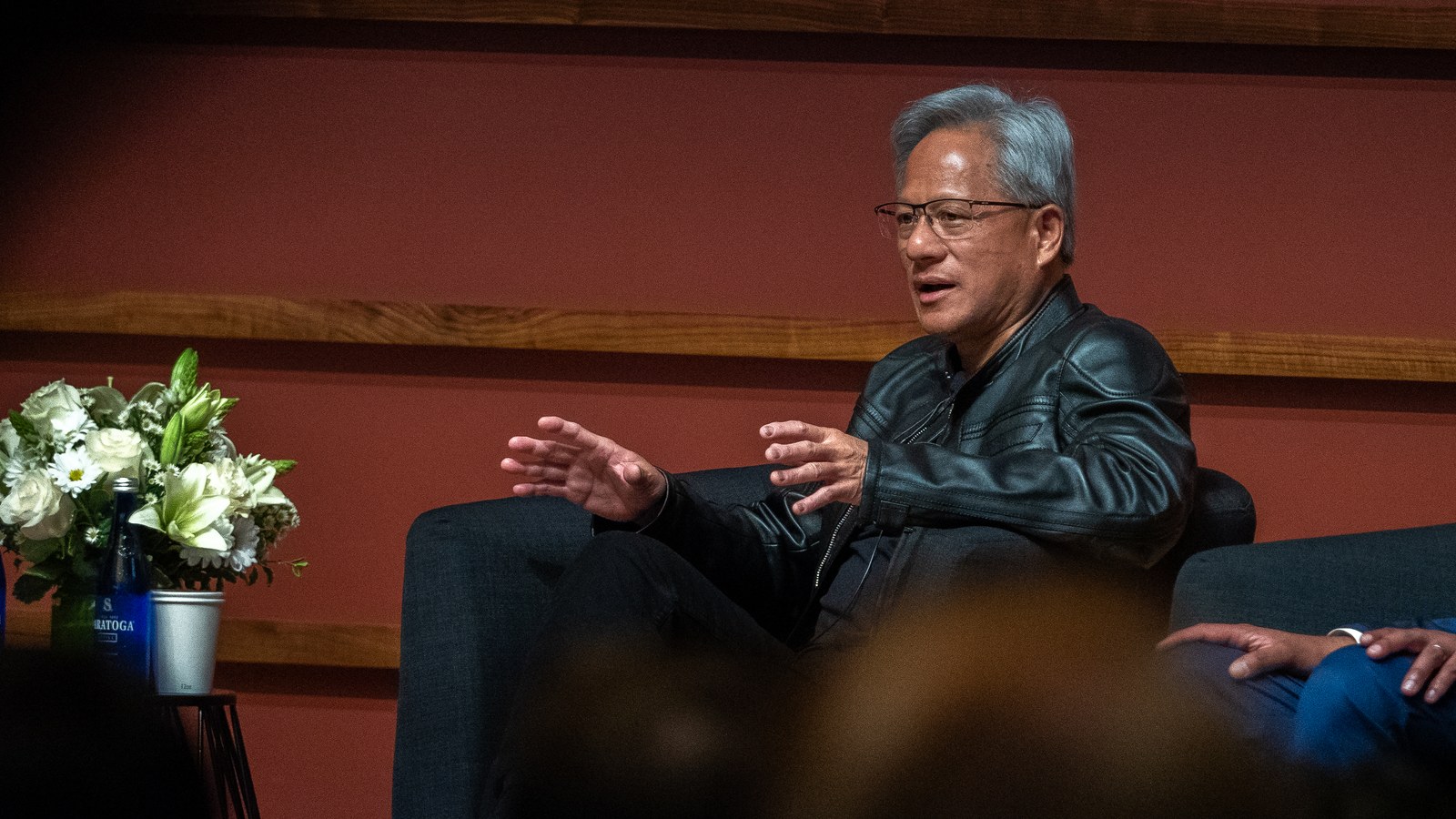
Jensen Huang is back in charge of NVIDIA. The board announced on Monday, Nov. 23 that it had reinstated him, effective immediately, as president, CEO and board member, eleven days after accepting his resignation. Directors voted unanimously after several meetings with Huang and said they were satisfied with his candor and his ability to lead.
Colette Kress, who had run the company on an interim basis since Nov. 12, goes back to being only chief financial officer. Harvey C. Jones stays on as board chair.
Why he left in the first place
NVIDIA never gave a reason for the resignation. It followed U.S. press reports that Huang had a personal relationship with Alice Huang, who ran Megaspeed, a Singapore company that bought large volumes of NVIDIA chips. According to those reports, U.S. intelligence believes she passed information to China. The board opened an internal investigation on Nov. 8. Reports then surfaced that Huang had also had relationships with NVIDIA employees, and the board met on the night of Nov. 11 to decide his future, as we reported when he stepped down.
Monday's statement says the investigation began after "recent reporting" that Huang was the target of a foreign intelligence effort. It does not say whether that reporting is accurate or tie it to his resignation.
What NVIDIA is promising
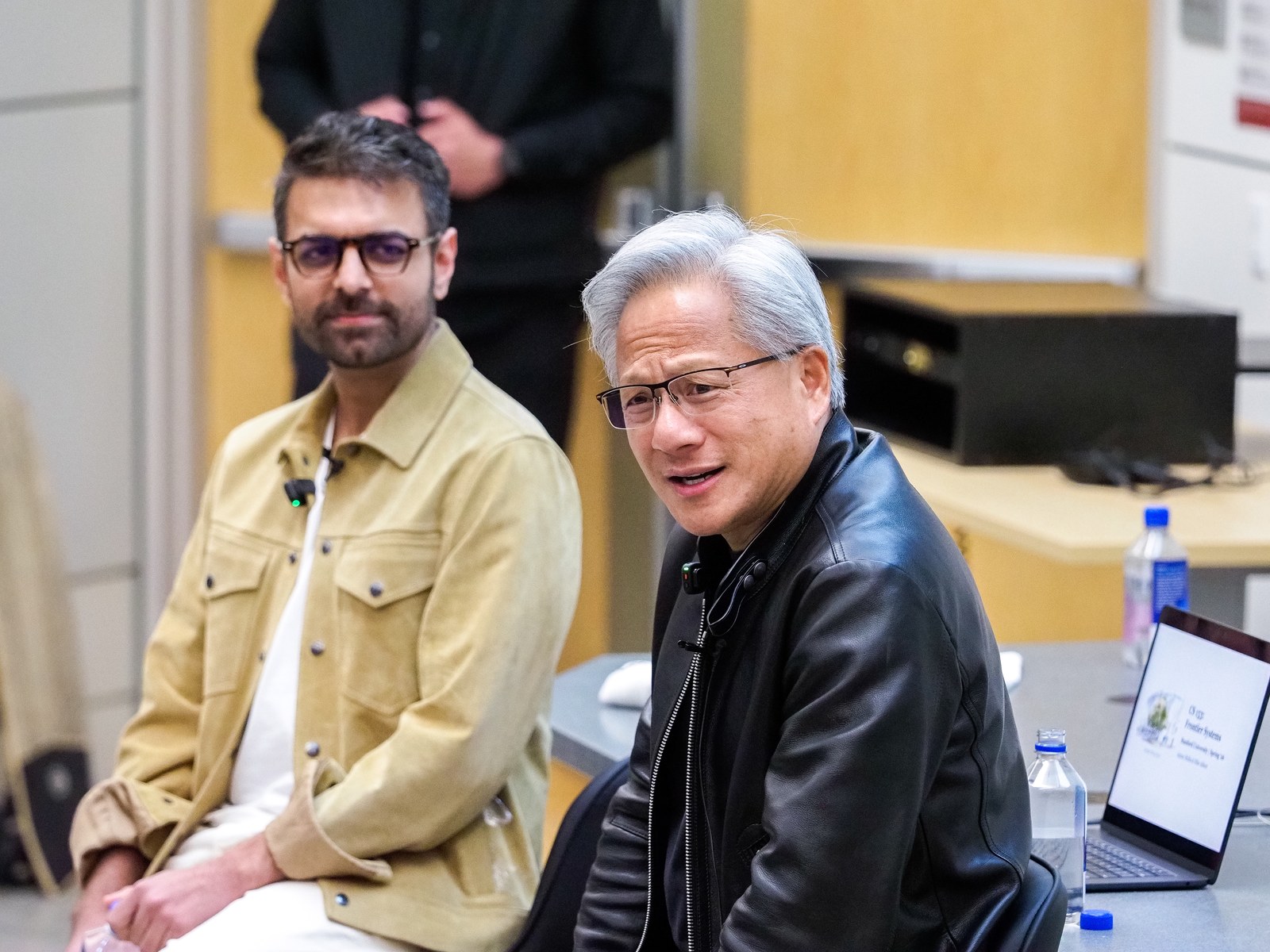
The board says it consulted senior U.S. government officials, whom it did not name, and concluded that Huang's return poses no national security risk. The investigation is not over, though. A committee of independent directors, meaning board members who are not part of management, will see it through with outside counsel, and Huang says he supports it and will cooperate.
The statement adds three commitments. The national security and export control committee, which the board set up on Nov. 17 to make sure NVIDIA does not sell chips where the law forbids it, is hiring lawyers with national security experience. NVIDIA is also recruiting a chief compliance officer, the executive who checks that the whole company follows laws and internal rules, who will report to a board committee rather than to Huang. And the company will keep cooperating with government investigations.
What changed in a week
The decision reverses what the board said a week ago. On Nov. 17, opening the earnings call, board chair Harvey C. Jones said the board did not intend to reinstate Huang, AP reported. President Donald Trump had already said he would not mind seeing Huang return, according to City A.M..
According to people familiar with the matter cited by Inside AI News, Trump and Vice President JD Vance pressed the board over the weekend, and the attorney general and the director of national intelligence helped conclude that Huang was not a security risk. Neither NVIDIA nor the White House has confirmed that account. Trump, for his part, praised the board's decision. Sen. Elizabeth Warren, a Massachusetts Democrat, called it reckless. Huang is still due to sit for closed-door interviews with three House committees on Dec. 1.
The stock and Megaspeed
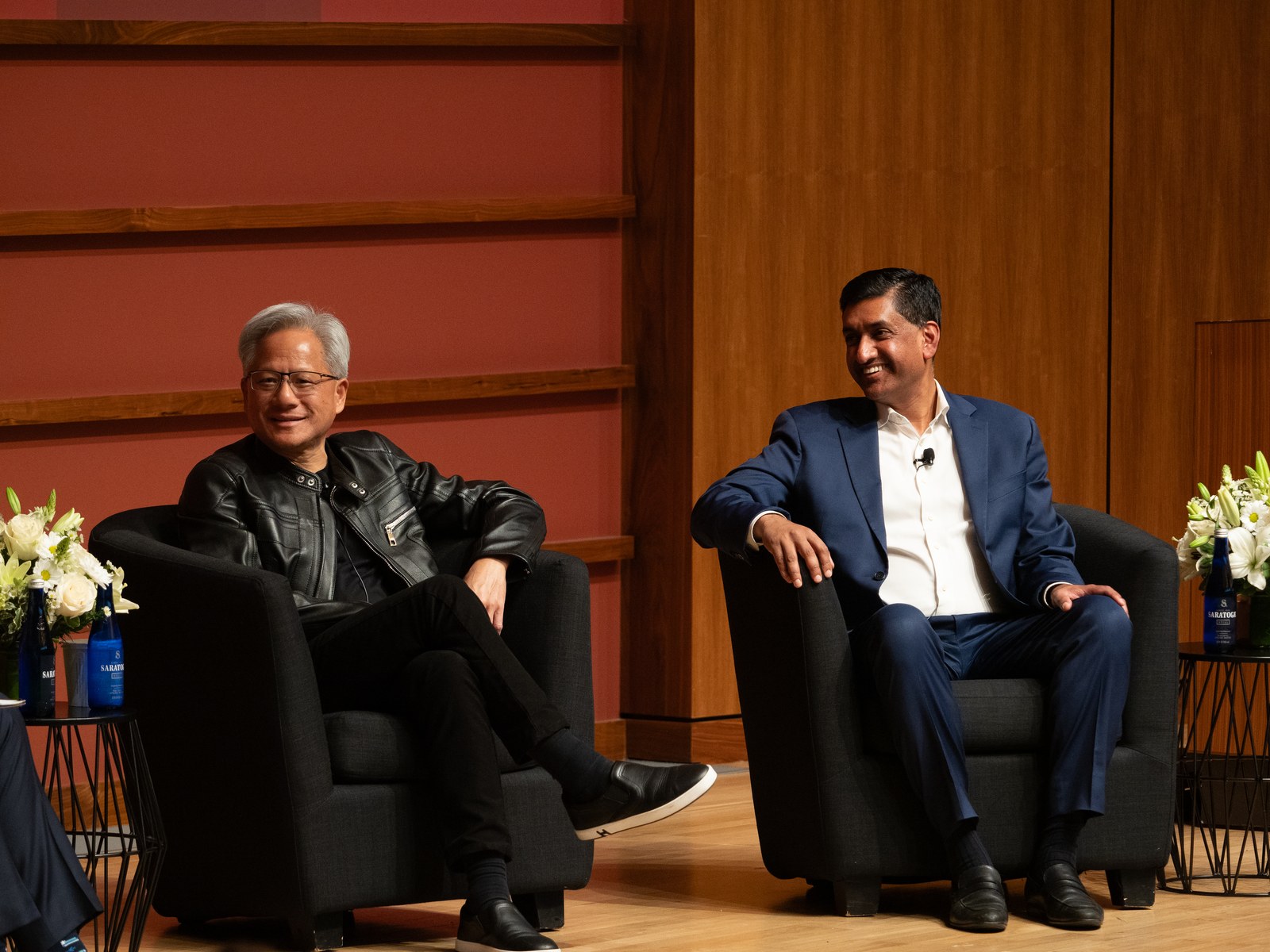
NVIDIA shares closed up 31% on Monday, CNBC reported, their highest level since the resignation. The stock had fallen roughly 23% the week before, to $125.53, during the Nasdaq's worst week since 2020.
Megaspeed faces its own trouble. The Justice Department is running a criminal probe into whether NVIDIA chips reached China through the company, as we laid out in what is known about the case. And on that same Monday, the Commerce Department filed a rule putting seven companies on the Entity List, the U.S. trade blacklist, among them Singapore-based Megaspeed International, Megaspeed (Thailand) and PT Megaspeed International. Commerce cited a significant risk that they could divert advanced chips to unauthorized uses or buyers. The rule is set to appear in the Federal Register on Nov. 25, and once it takes effect any American company will need a license to sell to them. Megaspeed denies wrongdoing.
The conversation starts here
Sign in with a supporter account to comment. Sign in
Nobody has commented yet. Want to go first?